
The Complicated History Behind 15 Iconic American Foods
The history behind iconic American foods reveals a tapestry of international influences and cultural adaptations. Many of these beloved dishes are not just American by creation but are the result of centuries of cross-cultural exchanges and innovations. Understanding the roots of these foods enriches the dining experience, offering home cooks insights into how diverse ingredients and techniques have shaped what we enjoy today.
Hamburgers: A Global Fusion
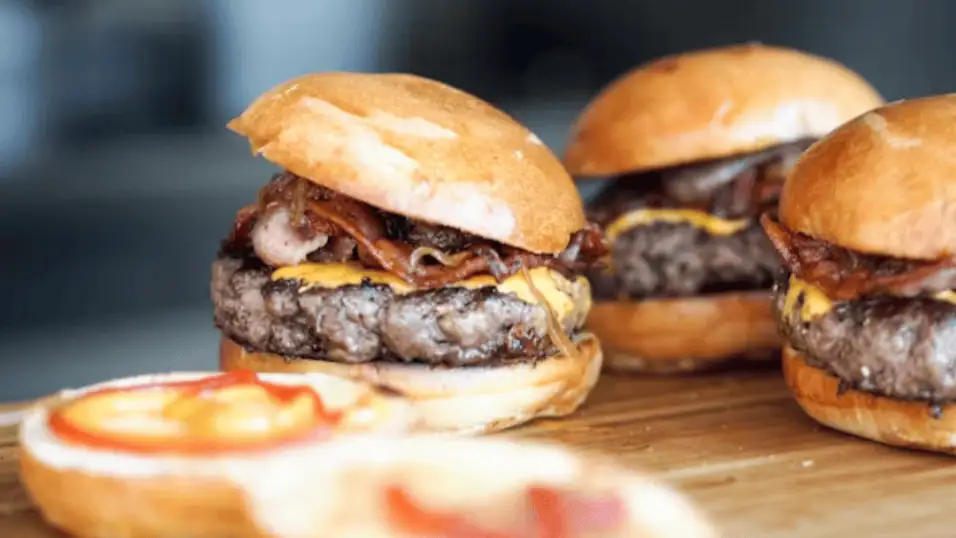
Hamburgers demonstrate a blend of international flavors, originally inspired by Hamburg, Germany’s beef cooking methods. The American version emerged in the late 19th century, with regional variants adding unique twists. To elevate a homemade burger, focus on quality meat, chilled until ready to shape. Season lightly to emphasize the beef’s natural taste. Grilling at high heat ensures a savory crust, while a quick sear preserves juiciness. Consider using artisan buns and fresh toppings, balancing textures and flavors in every bite.
Apple Pie: More Than American

Though apple pie is often viewed as quintessentially American, it traces its roots back to European settlers. To achieve the classic flaky crust, keep ingredients cold and handle the dough minimally. Incorporate a mix of tart and sweet apples, like Granny Smith and Honeycrisp, for depth. Pre-cook the filling slightly to meld flavors and ensure tenderness. Spices such as cinnamon and nutmeg add warmth, enhancing the pie’s aroma. Baking in a preheated oven helps develop a golden, crispy exterior.
Hot Dogs: From Germany to Ballparks

Hot dogs, derived from German sausages, became a staple at American ballparks in the early 20th century. Select sausages with natural casings for a satisfying snap. Steaming or grilling are preferred methods to maintain juiciness while developing flavor. Nestle the hot dog in a soft bun, ideally steamed for warmth. Classic condiments like mustard, sauerkraut, and onions provide contrast, but regional toppings offer endless opportunities for customization. Achieving the right balance of tangy, sweet, and savory enhances this beloved dish.
Mac and Cheese: Royal Beginnings
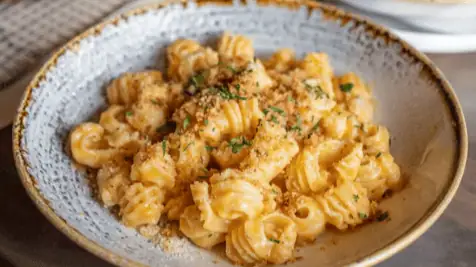
Mac and cheese has regal origins, once a dish reserved for European nobility. The American adaptation gained popularity with the introduction of boxed versions in the 20th century. Home cooks can recreate a luxurious version by using a combination of flavorful cheeses, such as sharp cheddar and Gruyère. Make a béchamel sauce as a base, ensuring smoothness by gradually adding milk to roux. Fold in cooked pasta, allowing the mixture to meld gently. A topping of breadcrumbs and Parmesan can add a crispy, savory finish when baked.
Fried Chicken: Southern Tradition
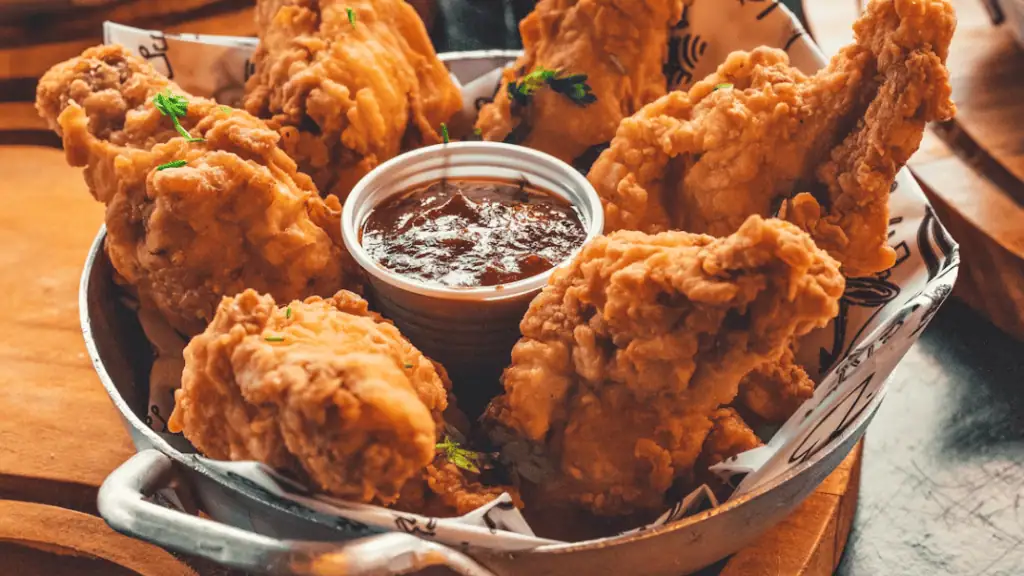
Fried chicken, a revered Southern staple, holds a firm place in American cuisine. The art of achieving a balance between crispy coating and juicy interior depends on key techniques. Brining the chicken in buttermilk infuses tenderness and flavor, while dredging in seasoned flour ensures a well-spiced crust. Frying at the ideal temperature, around 350°F, prevents a greasy texture and promotes even browning. Understanding these steps allows for mastery of this beloved dish, transforming simple ingredients into a soulful experience.
Peanut Butter: A Nutty Evolution

Peanut butter’s transformation from a health food to a kitchen essential is marked by innovation. Originally created to serve those with dental issues, its creamy texture and nutty flavor soon captivated a broad audience. Using high-quality peanuts that are roasted to perfection enhances the natural sweetness and earthy notes. Grinding to the desired consistency, whether creamy or chunky, and balancing salt and sugar, allows for customization. This versatile spread can elevate both sweet and savory dishes, making it indispensable in the modern pantry.
Buffalo Wings: Accidental Delight

Buffalo wings, conceived at the Anchor Bar in Buffalo, New York, owe their fame to a serendipitous creation. The sauce, a vibrant mix of hot sauce and butter, strikes a perfect harmony of heat and richness. Properly frying the wings to achieve a crisp, golden exterior while maintaining a tender interior is critical. Tossing the wings in the sauce just before serving ensures the coating clings without becoming soggy. Whether paired with blue cheese dressing or celery sticks, these wings epitomize the joyful intersection of simplicity and taste.
Pancakes: A Stacked History

Pancakes have graced tables across cultures, evolving into a cherished breakfast classic in America. The secret to fluffy cakes lies in a balanced batter of flour, eggs, and milk. Incorporating baking powder or soda introduces lift, while a resting period allows gluten to relax, enhancing texture. Cooking on a pre-heated griddle, lightly greased, assures a uniform golden finish. Whether topped with syrup, berries, or butter, pancakes offer versatility and comfort, inviting variation in both flavor and form.
Cornbread: Native American Roots

Cornbread’s origins trace back to Native American recipes, showcasing the indigenous use of corn. Modern preparations often blend cornmeal with flour for a tender crumb, while buttermilk adds tang and moisture. Baking cornbread in a preheated cast-iron skillet ensures a crispy crust that complements its soft interior. Savory additions like jalapeños or cheese introduce complexity without overshadowing its soulful essence. This humble bread remains a testament to its storied past and enduring adaptability in American cuisine.
Clam Chowder: Coastal Blend

Clam chowder stands as a testament to the rich maritime history of American coastal regions. Focus on fresh clams for a briny flavor that shines. Use a combination of diced potatoes and onions to build texture, while celery adds aromatic undertones. To achieve a creamy consistency, incorporate a roux made with equal parts butter and flour, gradually stirred into a blend of clam juice and milk. A touch of thyme elevates the broth, delivering herbaceous depth. Serve with crispy bacon crumbles for a savory contrast and freshly baked bread to absorb every drop.
Jambalaya: A Cajun Mélange

Jambalaya combines ingredients like Andouille sausage, shrimp, and chicken for a robust dish reflecting Cajun influence. Begin by sautéing the “holy trinity” of celery, bell peppers, and onions, imparting an aromatic base. Add tomatoes and a dash of cayenne for heat. Every grain of long-grain rice should soak up the flavor as it gently simmers in a seasoned broth. Incorporate proteins at different times to ensure perfect cooking—shrimp last to maintain juiciness. Finish with fresh parsley and serve hot, capturing the heart of Louisiana’s culinary roots.
Cheesesteaks: Philly’s Culinary Icon

The Philly cheesesteak is renowned for its marriage of thinly sliced ribeye steak and creamy cheese. Focus on achieving a tender steak by freezing the ribeye slightly before slicing, allowing for paper-thin cuts. Sauté onions until caramelized to bring natural sweetness. Melted Provolone or Cheez Whiz envelops each bite with a creamy richness. A sturdy hoagie roll, toasted to accommodate juicy fillings, is vital. Assembling quickly keeps the steak hot and the cheese gooey. Balance each mouthful with the right ratio of meat, cheese, and bread.
Bagels: From Europe to NYC

Bagels, with their distinct chewy texture, journeyed from European roots to New York’s bustling delis. Precision in boiling the dough is key, contributing to their iconic crust. Begin with a yeast-based dough, ensuring a smooth and elastic feel. Shape into rings and rest overnight for fermentation, developing flavor. The brief boil in water laced with barley malt syrup sets the crust early, crucial for maintaining tautness when baked. Apply an egg wash for shine and top generously with seeds for added flavor. Serve fresh, smeared with cream cheese or piled with smoked salmon.
S’mores: Campfire Origins

S’mores capture nostalgia, yet precision in their simplicity ensures perfection. The graham cracker base provides a sturdy and sweet crunch. Toast marshmallows slowly over low heat, rotating to achieve a golden exterior and molten center. A square of chocolate, preferably milk chocolate for optimal melting, pairs with the heat of the marshmallow to reach ideal creaminess. Assemble quickly to retain the melted chocolate and oozy marshmallow texture. This simple yet satisfying treat delights with contrasting textures and a balance of sweet, sticky, and crispy elements.
Tacos: Mexican-American Fusion
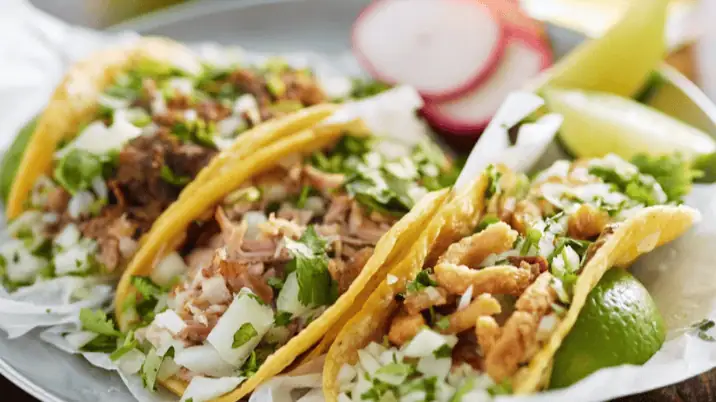
Tacos stand as a testament to the cross-cultural blend of Mexican and American cuisines. The soft corn or flour tortillas cradle an array of fillings, each an exploration of contrasting textures and flavors. For a classic fusion, try using seasoned ground beef or grilled chicken paired with pico de gallo, cheese, and avocado slices. Ensuring freshness, tortillas can be warmed briefly on a skillet, creating a pliable yet slightly crispy base. A squeeze of lime adds brightness, while a dollop of sour cream balances spicy elements, providing a well-rounded bite rich in heritage and innovation.
