
The 10 Most Rarely Eaten Foods In The World
Delving into the realm of exotic cuisine uncovers a world where unique ingredients and daring flavors reign supreme. Among these culinary rarities, certain foods capture the intrigue of adventurous palates but remain rarely eaten due to scarcity, expense, or intimidating preparation techniques. Exploring these unusual ingredients not only expands culinary horizons but also honors traditional practices and flavors that have captivated cultures worldwide. This exploration introduces you to the ten most rarely eaten foods, unveiling their allure and culinary secrets.
Beware the Fugu Fish Thrill

The fugu fish offers a culinary experience marked by both peril and mastery. Known for its potential toxicity, fugu requires a chef with precision skills certified to deftly prepare it, ensuring the dish’s safety. The fish’s texture is delicate, providing a slightly chewy consistency with a subtle, oceanic flavor. Usually served as sashimi, it must be sliced paper-thin, highlighting its translucent beauty. A key technique is controlling the knife’s angle and pressure to achieve this refinement without compromising safety or essence, allowing the true character of fugu to emerge.
Golden Spice: The Saffron Enigma
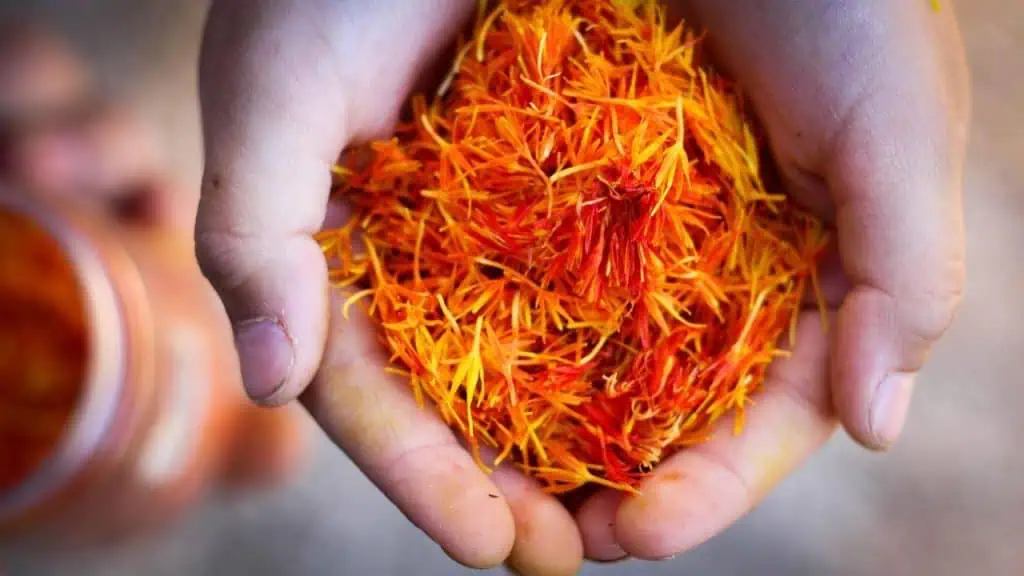
Saffron, heralded for its deep, luxurious hue and distinct flavor, is a spice of tremendous value and rarity. Harvested from the crocus sativus flower, each thread must be plucked by hand during its fleeting bloom, contributing to its elevated cost. Its unique aroma intertwines floral and slightly metallic notes, enhancing dishes like risotto or paella with rich color and depth. To unlock saffron’s full potential, gently toast the threads to awaken their fragrance, then steep them in warm liquid to disperse their pigment and flavor evenly throughout the dish.
Mystique of the Matsutake Mushroom

Renowned for its earthy fragrance that conjures images of the autumn woods, the matsutake mushroom is a sought-after delicacy, primarily harvested in Japan’s dense forests. Its distinctive aroma and firm texture make it a prized addition to culinary traditions. Matsutake pairs harmoniously with rice or in a simple broth, where its flavor can shine unobstructed. The key is to avoid overpowering the mushroom; minimal handling and gentle sautéing preserve its unique properties, allowing the matsutake’s intrinsic nuances to elevate and define the dish.
Exciting Escamoles: Ant Larvae Delicacy

Escamoles, often referred to as the “caviar of Mexico,” are ant larvae harvested from the roots of agave plants. This rare delicacy boasts a nutty, buttery flavor and a creamy texture, often prepared with butter and spices for a simple yet profound culinary experience. In traditional preparations, escamoles are gently sautéed to preserve their delicate structure and flavor. This dish is best appreciated when enjoyed simply, letting the natural richness and smooth texture stand out. Incorporating fresh herbs can add a refreshing contrast, balancing richness with invigorating accents.
Casu Marzu: The Cheese with Maggots
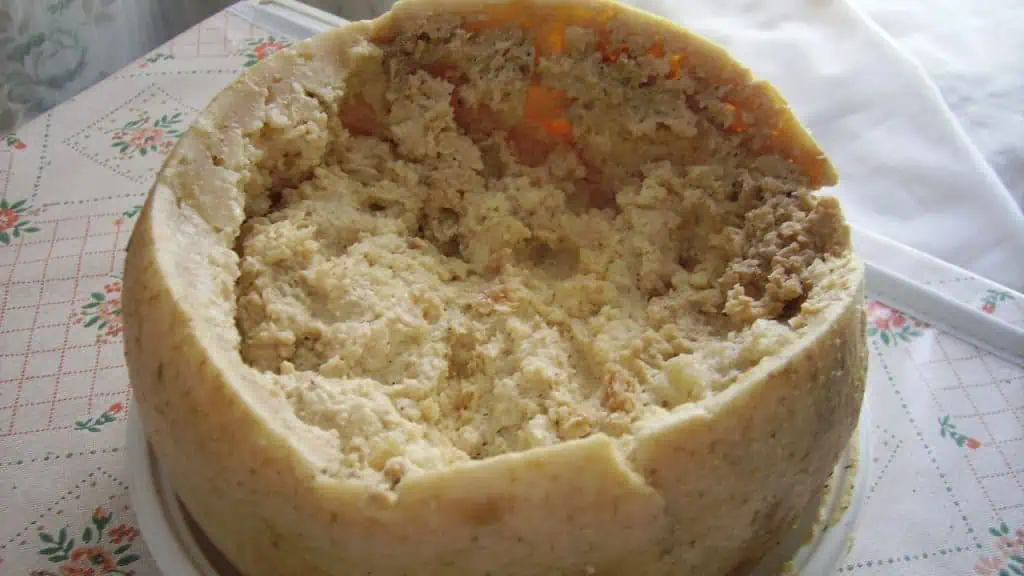
Casu Marzu, hailing from Sardinia, is a sheep milk cheese known for undergoing fermentation with the help of cheese fly larvae. These larvae digest the cheese fats, creating a soft, creamy texture distinguished from other cheeses by its pungency. When preparing to taste, ensure the cheese is well-aged and served at room temperature to appreciate its distinct aromas and flavors. Though not for everyone, its rich umami profile is complemented by a simple wine pairing, preferably a robust red to match the cheese’s intensity.
Hákarl: The Fermented Shark Experience
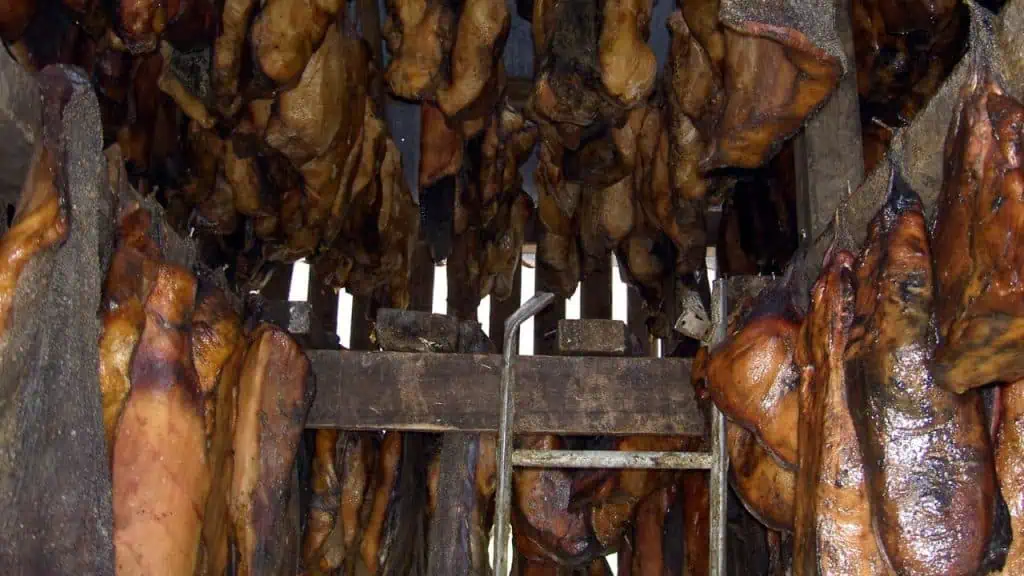
Hákarl, an Icelandic delicacy, involves curing Greenland shark in a fermentation process that lasts several months. The shark is initially buried and left to ferment, then hung to dry. This process detoxifies the flesh and results in a firm texture and an ammonia-rich aroma. When introducing it to your palate, pair with a shot of Brennivín, an Icelandic schnapps, to offset the challenging flavors. Slice thinly and serve cold, allowing the complex taste profile to unfold gradually.
Kopi Luwak: Coffee’s Rare Treasure
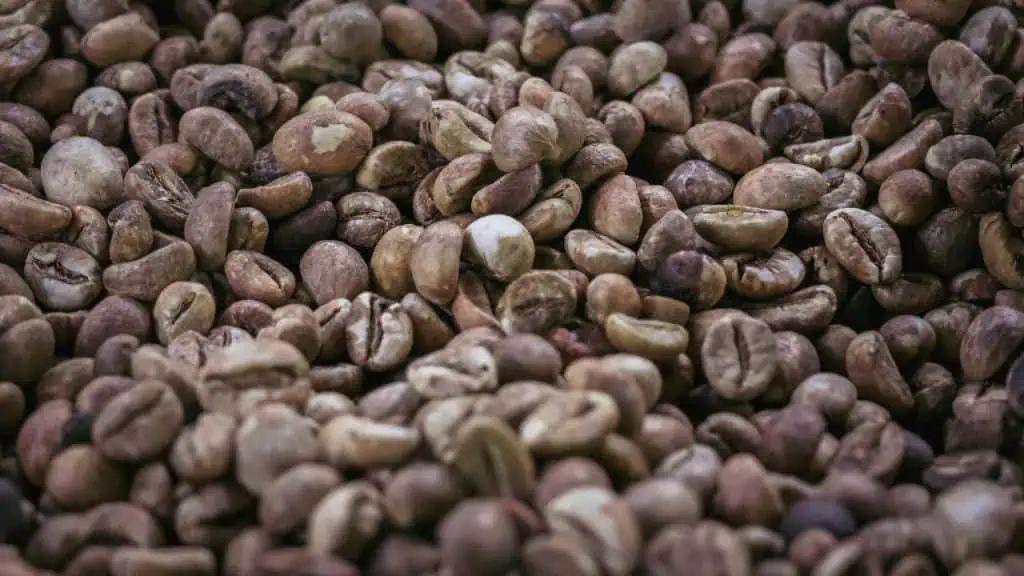
Produced from coffee cherries consumed and excreted by civets, Kopi Luwak is noted for its distinctive processing method. The journey through the civet’s digestive tract alters the beans, reducing their acidity and imparting a smooth, rich flavor. When brewing, use a gentle method such as a French press to preserve the bean’s nuanced notes. Enjoyed black, it reveals subtle chocolaty and earthy tones, best experienced in a quiet setting to fully appreciate its rare elegance.
Bird’s Nest Soup: A Delicate Luxury
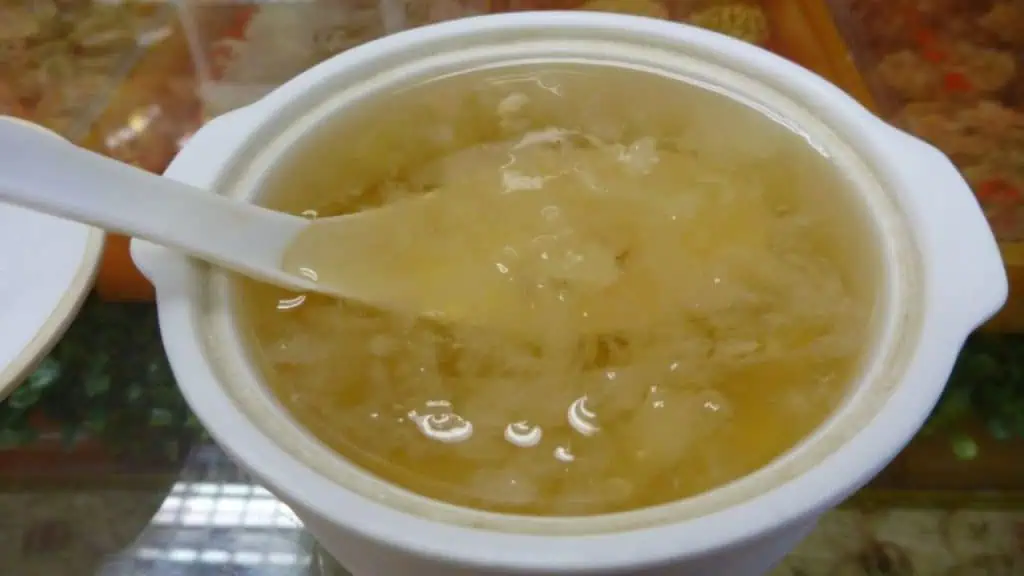
Bird’s Nest Soup, renowned in Chinese cuisine, is made from the nests of swiftlets, constructed primarily from their saliva. Its gelatinous texture gives this dish a unique mouthfeel, prized for its believed health benefits. To prepare, soak the nests until they dissolve slightly, then simmer gently with rock sugar or in a savory broth. The neutral flavor supports additional ingredients like ginger or lean chicken for subtle depth. Serve warm to appreciate its nourishing and luxurious qualities.
Jellyfish: The Unusual Seafood Choice
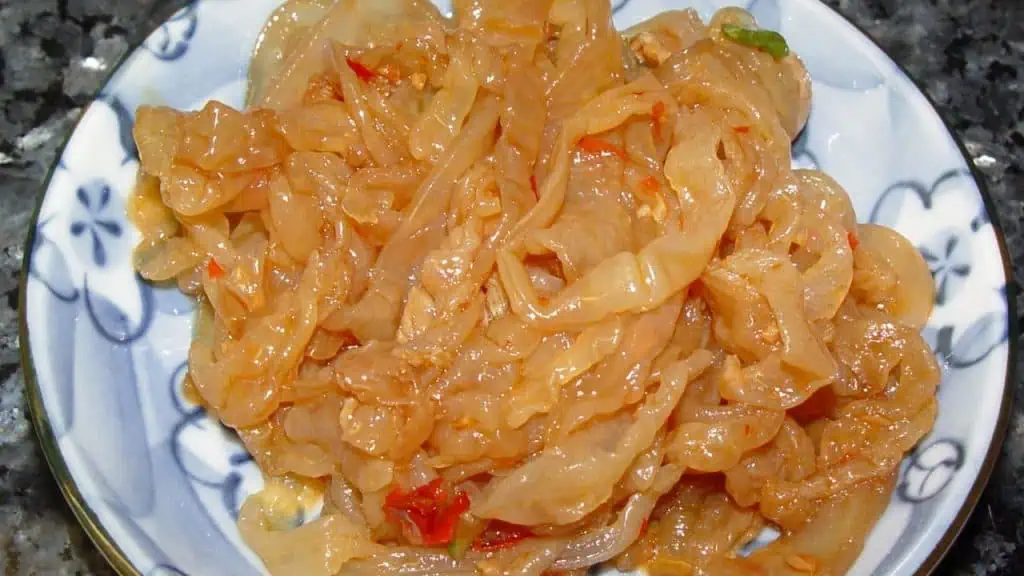
Jellyfish, a seafood staple in certain Asian cuisines, is celebrated for its crunchy consistency rather than its flavor. Before incorporating it into dishes, it requires desalinization and tenderization through soaking. Once prepared, jellyfish is often served in salads with flavors like sesame oil, soy sauce, and vinegar to enhance its mild taste. Its chewy texture provides an intriguing contrast in dishes, making it a refreshing complement alongside fresh vegetables and herbs.
Orthopterans: The Crunchy Insect Treat

Orthopterans, including grasshoppers and crickets, are often overlooked in Western cuisine yet cherished in many parts of the world. With a high protein-to-fat ratio, they offer a nutritious alternative to traditional meats. When preparing ortopterans, start by ensuring they are clean and free of any debris. Toasting them in a dry pan releases their natural nutty flavors and achieves a satisfying crunch. For a unique spin, toss them with a sprinkle of chili powder and lime juice for zing. Serve them as a topping on salads or enjoy them as a standalone snack, noting their earthy undertones and rich umami finish.
