
Beans, Ranked: The Healthiest (and Least Healthy) Options
Exploring the world of beans offers a journey into a realm of plant-based nutrition and culinary versatility. Full of protein, fiber, vitamins, and minerals, beans are staple ingredients in numerous diets worldwide. With so many varieties available, some provide more health benefits than others. Here, we explore which beans stand out nutritionally and why they deserve a place on your plate.
The Power-Packed Navy Bean
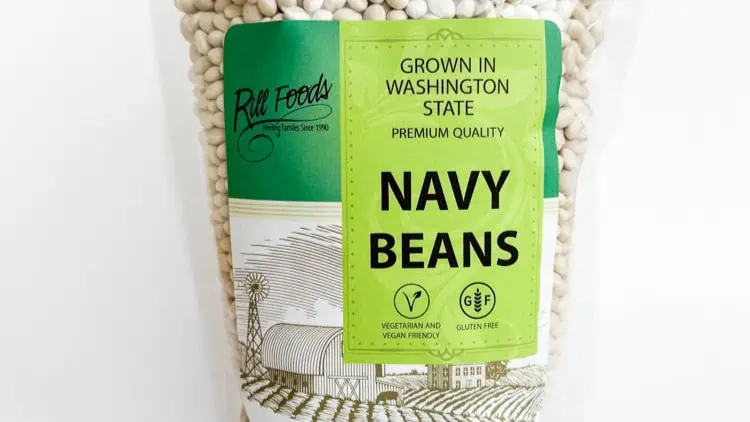
Navy beans are small, white, and boast an impressive nutritional profile, making them a powerhouse in healthy eating. These beans are rich in dietary fiber, promoting digestive health and aiding in stabilizing blood sugar levels. Navy beans offer an excellent source of plant-based protein, essential for muscle maintenance and repair. Choose boiling or pressure cooking for optimal texture, as these methods preserve the bean’s creamy interior, enhancing soups and stews with their smooth consistency.
Lentils: A Nutrient Superhero
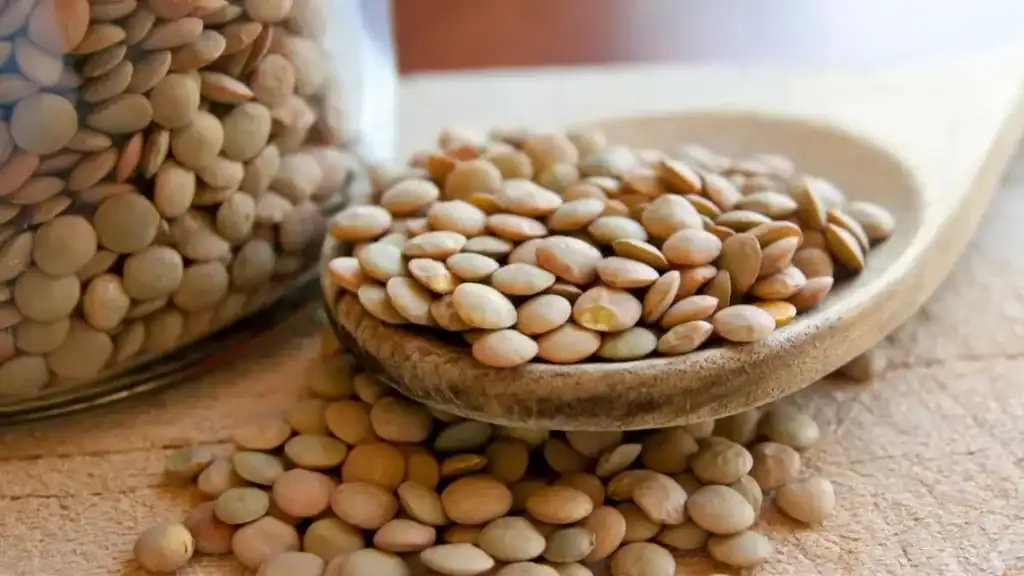
Lentils are among the most nutrient-dense of legumes, offering a rich source of protein and iron, which is particularly beneficial for vegetarians and vegans. Their high fiber content supports heart health and digestion. Lentils cook quickly, making them a convenient choice for easy weekday meals. Simmer them with aromatic vegetables and spices for a flavorful dish that stands up as a satisfying main or a hearty side.
The Versatile Black Bean
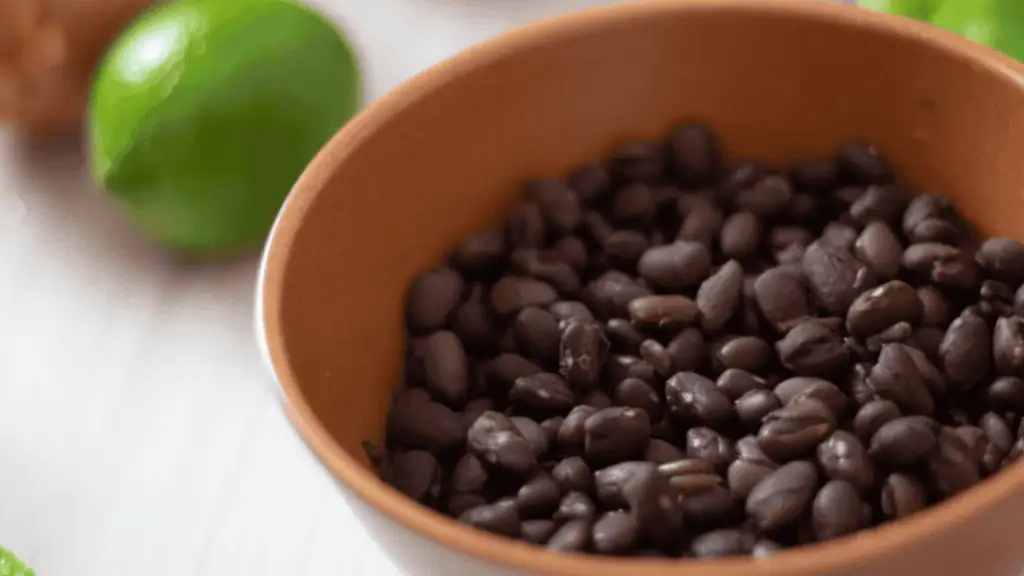
Black beans offer a robust, earthy flavor and nutritional benefits that enhance any meal. Packed with antioxidants, proteins, and fibers, they support heart health and maintain gut bacteria. Use them in salads, tacos, or hearty winter soups. For creamy dishes, try mashing cooked black beans slightly before adding them to recipes, allowing their natural starches to thicken and enrich the flavors of the dish.
Chickpeas: Not Just for Hummus
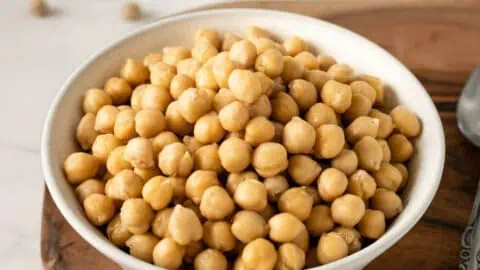
Chickpeas are a versatile legume, beloved for their nutty taste and rich texture. High in protein and fiber, they contribute to satiety and assist in weight management. Chickpeas excel in a variety of forms—whether roasted for a crunchy snack, blended into creamy hummus, or simmered in stews. Their ability to absorb flavors makes them a delightful addition to curries and salads, elevating each dish with their unique texture.
Kidney Beans: A Classic Choice
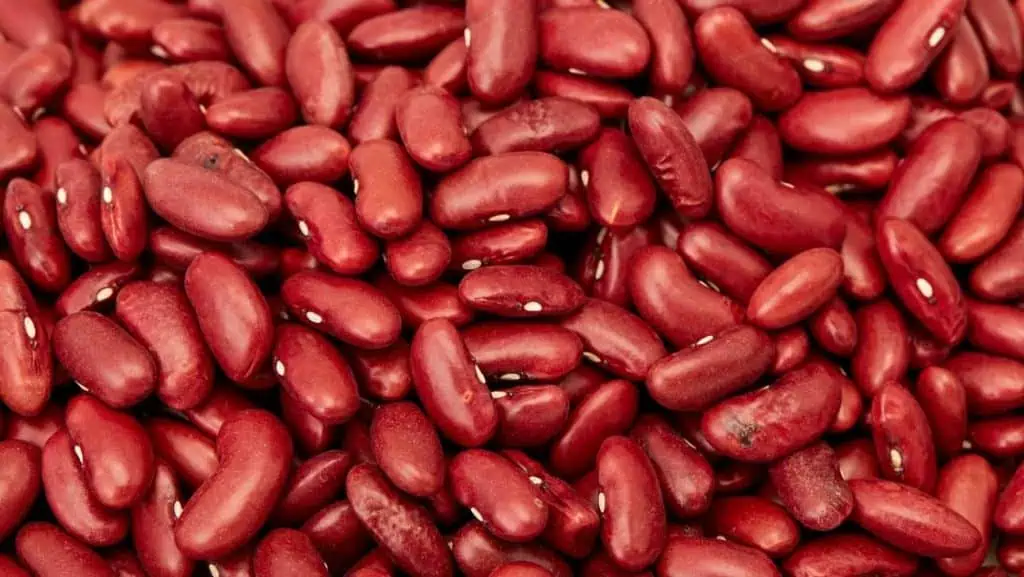
Kidney beans stand out with their deep, robust flavor and impressive nutritional profile. Rich in protein and fiber, they help regulate digestion and maintain energy levels. When preparing kidney beans, either opt for canned or soak dried beans overnight to reduce cooking time and improve texture. Simmer these beans until tender, ensuring they maintain their shape and absorb flavors well in stews and chilies. Their firm texture makes them ideal for robust dishes. Add a pinch of cumin to enhance their earthy taste and elevate your next hearty meal.
Pinto Beans: The Mexican Staple
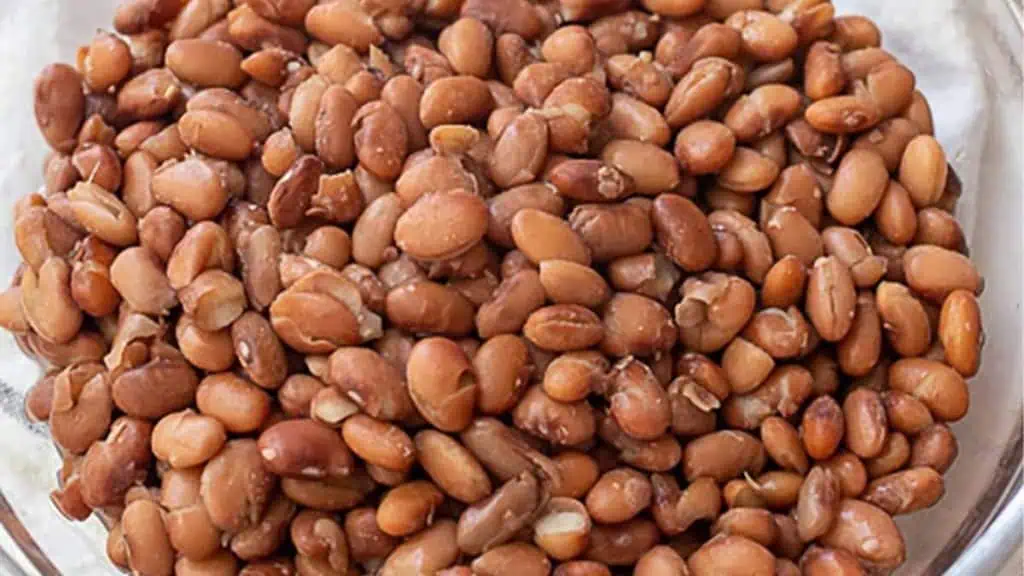
Pinto beans bring a creamy texture and mild flavor that easily complements spices. Essential in Mexican cuisine, they are boiled until tender, perfect for hearty refried beans or adding depth to a burrito. To prepare dried pinto beans, soak them overnight for quicker cooking and fewer digestive issues. Cook them gently with garlic and onion to infuse subtle, aromatic flavors. Their ability to mash smoothly makes them a versatile choice for dips and spreads. Pairing them with fresh cilantro and a squeeze of lime can brighten their flavor profile beautifully.
Edamame: The Snappy Bean
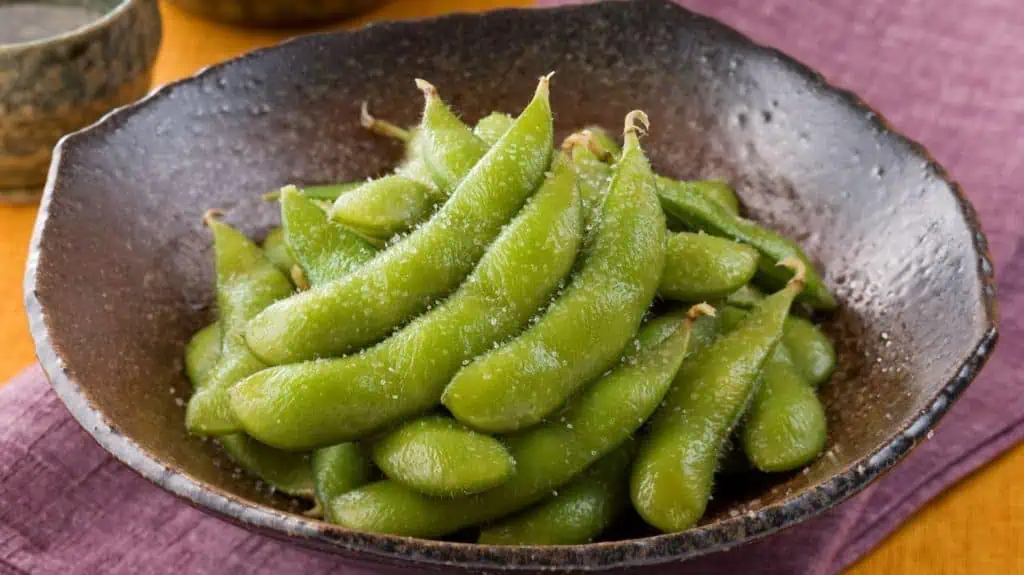
Edamame offers a quick, nutritious boost with its firm, snappy texture and mild, sweet taste. These young soybeans can be enjoyed steamed or boiled with a sprinkle of sea salt that enhances their natural flavor. Perfectly paired with a touch of soy sauce or chili flakes, edamame is a favored appetizer in Japanese cuisine. Rich in protein and low in calories, a handful can be a satisfying, healthy snack. When cooking frozen edamame, a brief boil is sufficient; they should remain bright green and just tender, preserving their vibrant appeal.
Cannellini Beans: Italian Classic

Cannellini beans, known for their smooth, creamy texture, thrive in Italian soups and salads. Their subtle, nutty flavor complements aromatic herbs like rosemary and thyme. Begin with dried beans, soaked overnight for even hydration; then simmer them gently with bay leaves to enhance their flavor. Canned options are available and convenient, needing a simple rinse before use. In a Tuscan stew, they meld beautifully with tomato and garlic, while adding a velvety consistency to the broth. Pair with olive oil and lemon for a fresh, simple salad.
Fava Beans: A Delicate Option
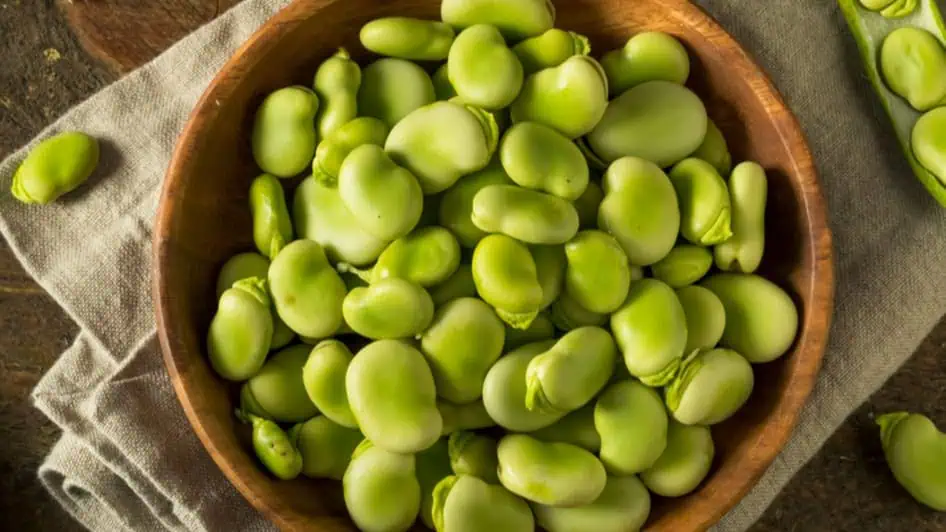
Fava beans present a buttery texture and slight sweetness, perfect for dishes requiring finesse. To prepare them, remove the beans from their pods and briefly blanch before peeling to remove tough outer skins, revealing the tender interior. Fresh fava beans shine in spring salads and purees, where their delicate flavor isn’t overwhelmed. Pair them with mint, olive oil, and pecorino for a classic Mediterranean dish. Their smooth texture also adapts well to spreads and dips, providing a lush, creamy consistency that is both satisfying and elegant.
Lima Beans: A Slippery Slope
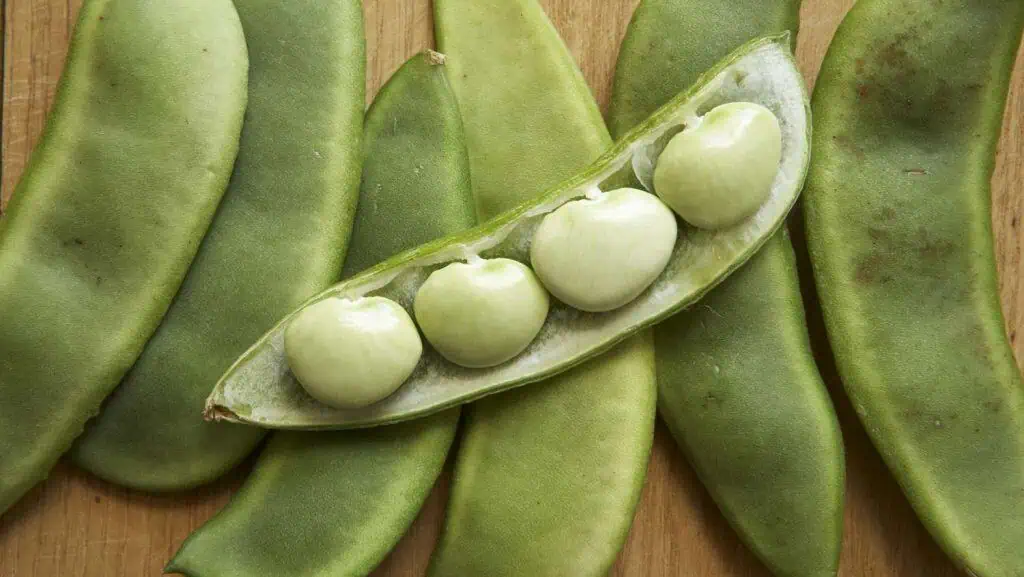
Lima beans, with their robust texture and slightly sweet flavor, can be a nutritious addition to your meals. They’re high in fiber and protein, supporting digestive health and muscle functions. However, caution is necessary as they’re also rich in antinutrients like phytic acid, which may hinder mineral absorption. To mitigate this, soak them overnight and cook thoroughly. This method enhances their creamy texture while reducing antinutrients. Opt for fresh or organic dried varieties to maintain integrity and flavor. Incorporate them into stews or salads for a hearty yet gentle protein boost.
