
Ex-Employees Expose 12 Grocery Store Secrets

Understanding the hidden strategies used by grocery stores can transform the way you shop. Former employees shed light on these practices, revealing how they subtly influence purchasing decisions. Let's explore some intriguing methods stores employ, from cart size manipulation to strategic product placement tactics, all designed to encourage you to buy more than planned.
The Shopping Cart Size Manipulation

Grocery stores often utilize large shopping cart sizes to subtly encourage larger purchases. The psychology behind this is simple: a half-filled large cart looks empty, prompting a subconscious urge to fill it up. Shoppers may not realize this subtle nudge can lead to buying more. To counteract, consider using a basket or smaller cart if available, helping maintain control over impulsive additions.
The Eye Level Gold Mine You're Missing

Products at eye level receive more attention and thus sell faster, often leading shoppers to overlook lower or higher shelves. Brands often pay a premium for this prime real estate, making these spots filled with more expensive items. Take a moment to scan the entire shelf. You might find lower-priced, high-quality alternatives just below or above eye level, saving money while discovering lesser-known brands.
The Fresh Produce Psychology Trap

Fresh produce displays are strategically placed at the entrance to create an impression of healthiness and appeal. The vibrant colors and aromatic smells awaken the senses, encouraging a favorable shopping mindset. While these fresh options are tempting, remember they are designed to inspire more spending throughout the store. Stick to your list and inspect produce carefully for quality over sheer appeal.
The Milk Run Maze That Costs You Money
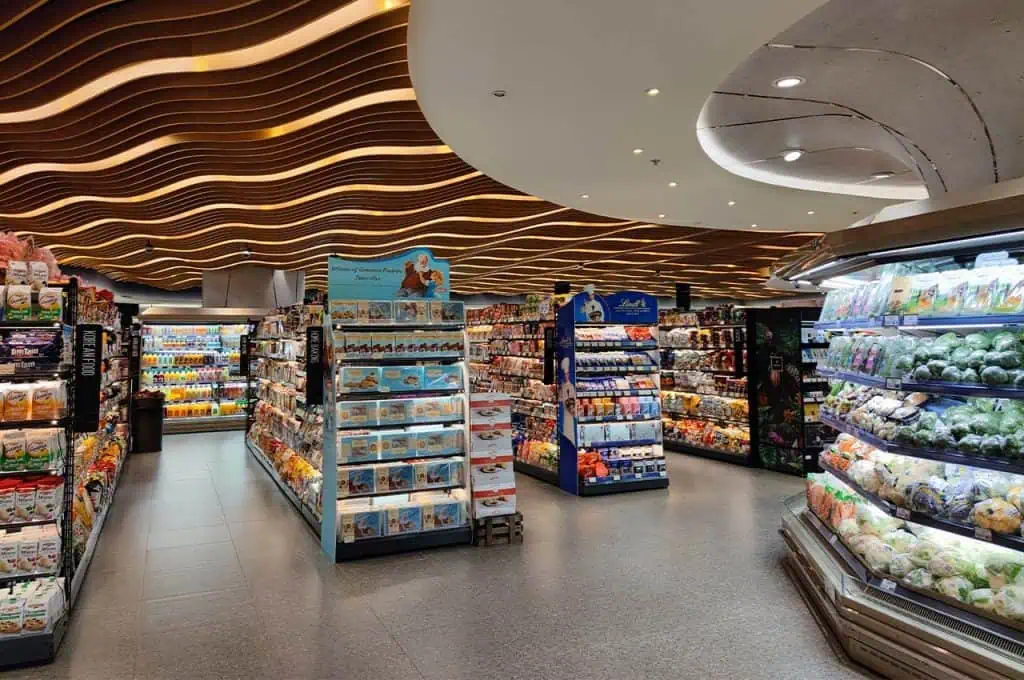
Locating staple items like milk at the back of the store is no accident. This ensures customers walk past numerous tempting products in search of essentials. The layout leads to unplanned purchases as items catch your eye along the way. To navigate efficiently, shop with a predetermined list and follow a predetermined, efficient path, minimizing costly diversions while ensuring a focused, budget-friendly trip.
The Scent Marketing Game Hijacking Noses

Grocery stores use scent to influence purchasing decisions by wafting aromas of fresh-baked bread or rotisserie chicken through the aisles. The strategic placement of bakeries near entrances ensures the enticing fragrances hit you immediately, triggering hunger and impulse buys. To recreate this tactic at home, consider incorporating aromas that stimulate appetite with air fresheners or by simmering spices to evoke cozy, culinary warmth. By understanding this sensory influence, shoppers can be more mindful of impulsive food purchases.
The End Cap Deception Draining Wallets

End caps are prime real estate for grocers aiming to boost sales. Positioned at the aisle ends, they often display promotional items that might not be the best deal. The psychology of convenience plays a big role here, shoppers assume these items are either popular or discounted, despite not always being so. To navigate this, check unit prices and compare similar products further down the aisle, ensuring you make informed decisions that focus on value rather than eye-catching placement.
The Time Distortion Chamber Effect

Store designs often elongate your stay, from soothing music to strategic layout twists that position essential items far from the entrance. This tactic encourages additional browsing, increasing exposure to more products. To counteract this, plan your route before shopping, focusing on a specific list to prevent unnecessary detours. By controlling the time you spend wandering, you maintain control over your purchases, preventing wallet-draining distractions and ensuring only essential items make it into your cart.
The Checkout Lane Ambush Strategy

Checkout lanes are more than just a queue, it’s where last-minute temptations reside. Candy bars, magazines, and small gadgets beckon to your impulses. Arranged to capture attention during idle moments, these items thrive on your impatience and hunger. Mitigate this tactic by sticking to the essentials on your list and approaching checkout with focus. Allow yourself a small treat as a calculated choice, not an impulsive addition, maintaining mindful spending right up to the finish line.
The Rearrangement Hustle Keeping You Searching

Periodic rearrangement of store layouts is an intentional strategy to keep customers searching for items, leading to increased walkthroughs of additional product sections. This subtle move expands total shopping time and introduces new temptations. To avoid frustration and overspending due to these changes, familiarize yourself with store sections frequently and rely on updated grocery lists. With a focused approach, you can bypass unnecessary sections and stick to planned purchases, maximizing efficiency and minimizing excess spending.
The Color-Coded Banana Conspiracy
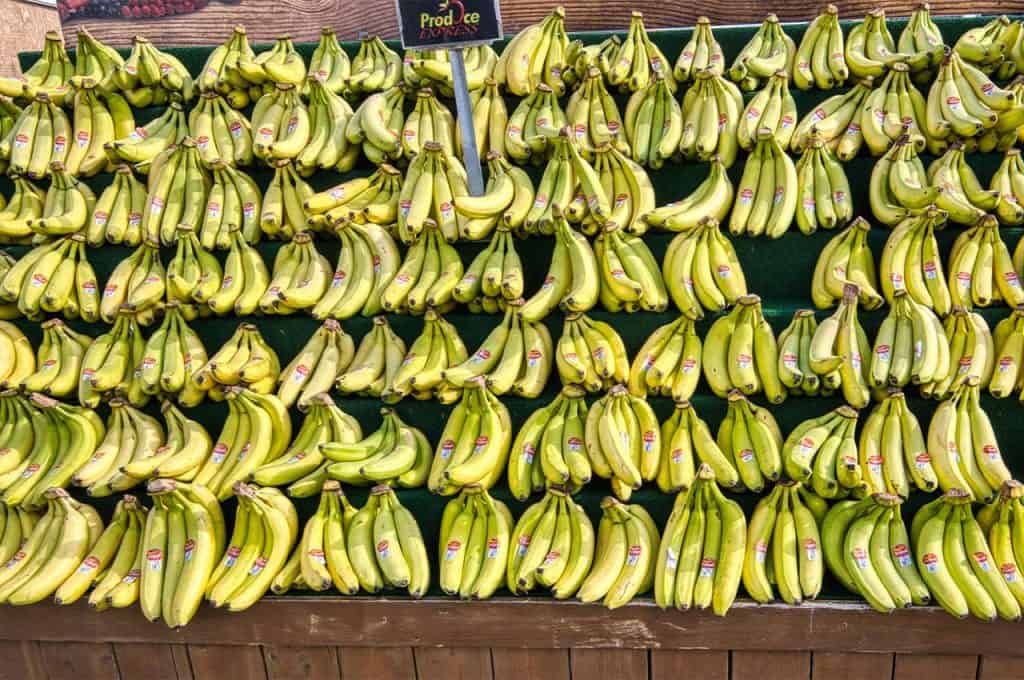
Grocery store employees know that bananas hold clues to their ripeness, thanks to a color-coded system that might just influence your selection. You'll often notice their peels ranging from vibrant yellow to spotted brown. This is no accident; stores strategically sort them to ensure steady sales throughout the week. Selecting the right banana depends on your needs: go for bright yellow if they're for immediate use, while slightly green ones will ripen over days. Check for consistent color without blemishes to ensure quality.
The Musical Mind Control System

The music playing in grocery stores isn't just background noise; it's a calculated tool to nudge customers' purchasing behavior. Upbeat tunes can subconsciously uplift your mood, potentially increasing your time spent shopping and your willingness to buy. Slower melodies, on the other hand, may encourage a more relaxed pace, leading you to browse longer and possibly purchase more. As a shopper, being aware of these audio cues can help you take control of your pace and purchase decisions, ensuring your visit stays within budget and on track.


