
Mediterranean Pantry Essentials: Your Guide to Heart-Healthy, Flavor-Packed Eating
The Mediterranean diet isn’t just a way of eating—it’s a celebration of fresh, wholesome ingredients that happen to be incredibly good for you! Rooted in the traditional cuisines of countries like Greece, Italy, and Spain, this lifestyle emphasizes vibrant produce, heart-healthy fats, lean proteins, and bold herbs and spices that make every meal a delight. The best part? You don’t need to overhaul your entire kitchen to get started. By stocking a few key pantry staples—from extra virgin olive oil to whole grains and fresh fish—you can create countless delicious, nutritious meals that nourish both body and soul. Whether you’re looking to improve heart health, boost energy, or simply enjoy more flavorful cooking, the Mediterranean approach offers a sustainable and satisfying path to wellness!
Ready to transform your kitchen into a Mediterranean haven? We’re talking about olive oil—the liquid gold that forms the foundation of countless dishes—along with omega-3-rich fish like salmon and sardines that support heart and brain health. Don’t forget leafy greens packed with vitamins, fiber-rich whole grains like quinoa and farro, and protein-packed legumes that add heartiness to any meal. Fresh tomatoes bursting with lycopene, creamy Greek yogurt with its probiotic benefits, and a colorful array of nuts, seeds, and seasonal fruits round out this nourishing pantry. And let’s not overlook the power of herbs and spices—oregano, thyme, and rosemary—that add layers of flavor without extra salt or fat. With these essentials on hand, you’ll be well on your way to creating meals that are as delicious as they are healthful.
Olive Oil: Liquid Gold for Cooking

Olive oil is a cornerstone of the Mediterranean diet, renowned for its heart-healthy monounsaturated fats. Opt for extra virgin olive oil to maximize flavor and nutritional benefits. Its fruity, robust nature enhances salads, marinades, and sautéed dishes. Store it in a cool, dark place to preserve its quality. Drizzle over vegetables or use as a base for dressings to bring depth and richness to your meals.
Fresh Fish for Omega-3 Boost

Incorporating fresh fish like salmon, sardines, and mackerel provides essential omega-3 fatty acids, vital for heart health. Aim for fatty fish twice a week, grilling, baking, or poaching them to retain nutrients and moisture. Pair with lemon, herbs, and olive oil for a simple yet flavorful dish. This focus on fish offers a delicious, versatile protein source to enhance your Mediterranean-inspired menu.
Leafy Greens: Nutrient Powerhouses
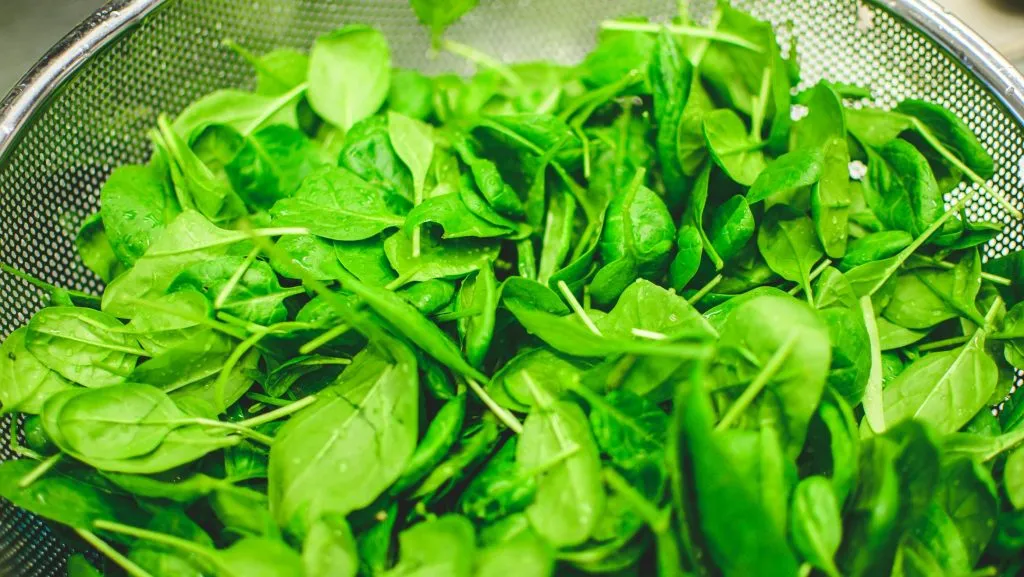
Leafy greens such as spinach, arugula, and kale are integral to the Mediterranean diet, offering vitamins A, C, and K, along with antioxidants. Their versatility allows them to be enjoyed fresh in salads, blended into soups, or sautéed as a side. Incorporating these greens adds texture and a vibrant splash of color to your meals, ensuring you reap the maximum nutritional benefits from your dishes.
Whole Grains: Fiber-Rich Staples

Whole grains like quinoa, farro, and bulgur are mainstays in the Mediterranean diet, providing a hearty source of fiber. They offer a satisfying, nutty flavor that complements rich vegetables and proteins. Experiment with these grains as a base for salads, stews, or even breakfast bowls. Their chewy texture and nutritional profile make them an indispensable part of a balanced, health-focused diet.
Tomatoes: Juicy Red Antioxidants

Tomatoes are a cornerstone of the Mediterranean diet, celebrated not only for their vibrant color but for their health benefits. High in antioxidants like lycopene, they add acidity and a touch of sweetness to dishes. Opt for vine-ripened or heirloom varieties for the best flavor. To enhance their natural sweetness, roast tomatoes with olive oil, garlic, and herbs. This method concentrates their flavors, making them perfect for sauces, salads, or simply as a savory addition to bruschetta.
Nuts and Seeds for Healthy Snacks

Nuts and seeds provide essential nutrients and healthy fats, making them ideal snacks on the Mediterranean diet. Almonds, walnuts, and pistachios are popular choices, offering different textures and flavors. Lightly toast them to unlock their oils and enhance their taste, but do so gently to preserve their nutritional value. Use seeds like chia and flax to add crunch to salads or yogurt, benefiting from their high fiber and omega-3 content. Combine various nuts and seeds in homemade trail mixes for a convenient, satisfying snack.
Legumes: Protein-Packed Beans

Legumes such as chickpeas, lentils, and cannellini beans are protein-rich staples that fit seamlessly into Mediterranean meals. They offer a hearty texture and earthy flavor, making them versatile across a range of recipes. Simmer them with bay leaves and herbs to enhance their natural flavor, or mash them into dips like hummus. Soaking dried varieties overnight speeds up cooking time and improves digestibility. Integrate legumes into salads, stews, or soups, balancing them with bright, citrusy vinaigrettes or fresh herbs.
Fruits: Sweet Seasonal Delights

Fresh fruits are a delightful component of the Mediterranean diet, offering natural sweetness and hydration. Highlight seasonal choices such as figs, berries, and citrus fruits to maximize flavors and nutritional benefits. When selecting fruits, aim for those with vibrant colors and firm textures. Incorporate them into meals as snacks, desserts, or salads, complementing savory dishes with their fresh, juicy appeal. A simple fruit salad with a drizzle of honey or a sprinkle of mint can elevate your palate and provide essential vitamins.
Greek Yogurt: Creamy and Probiotic

Greek yogurt is valued for its creamy texture and probiotic properties, making it a staple in Mediterranean cuisine. Its thick consistency develops from straining, which also intensifies its protein content. Use it as a base for dressings or tzatziki, balancing its tartness with olive oil or lemon juice. Enhance yogurt’s natural flavor with honey, nuts, or fruits for a nutritious breakfast or snack. Opt for plain varieties without added sugars to maintain its health benefits and allow your additions to shine.
Herbs and Spices: Flavorful Additions

Dried oregano, thyme, and rosemary are cornerstones of the Mediterranean pantry, each adding a distinct character to your dishes. Oregano offers a peppery edge, perfect for tomato-based sauces or marinades. Thyme’s subtle earthiness complements roasted vegetables and grilled meats. Allow rosemary to infuse oils or roasted potatoes with its piney aroma.
