
How Instant Foods Defined Busy Generations
Instant foods have revolutionized how we approach meals amid bustling schedules. Widely loved for their speed and ease, they have become staples, catering to the demands of time-pressed generations. This transformation in culinary habits has reshaped how we perceive cooking, with convenience now often synonymous with the kitchen experience. Understanding this shift offers insight into how these quick-prep solutions have come to dominate home kitchens, offering a fascinating glimpse into modern dining trends.
The Birth of Convenience

The inception of instant foods marked a pivotal moment in culinary history. Emerging in the mid-20th century, these ready-to-eat products catered to an increasing need for efficiency in meal preparation. Developed through advancements in food preservation and processing technologies, these products made it possible to enjoy a warm meal without extensive prep time. This innovation provided families with a reliable way to balance nourishing meals with life’s accelerating pace, forever changing expectations of meal prep simplicity.
Post-War Innovation: TV Dinners
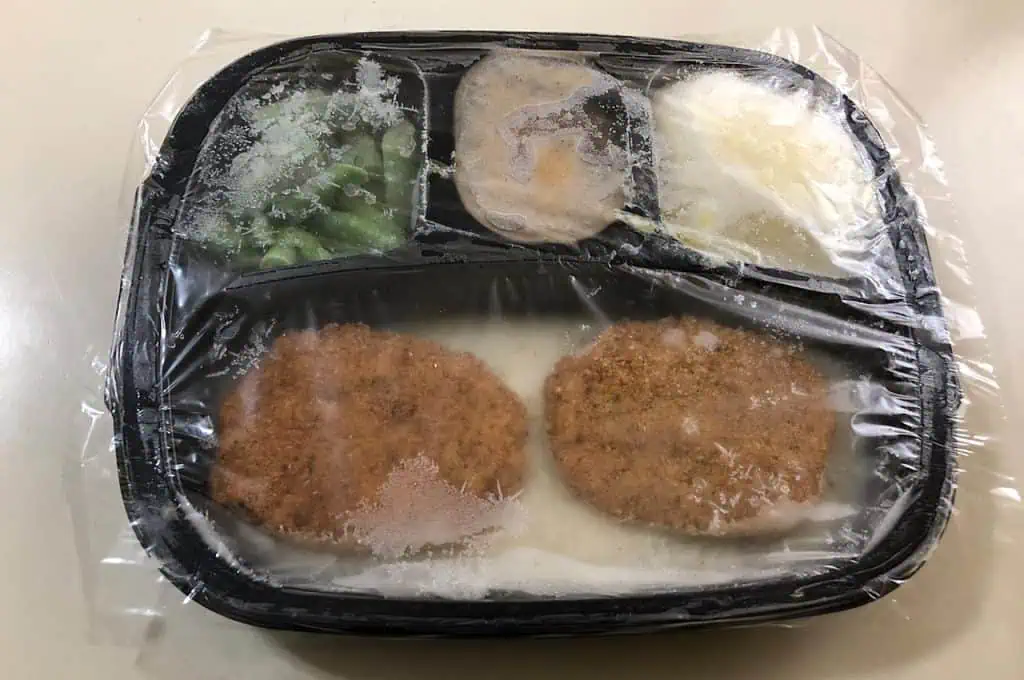
TV dinners appeared in the 1950s as a post-war innovation, quickly captivating American households. These pre-packaged meals offered a novel dining solution with their simple heat-and-eat promise. Unlike traditional home-cooked meals, TV dinners required minimal effort, freeing up time for busy families. Packaged in compartmentalized trays, they brought both convenience and variety to the table, reflecting the era’s burgeoning fascination with modernization and efficiency. This shift underscored a cultural move towards streamlined living, influencing generations to come.
Instant Noodles: Global Phenomenon

Instant noodles have achieved global acclaim, offering a comforting meal in minutes. Originating in Japan in the late 1950s, they quickly spread worldwide due to their affordability, ease of preparation, and adaptability. With merely a hot water pour, they transform into a savory delight. Their versatility transcends cultures, allowing for endless variations by adding proteins or vegetables. This adaptability has ensured their enduring popularity, positioning them as a staple for students, professionals, and families alike, all seeking quick, satisfying nourishment.
Microwave Culture and the ’80s Boom

The 1980s were defined by the microwave’s entrance into everyday kitchens, sparking a boom in instant foods. This technology allowed for even faster meal preparation, aligning perfectly with the era’s dynamic lifestyle. Frozen meals, quick-bake snacks, and microwave-safe dishes all thrived during this period. The microwave’s rapid cooking significantly altered meal planning, making it possible to deliver nutritious meals without compromising on time. This shift underscored society’s increasing reliance on technology, further embedding instant foods into daily routines.
Instant Foods: Fuel for the Hustle
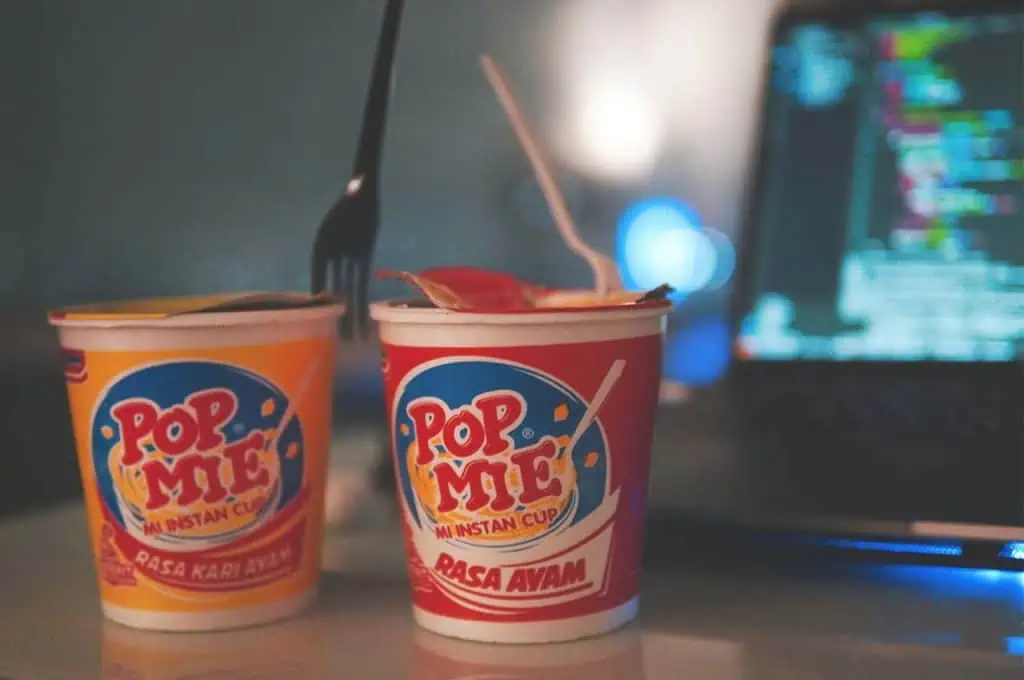
Instant foods have become synonymous with modern efficiency, catering to the fast-paced lives of busy individuals. Products like instant noodles and microwavable meals provide quick solutions that fit into tight schedules. While their preparation requires minimal effort, understanding the nuances, such as the right water-to-noodle ratio or precise microwaving time, can elevate the eating experience. These convenience foods offer textures from crunchy noodles to creamy soups, designed to deliver maximum flavor with minimal fuss, proving indispensable in our time-crunched world.
Family Kitchens: Moving from Scratch

As family dynamics evolved with busier lifestyles, cooking from scratch fell out of favor. Instant foods took precedence, providing time-saving alternatives without sacrificing too much of the homemade feeling. It’s crucial to acknowledge these shifts while finding balance; integrating fresh herbs or a splash of citrus can enhance even the most basic prepared meal. By proactively incorporating fresh ingredients, families can maintain nutrition and add personal flair, thus reviving a touch of the traditional homemade experience within the constraints of limited cooking time.
Health Concerns and Critique

The rise of instant foods brought with it increased scrutiny over nutritional content, particularly regarding preservatives, sodium, and artificial additives. While convenient, these elements may pose health risks when consumed frequently. Opting for versions labeled low-sodium or preservative-free and adding fresh vegetables can mitigate some concerns. Being informed about ingredient lists and nutritional information empowers consumers to make healthier choices, turning convenience into an ally rather than a dietary pitfall. Awareness and moderation go hand in hand for the health-conscious cook.
Reinvention: Gourmet and Meal Kits
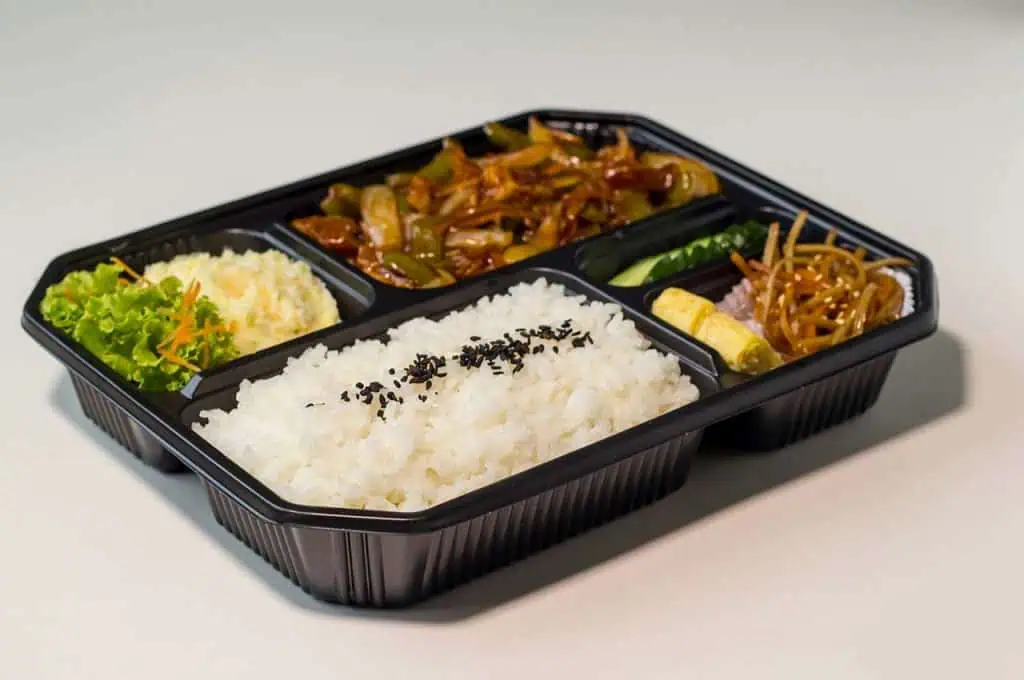
The landscape of convenience foods has shifted with the introduction of gourmet instant options and meal kits, catering to those desiring quality alongside convenience. Brands are innovating by offering artisanal flavors and high-quality ingredients, transforming simplistic meals into delightful culinary experiences. Meal kits provide pre-measured ingredients with easy-to-follow instructions, combining the ease of instant foods with the satisfaction of cooking. These offerings give busy cooks an edge, allowing them to explore and enjoy culinary creativity without compromising on time or taste.
