
10 Essential Legumes From Around the World

Legumes offer an essential repertoire of textures and flavors, celebrating cuisines from around the world. Versatile and nutrient-rich, they adapt seamlessly into various dishes across cultures, providing proteins alongside fibers and complex carbohydrates. Understanding and mastering these legumes can elevate your culinary creations, inviting vibrant global tastes into your kitchen.
Black Beans: A Taste of Latin America

Black beans are a staple in Latin American cuisine, recognized for their velvety texture and earthy sweetness. Perfect for hearty stews and soups, they enrich dishes like feijoada or black bean soup. To achieve optimal texture, soak them overnight and simmer slowly with bay leaves and garlic, allowing the flavors to meld harmoniously. A squeeze of lime juice at the end enhances their depth, bringing a citrus brightness that nicely complements their rich profile.
Chickpeas: More Than Just Hummus
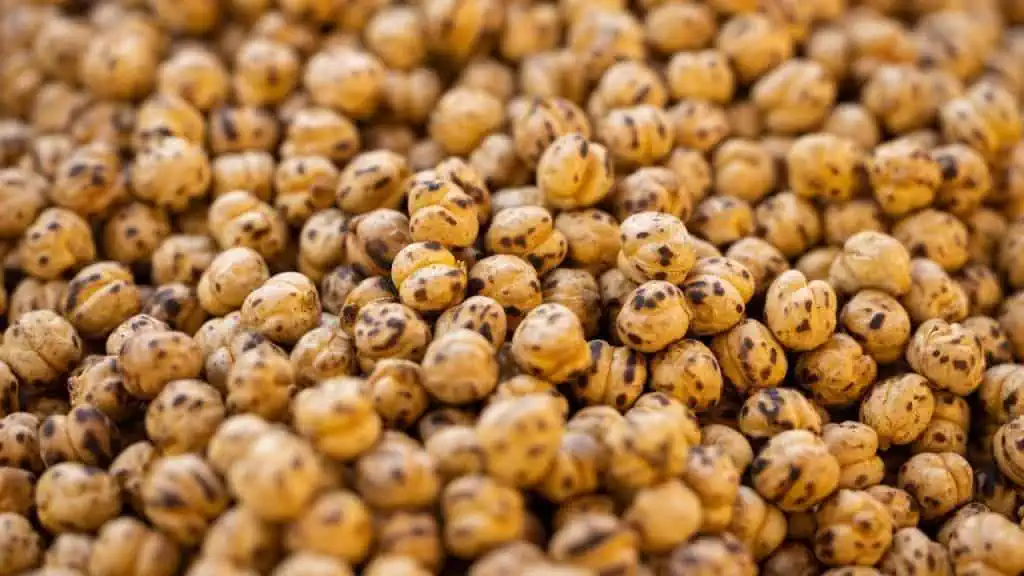
Chickpeas, or garbanzo beans, transcend beyond their familiar role in hummus. Their firm texture makes them ideal for roasting; toss with olive oil and spices before baking for a crispy snack or salad topper. For a smooth hummus, peel the skins by rubbing the chickpeas with a towel post-boiling. This small step ensures a creamy consistency. They're also perfect in stews or curries, absorbing surrounding flavors while maintaining structural integrity.
Lentils: The Lens-Shaped Nutritional Powerhouse

Lentils are renowned for their rapid cooking time and adaptability. Brown lentils suit hearty soups, while red lentils dissolve easily into curries, forming a creamy base. Rinse them to remove debris and cook with aromatics like onions and garlic for enhanced flavor. They're naturally meaty, making them an excellent meat substitute in dishes like shepherd’s pie. Garnish with fresh herbs such as parsley or cilantro to add freshness and color.
Pinto Beans: The Speckled Delight

Pinto beans are cherished for their creamy texture and nutty flavor, especially prevalent in Southwestern and Mexican cuisines. Essential in refried beans, they take on a smooth consistency when mashed. Pre-soaking shortens cooking time, ensuring even softness. Incorporate them into burritos or soups, where they absorb spices effectively. A traditional approach sees them paired with cumin and chili powder, which complement their mild taste, enhancing every bite.
Kidney Beans: A Chili's Best Friend
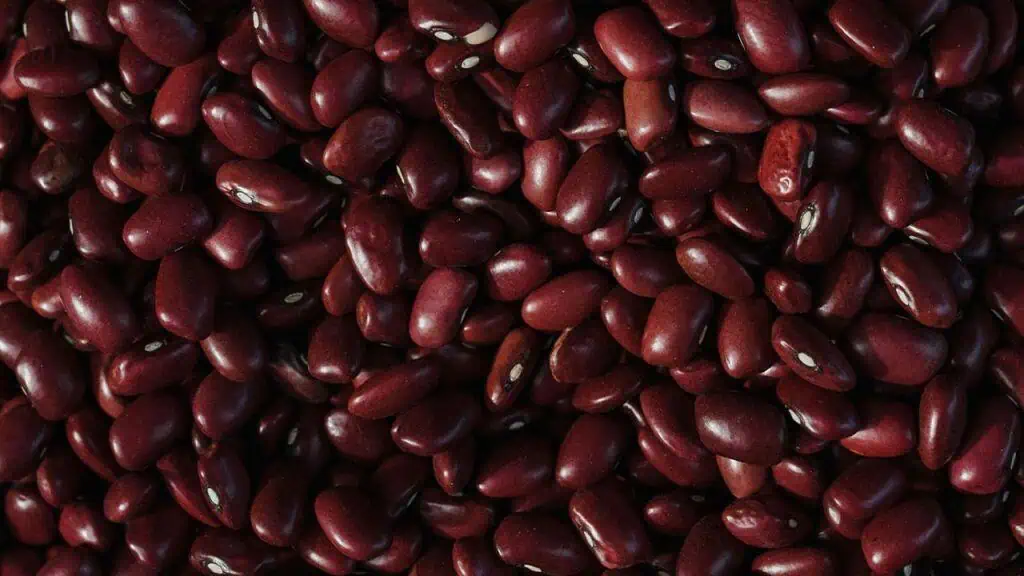
Kidney beans are robust and absorb flavors beautifully, making them ideal for chili. When preparing, soak dried beans overnight to ensure even cooking and enhanced digestibility. Rinse them thoroughly before simmering with aromatic spices like cumin and chili powder. As they cook, their starchy texture melds seamlessly with meat and vegetables. For the best flavor, allow them to simmer slowly, letting them soak up all the essence of the dish, providing a hearty, satisfying bite that complements any robust spicy sauce.
Navy Beans: The Sailor's Staple

Navy beans are small, oval legumes that become creamy yet hold their shape during slow cooking. Often used in soups and stews, they require an overnight soak followed by gentle simmering. Their subtle flavor makes them the perfect base for a garlic and thyme-infused broth. To enhance their creaminess, cook them with a low and slow approach. Proper seasoning will elevate their taste, while the tender texture will add elegance to any dish, making them a comforting staple for a reason.
Green Peas: Fresh, Sweet, and Versatile
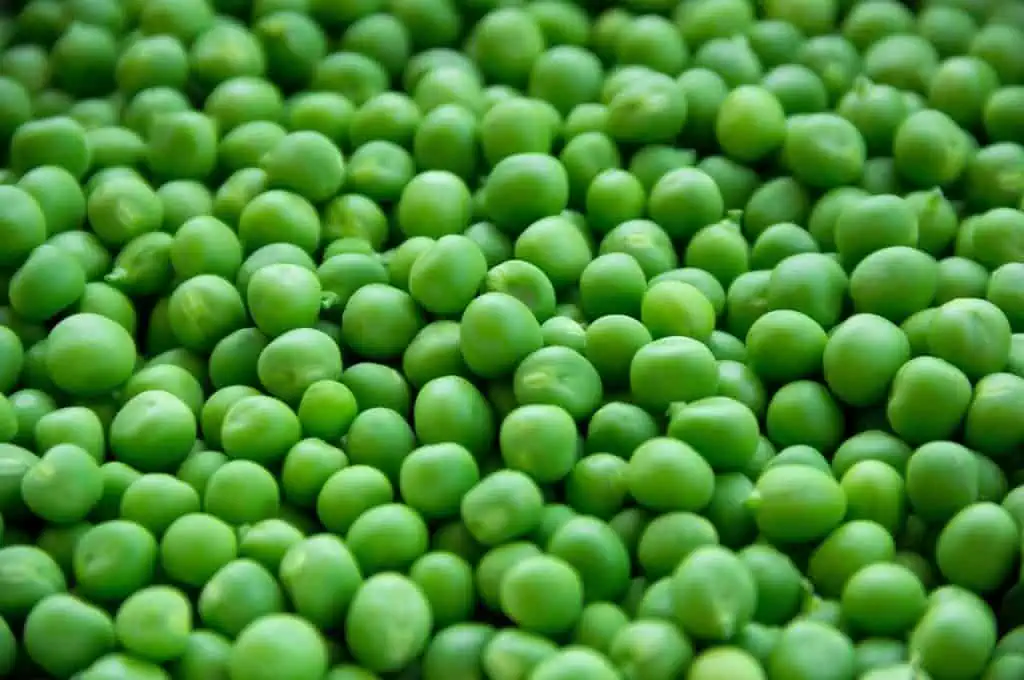
Green peas offer a burst of sweetness and vibrant color to any dish. Fresh or frozen, they quickly cook in a matter of minutes. A simple blanching in salted water preserves their bright hue and tender bite. Pair them with mint or lemon zest for a refreshing side dish or purée them into a smooth, savory soup. Their natural sweetness and versatility allow them to shine in pasta dishes or serve as a delicate garnish. Choose plump peas for the best flavor and texture.
Lima Beans: The Creamy Delight

Lima beans, both fresh and dried, are smooth and buttery when cooked. Before cooking dried limas, soak overnight to soften. Simmer in salted water with bay leaves for aromatic depth. Their mild flavor pairs well with rich ingredients like bacon or olive oil. As they soften, they develop a creamy texture that complements both traditional and modern recipes. Ideal for hearty stews or salads, they're a rich source of nutrients, adding substance and smoothness to any meal.
Black-Eyed Peas: Southern Comfort

Black-eyed peas are earthy and firm, famed in Southern cooking for their role in hoppin' john and other comforting dishes. They cook rapidly compared to other legumes, needing only a quick soak to prepare. Simmer with smoked ham hocks and spices like cayenne for depth and warmth. The firmness of black-eyed peas allows them to retain their shape, ensuring a delightful contrast in textures. Serve them over rice for a complete meal, capturing the essence of Southern comfort food.
Soybeans: The Global Protein Source

Soybeans are revered for their versatility and rich nutritional profile, acting as a key protein source globally. To prepare them, begin with dried beans; soak overnight to ensure even cooking. Boil them in salted water until tender, approximately 90 minutes. For a classic Asian approach, ferment them into tempeh or tofu, utilizing their subtle, nutty flavor as a base. Stir-fry them with garlic and ginger to create a simple, savory dish. Incorporating soybeans into soups and stews adds depth and essential nutrients, enhancing both taste and texture seamlessly.


