
20 Nut Varieties Everyone Should Know
Understanding diverse nut varieties enhances culinary experiences and nutrition. Each type offers unique flavors and applications, making them essential for flavorful creations. Beyond taste, nuts add texture and depth to dishes, introducing healthy oils and nutrients. This guide explores 20 nut varieties, focusing on their distinctive characteristics and uses, starting with four versatile selections. Dive into these profiles to elevate your cooking and broaden your appreciation of these culinary gems.
Peanuts: The Versatile Legume

Peanuts, technically legumes, are prized for their remarkable versatility. They impart a rich, creamy texture and nutty flavor that complements both savory and sweet dishes. Roast them to enhance their earthy notes or use them raw in sauces and confections. High in protein and healthy fats, peanuts can transform into butter, oil, or a crunchy topping. Their adaptability makes them a favored choice in global cuisines, from Asian stir-fries to classic American peanut butter.
Walnuts: Brain-Shaped Delights

Walnuts stand out for their distinctive flavor, marrying slight bitterness with a buttery finish. Their signature brain-like shape provides a satisfying crunch in salads, baked goods, and sauces. Toast walnuts to deepen their taste, bringing out their warm, fragrant oils. Rich in omega-3 fatty acids, they’re a nutritious choice that adds elegance to dishes. Combine them with cheeses, fruits, or grains to elevate both everyday and special-occasion meals.
Black Walnuts: Bold and Earthy

Known for their robust, earthy flavor, black walnuts are a unique culinary asset. Their bold taste is more intense than regular walnuts, ideal for adding depth to savory recipes or balancing sweetness in desserts. Incorporate them into creams, cakes, and hearty salads where their assertive character shines. When cooking, pair with strong flavors like blue cheese or dark chocolate to match their rich profile. A small amount can transform a dish with its distinctiveness.
Hazelnuts: The Nutty Sweetheart

Hazelnuts, with their sweet, buttery essence, are a favorite in both confections and savory dishes. Toast or roast them to unlock their full potential, enhancing their aroma and crunch. Perfect for baking, they blend seamlessly into cookies, cakes, and pralines, while also providing texture in salads and roasted vegetable dishes. Hazelnuts pair wonderfully with chocolate, coffee, and fruits, making them a versatile choice for experimenting with sweet-savory combinations.
Cashews: The Creamy Crescent

Cashews, with their distinct crescent shape and buttery texture, are more than just a snack. They shine in creating creamy sauces thanks to their rich, natural fats. To make a vegan cream base, soak raw cashews in water for a few hours. Blend them with a bit of lemon juice, garlic, and nutritional yeast for a luscious sauce. Cashews are also perfect for stir-fries; their toasty flavor enhances the dish when lightly roasted before adding. Use them in desserts too, where their subtle sweetness complements ingredients like chocolate and coconut.
Pecans: The Southern Staple
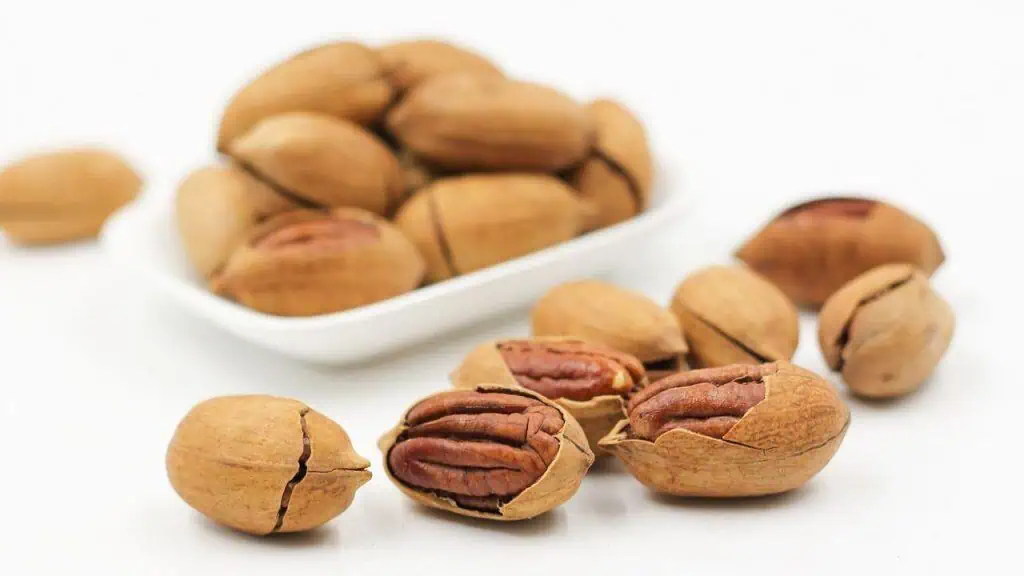
Pecans are renowned for their rich nuttiness, often celebrated in iconic desserts like pecan pie. Yet, their appeal extends beyond sweets. For an outstanding homemade granola, toast pecans with oats, honey, and a sprinkle of cinnamon. Their buttery flavor works wonders in savory dishes as well; chop and add them to a fresh herb crust for chicken or fish to introduce a luscious, nutty crunch. Consider using them in stuffing blends or salads where their texture and taste provide depth and complexity.
Brazil Nuts: Selenium Powerhouses

Brazil nuts are noted for their high selenium content, an important mineral for health. With a robust, earthy flavor, they add depth to both sweet and savory dishes. When chopped finely, they serve as a wonderful base for crusts on desserts like tortes or cheesecakes. In savory applications, incorporate Brazil nuts into a homemade pesto, blending them with fresh basil and parmesan to add unique richness. Try sprinkling them over roasted vegetables where their crunchy texture contributes a pleasant contrast.
Pistachios: The Green Jewel

Pistachios, with their vibrant green hue and slightly sweet taste, elevate many culinary creations. Use them to craft a stunning pesto by blending with basil, olive oil, and lemon zest, which pairs beautifully with pasta or roasted meats. For a striking presentation, crust meats or tofu with ground pistachios mixed with herbs. Their color and flavor also enhance desserts, from pistachio ice cream to a garnishing crunch on cookies. A handful tossed into salads provides both visual appeal and a nutty depth.
Pine Nuts: Tiny Powerhouses

Pine nuts, small yet potent, are packed with buttery flavor, making them an essential in many Mediterranean dishes. Toasting them briefly enhances their nuttiness and is perfect for adding to salads or pasta. For classic pesto, they provide a smooth, creamy base when combined with fresh basil, garlic, and parmesan. Their delicate flavor complements roasted vegetables, especially when tossed in shortly before serving to avoid burning. Use them in baking, where their soft texture enhances scones and muffins.
Candle Nuts: Culinary and Cosmetic Uses

Candle nuts, resembling macadamia nuts, bring richness to various dishes, particularly in Southeast Asian cuisine. They are often ground into pastes, adding a creamy texture and subtle flavor to curries and sambals. Due to their high oil content, caution is needed; they can become bitter if overcooked. Beyond the kitchen, candle nut oil is valued for its moisturizing properties, often used in hair and skin care products. While not commonly eaten raw, they shine when toasted or cooked, lending both depth and utility.
Macadamia: Creamy and Rich
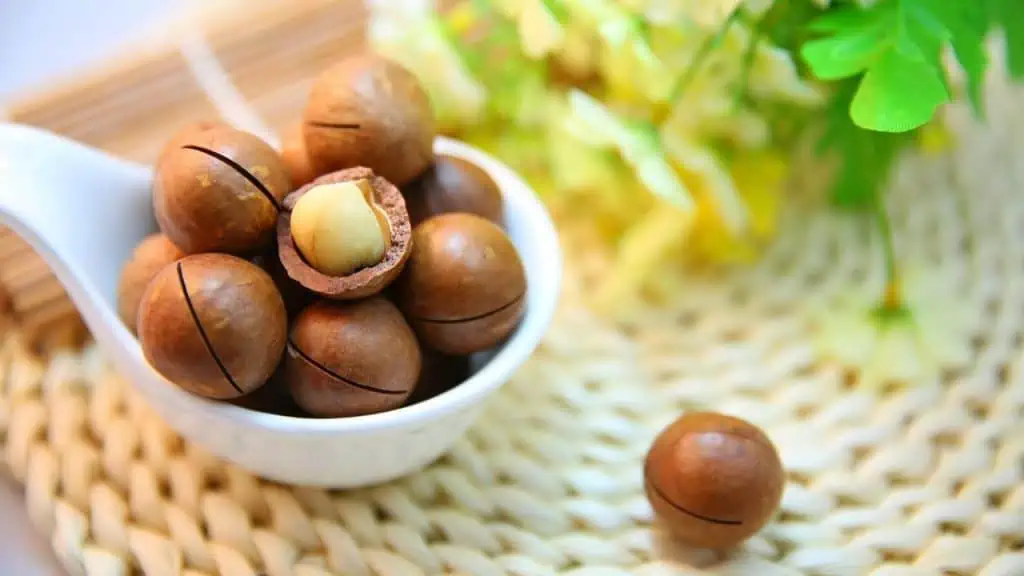
Macadamia nuts are celebrated for their buttery texture and subtle sweetness. Ideal for baking, their rich profile elevates cookies and cakes, while chopped nuts provide a delightful crunch to salads and crusts for meats or fish. Toasting them enhances their natural oils, intensifying their flavor. Consider using macadamia oil in dressings or drizzles; its high smoke point makes it excellent for sautéing. Opt for shelled nuts to maintain freshness, storing them in a cool, dry place to preserve their delicate qualities.
Almonds: The Nutritional All-Rounder

Almonds boast versatility, from raw snacking to almond milk production. Packed with fiber, vitamin E, and healthy fats, they’re a nutrient powerhouse. Easily incorporated into savory and sweet applications, they add texture and flavor to dishes. Toasted almonds create a deeper, nuttier profile, perfect for garnish or inclusion in granolas. Ground almonds form a gluten-free alternative in baking. Over blanching can dull their flavor, so quick dry roasting preserves their subtlety. Keep almonds in airtight storage to maintain their freshness.
Marcona Almonds: Spanish Delicacy

Marcona almonds, often dubbed the “Queen of Almonds,” are native to Spain and renowned for their plump, smooth texture. Typically fried in olive oil and lightly salted, they offer a luxurious, mild flavor profile distinct from traditional almonds. Pair them with cheeses or charcuterie boards for a delightful contrast. Their softer nature makes them excellent in pastes, complementing sauces or as a garnish over roasts. Marcona almonds retain their exquisite taste when stored properly, ensuring they remain a premium choice for refined palates.
Pili Nuts: Exotic Filipino Treat

Pili nuts are creamy, nutrient-rich, and predominantly grown in the Philippines. A rare find in many areas, these nuts offer a unique, buttery flavor when raw, becoming sweet and savory when roasted. Incorporate pili nuts into energy bars or use them to make luscious nut butter. Toast them gently to highlight their subtle undertones without overpowering them. Their high oil content means quick consumption after opening is ideal. Store them in a cool environment to keep their texture unchanged, and as a delightful, exotic snack.
Chestnuts: The Holiday Favorite

Chestnuts, with their starchy sweetness, are cherished for their role in festive dishes. To unlock their flavor, score the skin with an “X” before roasting to prevent them from bursting. Roast at 425°F for about 20 minutes, then let them steam under a towel for easy peeling. Their creamy texture complements stuffings and soups, or try them pureed with butter for a velvety spread. Opt for fresh, firm chestnuts to avoid moldy surprises and revel in their subtle, nutty allure.
Ginkgo Nuts: Ancient Asian Nut

Ginkgo nuts boast a mild, sweet flavor and chewy texture that enhance many Asian dishes. To prepare, gently crack the shell and boil the nuts for 10 minutes until the inner skin loosens. Toast them briefly in sesame oil for a fragrant touch. They’re ideal in congee or as a garnish for savory stir-fries. Note that their aroma can be pungent, but proper preparation reveals a delicate, nutritious treat cherished for millennia across Asia.
Coconuts: More Than Just a Nut

Coconuts provide versatile ingredients, from creamy milk to crisp flakes. To open a coconut, pierce the eyes to drain the water, then crack the hard shell with a hammer. The meat can be shredded for desserts or blended into coconut milk. Toast the flakes for enhanced nutty flavor. Coconut oil, known for its high smoke point, is excellent for frying. Each component of the coconut adds rich flavor and tropical flair to both sweet and savory recipes.
Acorns: Forgotten Forager’s Food

Acorns, once a staple in indigenous diets, require careful preparation to become edible. Remove tannins by leaching overnight in water, changing frequently until the bitterness subsides. Once processed, acorns impart a mild, nutty flavor to flour, perfect for breads and pancakes. Roasted acorn meal adds depth to soups and stews. Foraging enthusiasts find acorns a rewarding, sustainable ingredient that connects them to ancestral culinary practices.
Baru Nuts: Brazilian Essentials

Baru nuts, native to the Brazilian savanna (Cerrado), are a lesser-known superfood gaining global attention. Despite their name, they’re actually seeds from the baru tree’s fruit, offering a rich, nutty flavor similar to a mix of peanuts and cashews. They’re packed with protein, fiber, magnesium, and antioxidants, yet lower in fat than most nuts. Studies suggest they may support heart health, aid digestion, and provide sustainable nutrition, as harvesting them helps preserve native ecosystems.
Betel Nuts: Cultural Chewables

Betel nuts hold a significant role across various Asian cultures, primarily used in social rituals and traditional practices. The nuts, typically dried or roasted, are often wrapped in a betel leaf with slaked lime and sometimes other flavorings, creating a culturally iconic chew. The preparation process highlights the importance of balancing each component’s texture and taste, as the lime activates the nut’s natural alkaloids, intensifying flavor and stimulating mild euphoria. When incorporating betel nuts at home, remember their unique flavor profile and potential stimulating effects. Use sparingly in recipes, perhaps finely chopped as a seasoning, or explore their role in cultural dishes to appreciate their unique place in culinary history.
