
A Beginner’s Guide to Slow Cooker Cooking: Everything You Need to Know

TL;DR:
A slow cooker is one of the easiest kitchen tools you’ll ever use. You add your ingredients, set it, and walk away. This guide covers how a slow cooker works, what to cook in it, which common mistakes to avoid, and how to get dinner on the table with almost zero effort. If you’re new to slow cooking, this is the only guide you’ll need to get started and actually love the results.
If you’ve ever come home after a long day and wished dinner was already done, a slow cooker is about to become your best friend. You’ve seen them at garage sales, probably spotted one collecting dust in your mom’s cabinet, and maybe even got one as a gift that’s still in the box. It’s time to actually use it.
Slow cooker cooking is one of the simplest cooking methods out there. No complicated techniques, no standing over a hot stove, and no culinary degree required. According to market research, the global slow cooker market is valued at over $2 billion in 2024 and continues to grow, and it’s easy to see why. People are cooking more at home, and they want meals that don’t make them work hard for it.
Whether you just picked up your first slow cooker or you’ve had one sitting in the corner for years, this guide will walk you through everything you need to know to get started and actually get great results.
What Is a Slow Cooker and How Does It Work?
A slow cooker is a countertop electric appliance that cooks food at a low temperature over a long period of time. It uses gentle, steady heat to transform basic ingredients into tender, flavorful meals.
According to the USDA Food Safety and Inspection Service, slow cookers operate between 170°F and 280°F. The direct heat from the pot, the long cooking time, and the steam trapped under the lid all work together to cook food safely and thoroughly. That combination also kills bacteria, which makes slow cooking a genuinely safe method for cooking meats and other proteins.
Most slow cookers have at least two settings: LOW and HIGH. LOW is great for all-day cooking, usually 6 to 8 hours. HIGH works better when you have 3 to 4 hours and need things done faster. Some newer models also have a WARM setting, but that’s just for keeping finished food hot, not for cooking. Don’t try to cook raw food on WARM.
If you want to go deeper on Instant Pot cooking, which uses a similar dump-and-go approach, be sure to check out our Instant Pot beef and rice recipe for another easy weeknight option.
What Size Slow Cooker Do I Need?
The right slow cooker size depends on how many people you’re feeding and what kinds of meals you plan to make.
For one or two people, a 2 to 3-quart cooker is plenty. For a family of four to six, a 6-quart model is the sweet spot, and it also works well for meal prepping. According to market data on slow cooker segments, medium-capacity slow cookers (3 to 7 quarts) make up more than half of total market sales, and that tracks with what most home cooks actually need.
One thing to keep in mind: the slow cooker needs to be filled at least halfway and no more than two-thirds full for safe and even cooking. If it’s too empty, the food can overcook or dry out. Too full, and it won’t heat evenly.
What Foods Cook Best in a Slow Cooker?
Slow cookers are ideal for tough, inexpensive cuts of meat and hearty vegetables. The low and slow cooking method breaks down tough connective tissue and collagen in meat, turning cheaper cuts into something melt-in-your-mouth delicious.
Great proteins for slow cooking include:
- Chuck roast and brisket
- Chicken thighs (they stay juicy; breasts can dry out)
- Pork shoulder and pork ribs
- Sausage, like kielbasa
Vegetables that hold up well include potatoes, carrots, onions, celery, and sweet potatoes. Softer vegetables like zucchini, peas, and spinach need to go in during the last 30 to 60 minutes so they don’t turn to mush.
Soups, stews, chilis, and pasta sauces are basically made for the slow cooker. Our slow cooker chicken and rice soup is a perfect example: 10 minutes of prep, and then the cooker does everything else. That’s the magic right there.
The Biggest Slow Cooker Mistakes Beginners Make
Most new slow cooker users make the same few errors, and fixing them instantly makes the food taste better. Here’s what to watch out for.
Lifting the lid too often. Every time you peek inside, the temperature inside drops 10 to 15 degrees, and it takes about 20 minutes to recover, according to Colorado State University Extension. That’s a lot of extra time added to your cook. Trust the process and keep the lid on.
Adding too much liquid. The slow cooker traps moisture, so liquid doesn’t evaporate the way it does in a pan on the stove. You need much less than you think. Start with about half the liquid you’d normally use in a stovetop recipe.
Using too little or too much food. Fill the cooker between half and two-thirds full. Less than that and the food overcooks. More than that and heat can’t distribute evenly.
Putting in dairy too early. Milk, cream, sour cream, and cheese will curdle and separate if they cook for hours. Add them in the last 15 to 30 minutes of cooking instead.
Using frozen meat. Always thaw meat before it goes into the slow cooker. Frozen meat takes too long to reach a safe cooking temperature, which can allow bacteria to grow. The USDA specifically recommends defrosting meat completely before slow cooking.
How to Layer a Slow Cooker Like a Pro
Layering your ingredients the right way makes a big difference in how everything cooks. It’s not complicated, but it matters.
Put the dense, slow-cooking vegetables on the bottom and around the sides first. Carrots, potatoes, and onions go there because they take the longest to soften and need the most heat. Then add your meat on top of the vegetables. Pour your liquid over everything last.
This layering method lets the root vegetables absorb flavor from the meat drippings while they cook. It also makes sure everything finishes at roughly the same time, so you’re not biting into a raw carrot when the chicken is perfectly done.
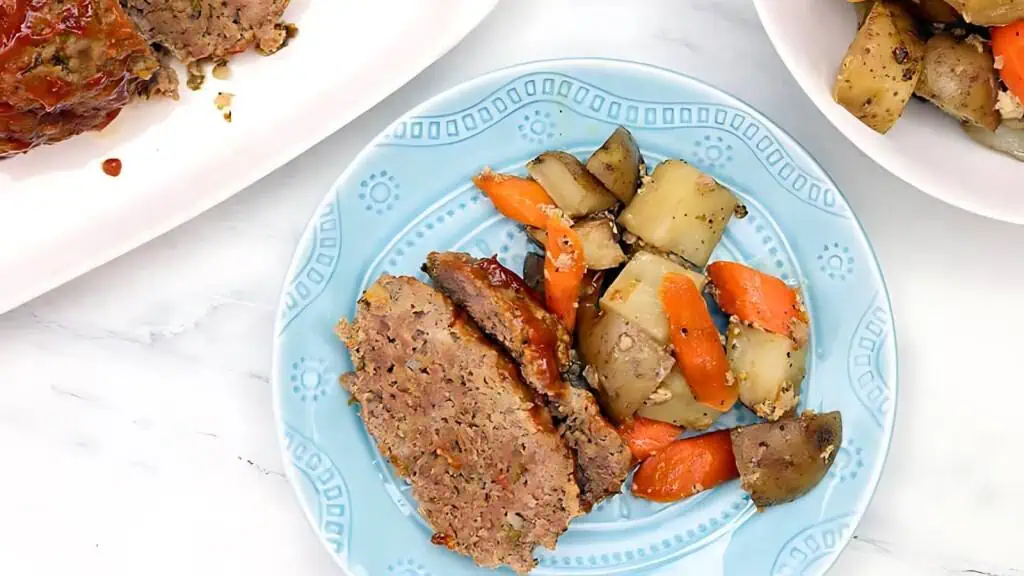
For something like our slow cooker meatloaf and potatoes, we put the potatoes around the edges of the slow cooker and the meatloaf right in the center. Simple layering, and you get a full dinner with almost no extra work.
Is It Safe to Leave a Slow Cooker On All Day?
Yes, it’s safe to leave a slow cooker unattended while you’re at work or running errands. That’s literally one of the biggest reasons people love them. The USDA confirms that slow cookers are a safe method for cooking foods, even for extended periods.
A few things to keep in mind for all-day cooking:
Keep everything refrigerated until right before you load the slow cooker. The cooker takes a while to heat up, so you don’t want bacteria getting a head start.
If the power goes out while you’re away, throw the food out when you get home, even if it looks fine. Food that was already done cooking when the power went out stays safe for up to two hours, but you won’t know which situation you’re in, so err on the side of caution.
Don’t reheat leftovers in the slow cooker. According to the University of Minnesota Extension, leftovers should be reheated on the stovetop or microwave until they reach 165°F before being transferred to the slow cooker to stay warm.
Easy Slow Cooker Recipes to Try First
Once you understand the basics, it’s time to actually cook something. Start simple and build from there.
For your very first recipe, try something with just a handful of ingredients. Our 5-ingredient slow cooker recipes collection is exactly where to start. Five ingredients, a slow cooker, and a few hours is all you need.
After that, soups and stews are the most forgiving recipes for beginners because there’s plenty of liquid, the ingredients are flexible, and the results are almost always delicious. Slow cooker chicken and rice soup, chili, and pot roast are classics for a reason.
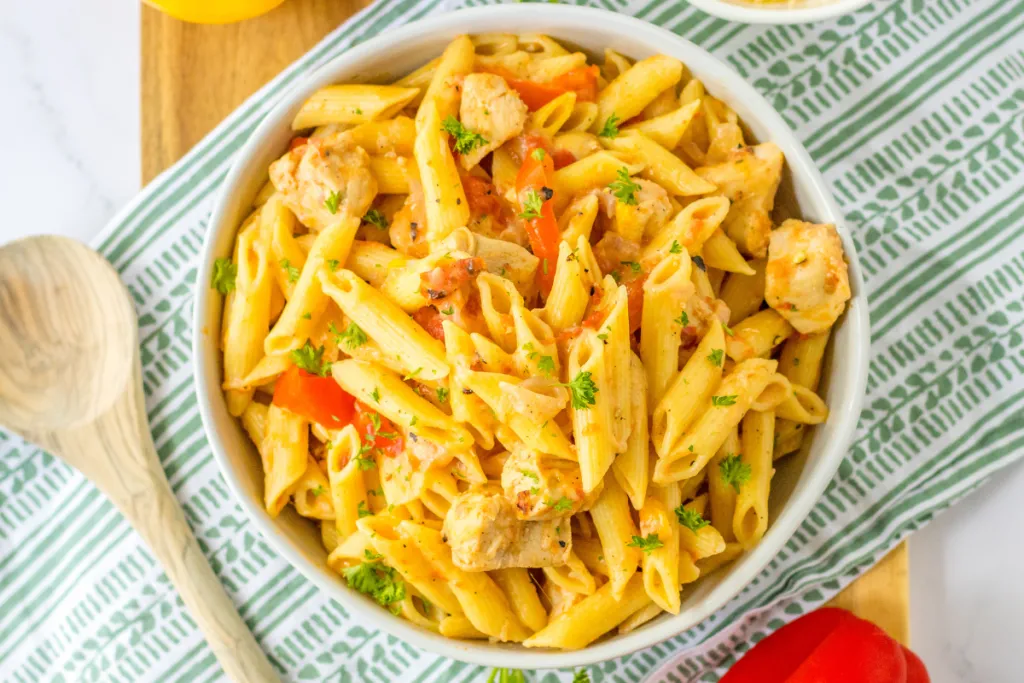
Once you’re more comfortable, try something with a sauce that thickens toward the end, like our slow cooker Korean beef or slow cooker Cajun chicken pasta. These take a tiny bit more attention at the finish, but the process is still mostly hands-off.
The slow cooker is one of those tools that rewards you for being a little lazy, honestly. You put in the work for five minutes in the morning, and dinner takes care of itself. That’s a trade I’ll take every single time.
My Final Thoughts!
Slow cooker cooking is genuinely one of the most beginner-friendly things you can do in the kitchen. It’s hard to mess up, it makes inexpensive ingredients taste like a million bucks, and the payoff is a hot, comforting meal waiting for you when you need it most.
Here are your three key takeaways: fill the slow cooker halfway to two-thirds full, keep the lid on while it cooks, and always thaw your meat before it goes in. Do those three things and you’re already ahead of the game.
If you’re ready to start cooking, browse our full collection of easy dinner recipes to find your next slow cooker meal. And if you want more tips, recipes, and kitchen ideas delivered straight to you, subscribe to the FoodnService newsletter and follow along on social media. We cook for big, busy, real families, and we want to make your life a little easier in the process.
Frequently Asked Questions
Yes, you can put raw chicken directly into a slow cooker, as long as it’s completely thawed first. The combination of heat and steam will cook it safely. According to the University of Minnesota Extension, poultry should reach an internal temperature of 165°F before serving. Chicken thighs work better than breasts in a slow cooker because they stay juicy through the long cook time.
Fill your slow cooker at least halfway and no more than two-thirds full. According to CSU Extension, this range ensures safe and even heat distribution. Too little food and the meal may overcook or burn. Too much food and it won’t heat through properly.
Yes, you can overcook food in a slow cooker, though it takes much longer than with other cooking methods. Chicken can become stringy and dry, and vegetables can turn to mush if left too long. Stick to the time range in your recipe and add delicate ingredients like dairy and soft vegetables in the last 30 minutes.
Most slow cooker recipes need at least some liquid, like broth, water, crushed tomatoes, or sauce. The liquid creates steam that helps everything cook evenly. However, you need far less liquid than you’d use on the stovetop because the slow cooker doesn’t allow evaporation the way an open pot does. Use about half the liquid called for in a traditional stovetop version of the same dish.
Yes, slow cookers are designed for unattended cooking and are considered safe for all-day use. The USDA Food Safety and Inspection Service confirms this. Just make sure all ingredients are completely thawed and refrigerated right up until cooking time. If the power goes out while you’re away, discard the food when you return home.
