
Shrinkflation Is Back: The 5 Everyday Foods Getting Smaller Without Warning
As of March 11, 2026, American shoppers are facing a frustrating phenomenon known as “shrinkflation.” While the prices on the shelf often remain stable, the volume of product inside the package is hitting an all-time low. This subtle tactic allows brands to maintain profit margins without triggering the “sticker shock” that comes with an obvious price hike. In 2026, this practice has evolved from a temporary cost-recovery method into a permanent retail strategy. Manufacturers are banking on the fact that most busy shoppers rarely check the net weight on familiar items. It is a hidden tax on your pantry that can drain your monthly budget by as much as 15% if you aren’t paying close attention.
The Coffee Bag “Vacuum” Trick
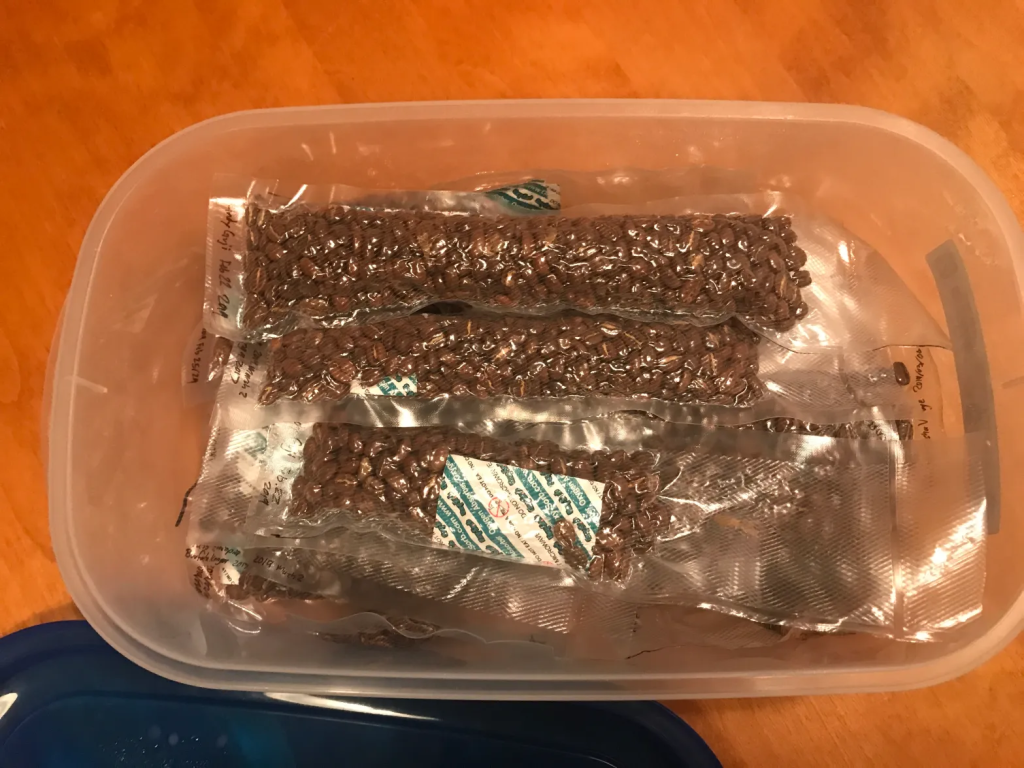
Coffee remains a primary target for 2026 shrinkflation. Leading brands like Folgers and Maxwell House have moved away from traditional 16-ounce cans toward vacuum-sealed bags that now contain as little as 9.6 ounces. Because the bags are sealed under high pressure, they appear full on the shelf, masking the fact that they contain nearly 40% less ground coffee than the original standard. In 2026, your morning “pound of coffee” has effectively become a half-pound luxury at a premium price point, forcing many habitual drinkers to ration their daily scoops.
The Diminishing Chocolate Bar
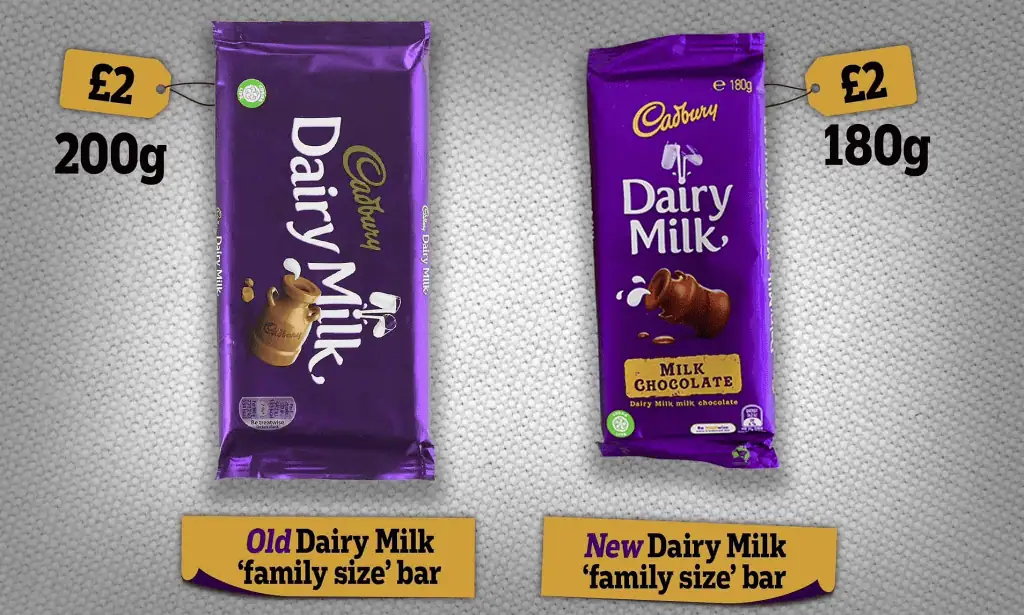
Confectionery giants are also cutting corners as the global cost of cocoa hits new highs in March 2026. Cadbury recently reduced its “Medium” Dairy Milk bars by 10%, dropping the weight from 200g to 180g while maintaining the same shelf price. Additionally, recent 2026 reports indicate that Easter favorites and holiday multipacks have shrunk by as much as 18% compared to last year. Manufacturers argue that these reductions are necessary to avoid “demand destruction” that occurs when the unit price of a small luxury becomes too high for the average shopper.
Snacks: The Air-to-Chip Ratio

The snack aisle is facing a “double-squeeze” of smaller bags and higher prices this month. Major potato chip brands have reduced “Party Size” bags from 17.5 ounces to 15 ounces, yet many stores have actually raised the price by 20% or more. In 2026, the cumulative effect of these changes means consumers are often paying 30–50% more per gram than they were just two years ago. This trend is driven by rising transportation and palm oil costs, which companies are passing directly to consumers through “stealth” packaging changes that are easy to miss during a busy shop.
Dairy and Staple Swaps

Shrinkflation is hitting the dairy case through both size reductions and “reformulation.” Brands like Kiri have reduced their cheese portions by over 11%, while other manufacturers are swapping expensive fats like butter for cheaper vegetable oils. In the frozen section, “mud cakes” and individual desserts have seen a noticeable reduction in diameter to maintain the sub-$10 price point. By the second week of March 2026, these micro-adjustments have become so common that several countries are now considering “shrinkflation laws” to force retailers to highlight these hidden volume drops on the shelf.
Condiments and Pantry “Indents”

Finally, pantry staples like condiments and baking mixes are undergoing a structural redesign. Many 2026 bottles now feature deeper “indents” or “punts” at the bottom, which reduce the total volume of sauces and oils without changing the outward appearance of the container. Popular cake mixes have shrunk from 432g to 375g, which can actually impact the outcome of traditional recipes that require a specific volume of dry ingredients. As 2026 progresses, the “unit price” has become the only reliable metric for shoppers to determine the true value of their grocery haul amidst these deceptive design shifts.
