
The Organic Food Industry Is a Scam – And How You’ve Been Paying for It for Years
The “Organic” seal has long been the gold standard for health-conscious shoppers, but in 2026, the industry is facing a massive credibility crisis. For years, consumers have paid premiums of 30% to 100% more for organic produce, believing they were buying safer, more nutritious food.
However, recent data suggests that the “Organic” label doesn’t always deliver on its promises. From the use of “natural” but toxic pesticides to the reality that nutritional differences are often negligible, the gap between marketing and science is wider than ever.
The “Organic Pesticide” Myth
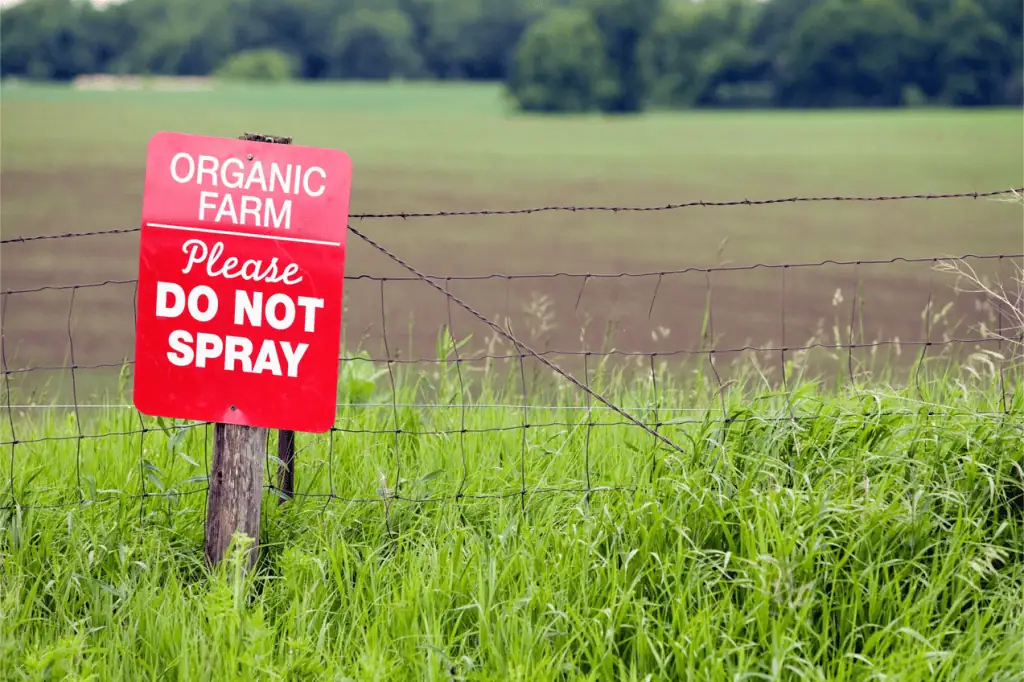
One of the most persistent misconceptions in 2026 is that organic farming uses zero pesticides. In reality, the USDA allows dozens of “naturally derived” synthetic substances and copper-based fungicides that can be just as environmentally taxing as conventional sprays.
While organic produce generally has lower levels of synthetic residue, it is not “chemical-free.” Many organic farmers rely on these permitted substances to save crops from pests, meaning you may still be ingesting residues despite the “100% Organic” sticker on your fruit.
The Great Nutritional Disparity
Multiple meta-analyses in 2026 confirm that the macronutrient and vitamin profiles of organic food are nearly identical to those of conventional options. You aren’t necessarily getting “more” Vitamin C or protein simply because the soil was organic.
The primary difference lies in antioxidants, which are often higher in organic plants because they must fight off pests without synthetic help. However, for the average consumer, these marginal gains rarely justify the massive price hike at the checkout counter, especially during 2026’s economic shifts.
Fraud in the Global Supply Chain
As the demand for organic food has skyrocketed, so has “organic fraud,” particularly in imported grains and oils. In early 2026, several major shipments of “organic” corn and soy were found to be conventional products mislabeled to command higher prices.
The complex web of international certifications makes it difficult for the USDA to verify every farm in real-time. This means that a significant portion of the premium you pay may go toward a fraudulent label rather than to a more sustainable farming practice.
Regenerative: The “Real” 2026 Standard
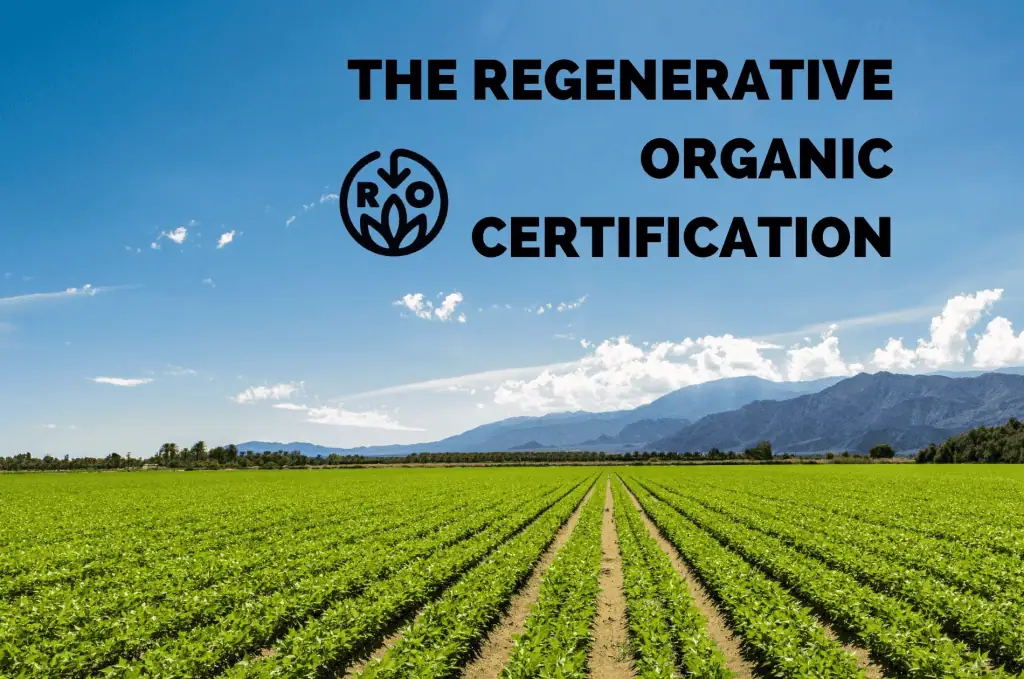
As the “Organic” label loses its luster, many 2026 shoppers are switching to Regenerative Organic certification. This newer standard focuses on actual outcomes, such as soil carbon sequestration and animal welfare, rather than just a list of banned chemicals.
Unlike basic organic rules, regenerative standards require farmers to actively improve the land’s health. For those truly concerned about the environment, this movement offers a more transparent and impactful way to vote with their dollars, moving past the “marketing tool” that the standard organic seal has become.
