
Same Name, Totally Different: 9 American Foods vs. Their U.K. Versions
Food names in the U.S. and the U.K. can sometimes be deceptively similar, masking significant differences in taste and composition. These variations reflect cultural preferences and regional ingredients. Understanding these distinctions enhances the culinary experience, offering insights into diverse flavor profiles. This exploration highlights how identical names can lead to unexpectedly different dining experiences, offering a richer appreciation for what makes American and British cuisines unique.
Skittles: A Rainbow of Differences

Skittles may appear universally fun and flavorful, yet the taste experience in the U.S. significantly differs from that in the U.K. In the U.S., Skittles have traditionally contained titanium dioxide (E171), an additive used to give the candies a bright, glossy finish. While approved for use in America, titanium dioxide has been linked to potential health risks, prompting the European Union to ban it in 2022. As a result, U.K. Skittles are made without it. Another key difference lies in flavor and coloring: the U.S. version includes artificial dyes and uses grape for the purple candy, while the U.K. swaps grape for blackcurrant and relies on plant-based colors. Both versions are now gelatin-free, but the U.S. formula still leans on corn syrup and artificial additives, whereas the U.K. uses more natural ingredients like fruit juice concentrates and avoids certain artificial dyes altogether.
Pop-Tarts: Flavors Across the Pond
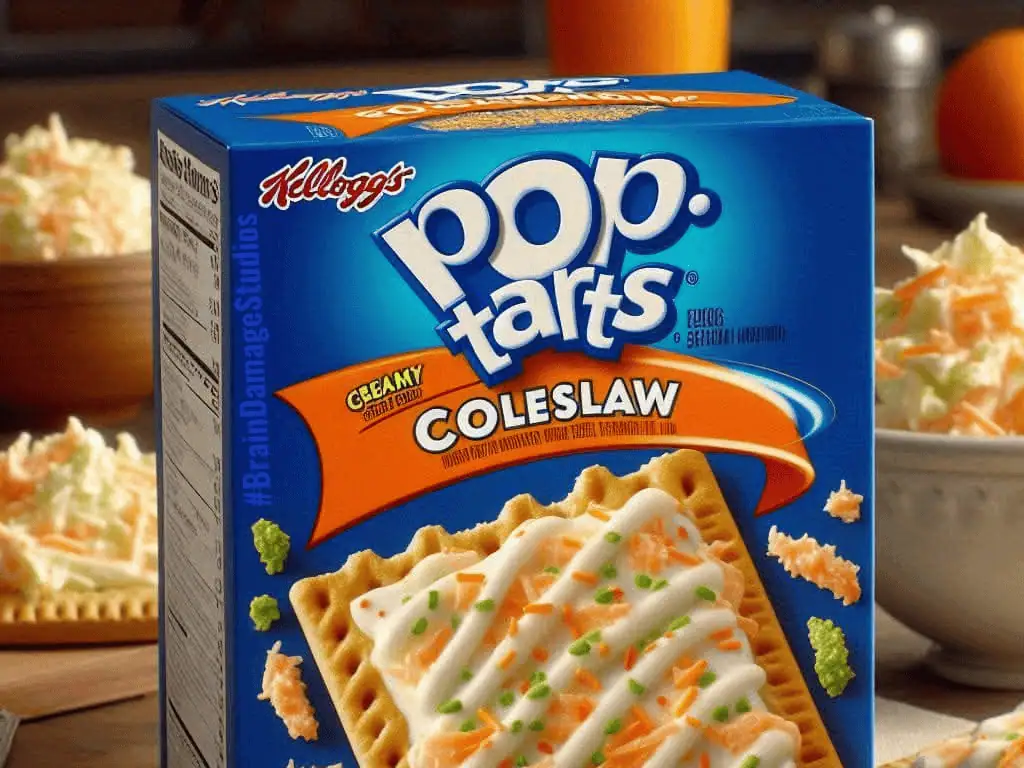
Pop-Tarts, beloved for their convenience and sweet indulgence, showcase different priorities in the U.S. and the U.K. In America, the focus is on bold, inventive flavors like “Cookies & Crème” and “S'Mores,” designed to excite the palate with intensity. In contrast, U.K. Pop-Tarts often embrace classic, refined flavors such as “Strawberry” or “Chocolate,” reflecting a subtler sweetness and a more conservative approach. In the U.S., Pop-Tarts frequently contain high fructose corn syrup, a sweetener that adds both bulk and sweetness, as well as artificial food dyes like Red 40, Blue 1, and Yellow 6 to give the pastries their vivid, eye-catching hues. In contrast, U.K. versions such as Strawberry Sensation omit these synthetic components—opting instead for more natural ingredients—reflecting stricter European standards and consumer preferences for cleaner-label products.
Coca-Cola: Classic with a Twist

In the United States, classic Coca-Cola has been sweetened with high-fructose corn syrup (HFCS) for decades—an ingredient chosen for its cost-efficiency and abundant domestic supply. By contrast, the U.K. version uses cane sugar (sucrose), avoiding corn-derived sweeteners entirely. Another difference lies in the coloring: both versions use Caramel Color (E150d), but U.S. Coke can contain higher levels of 4-methylimidazole (4-MEI), a manufacturing byproduct that has raised health concerns, as the FDA does not require warning labels. In the U.K. and EU, stricter regulations keep 4-MEI levels much lower. These differences give each version a subtly distinct taste and reflect the more rigorous ingredient standards applied in the U.K.
Fanta: Bursting with Variety
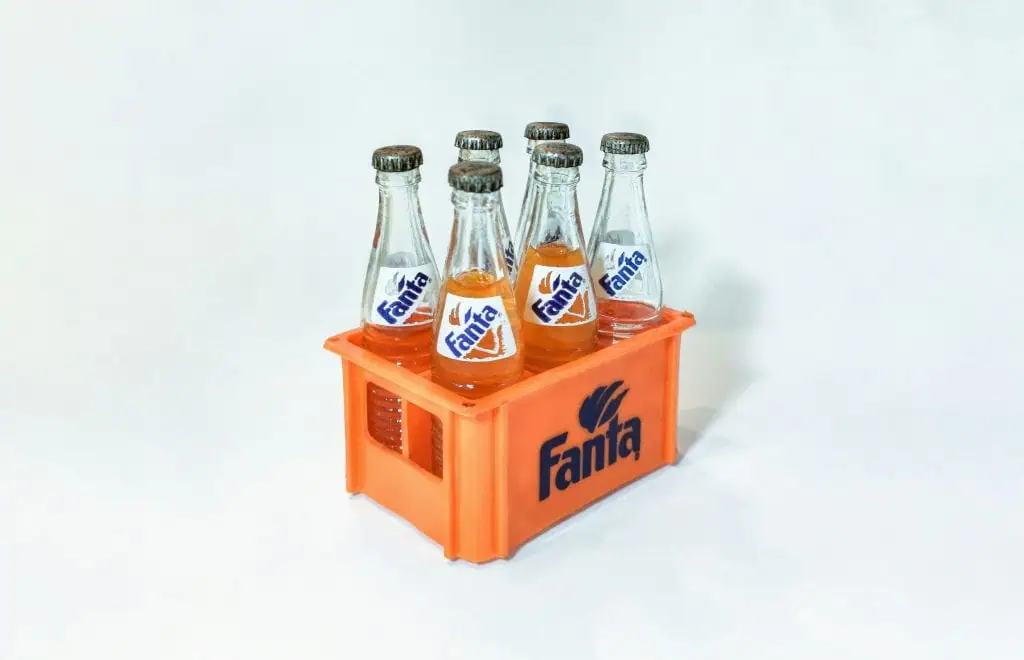
In the United States, Fanta Orange gets its sweetness from high-fructose corn syrup (HFCS), a cost-effective, corn-derived sweetener, whereas the U.K. version opts for cane sugar, sometimes paired with low-calorie sweeteners like acesulfame K and sucralose to meet local sugar-tax regulations. Additionally, U.S. Fanta achieves its bright orange appearance through artificial dyes such as Yellow 6 and Red 40, while the U.K. formula uses natural vegetable extracts (carrot and pumpkin) and a touch of orange juice for coloring, resulting in a paler, more juice-like look and taste.
Kraft Mac & Cheese: Comfort Food Clash
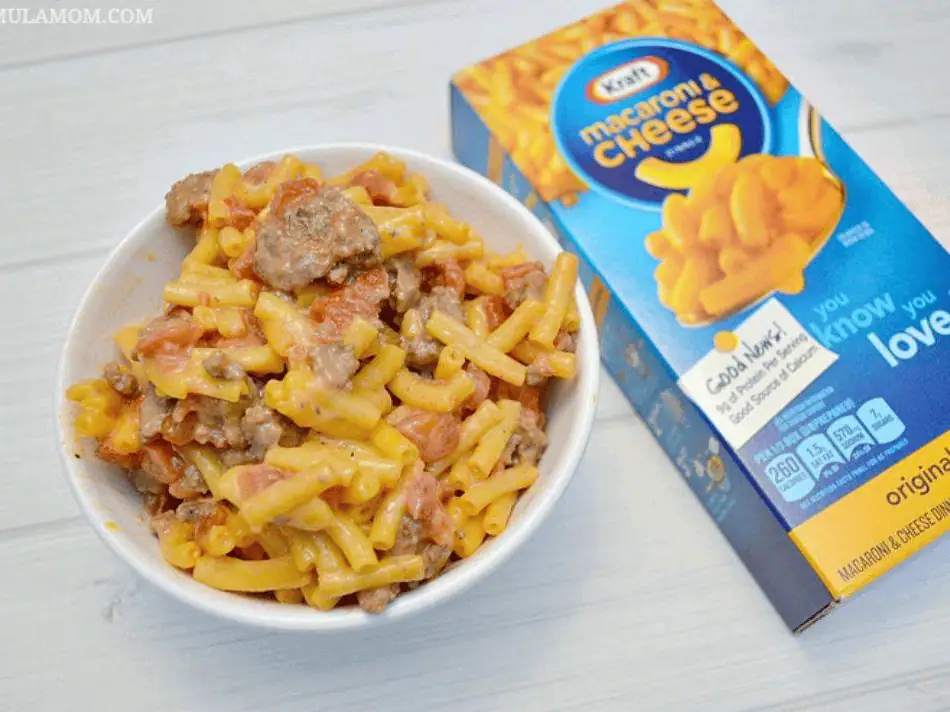
In the United States, Kraft Mac & Cheese originally included artificial colorants, specifically Yellow 5 and Yellow 6—to achieve its iconic bright orange hue and artificial preservatives to ensure long shelf life and consistent flavor. However, those synthetic additives were eliminated starting in January 2016, when Kraft transitioned to natural color sources like paprika, annatto, and turmeric in response to growing consumer demand for simpler, cleaner ingredients. In contrast, U.K. and European versions had long avoided those artificial dyes and preservatives, reflecting stricter regulatory standards and different consumer expectations regarding food additives.
Twix: A Tale of Two Bars
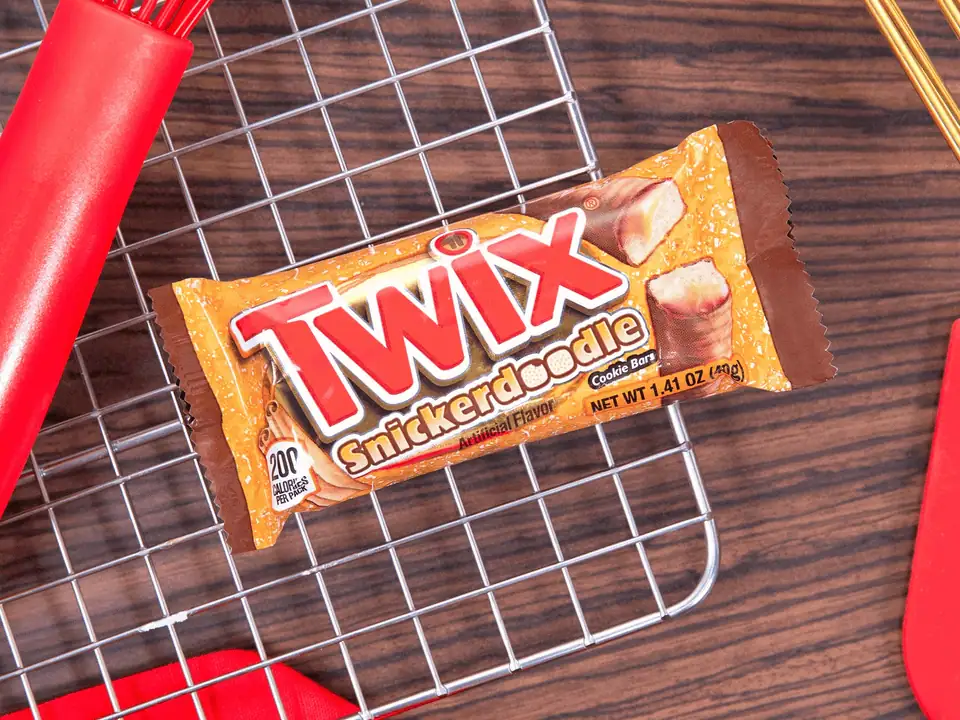
In the U.S., Twix bars often include vegetable fats alongside cocoa butter, a cost-saving measure that can subtly impact texture and leave a lingering aftertaste. The U.S. recipe also commonly features additives such as emulsifiers (like lecithin E322), flow agents (PGPR, E476), and stabilizers (carrageenan, guar gum, locust bean gum) used in ultra-processed variants. By contrast, the U.K. (and European) formulation remains more traditional: it relies on core ingredients like wheat flour, sugar, glucose syrup, palm fat, cocoa butter, milk powders, and natural vanilla extract, with only lecithin (E322) and a standard raising agent (E500) included. Notably, it avoids gums and other texturizing additives, resulting in a cleaner, more straightforward ingredient list.
Doritos: Crunchy Culture Shock

Doritos in the U.S. are all about bold, punchy flavors like Nacho Cheese and Cool Ranch, with a coating designed for maximum taste impact. Meanwhile, in the U.K., you might find flavors like Tangy Cheese that strike a different chord, often less intense but equally appealing. The chip’s texture remains similarly crispy across both regions. Neither version of Doritos are healthy, but U.S. Doritos contain petroleum-based dyes (Red #40, Blue #1, Yellow #5) that may be contaminated with carcinogens like benzidine. In the U.K., these dyes require a label warning they “may have an adverse effect on activity and attention in children,” so manufacturers there use natural colorings like paprika extract and annatto instead. U.K. Doritos are also non-GMO, while U.S. ones are made with GMO corn containing traces of glyphosate weed killer. To capture the unique crunch at home, bake tortilla wedges to a golden crisp and dust with a custom blend of cheese powder and spices, adjusting intensity to personal taste preferences.
Mountain Dew: The Flavor Spectrum

In the U.S., Mountain Dew is formulated with brominated vegetable oil (BVO), an emulsifier that helps keep citrus flavor evenly distributed—and Yellow 5, a synthetic dye that gives it its iconic neon hue. These ingredients are prohibited in the U.K., where the same drink is colored using beta-carotene, a naturally derived pigment, and flavored formulas are emulsified using ingredients permitted under EU food regulations. Additionally, U.S. Dew typically includes sodium benzoate and calcium disodium EDTA for preservation and flavor stabilization, whereas the U.K. version substitutes in potassium sorbate for freshness, reflecting stricter additive laws across the pond.
Rice Krispies: Snap, Crackle, Pop Variations
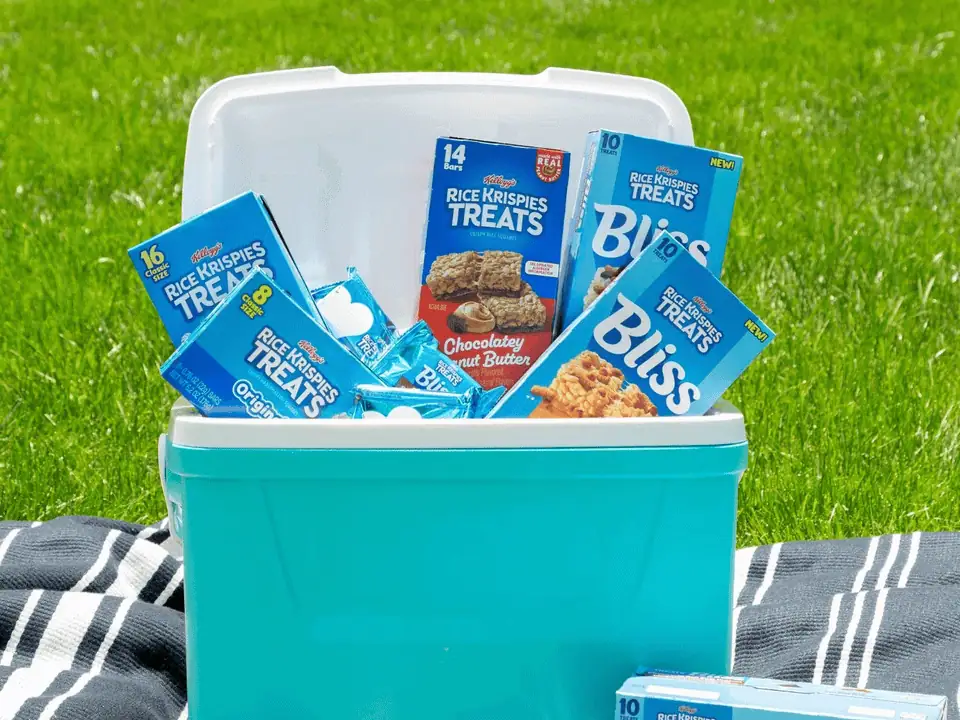
In the United States, Rice Krispies breakfast cereal may contain additives like BHT (butylated hydroxytoluene), an antioxidant preservative used to extend shelf life and maintain freshness—which is absent from U.K. versions. While U.K. packaging highlights a clean label with no artificial colours or flavours, U.S. formulations, as noted in ingredient databases, sometimes include a range of ultra-processed additives (e.g., Tartrazine (E102), Brilliant Blue FCF (E133), lecithins, glycerol, gelatine, and E472e emulsifiers), reflecting more permissive regulatory standards and a different approach to shelf-stability in North America.
