
If you could time-travel, these 5 ancient foods are worth tasting
Ancient food wasn’t created to impress guests, chase efficiency, or follow trends. It existed to sustain bodies, reinforce ritual, and connect people directly to land, labor, and belief. Meals were practical, symbolic, and deeply tied to survival and spirituality rather than pleasure alone. Tasting these foods today wouldn’t feel familiar or comforting and that discomfort is the point. Each dish offers a rare sensory connection to civilizations we usually know only through ruins, artifacts, and written records. If travel through time were possible, these five foods would be worth tasting at least once to understand how ancient people actually lived.
Garum (Ancient Rome)
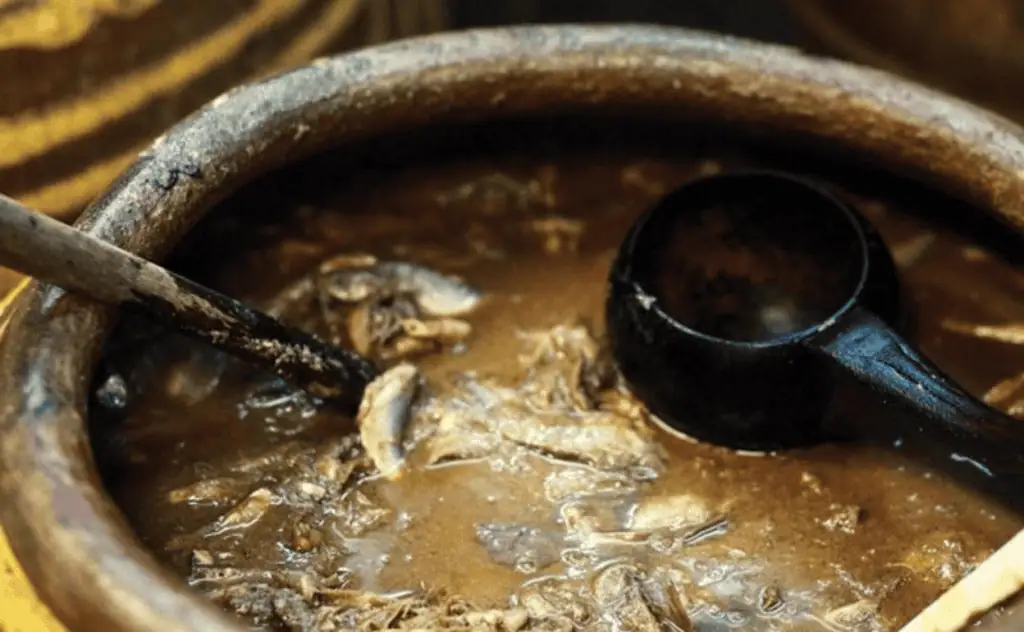
Garum was more than a sauce; it was the backbone of Roman flavor. Made by fermenting fish guts with salt over time, it produced an odor so strong it reportedly carried through entire neighborhoods. Yet Romans poured it over vegetables, meats, and grains, the way modern kitchens rely on soy sauce or anchovies. By today’s standards, it would likely taste overwhelming and unpleasant. But one taste would immediately explain Roman preferences for depth, salt, and fermentation, revealing a food culture that prized intensity and preservation over subtlety.
Emmer Wheat Bread (Ancient Egypt)
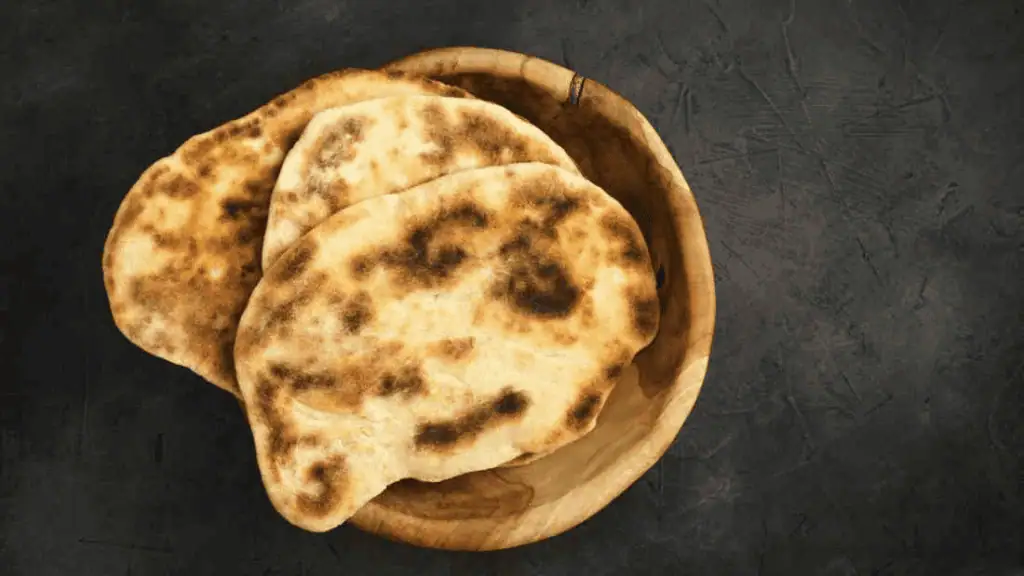
Ancient Egyptian bread bore little resemblance to modern loaves. Made from emmer wheat and ground with stone tools, it was dense, coarse, and often gritty with husk or sand. This wasn’t a culinary choice; it was reality. Bread was eaten daily by workers, offered to gods, and buried with the dead for use in the afterlife. One bite would make clear how food functioned as survival, labor fuel, and spiritual symbol all at once, tying nourishment directly to religion and the rhythms of agricultural life.
Cacao Drink (Maya and Aztec Civilizations)
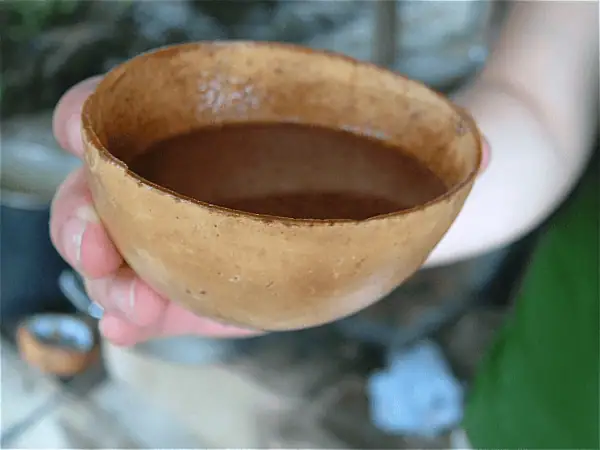
This cacao drink would shock anyone expecting hot chocolate. Bitter, spiced, sometimes mixed with chili, and served cold, it had no sweetness at all. It was reserved for elites, warriors, and ritual use, signaling power and status rather than comfort. Cacao beans were even used as currency. Tasting it wouldn’t feel indulgent—it would feel confrontational. One sip would reveal that chocolate’s origins had nothing to do with dessert, and everything to do with strength, ceremony, and social hierarchy.
Mesopotamian Meat Stew
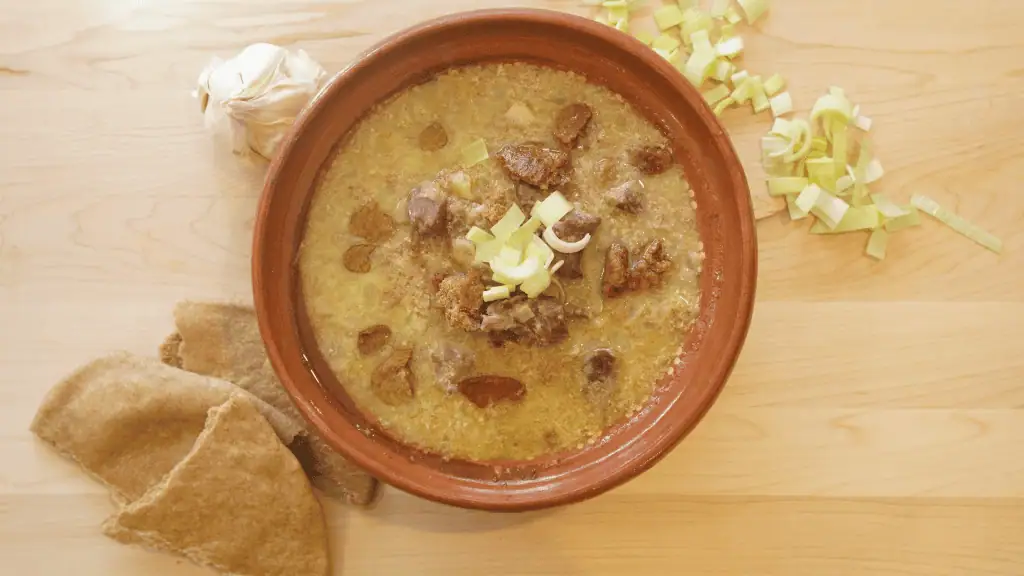
Some of the world’s earliest written recipes come from Mesopotamia, and many describe slow-cooked meat stews made with grains, herbs, and beer. These were communal dishes, designed to feed groups efficiently rather than impress individuals. Structurally, the stew would feel familiar, warm, filling, and shared, but the seasoning would likely feel strange and uneven by modern standards. Eating it would prove that comfort food existed long before the concept did, rooted in practicality, ritual, and collective survival.
Honey-Sweetened Date Cakes (Ancient Near East)
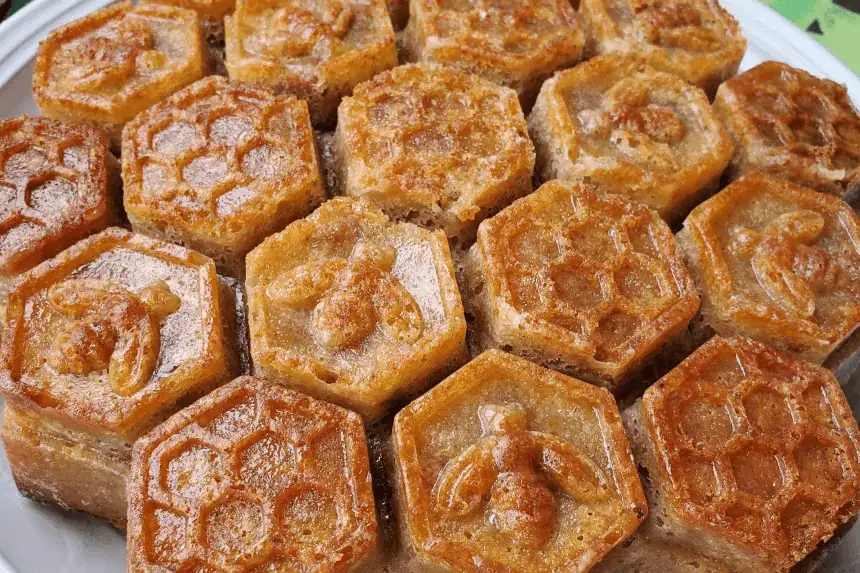
Before refined sugar existed, dates and honey carried the burden of sweetness. Date cakes in the ancient Near East were dense, sticky, and intensely rich, often eaten during festivals or offered in religious contexts. They balanced indulgence with preservation, using ingredients that lasted in harsh climates. One bite would feel surprisingly recognizable yet overwhelming in sweetness. These cakes reveal how ancient societies turned scarcity into celebration, transforming practical preservation into moments of ritual pleasure and shared meaning.
