
Red Flags in the Produce Aisle: What Nutritionists Warn Against
When shopping for fresh produce, it’s important to know which red flags might indicate inferior quality or diminished nutrition. Nutritionists often emphasize that certain characteristics can signal less-than-ideal produce. By understanding these indicators, you can make better choices in the produce aisle, ensuring that your selections are both healthy and flavorful.
Waxy or Over-Shiny Surfaces
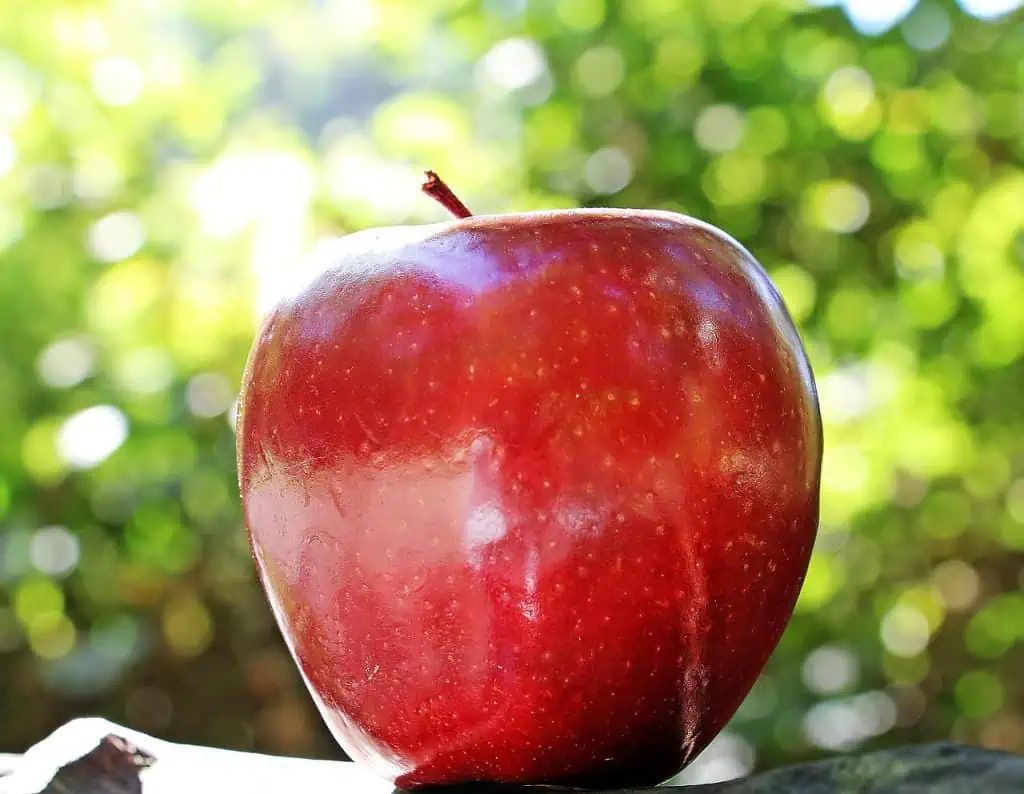
Fruits and vegetables with unusually shiny surfaces might appear appealing, but their sheen could result from wax coatings used to enhance appearance and shelf life. These coatings can trap pesticides and prevent natural respiration, affecting taste and texture. Instead, look for a natural, matte finish. For fruits like apples and cucumbers, a mild scrub with a brush under cold water can help remove unwanted residues.
Too Perfect-Looking Produce

Produce that appears flawless and uniform often raises suspicion. This perfection can result from aggressive farming techniques, including excessive pesticides or genetic modification. Imperfect shapes and minor blemishes often indicate a natural growth process. Choosing organic options when possible reduces exposure to harmful chemicals and supports more traditional farming practices, offering produce with true taste and better nutrition.
Beware “Triple-Washed” Greens
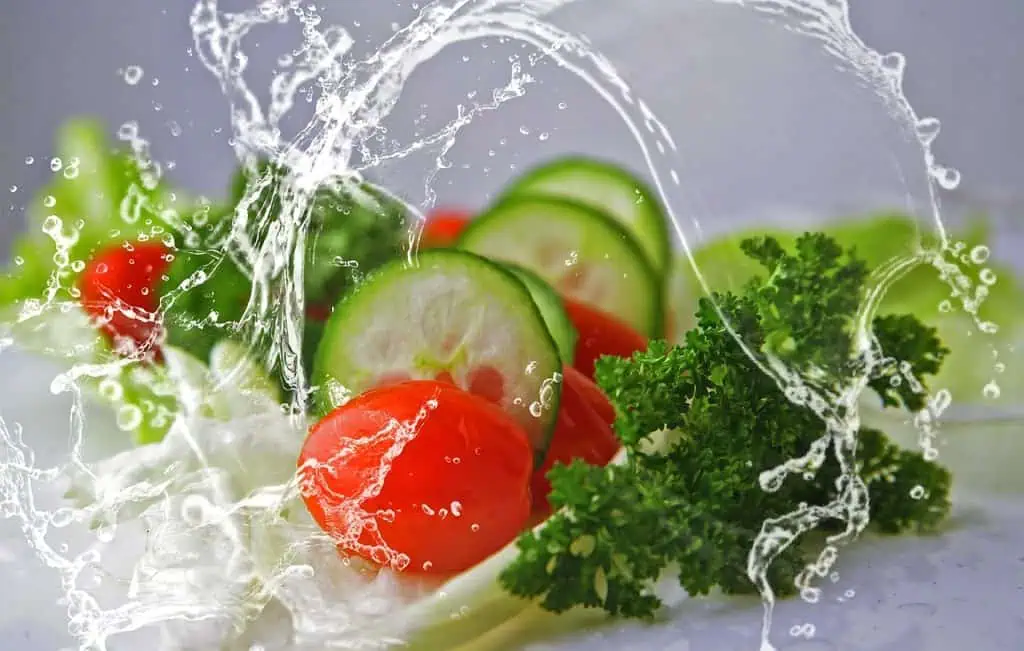
While pre-washed salad greens promise convenience, they may harbor bacteria from inadequate washing processes despite the label. Triple-washing does not guarantee complete safety or cleanliness. Opt for whole heads of lettuce or leafy greens, which allow you to thoroughly wash and inspect them yourself. This not only ensures cleaner leaves but can also provide longer freshness and better flavor retention.
Cut Fruit in Plastic Containers
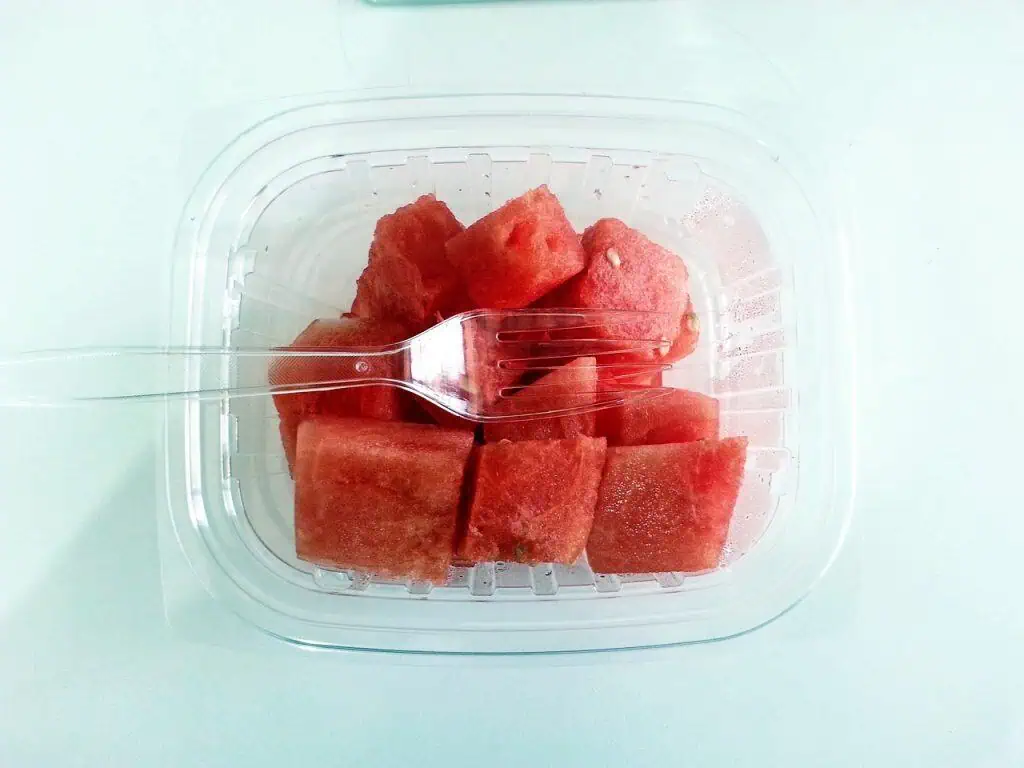
Pre-cut fruit in plastic containers can seem like a time-saver but often sacrifices quality and taste. Once cut, fruits quickly lose vitamins and minerals due to air exposure and oxidation. Pre-cut offerings may also be treated with preservatives to extend shelf life, affecting flavor. Purchasing whole fruits allows you to slice them fresh, ensuring you preserve both their full nutritional value and vibrant taste.
Out of Season Produce Warning
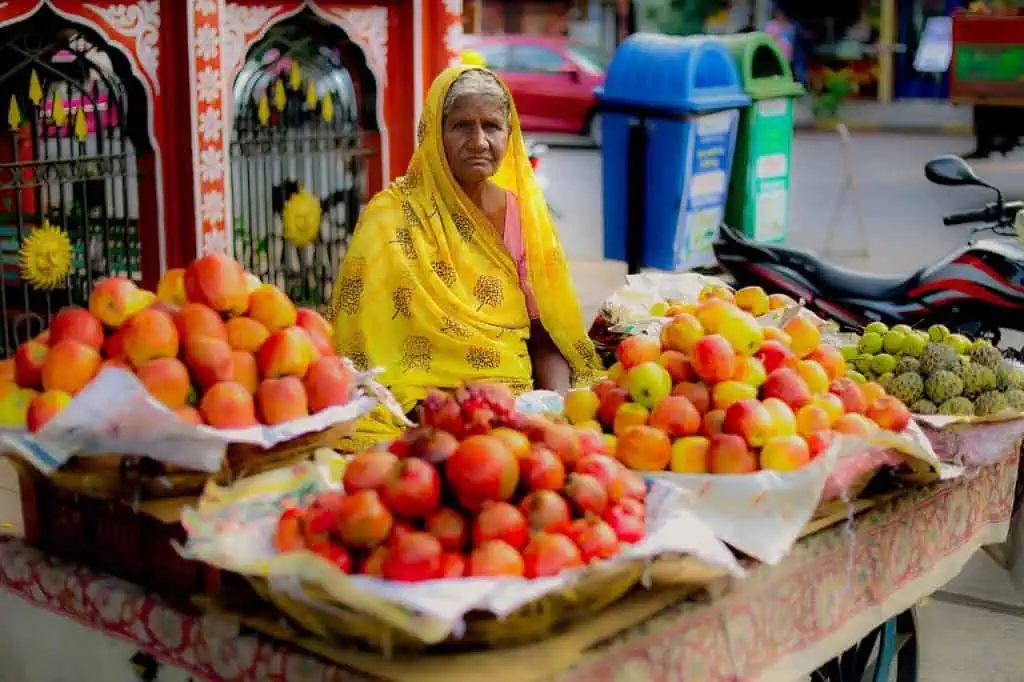
Selecting produce out of season not only affects taste but often nutritional value. Foods that are out of season typically travel long distances, diminishing freshness and requiring preservatives to maintain appearance. This reduction in quality often impacts the flavor profile, making them less appealing in dishes. Always opt for seasonally available produce for peak ripeness and nutrition. Check local guides or speak to a knowledgeable grocer to understand what’s currently in season.
Avoid the “Dirty Dozen”
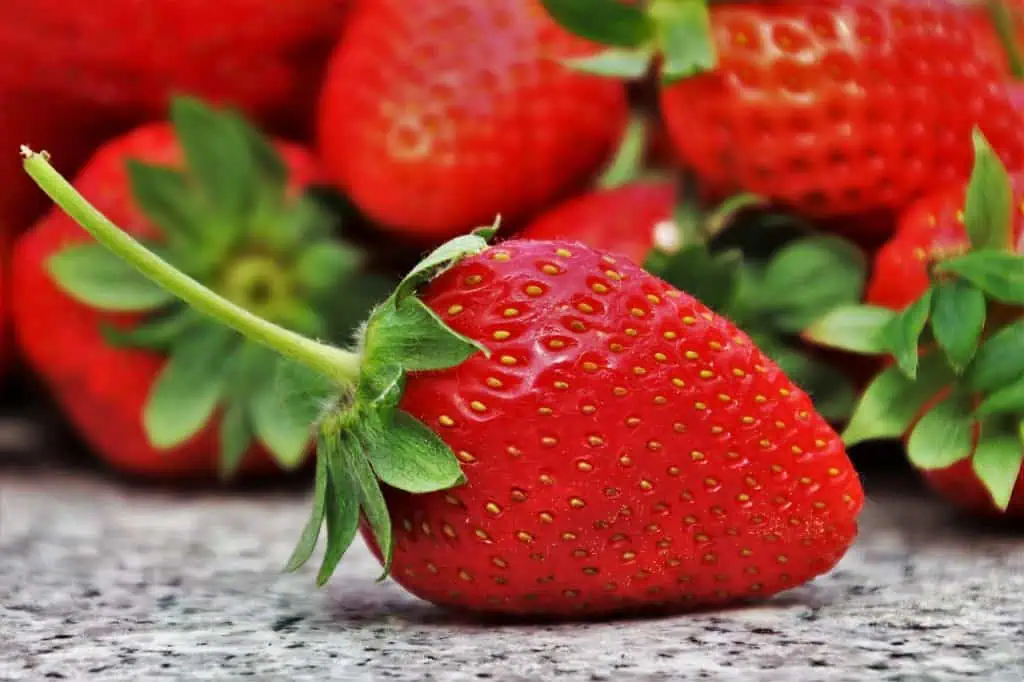
The “Dirty Dozen” refers to a list of produce with the highest levels of pesticide residues. Nutritionists recommend purchasing these items organic when possible. This includes strawberries, spinach, and kale among others. Organic produce minimizes exposure to harmful chemicals, offering cleaner eating. If organic options aren’t available, wash non-organic produce thoroughly with water and baking soda to reduce surface pesticides. Prioritize sourcing from vendors conscious of sustainable and safe farming practices.
The Problem with Over-Packaging
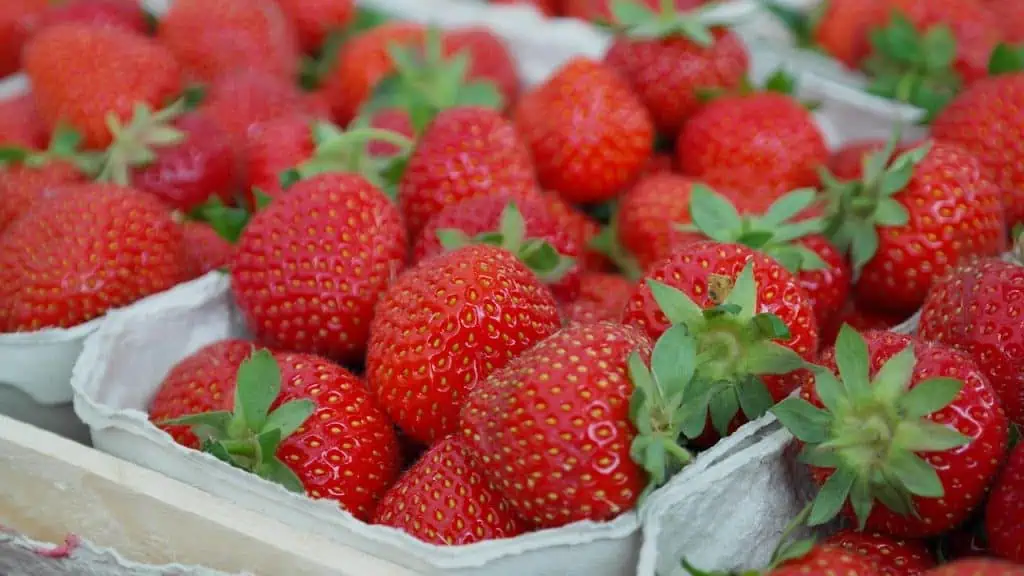
Excess packaging of produce can be an indicator of compromised freshness and increased waste. Look for items that are sold loose or in minimal packaging, allowing you to inspect for quality and ripeness. Packaging can trap moisture, precursors to spoilage such as mold or decay. Moreover, reducing packaging is an environmentally friendly choice, decreasing landfill contributions. Choose unpackaged produce when possible, examining each piece for texture and scent for the best results.
Spotting Wilting or Moldy Produce
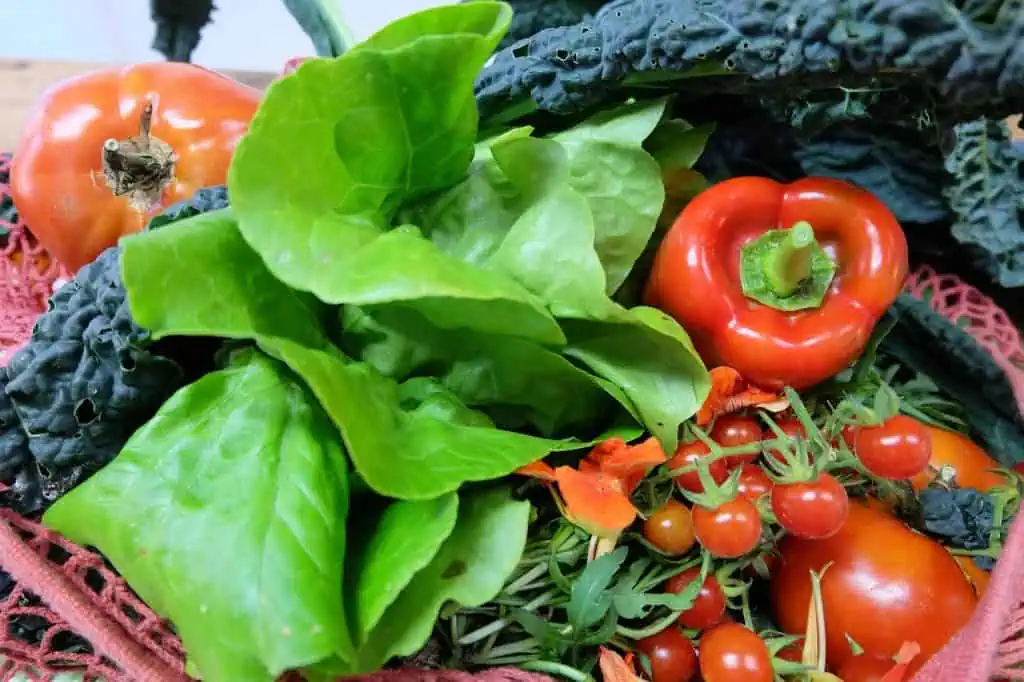
Wilting or mold on produce can be a sign of poor storage or aging. Check leaves, stems, and surfaces of vegetables and fruits closely. Fresh produce should feel firm and vibrant in color. Mold often starts in hidden crevices, like under leaves or near the stem. Wilting indicates loss of moisture and nutrients. Always handle produce gently to avoid bruising, and store properly in the refrigerator or a cool, dry place to extend shelf life. Discard any with visible mold immediately.
