
Creative Ways to Use Pantry Staples (So Dinner Doesn’t Feel Like a Backup Plan)

TL;DR:
Your pantry is more powerful than you think. With the right staples on hand, like canned beans, pasta, rice, canned tomatoes, and a few good spices, you can pull together a real, satisfying dinner on any night of the week. This post walks through creative and practical ways to turn those overlooked shelf ingredients into meals your family will actually ask for again. No emergency grocery run required.
Open your pantry right now. Chances are there’s a can of beans shoved in the back, a half box of pasta sitting on the shelf, some rice, a can or two of tomatoes, and a spice rack that hasn’t been fully appreciated in months. Sound familiar?
Here’s the thing: that’s not a sad pantry. That’s dinner.
According to a 2025 report by HelloFresh, 38% of Americans say they don’t have groceries on hand when they need them. And with USDA data showing food-at-home prices climbing again in 2025, most of us are being a lot more intentional about using what we already have. Pantry cooking isn’t a punishment. It’s a skill, and once you get the hang of it, you’ll stop seeing those canned goods as a last resort and start seeing them as a head start.
Let me show you what’s really possible when you cook creatively with pantry staples.
What Counts as a Pantry Staple?
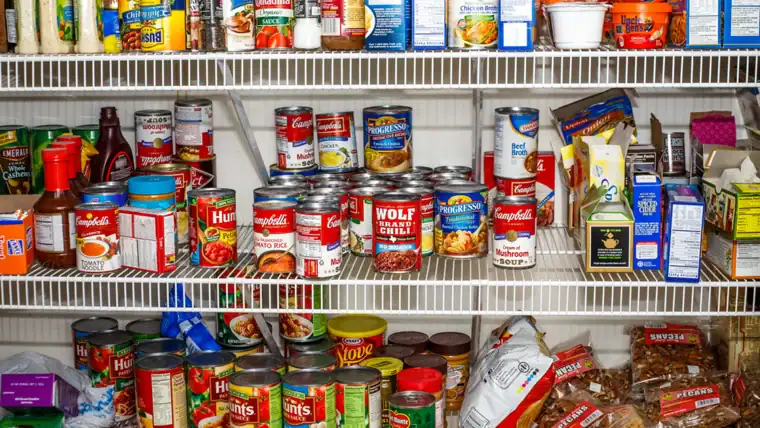
A pantry staple is any ingredient that stays shelf-stable for weeks or months and works across a wide range of meals.
Think: dried or canned beans, canned tomatoes, pasta, rice, chicken or vegetable broth, olive oil, garlic (fresh or powder), onion, soy sauce, and a solid spice collection. According to a Kerry consumer report, 81% of people cook more than half their meals at home, and pantry-loading has become a cornerstone of how families budget their grocery spending. These aren’t boring ingredients. They’re the building blocks of some of the most beloved comfort food on the planet.
The trick is knowing what to do with them beyond the obvious. Pasta with jarred sauce is fine. But let’s go further than that.
How Do You Turn Pantry Staples Into a Real Dinner?
Pantry cooking works best when you think in flavor layers, not just ingredients. Build from a fat, then aromatics, then liquid, then your protein or carb, and you’ll get a complete, satisfying meal almost every time.
Start with oil or butter in a pan. Add garlic, onion, or both. Then pour in whatever liquid you’re working with: broth, canned tomatoes, coconut milk, or even water with a bouillon cube. From there, add your beans, pasta, rice, or whatever pantry carb or protein you have. Season as you go.
That four-step process is the skeleton behind so many comforting meals. It’s how red beans and rice comes together. It’s how a quick pasta e fagioli (pasta and beans) happens in 20 minutes on a Tuesday. It’s how a simple fried rice becomes something the whole family wants.
Our Crock Pot Red Beans and Rice is a perfect example of this layering in action: smoked sausage (or skip it for a vegetarian version), canned beans, Cajun spices, and broth. Nearly everything comes from the pantry. The result is something that tastes like it simmered all Sunday.
The Best Pantry Staples to Always Have on Hand
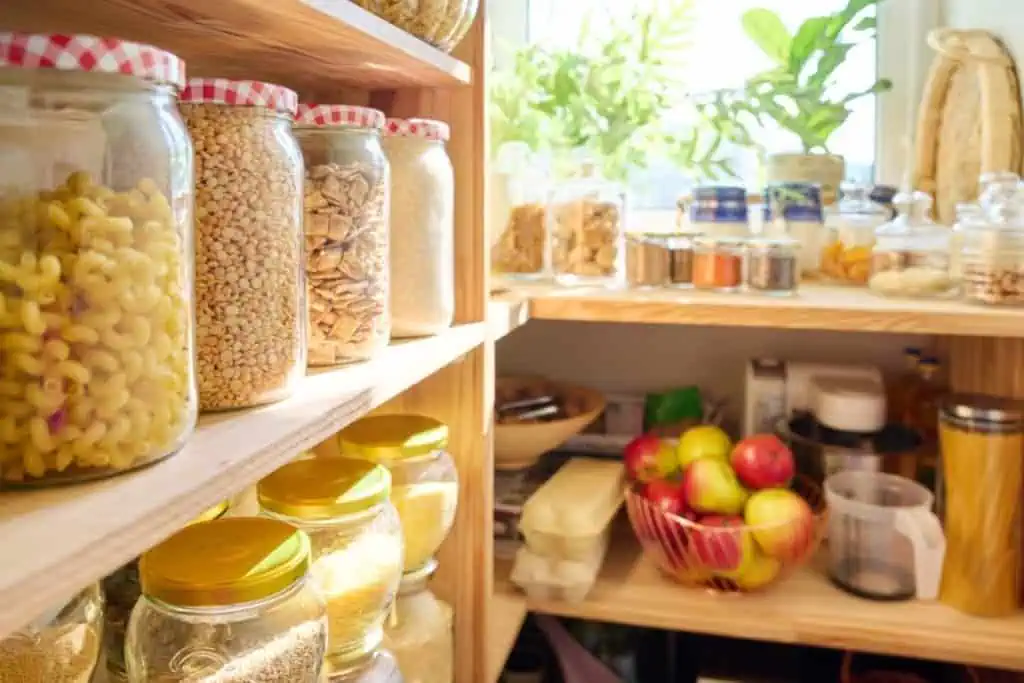
You don’t need a huge stockpile to cook well from the pantry. You just need the right ones.
Canned beans are the MVP. Black beans, chickpeas, kidney beans, and white beans are each wildly versatile. Mash them, toss them into soups, layer them into casseroles, or stir them into pasta. According to The Kitchn, canned chickpeas alone can be turned into hummus, roasted snacks, soup, pasta protein, or a full shakshuka-style meal.
Pasta is endlessly adaptable. Spaghetti aglio e olio, which is nothing more than pasta, olive oil, garlic, and red pepper flakes, is one of the most famous pantry meals in the world. Add a can of white beans and you’ve got a full meal with real staying power.
Canned tomatoes are liquid gold. They’re the base for soups, stews, pasta sauces, braises, and casseroles. A 28-ounce can and some pantry spices can become a dozen different dinners.
Rice is probably the most flexible staple in the cabinet. Fried rice, rice bowls, rice soup, or just a fluffy base under anything saucy. When you cook rice in broth instead of water, it tastes like an entirely different dish.
Spices and seasonings are where pantry cooking either soars or falls flat. A well-stocked spice rack turns a can of beans into something that actually tastes like dinner. Keep garlic powder, cumin, smoked paprika, Italian seasoning, chili powder, and red pepper flakes on deck. And if you want a shortcut, our homemade mild taco seasoning is made entirely from pantry spices and works on everything from ground beef to roasted veggies to soup.
Creative Ways to Use Pantry Staples You Haven’t Tried Yet
This is where it gets fun. Here are some combinations that go beyond the expected.
Canned tomatoes plus taco seasoning plus black beans equals a five-minute taco soup base. Add broth, corn, and any protein you have in the fridge or freezer. Serve it with crushed tortilla chips on top and your family won’t believe it came together in under 30 minutes. Check out our easy taco casserole recipe for a similar pantry-forward approach that uses those same ingredients in a baked format.
Pasta cooked in broth instead of water absorbs flavor as it cooks and needs almost no sauce at all. Add a can of white beans and some garlic and you’ve made a version of pasta e fagioli that rivals any restaurant version.
Rice plus soy sauce plus a fried egg is one of the most underrated dinners on the planet. It sounds too simple, but it’s satisfying, fast, and uses pantry ingredients most people already have. Top it with sesame oil and a pinch of red pepper flakes and it’s genuinely good.
Canned chickpeas roasted in the oven at 400°F for 25 minutes with olive oil and cumin turn into crunchy, protein-packed little bites that work as a snack, a salad topper, or a taco filling. No fresh ingredients needed.
Broth plus any pasta plus an egg yolk stirred in at the end creates a silky, rich pasta that feels indulgent. It’s the lazy cousin of carbonara and it’s made entirely from the pantry.
The key insight here is that 73% of Americans who cooked more at home during the pandemic reached for pasta and rice first. Those instincts are right. The magic comes from knowing what to do with them beyond boiling and buttering.
How to Build a Pantry That Actually Works for Dinner
A functional dinner pantry doesn’t need to be enormous. It just needs to be intentional. The goal is to have enough variety that you can mix and match on any given night without a trip to the store.
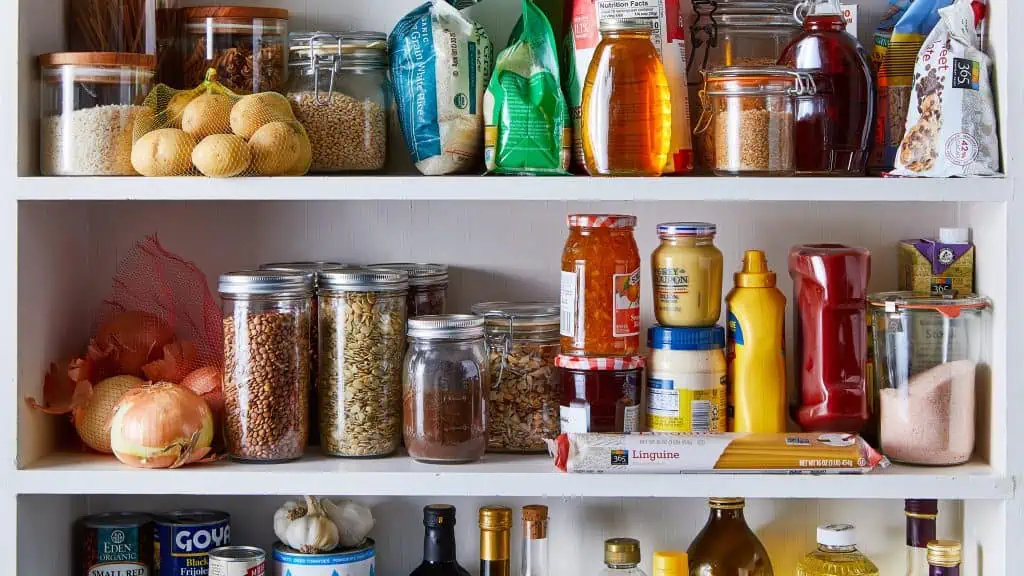
Stock at least three different proteins: canned tuna, canned beans (multiple varieties), and maybe canned chicken or sardines if your family is open to it. Keep two or three pasta shapes. Have both white and brown rice. Keep at least two canned tomato formats, crushed and diced, because they behave differently in recipes.
From there, the produce that hangs around longest becomes your fresh bridge: onions, garlic, carrots, and potatoes all last weeks and pair with nearly everything. According to a 2025 food trend report, a third of consumers are actively choosing products with longer shelf lives. That’s not about being boring; it’s about being smart.
Pair your pantry with a few easy dinner recipes bookmarked for the nights you need them, and you’ll never feel stuck staring at the shelf again.
Making Pantry Meals Feel Special (Not Like a Consolation Prize)
Here’s what separates a sad pantry meal from a genuinely satisfying one: finishing touches.
A drizzle of good olive oil right before serving. A squeeze of lemon over beans or pasta. Fresh herbs if you have them, but dried works too. A sprinkle of parmesan, even the shelf-stable kind in the green can. A swirl of hot sauce. A handful of crushed crackers or chips for texture.
Those small additions cost almost nothing and they completely change how a dish feels. The difference between bland rice and beans and a bowl you’d actually crave is usually just three or four finishing moves.
I’ve cooked for a family of nine for years, and the meals that get the most requests are rarely the complicated ones. They’re the ones built from simple, solid ingredients that are seasoned well and finished with care. With 15 years of food blogging and even more years in restaurant kitchens behind me, that’s the lesson I keep coming back to. The pantry has always been where the real cooking happens.
The Last Bite
A well-used pantry isn’t a sign that you need to go grocery shopping. It’s a sign that you know how to cook. With the right staples on hand and a few good techniques, dinner doesn’t have to feel like a backup plan. It can be the plan.
Here are your three key takeaways: build flavor in layers starting with fat and aromatics, keep a core group of versatile staples stocked at all times, and never underestimate the power of a good finishing touch. Those three things will turn a bare-looking pantry into something you actually want to cook from.
If you’re ready to put these ideas to work, browse our full collection of 5-ingredient slow cooker recipes for more pantry-friendly meals. And if you want ideas, tips, and recipes sent straight to you every week, subscribe to the FoodnService newsletter and follow along on social media. We’re cooking real food for real families, and we’d love to have you at the table.

Frequently Asked Questions
The most versatile pantry staples for weeknight dinners are canned beans, pasta, rice, canned tomatoes, broth, olive oil, garlic, and a core spice collection including cumin, smoked paprika, garlic powder, and chili powder. According to this pantry guide, these ingredients alone can produce dozens of different meals. Stock at least two or three varieties of each category so you have options without needing to shop.
The biggest difference between a bland pantry meal and a great one is seasoning and finishing. Build flavor early by cooking your garlic and onion in oil before adding other ingredients. Season in layers rather than all at once. Then finish with something bright like lemon juice, vinegar, or hot sauce, and something rich like a drizzle of olive oil or a handful of cheese. These small additions cost almost nothing but completely change the final dish.
Yes, absolutely. Meals like pasta e fagioli (pasta and beans in broth), fried rice with a fried egg, black bean soup, and rice and beans are all built entirely from shelf-stable ingredients and are considered complete, satisfying dinners around the world. According to a 2025 Kerry consumer report, 81% of people cook more than half their meals at home, and pantry staples are central to that habit.
Most canned goods last one to five years past their best-by date when stored in a cool, dry place. Dry pasta, rice, and dried beans can last two or more years. Spices don’t expire the same way foods do but lose potency after one to two years. The USDA’s food price and spending data shows that stocking pantry staples in bulk is one of the most effective ways to manage grocery costs over time.
The easiest place to start is a simple bean and rice dish. Heat oil, add garlic and onion, stir in rinsed canned beans and uncooked rice, pour in broth, and simmer covered for about 20 minutes. Season with cumin, smoked paprika, and salt. That’s it. It’s complete, filling, inexpensive, and endlessly adaptable depending on what spices or extras you have on hand.
