
Kitchen Folklore vs. Science: 15 Food Misconceptions You Probably Still Believe
Some food beliefs get repeated so often, they start to feel like settled science — you know, the kind of “everyday facts” your grandma swore by and your coworker still insists are true. But here’s the thing: a lot of those so-called truths don’t actually hold up under scrutiny. From the color of your eggs to the way you sear a steak, kitchen myths have been quietly passed down through generations, shaping how we shop, cook, and eat without us ever questioning them. Well, it’s time to question.
Nutritionists and food safety experts are finally setting the record straight, and some of these revelations might just surprise you. So before you rinse that raw chicken or pay extra for brown eggs, take a look at these 15 popular misconceptions — broken down with the real facts you actually need to know.
space
1. Brown Eggs Are “Healthier”
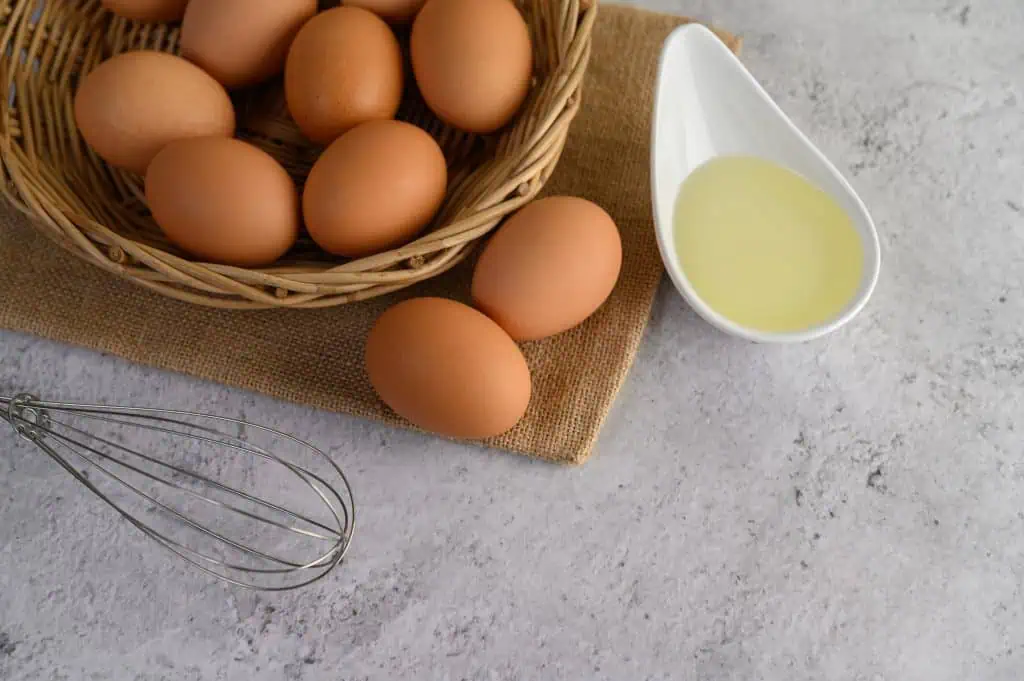
Walk into any grocery store and you’ll notice something interesting: brown eggs almost always cost more than white ones. That price difference has led plenty of people to assume brown eggs must be healthier, more natural, or somehow superior. But here’s the truth: brown eggs aren’t nutritionally better than white ones — not even a little bit. The color of the shell comes down to one simple factor: the breed of the hen that laid it. Red-feathered hens typically lay brown eggs, while white-feathered hens lay white ones. That’s it. The nutrition inside — things like protein, healthy fats, and vitamins — depends entirely on the hen’s diet and living conditions, not the color of the shell. So next time you’re reaching for the brown carton thinking you’re doing your body a favor, save your money. A white egg from a well-cared-for hen is just as good.
2. Sea Salt is a “Health Supplement”
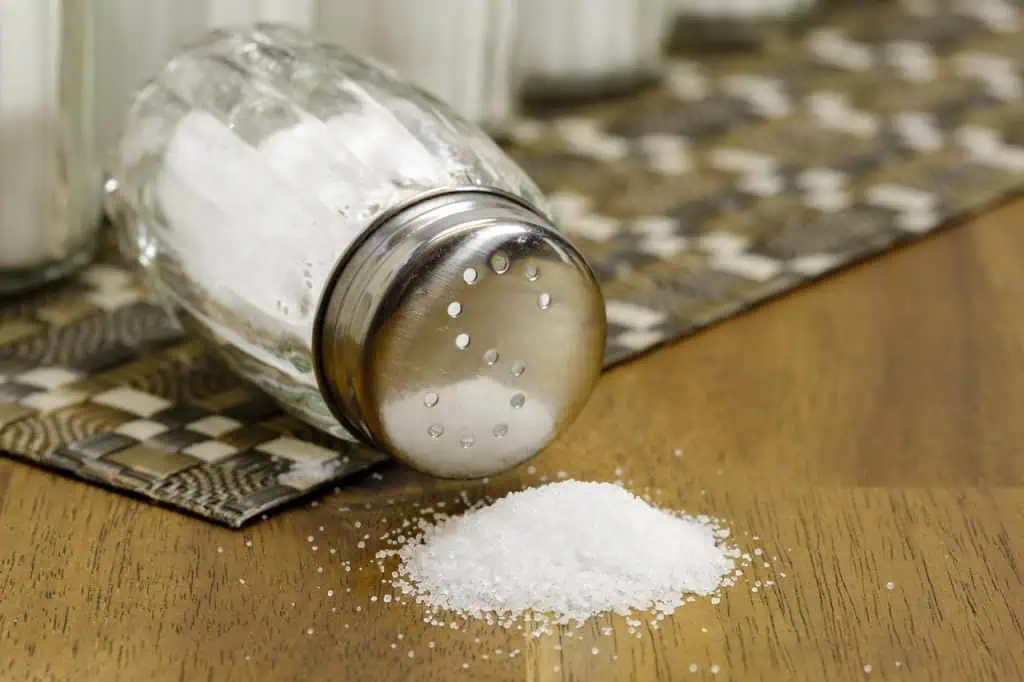
Sea salt has built quite a reputation for itself. With its fancy packaging, higher price tag, and that whole “straight from the ocean” image, it’s easy to see why people think it’s a healthier choice than regular table salt. But let’s get real for a second: sea salt is still mostly sodium chloride — the same basic compound found in plain old table salt. Yes, sea salt contains some trace minerals like magnesium and potassium, but the amounts are so tiny that they don’t offer any meaningful health benefit. You’d have to eat dangerously high amounts of salt just to get a negligible boost. Meanwhile, many sea salts lack the iodine that’s added to regular table salt — an essential nutrient that supports thyroid health. So, unless you’re getting iodine from other sources like seafood or dairy, that “premium” sea salt might actually be leaving you short on something your body needs.

3. Microwaves Kill Nutrients
There’s a persistent fear that microwaves somehow destroy the nutrients in your food — that the radiation zaps away all the good stuff, leaving you with a convenient but nutritionally empty meal. Here’s the reality: microwaving is actually one of the gentlest cooking methods when it comes to preserving nutrients. Because it’s fast and uses very little water (or none at all), it often does a better job of keeping heat-sensitive vitamins — especially Vitamin C and the B vitamins — than boiling or even steaming on a stovetop. Think about it: when you boil vegetables on the stove, many of the vitamins leach right out into the water that you usually pour down the drain. Microwaves don’t have that problem. So go ahead and use that microwave with confidence. Your broccoli will thank you.

4. Fresh is Always Better Than Frozen
Walk through any grocery store produce section and you’ll see shoppers carefully selecting the freshest-looking fruits and vegetables, often avoiding the frozen aisle like it’s second-best. But here’s a secret the produce industry doesn’t love talking about: frozen fruits and vegetables are usually picked at peak ripeness and flash-frozen within hours, which locks in their nutrients at their highest possible levels. That beautiful “fresh” produce sitting in the bin? It may have spent days or even weeks in transit and on the shelf, slowly losing nutritional value the entire time. By the time it reaches your plate, that fresh asparagus could have significantly fewer vitamins than its frozen counterpart. So don’t sleep on the frozen aisle. It’s affordable, convenient, and often nutritionally superior — especially in the middle of winter when “fresh” produce has traveled thousands of miles to get to you.

5. You Should Wash Raw Chicken
This is one of those kitchen habits that sounds perfectly logical: raw chicken comes out of the package looking a little slimy, so of course you should rinse it off before cooking, right? Wrong. In fact, this is dangerously wrong. Rinsing raw chicken doesn’t remove bacteria — what it does is splash those pathogens, including nasty ones like Salmonella and Campylobacter, all over your sink, your countertops, your nearby dishes, and even your clothes. One study found that just rinsing chicken could spread bacteria to surfaces up to three feet away. Cooking the chicken to the correct internal temperature (165°F for chicken pieces) is the only thing that actually kills the bacteria and makes it safe to eat. So do yourself and everyone in your kitchen a favor: skip the rinse, pat it dry with a paper towel if you need to, and cook it properly.
6. Organic Means “Pesticide-Free”
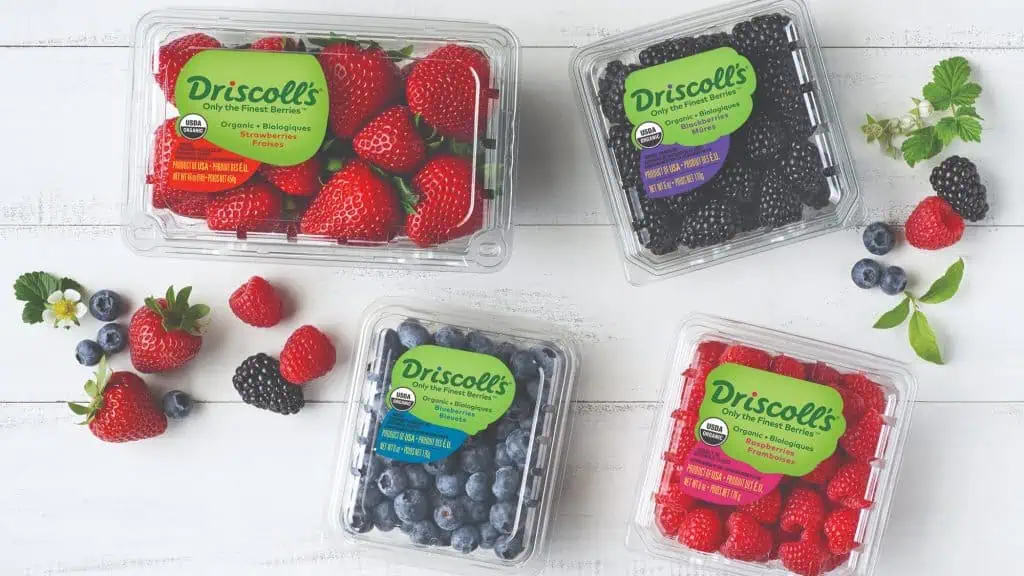
Organic food carries a certain halo — a sense that it’s cleaner, purer, and completely free of the scary chemicals found in conventional farming. But here’s the truth that often gets left out of the marketing: organic farming still uses pesticides. The difference is that organic pesticides are naturally derived rather than synthetic. That doesn’t automatically make them safer or better. Some natural pesticides can still be harmful in large amounts, and both organic and conventional farming are strictly regulated to ensure residue levels are safe for human consumption. The choice between organic and conventional is ultimately a personal one, but don’t make it based on the mistaken belief that organic means zero pesticides. It doesn’t.
7. Gluten-Free is a Health Upgrade
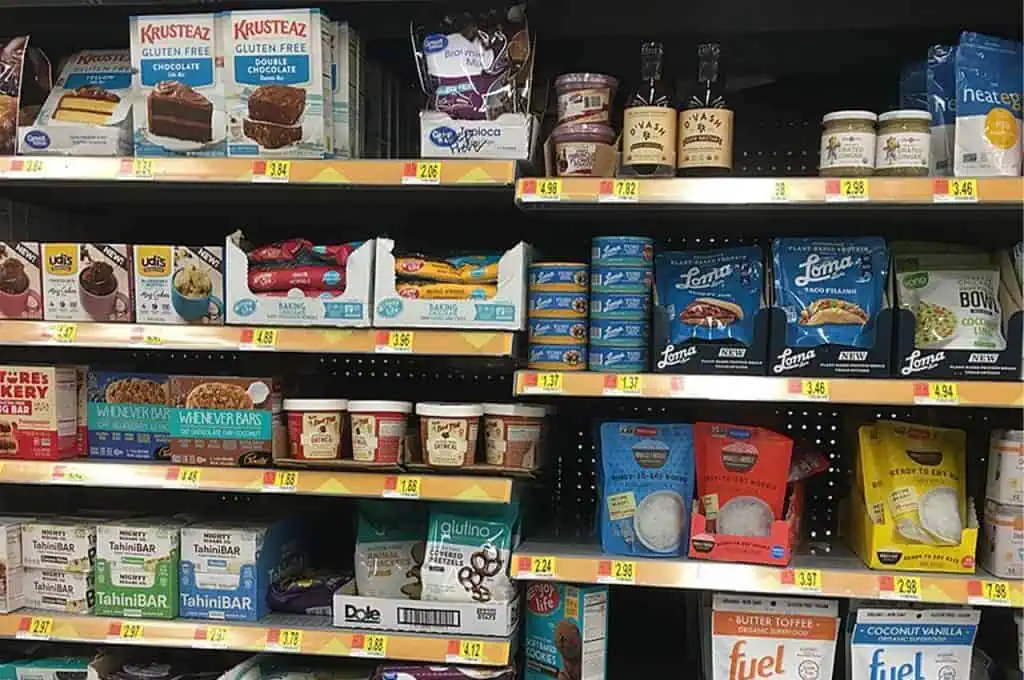
Walk into any grocery store and you’ll see entire aisles dedicated to gluten-free products, often marketed with words like “pure,” “simple,” and “wholesome.” It’s easy to assume that going gluten-free is automatically a healthier way to eat. But unless you have celiac disease or a diagnosed gluten sensitivity, that assumption is probably wrong. Many gluten-free snacks and processed foods actually contain extra sugar, more fat, and less fiber than their gluten-containing counterparts — all in an effort to replicate the texture and taste that gluten naturally provides. A gluten-free cookie is still a cookie. A gluten-free cracker is still a cracker. Cutting out gluten doesn’t magically make junk food healthy. For most people, whole grains that contain gluten (like whole wheat and barley) are perfectly healthy and provide important nutrients you might miss out on if you cut them unnecessarily.

8. Carrots Give You Super Vision
Almost everyone has heard that carrots are good for your eyes. But somewhere along the way, that simple truth got stretched into a much bigger myth: that eating carrots can give you superhuman night vision or even fix your eyesight entirely. Here’s what carrots actually do: they’re rich in Vitamin A, which supports overall eye health and helps prevent certain types of vision problems. That’s genuinely good. But no amount of carrots will let you see in the dark, correct your nearsightedness, or replace your prescription glasses. And here’s the really fun part — this myth was actually popularized on purpose as British propaganda during World War II. The Royal Air Force wanted to hide the fact that they had invented radar technology to spot enemy planes at night, so they told the press that their pilots were eating massive amounts of carrots to see in the dark. The story stuck, and decades later, we’re still believing it.
9. Searing Meat “Locks in Juices”
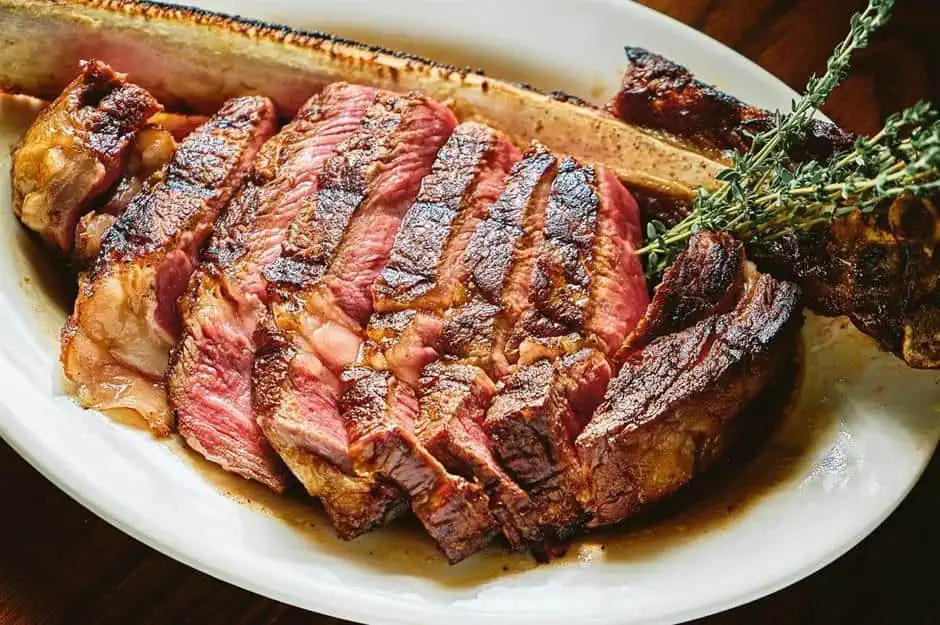
This is one of those cooking “rules” that gets repeated by everyone from backyard grillers to professional chefs. Sear the meat first to lock in the juices — it sounds scientific, doesn’t it? The only problem is that it’s completely false. Searing meat creates a delicious, flavorful crust through something called the Maillard reaction (that browning that happens when heat meets protein and sugar), but it does not create any kind of waterproof seal. Moisture retention in cooked meat depends on two things: the temperature you cook it at and whether you let it rest after cooking. Cooking at too high a heat drives moisture out, and cutting into meat too soon lets all those delicious juices run right onto the plate instead of staying in the meat. So sear away for flavor, but don’t expect it to lock anything in. And always, always let your meat rest.

10. Late-Night Eating Causes Weight Gain
There’s a widespread belief that eating after a certain hour — say, 8 p.m. — somehow makes you gain weight all by itself. The clock strikes nine, and suddenly that apple or small bowl of yogurt becomes a diet disaster. But here’s the reality: your metabolism doesn’t punch a time clock. Your body processes calories at 10 p.m. the same way it does at 10 a.m. Weight gain comes down to total calories consumed over time and the quality of the food you’re eating, not the hour on the clock. A healthy, balanced snack eaten at 9 p.m. is no different than one eaten at 9 a.m. Where the myth comes from is that people who eat late at night often tend to make poorer choices (think chips, ice cream, or leftover pizza) and eat mindlessly in front of the TV. That’s the real issue — not the time itself. So if you’re genuinely hungry at night, eat something. Just make it a good choice.

11. White Potatoes are “Empty Calories”
White potatoes have gotten a terrible reputation over the years. Dismissed as nothing more than a “starch bomb” that spikes your blood sugar and packs on the pounds, they’ve been banished from many “healthy” diets. But this is a serious case of throwing the baby out with the bathwater. White potatoes, especially when eaten with the skin on, are actually packed with nutrients. They’re an excellent source of potassium (more than a banana, believe it or not), Vitamin C, and a surprising amount of fiber. The problem isn’t the potato itself — it’s what we do to it. Deep-frying it into French fries or loading it with butter, sour cream, bacon, and cheese is what turns a perfectly healthy vegetable into a calorie bomb. Bake it, roast it with a little olive oil and herbs, or boil it for a mash with low-fat milk, and the humble white potato is a nutritious, filling, and affordable addition to any meal.
12. Dark Chocolate is a Wellness Supplement
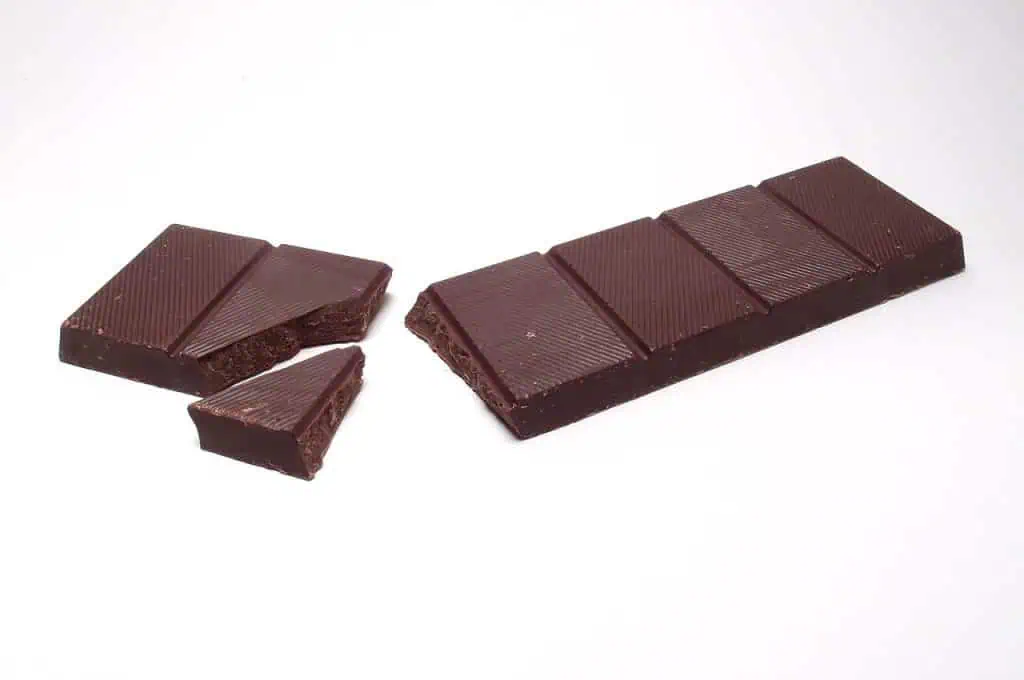
Dark chocolate has enjoyed a real health halo in recent years, and it’s not hard to see why. Studies have shown that it contains flavanols — plant compounds that may support heart health and improve blood flow. And compared to milk chocolate, dark chocolate has less sugar and more cocoa solids. That’s all true. But somewhere along the way, the message got twisted into thinking dark chocolate is basically a health food, something you can eat freely like a handful of almonds or a piece of fruit. Let’s be clear: dark chocolate is still calorie-dense and high in fat. A single ounce of 70-85% dark chocolate contains around 170 calories and 12 grams of fat. It’s absolutely a better choice than milk chocolate or white chocolate, but it’s still a treat — not a vitamin. Enjoy it, but enjoy it mindfully, not like you’re doing your body a favor.
13. Raw Milk is Safer Than Pasteurized
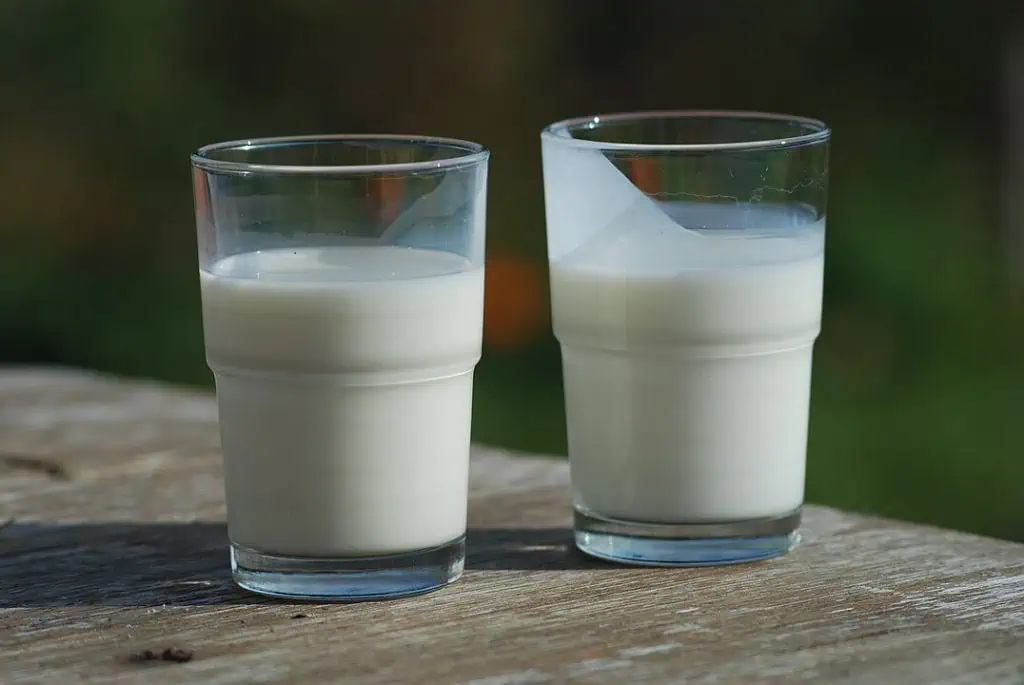
There’s a growing movement of people who swear by raw, unpasteurized milk, claiming it’s more natural, more nutritious, and somehow safer because it hasn’t been “processed.” This is not just wrong — it’s dangerously wrong. Pasteurization was invented for a very good reason: to kill deadly pathogens like E. coli, Salmonella, and Listeria that can and do show up in raw milk. Before pasteurization became standard, milk-borne illnesses were a common cause of serious sickness and even death, especially in children. The nutritional difference between raw and pasteurized milk is minimal at best — pasteurization does slightly reduce some heat-sensitive vitamins, but the amounts are so small they don’t matter for your overall health. Meanwhile, the safety risk of raw milk is significant and well-documented. Drinking raw milk is like playing a game of Russian roulette with your digestive system. Don’t do it.

14. “Natural” Sugar is Always Fine
There’s a common belief that sugar is sugar — except when it comes from “natural” sources like honey, maple syrup, agave nectar, or fruit juice concentrate. Those are somehow seen as better, healthier, or more virtuous than plain white table sugar. Let’s clear this up: honey, maple syrup, and fruit juice concentrate are still sugar. Your body processes the fructose and glucose in these sweeteners almost exactly the same way it processes the sucrose in white sugar. Now, there is an important exception: whole fruit. When you eat an apple or a handful of berries, you’re getting sugar along with fiber, water, vitamins, and plant compounds that slow down absorption and make a big difference to your health. But honey drizzled on your yogurt? Maple syrup in your coffee? Those are added sugars, and your body treats them much like it treats the white stuff. So by all means, enjoy them — just don’t fool yourself into thinking they’re a free pass.

15. Allergy vs. Intolerance
Here’s a mix-up that’s more than just a vocabulary problem — it can actually be dangerous. People often use the words “allergy” and “intolerance” interchangeably, as if they’re the same thing with different names. They are not. A food allergy involves the immune system and can be life-threatening. Even a tiny amount of an allergen can trigger symptoms like hives, swelling, difficulty breathing, or anaphylactic shock. A food intolerance — like lactose intolerance or a sensitivity to gluten (without celiac disease) — is a digestive issue. It can be uncomfortable, even miserable, with symptoms like bloating, gas, or diarrhea. But it is rarely dangerous. Mixing these up in a restaurant setting can lead to serious safety lapses. If someone says they have an allergy, that means cross-contamination matters. If they say they have an intolerance, a small amount might not trigger a reaction. Knowing the difference isn’t just semantics — it’s safety.
So there you have it — 15 food myths, officially busted, one by one. Some of these probably confirmed what you’ve secretly suspected all along (brown eggs aren’t actually better? yeah, you knew it). Others might have genuinely surprised you, like the truth about microwaves preserving nutrients or the fascinating WWII propaganda story behind the carrot vision myth. The takeaway here isn’t that everything you know about food is wrong — it’s that a little bit of curiosity and a willingness to question the “common knowledge” can go a long way. Science changes. Experts learn more. And sometimes, the so-called wisdom that’s been passed down through generations turns out to be nothing more than a well-intentioned misunderstanding. Next time someone tells you to wash raw chicken, or insists that searing locks in the juices, or warns you not to eat after 8 p.m., you’ll know exactly what to say. And if you really want to impress them at the dinner table? Share that story about the carrots and the British radar. Trust me — that one never gets old.
