
Julia Child’s 7 Forgotten French Techniques That Modern Cooks Are Bringing Back
French cooking, with its deep reliance on technique and precision, can elevate simple ingredients to extraordinary dishes. Among the many methods pioneered by culinary icon Julia Child, several have faded from everyday use but are experiencing a resurgence among home cooks seeking to refine their craft. Rediscovering these techniques brings depth and authenticity to your cooking, transforming familiar meals into elegant experiences rooted in time-honored traditions.
Mastering Deglazing Techniques

Deglazing is a fundamental technique that adds layers of flavor to dishes by utilizing the browned bits left in a pan after sautéing. Begin by removing the main ingredient and adding a small amount of liquid such as wine, broth, or cream to the hot pan. Use a wooden spoon to scrape up the fond, allowing it to dissolve into the liquid. This mixture forms the base for rich sauces, capturing savory and complex tastes. Focus on your choice of liquid, as it directly influences the final flavor profile, and ensure the pan is not overcrowded, allowing for even browning and optimal fond formation.
Poaching Proteins to Silky Perfection
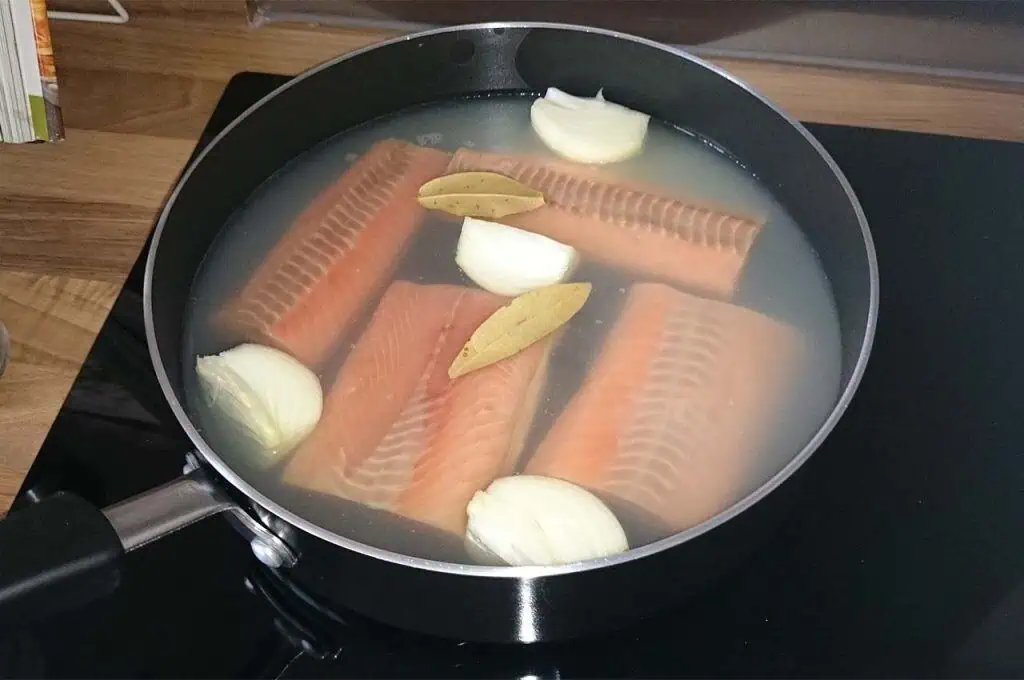
Poaching involves gently cooking proteins in barely simmering liquid, yielding delicate textures and retained moisture. Use a flavorful poaching liquid, such as a court bouillon or infused broth, and maintain a temperature just shy of boiling for the best results. This method is ideal for chicken, fish, and eggs, ensuring tenderness without losing the natural juiciness. Adjust seasonings in your liquid to customize the flavor and be patient, avoiding vigorous boiling that can lead to rubbery textures. Mastery of poaching delivers consistently silky, moist results.
Classic French Braising Techniques

Braising combines slow cooking and moisture to break down tougher cuts of meat, resulting in a tender, flavorful dish. Begin by searing your chosen protein to develop a deeply browned crust, then deglaze the pan before adding aromatic vegetables, herbs, and a modest amount of liquid, typically wine or stock. Cover and cook slowly in the oven or on the stovetop, ensuring gentle heat and away from any harsh boiling. Patience is key, as time allows flavors to meld and meat to become succulent. This method imparts a rich, comforting depth that is unmistakably French.
Reviving Proper Knife Cuts and Mirepoix

Proper knife skills can markedly improve the quality and consistency of your cooking. Beyond form, understanding cuts like julienne, brunoise, and chiffonade ensures uniform cooking. The mirepoix, a foundational French mixture of onions, carrots, and celery, is a staple beginning for countless dishes. Precise, even cuts allow for uniform cooking and flavor release. Sharpen your knives regularly and take the time to practice these techniques. Mastery here offers more than aesthetics; it creates the base for balanced, nuanced flavors in sauces, stocks, and stews.
Hand-Emulsified Sauces for Velvety Dishes

Employing hand-emulsion can transform your sauces by achieving a texture that's both luxurious and velvety. Start by vigorously whisking egg yolks, a touch of mustard, and a drizzle of oil in a bowl nestled over a pan of simmering water. This gentle warmth facilitates the emulsification process. Gradually introduce melted butter in a thin stream, whisking continuously until the mixture thickens to a glossy consistency. Adding a splash of acid, like vinegar or lemon juice, balances flavors and stabilizes the sauce. Mastering this technique enhances dishes like Hollandaise or Béarnaise, offering depth and a seamless, rich texture that elevates any entrée.
Elegant Entrées with Roulade Technique

The roulade technique offers an eye-catching presentation with layers of flavor. Begin by pounding your meat, be it chicken, pork, or beef, until it's uniformly thin, allowing for even cooking. Spread a flavorful filling of herbs, cheese, or vegetables across the flat surface. Carefully roll the meat, securing it with kitchen twine to maintain its shape. Sear the roulade on all sides in a hot pan, creating a caramelized crust, then finish in the oven until cooked through. Resting the roulade before slicing ensures juicy, well-formed slices that showcase the layered interior. This method results in a sophisticated dish suitable for any occasion.
Perfect Soufflés with Stiff-Peaked Whites

Achieving the ideal soufflé involves ensuring egg whites reach the perfect stiff-peak stage. Begin by bringing eggs to room temperature, as this helps whites whip to greater volume. Use a clean, dry bowl, any residue can jeopardize the structure. Beat the whites with a pinch of salt until they form stiff, glossy peaks. Gently fold them into the flavorful base, such as a rich béchamel for savory soufflés or a sweetened purée for dessert versions. Carefully spoon the mixture into prepared ramekins, smoothing the tops for even rise. Bake without disturbance to secure a soufflé that is ethereal, with a height that impresses on the dinner table.
