
Is ‘Skinny Juicing’ Back? What the Science Says This Time
Juicing has returned under names like “skinny juicing” or “green cleanses,” but experts are questioning whether it really works. While many see it as a way to detox or slim down quickly, research shows the health impact is far more complex. Studies reveal both benefits and risks, ranging from nutrient boosts to gut disruption. Here’s what the latest science says about whether juicing deserves a spot in your routine today.
What Skinny Juicing Really Means
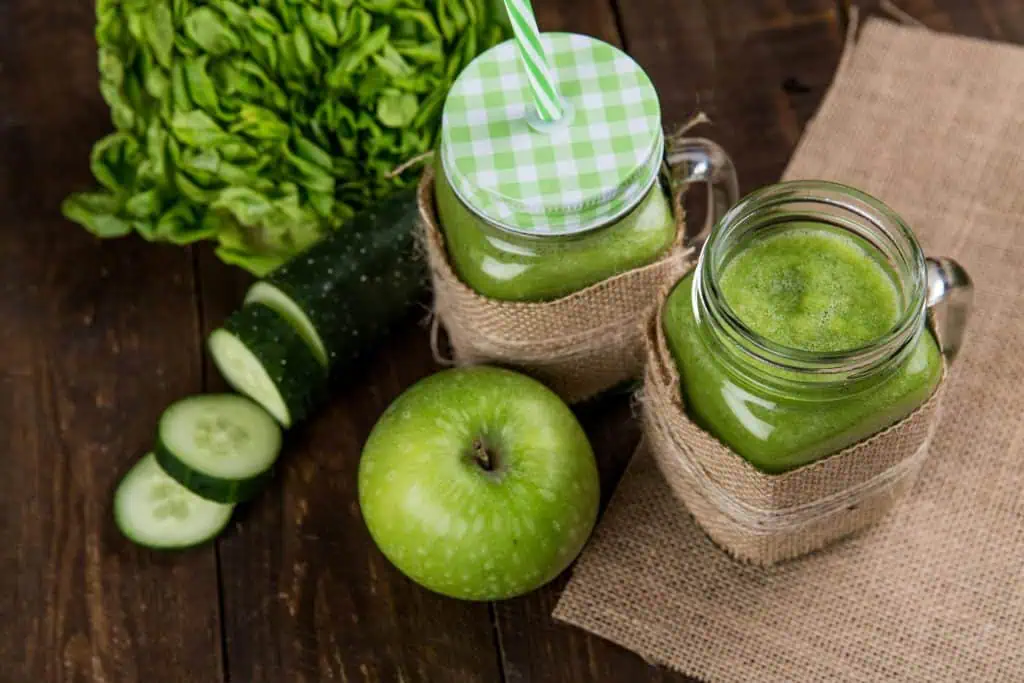
Skinny juicing refers to low-calorie juice diets marketed as detoxes or weight-loss resets. These programs often replace meals with fruit and vegetable juices, removing fiber and leaving behind concentrated sugars and nutrients. Without the bulk of whole foods, the body absorbs sugars quickly, causing spikes in blood sugar. While some feel lighter at first, the lack of balance can make juicing unsustainable in the long term.
Gut Microbiome Disruption
A 2025 clinical study published in Nutrients tracked adults on juice-only diets for three days. Researchers found increases in bacteria linked to inflammation and leaky gut, while participants on whole-food diets had healthier microbial balance. This highlights how removing fiber-rich foods can harm gut health quickly. Experts stress that fiber is crucial for feeding good bacteria and supporting immunity, something juice alone cannot provide.
Blood Sugar Spikes and Crashes

Juices made mostly from fruits deliver natural sugars without fiber to slow absorption. A report from Verywell Health notes that this rapid sugar intake often leads to blood sugar spikes followed by energy crashes, which can be especially risky for people with prediabetes or diabetes. While juices can provide vitamins like C and A, the imbalance between sugar and fiber makes them less stable than whole foods for blood sugar control.
Short-Term Weight Loss vs. Sustainability

Supporters of juicing point to quick weight loss, but experts clarify that it comes from caloric restriction, not detoxification. According to the European Food Information Council (EUFIC), lost weight is often regained after the diet ends, and there’s no scientific evidence that juicing removes toxins. Restrictive juice diets also risk nutrient deficiencies, particularly in protein and healthy fats, making them difficult to sustain without rebound weight gain.
Potential Benefits in Moderation
Despite drawbacks, juicing can still play a role in balanced diets. WebMD highlights that juices can help increase intake of vitamins and antioxidants for people who struggle to eat enough fruits and vegetables. When paired with whole foods, they can add hydration and micronutrients. However, Mayo Clinic experts caution that juices should be a supplement, not a substitute, and recommend blending instead of juicing to preserve valuable fiber.
Smarter Juicing Strategies
If you want to enjoy juices without risks, nutritionists suggest limiting juice cleanses to short periods and prioritizing vegetable-heavy blends. Adding small portions of juice alongside fiber-rich foods like nuts or oats balances nutrients and slows sugar absorption. Research suggests blending rather than straining may better support gut health by retaining pulp. Used wisely, juices can boost nutrient intake, but they should never replace complete meals.
