
13 Classic 70s Dishes Everyone loves but secretly doesn’t
The 1970s introduced convenience cooking, processed shortcuts, and bold presentation into American kitchens. Many dishes from the era became staples at family dinners, holidays, and potlucks, earning a lasting reputation as “classics.” Over time, nostalgia softened memories of their flaws. Today, these foods are often admired for what they represent rather than how they taste. People recognize them instantly, speak fondly of them, and then discreetly choose something else on the table.
Aspic (Savory Gelatin Dishes)

Aspic was once considered elegant and technically impressive, suspending meats, vegetables, or seafood inside clear gelatin molds. In the 1970s, it symbolized modern hosting and visual flair. Today, the cold temperature and jiggly texture feel unsettling to many eaters before flavor even enters the equation. While people appreciate aspic as a retro statement, few genuinely enjoy eating it. It’s admired as a centerpiece, photographed for nostalgia, and remembered as iconic, but rarely finished once served.
Liver and Onions

Liver and onions appeared frequently on ’70s dinner tables because they were affordable and considered highly nutritious. Despite that reputation, the strong mineral flavor and soft texture remain challenging for many people. While some still defend it passionately, most acknowledge it as something they endured rather than loved. When served today, it’s often eaten out of politeness or respect for tradition. The dish carries historical weight, but modern palates rarely crave it willingly.
Tuna Noodle Casserole

Tuna noodle casserole represented the pinnacle of convenience cooking, combining canned tuna, cream soup, and pasta into a single dish. It was filling, economical, and easy to prepare, which made it a household staple. In hindsight, the soft textures and muted flavors don’t hold up well. Many people remember eating it often, but not enjoying it. Today, it’s praised nostalgically yet quietly bypassed when fresher, more flavorful options are available at gatherings.
Jell-O Salad

Jell-O salads were meant to evoke a sense of festivity and creativity, incorporating fruit, marshmallows, or vegetables into brightly colored gelatin. In the ’70s, they were a sign of effort and presentation. Today, the sweet-and-savory combinations confuse most modern palates. The texture alone discourages enthusiasm. People smile when they see one, recognizing its cultural place, but rarely take more than a symbolic spoonful. Admiration has replaced appetite.
Salisbury Steak

Salisbury steak promised comfort and heartiness, often served with gravy and mashed potatoes. While remembered fondly through TV dinners and family meals, the reality was frequently dry meat patties heavily covered in sauce. The flavor rarely matched the expectation. People still reference it warmly, but few actively seek it out. Its reputation survives through memory rather than genuine desire, making it more respected than requested.
Creamed Chipped Beef

Creamed chipped beef was popular because it was inexpensive, filling, and easy to serve over toast. The salty, creamy sauce and processed meat made it practical but heavy. Today, many find it overwhelming and one-dimensional. While older generations may feel nostalgic, most modern eaters quietly avoid it. It’s recognized as a product of its time, useful, memorable, but no longer appealing enough to crave.
Stuffed Bell Peppers (Overcooked Version)
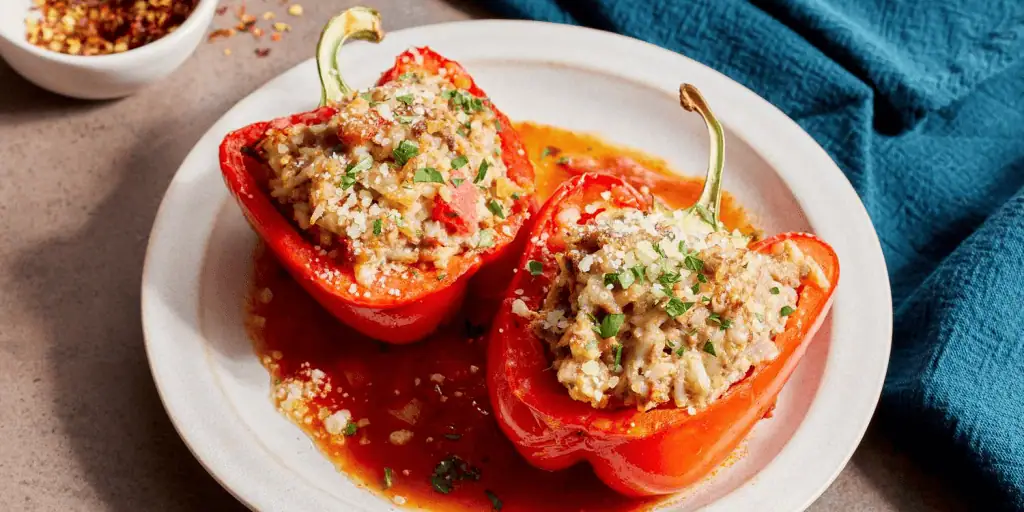
Stuffed bell peppers were widely served in the ’70s, but many versions were cooked until the peppers became bitter and mushy. The fillings often lacked seasoning, resulting in a bland, watery dish. While the concept still sounds wholesome and appealing, the execution many remember was disappointing. People praise stuffed peppers as an idea, but hesitate when faced with the version tied to their childhood memories.
Fondue (Heavy ’70s Cheese Style)
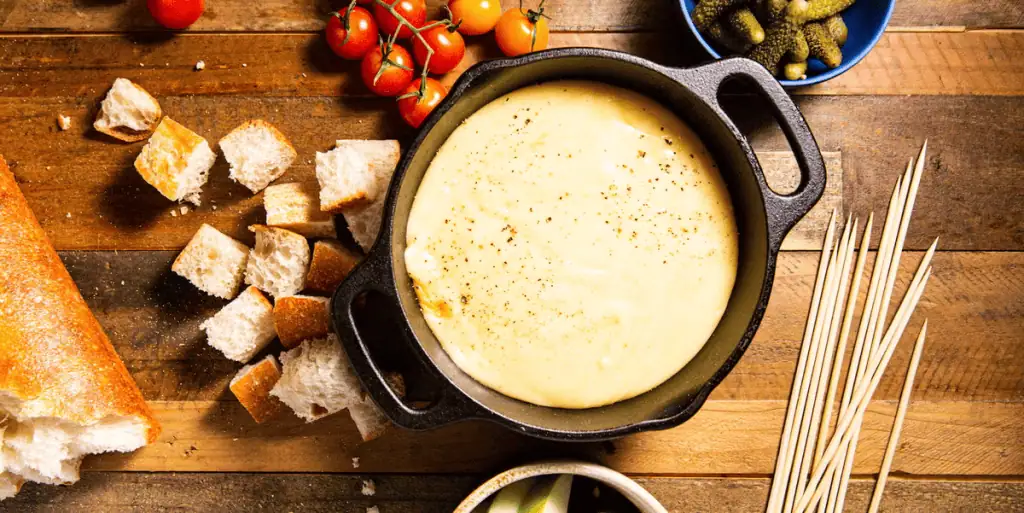
Fondue parties symbolized sophistication and social dining, but the experience often proved exhausting. Thick, heavy cheese eaten over an extended meal became overwhelming, and the novelty wore off quickly. While fondue still exists in lighter, modern forms, the rich ’70s style feels excessive today. People love reminiscing about fondue nights, but fewer actually want to relive them plate by plate.
Beef Stroganoff (Cream Soup Version)

Beef stroganoff made with canned soup was considered elegant at the time, but often tasted flat and overly rich. The sauce dominated the dish, leaving little contrast or brightness. Many people remember it as filling but monotonous. While still referenced as comfort food, the version most remembered from the ’70s rarely inspires true enthusiasm. Its reputation remains stronger than its actual appeal.
Deviled Ham Sandwiches

Deviled ham spreads were convenient lunch staples, valued for shelf life and ease. However, the heavily processed flavor hasn’t aged well. While people remember eating deviled ham sandwiches regularly, few miss them. When offered today, they’re often acknowledged politely and passed over in favor of fresher alternatives. Nostalgia keeps the memory alive, not the craving.
Quiche (Dense, Egg-Heavy Versions)

Quiche became fashionable in the ’70s, representing sophistication and international influence. Unfortunately, many versions were dense, rubbery, and overwhelmingly egg-forward. While quiche remains popular today in refined forms, the versions people remember rarely impressed. They’re spoken of fondly as symbols of the era, but few want to revisit the texture that defined them back then.
Pineapple and Ham Bake

Sweet-and-savory casseroles were common in the ’70s, and pineapple and ham bakes were considered festive. However, the dish often leaned too sweet, with syrupy fruit overpowering the meat. While people remember it appearing at holidays and gatherings, the flavor balance doesn’t resonate with modern tastes. It’s fondly recalled but rarely missed when absent.
Ambrosia Salad
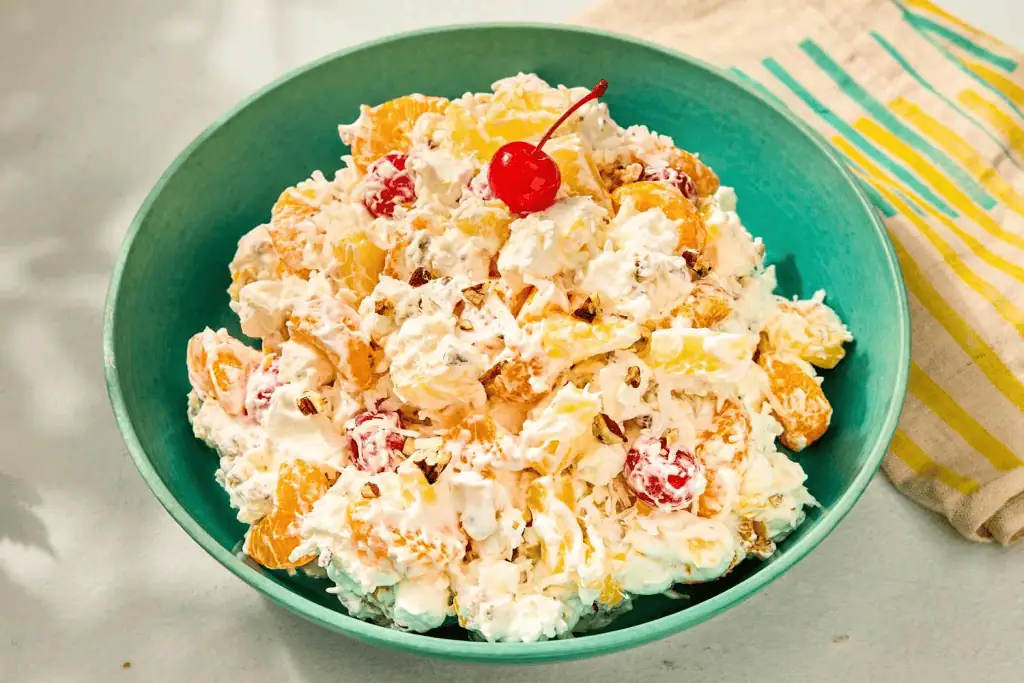
Ambrosia salad mixed fruit, marshmallows, coconut, and cream into a dessert-like side dish. It was cheerful, colorful, and celebratory, but often overwhelmingly sweet and heavy. While people recognize it instantly and smile at the memory, few actually want a full serving today. Ambrosia survives as a nostalgic icon rather than a dish people genuinely crave.
