
Inside Sprinkles: The Cupcake Flavors That Made the Brand Famous
Sprinkles Cupcakes became a national name by transforming cupcakes from casual bakery items into premium, gift-worthy desserts. Launched during the mid-2000s cupcake boom, the brand focused on restraint instead of excess, offering a tightly controlled flavor lineup that emphasized quality, presentation, and consistency. The cupcakes that made Sprinkles famous weren’t flashy experiments; they were deliberately familiar flavors elevated through execution, helping the brand define an entire era of American dessert culture.
The Origins: How Flavor Strategy Built the Brand
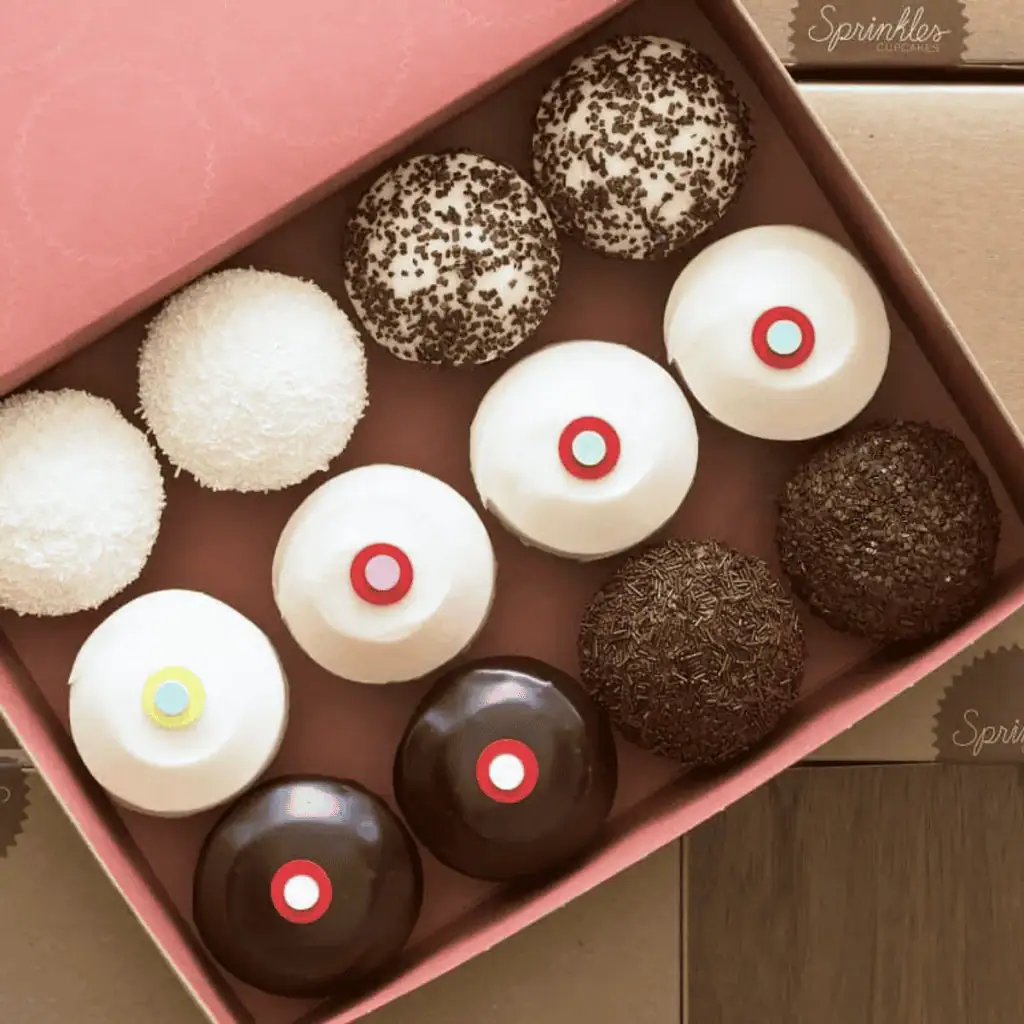
Sprinkles’ early success came from its disciplined flavor philosophy. Rather than chasing novelty, the brand leaned into classic profiles like red velvet, chocolate, and vanilla, refined to feel indulgent and reliable. This approach reassured customers that every visit would meet expectations, which was crucial during rapid national expansion. At a time when boutique bakeries varied wildly in quality, Sprinkles’ consistency helped establish trust and positioned the brand as the gold standard of premium cupcakes.
Evolution Without Reinvention

As food trends accelerated, Sprinkles largely stayed loyal to its original flavor identity. Seasonal rotations added modest variety, but the core menu remained unchanged for years. This consistency reinforced brand recognition but limited adaptability. While competitors experimented with oversized portions, bold mashups, and social-media-driven visuals, Sprinkles emphasized refinement over spectacle. What once felt confident and mature slowly began to feel static in a desert market increasingly shaped by novelty and shareability.
When Consumer Behavior Shifted
The broader dessert landscape changed faster than Sprinkles did. Cupcakes lost cultural dominance as consumers gravitated toward brands offering constant rotation, customization, and visual drama. At the same time, indulgent desserts became more occasional purchases rather than routine treats. Sprinkles’ single-product focus made it vulnerable as customers began favoring dessert destinations that felt experiential rather than transactional, especially among younger, trend-driven audiences.
Why Sprinkles Is Closing Locations Now

Sprinkles’ closures are the result of converging pressures rather than declining quality. Rising commercial rents, increased labor costs, and delivery-centric eating habits have eroded the viability of premium single-item bakeries. Consumers are also more price-sensitive, often choosing lower-cost indulgences or more immersive dessert experiences. Sprinkles’ luxury positioning, once its advantage, now struggles to justify frequent in-store visits in a market demanding flexibility and value.
What Sprinkles’ Decline Says About Food Brands

Sprinkles didn’t fail; it aged out of the moment it helped create. The flavors that built the brand remain well-crafted, but modern food culture rewards rapid evolution over legacy. Sprinkles’ story illustrates how iconic brands can define an era yet still face contraction when consumer priorities shift. Its closures represent not a collapse, but the quiet conclusion of the original cupcake boom and a lesson in how taste, economics, and culture move together.
