
13 Jewish Desserts that Have Stood the Test of Time
Jewish desserts tell stories of migration, memory, celebration, and serious sweet tooth satisfaction. Some are tied to holidays, others are everyday bakery legends, but all of them bring something comforting and memorable to the table. If you want a dessert list with history, flavor, and plenty of flaky, chewy, honeyed goodness, this is a very good place to start.
Rugelach
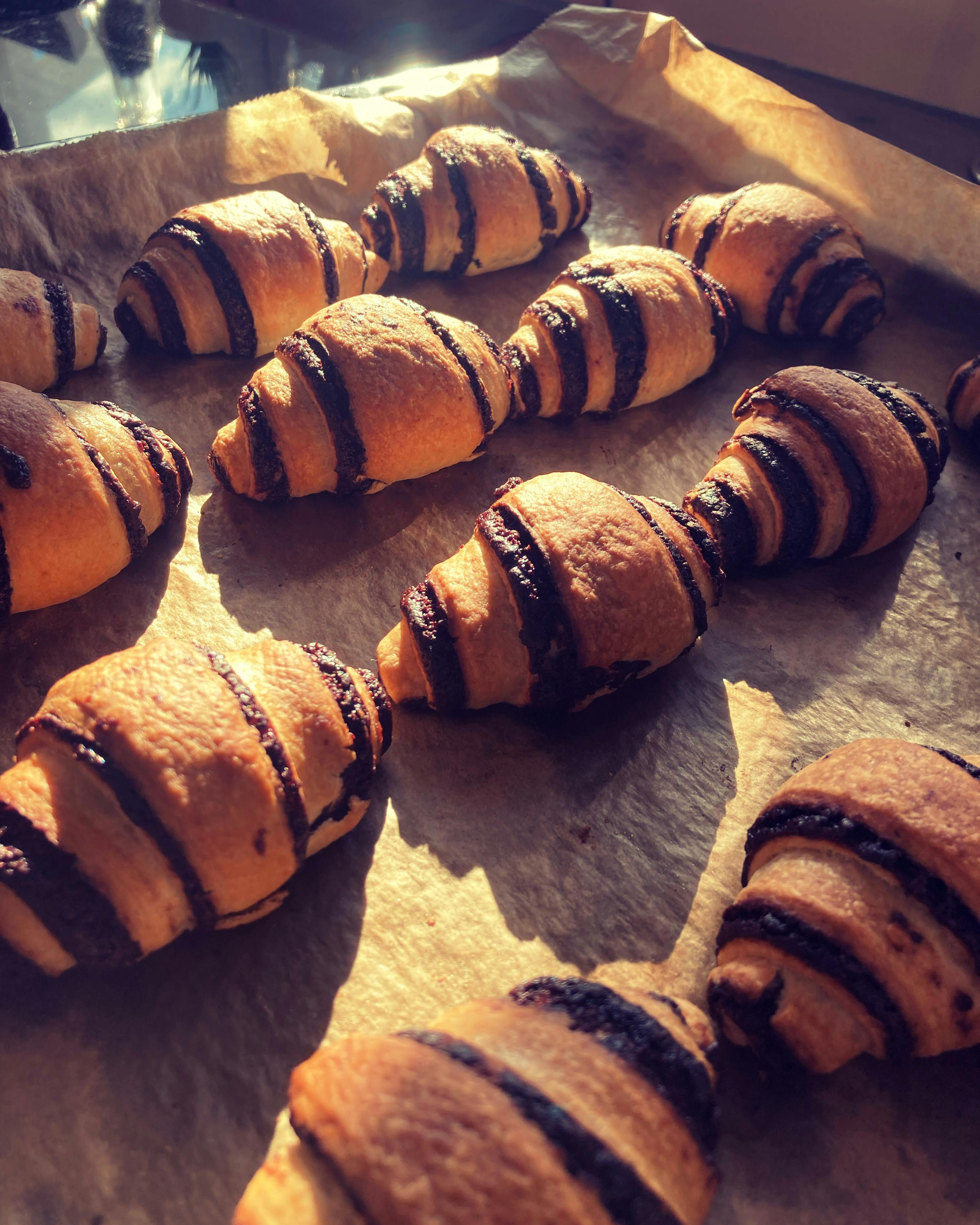
Rugelach is the kind of pastry that disappears fast, whether it’s served with coffee at brunch or set out on a holiday dessert table. These little spirals or crescents are usually made with a rich dough and filled with cinnamon sugar, jam, chocolate, nuts, or all of the above.
What makes rugelach so irresistible is the contrast between tender pastry and sweet, slightly sticky filling. A good one is buttery, flaky, and just crisp enough at the edges. It’s a classic bakery treat that feels both elegant and completely unfussy, which is probably why so many people fall for it on the first bite.
Babka
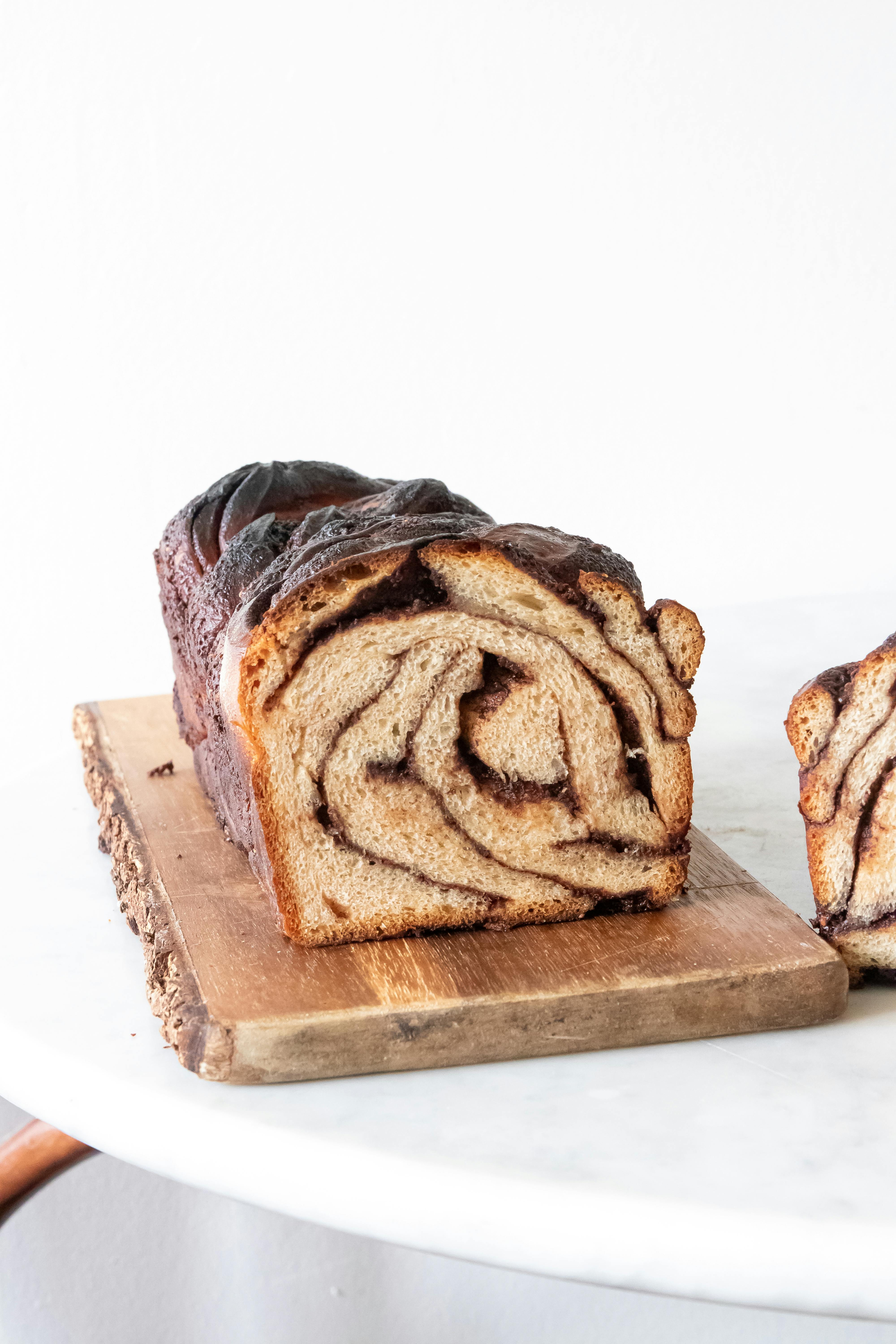
Babka looks dramatic before you even taste it. With its twisted layers and glossy top, this enriched bread sits somewhere between cake and pastry, and it has become a star far beyond Jewish bakeries. Chocolate babka may get the loudest applause, but cinnamon versions have plenty of devoted fans too.
The magic is in the swirls. Each slice gives you soft bread, rich filling, and caramelized edges that seem to hold all the best flavor. Babka is wonderful fresh, but it also toasts beautifully the next day, which makes leftovers feel less like leftovers and more like a reward.
Hamantaschen
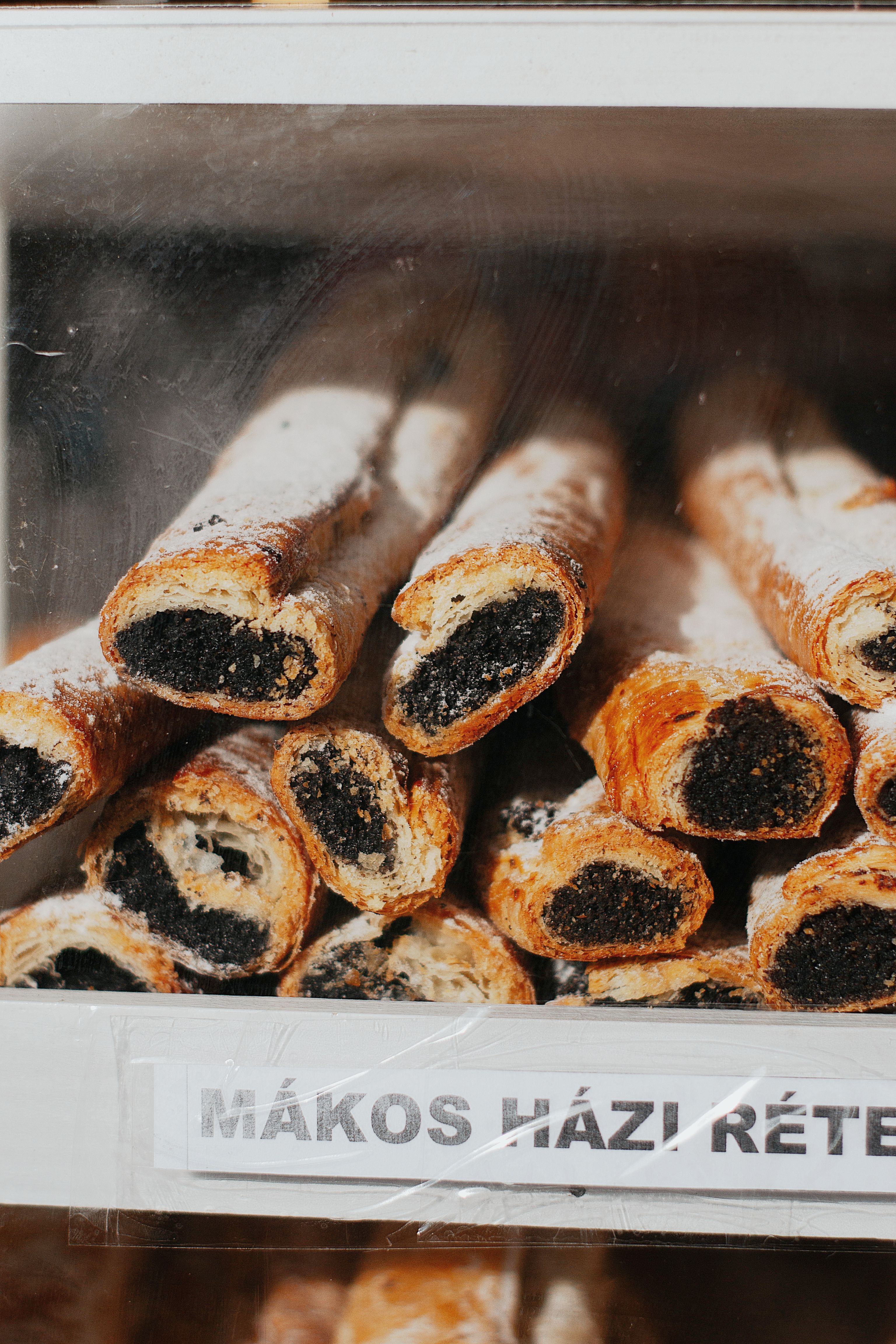
Hamantaschen are the iconic cookies of Purim, instantly recognizable for their triangular shape and jammy center. Traditionally filled with poppy seed or fruit preserves, they now come in everything from apricot and prune to chocolate and caramel, depending on the baker’s imagination.
Part of the fun is the texture. The cookie itself is tender and slightly crumbly, while the filling adds a concentrated burst of sweetness. Even people who didn’t grow up eating hamantaschen tend to love the mix of playful appearance and old-world charm. They’re festive, nostalgic, and just unusual enough to stand out on any dessert platter.
Black and White Cookies

Black and white cookies are one of those deli-case classics that feel larger than life. Technically more cake-like than crisp, these oversized cookies are topped with half vanilla icing and half chocolate frosting, creating a dessert that is simple, graphic, and impossible to miss.
The best versions strike a satisfying balance between fluffy base and smooth topping. Every bite gives you a little vanilla, a little chocolate, and a lot of bakery nostalgia. They’re especially beloved in New York Jewish food culture, but you don’t need local roots to appreciate their appeal. One look at that glossy half-and-half top, and the craving tends to arrive immediately.
Mandelbrot
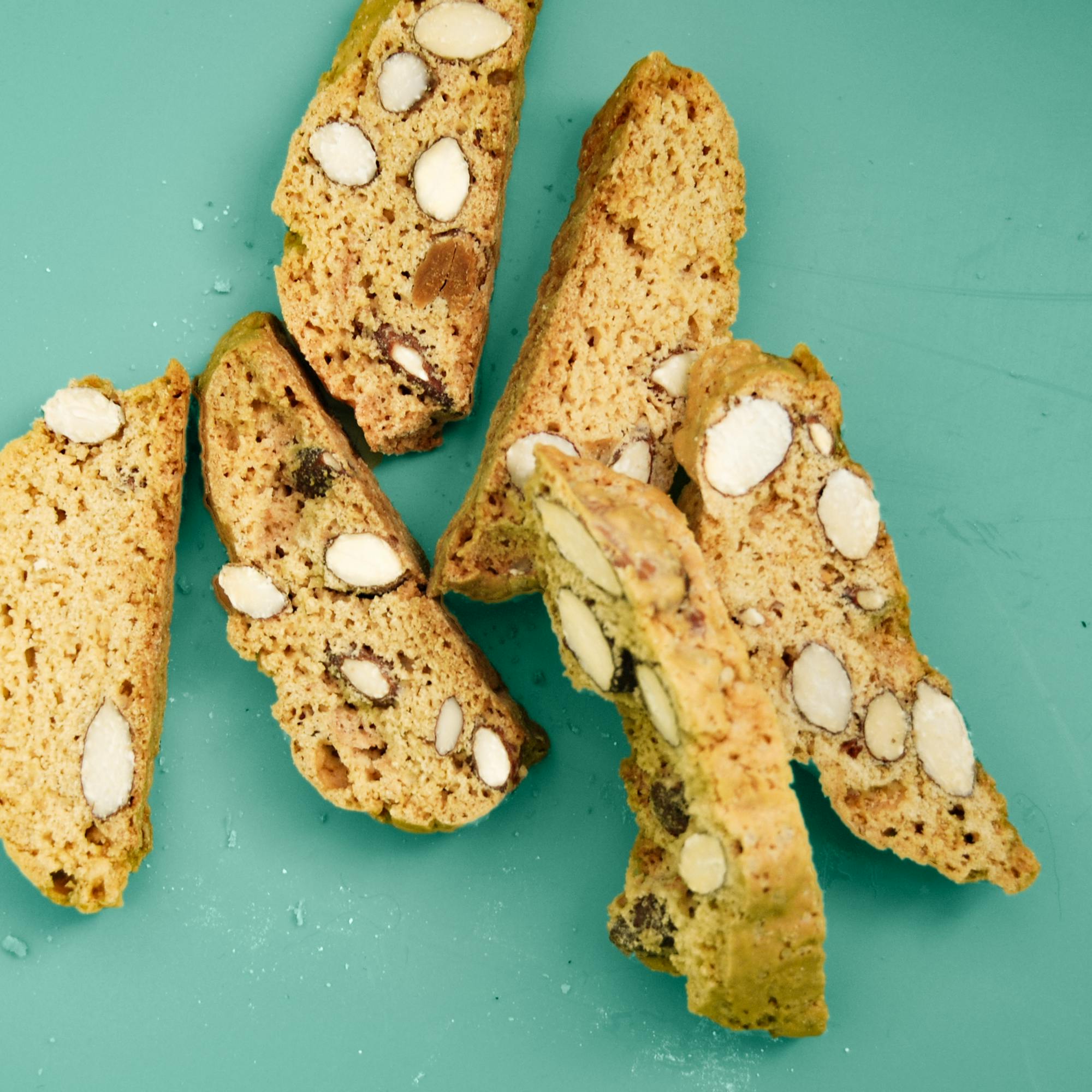
Mandelbrot is often described as the Jewish cousin of biscotti, and that comparison makes sense the moment you hear the crunch. This twice-baked cookie is usually sliced into long pieces and flavored with almonds, cinnamon, chocolate chips, or dried fruit, depending on family tradition.
What makes mandelbrot so lovable is how unfancy it is. It’s sturdy, straightforward, and made for dipping into coffee or tea while you linger at the table. The texture can range from pleasantly crisp to almost cookie-cake soft in the center, and everyone seems to have an opinion on the ideal version. Either way, it’s a comfort dessert that quietly earns repeat fans.
Sufganiyot
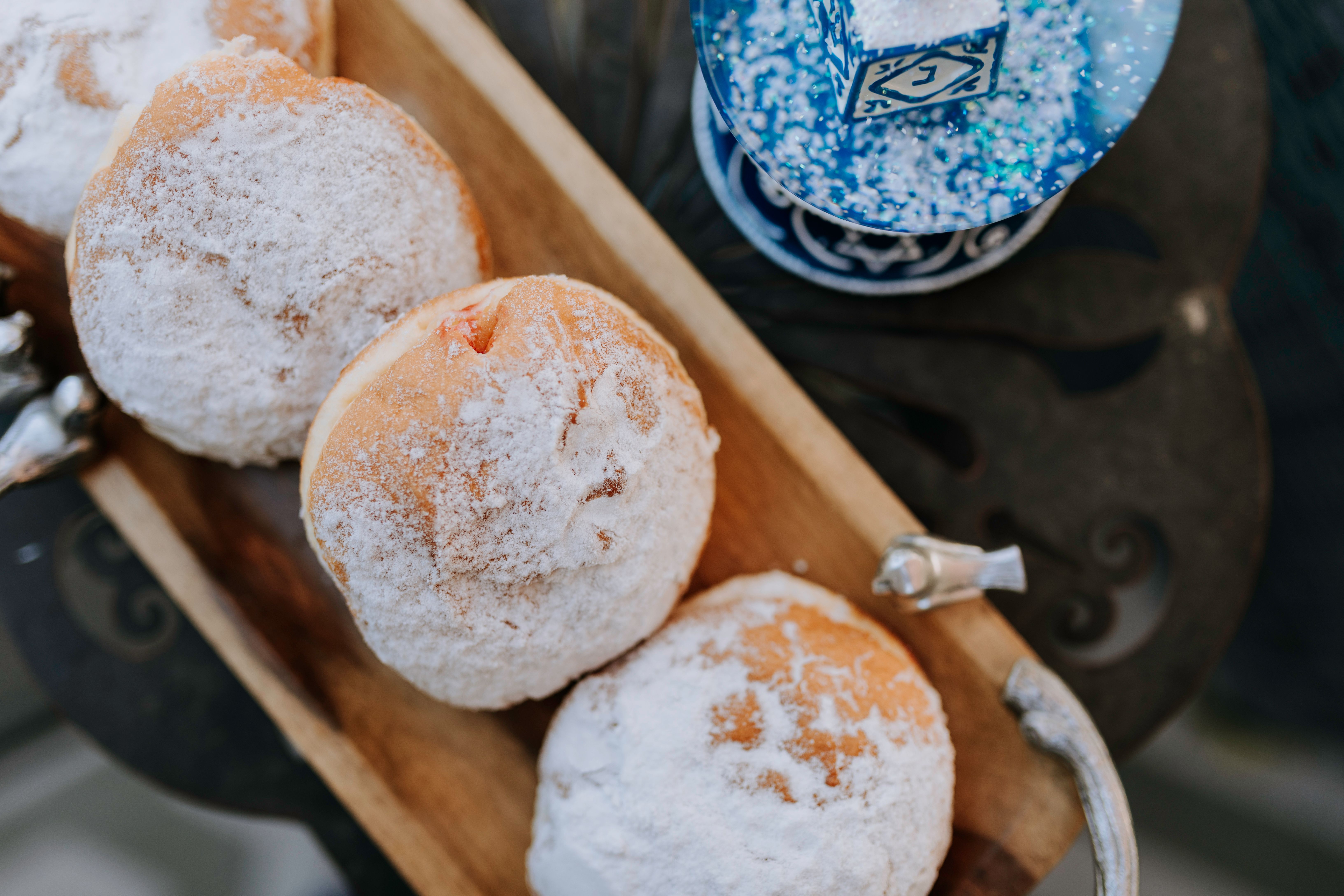
Sufganiyot are the jelly doughnuts that take over bakeries during Hanukkah, and frankly, they deserve the spotlight. Traditionally deep-fried to honor the holiday’s oil miracle, these pillowy doughnuts are often filled with jam and finished with a generous dusting of powdered sugar.
Modern versions can get wonderfully over the top, with custard, dulce de leche, chocolate cream, or fruit curds inside. But even the classic jam-filled style is hard to beat when it’s fresh and still impossibly soft. A good sufganiyah has that ideal combination of airy dough, rich filling, and just enough mess to make eating it feel like part of the celebration.
Honey Cake
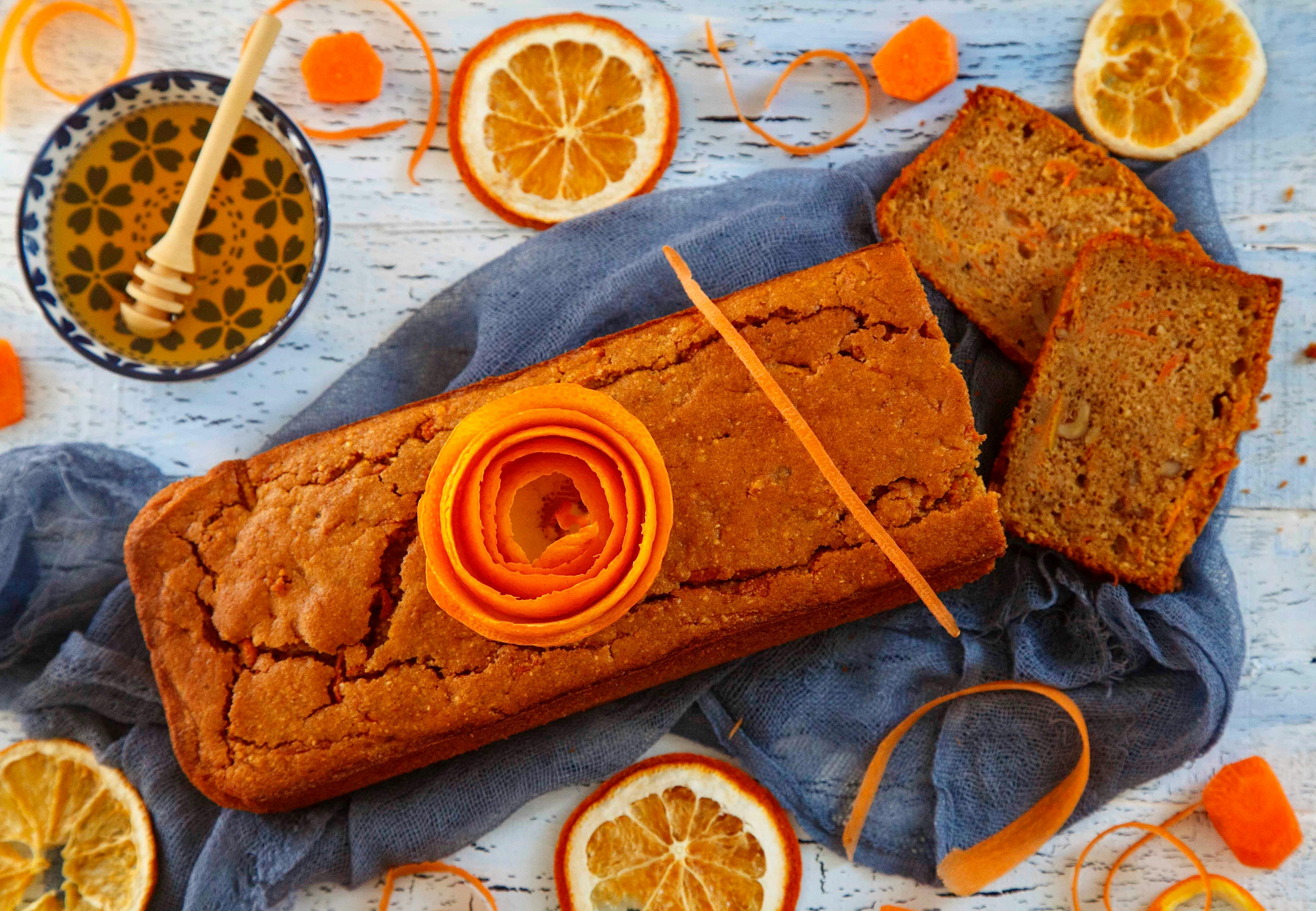
Honey cake is deeply associated with Rosh Hashanah, when sweet foods symbolize hopes for a sweet new year. It’s a humble-looking loaf cake, usually dark from honey and spices, with a moist crumb that gets better as the flavors settle and deepen.
This is not a flashy dessert, and that’s part of its charm. Depending on the recipe, you might taste coffee, tea, citrus, or warm baking spices alongside the honey. Some versions are light and delicate, while others are dense and almost sticky. However it’s made, honey cake feels rooted in tradition, and one slice often leads to a second after you decide the first was just a sample.
Passover Macaroons

Passover macaroons are a completely different creature from delicate French macarons, and that confusion ends the moment you take a bite. These are chewy coconut mounds, often dipped or drizzled in chocolate, and they show up everywhere during Passover because they skip leavened flour.
Their charm is in the texture. The outside can be lightly crisp, while the inside stays moist, sweet, and satisfyingly dense. Some people love the plain coconut version, others go straight for chocolate-covered. Either way, they’ve become a holiday staple with year-round appeal. If you think coconut desserts aren’t for you, this is one of the strongest arguments for reconsidering.
Fluden
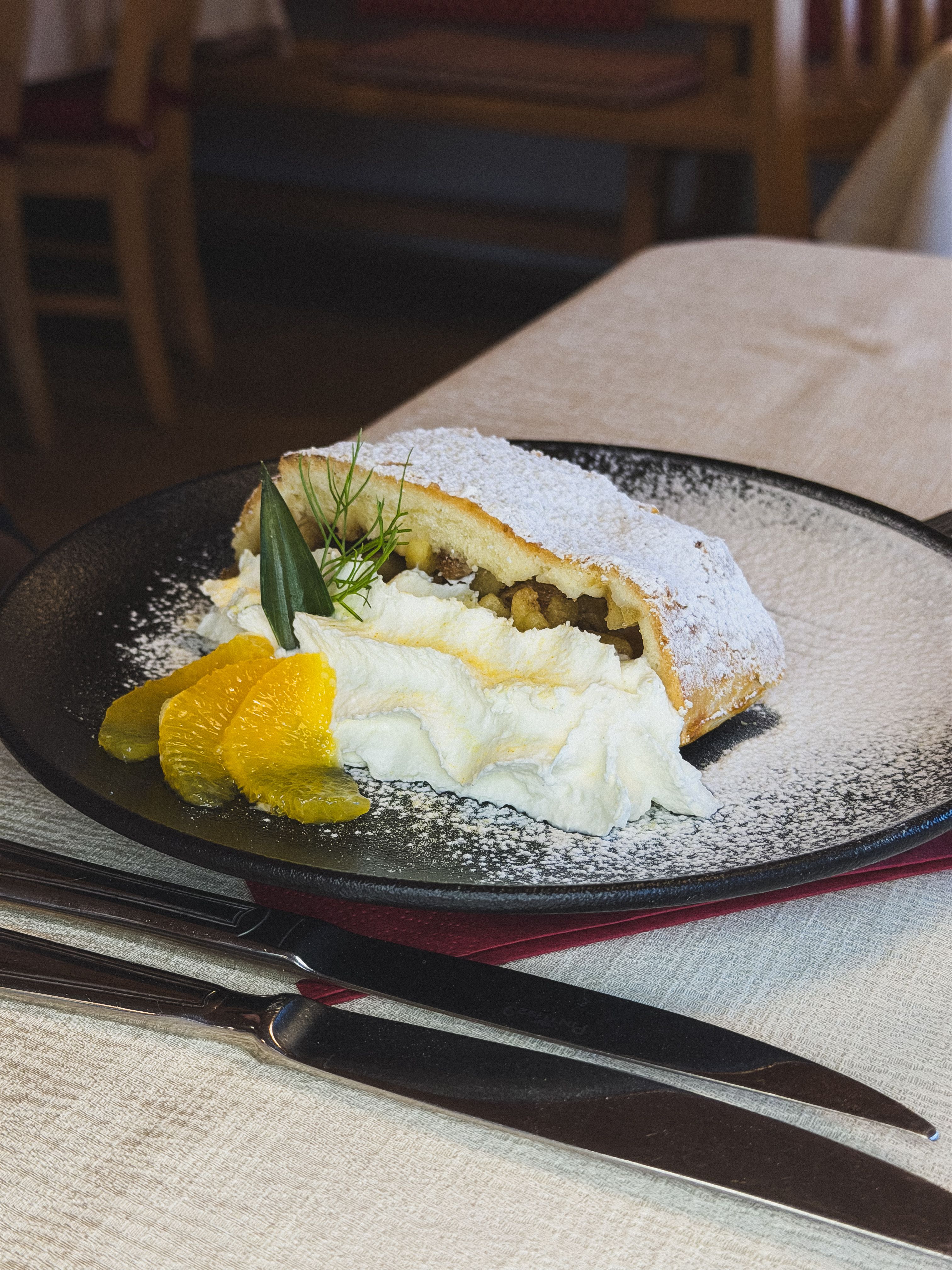
Fluden is one of those desserts that deserves more attention than it gets. This layered Ashkenazi pastry is often filled with apples, poppy seeds, nuts, raisins, or jam, creating a dense, old-world sweet that feels like several desserts folded into one.
Every slice has a little complexity to it, with chewy fruit, earthy poppy seed, and pastry that holds everything together. It’s the kind of dessert that tastes especially tied to family recipes and special occasions, even if you’re trying it for the first time. Fluden may not have the instant name recognition of babka or rugelach, but its rich texture and layered flavor make it unforgettable.
Teiglach
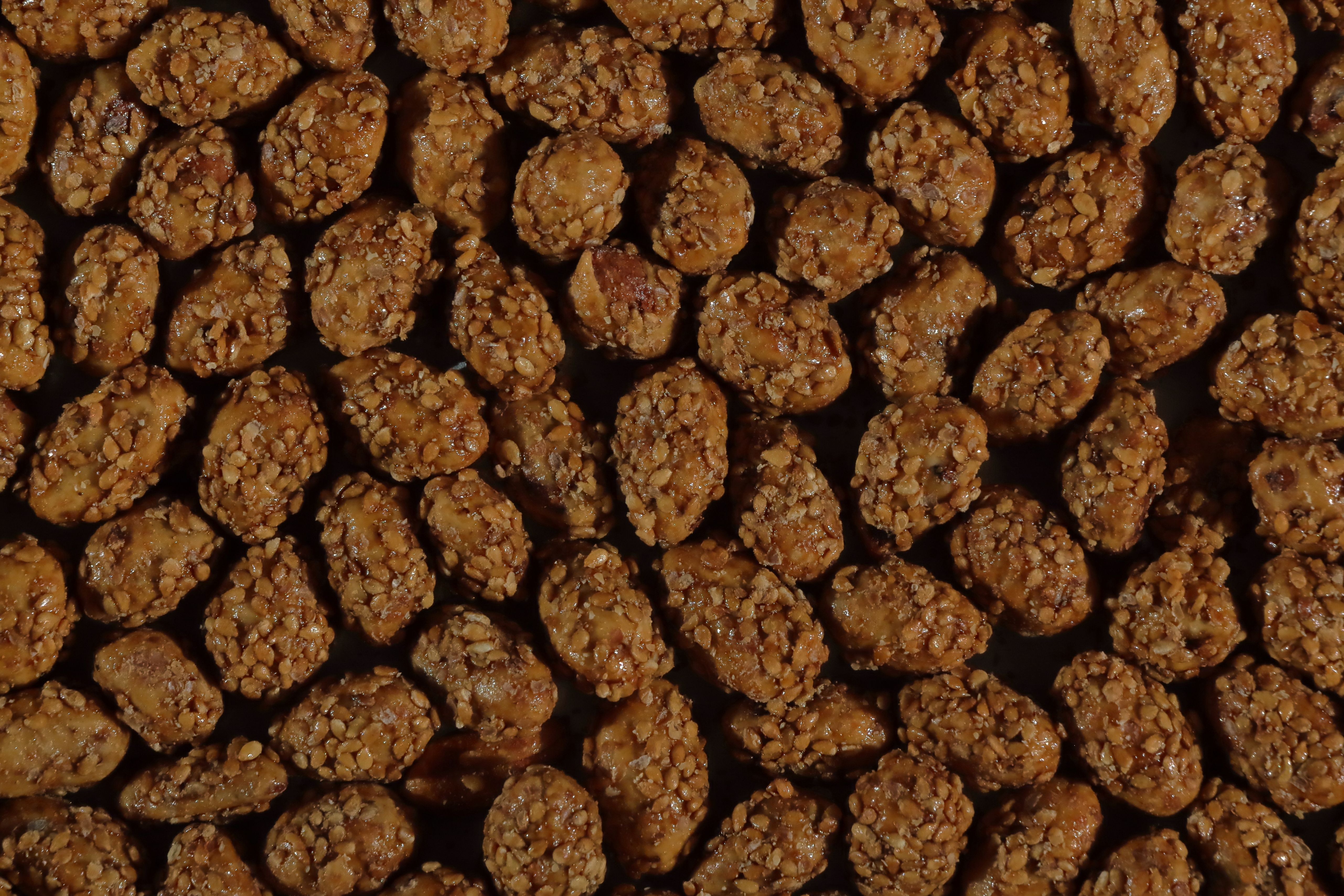
Teiglach is not subtle, and that’s exactly why people remember it. These small pieces of dough are cooked in honey syrup and often clustered together with nuts, creating a sticky, glossy dessert that is especially associated with Rosh Hashanah and other festive moments.
The first thing you notice is the chew, followed quickly by the deep sweetness of honey. Teiglach has a rustic look and a very traditional feel, the sort of dessert that seems to arrive with stories attached. It won’t be everyone’s everyday snack, but as a one-of-a-kind taste of Jewish holiday baking, it absolutely earns a place on the must-try list.
Kichel
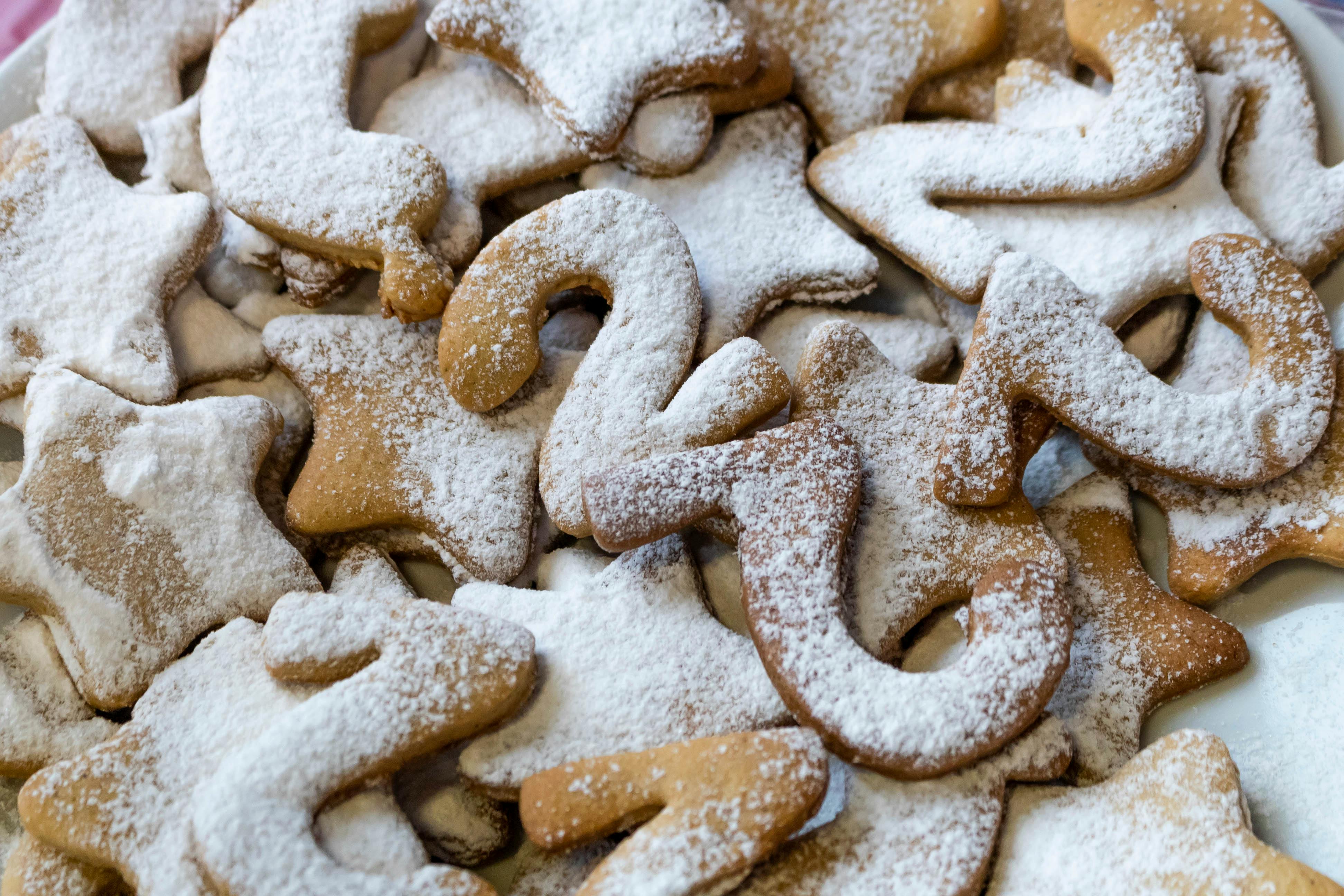
Kichel are airy, crisp cookies that can look almost plain until you actually eat one. Sometimes called bow-tie cookies when shaped that way, they’re lightly sweet and often dusted with sugar, making them more delicate and snackable than richer Jewish pastries.
Because they’re so light, kichel have a habit of disappearing by the handful. They pair beautifully with tea or coffee and can swing sweet or just barely sweet depending on the recipe. There’s something appealingly old-school about them, like a bakery treat that values texture over drama. If you usually go for bold desserts, kichel offer a quieter pleasure that sneaks up on you in the best way.
Cheesecake
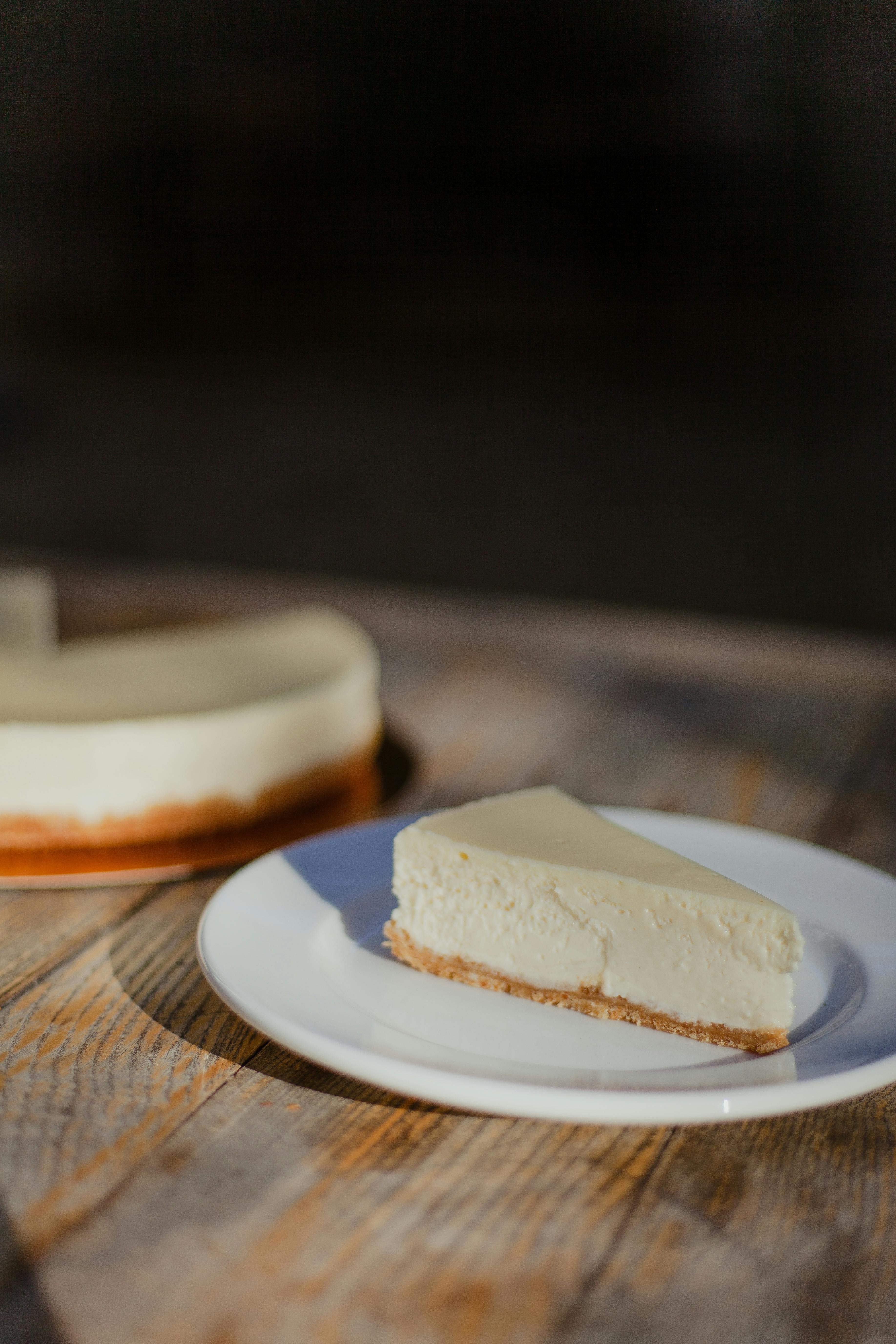
Cheesecake has a special place on Shavuot tables, when dairy dishes take center stage, but it hardly needs a holiday to justify itself. In Jewish baking traditions, cheesecake can range from rich and dense to light and tangy, sometimes baked in a crust and sometimes completely crustless.
What sets many Jewish-style cheesecakes apart is their simplicity. They often let the creamy filling do the talking rather than piling on too many extras. That makes each bite feel balanced instead of heavy. Whether topped with fruit, left plain, or flavored with a little vanilla or lemon, it’s a dessert that feels celebratory without trying too hard.
Lekach
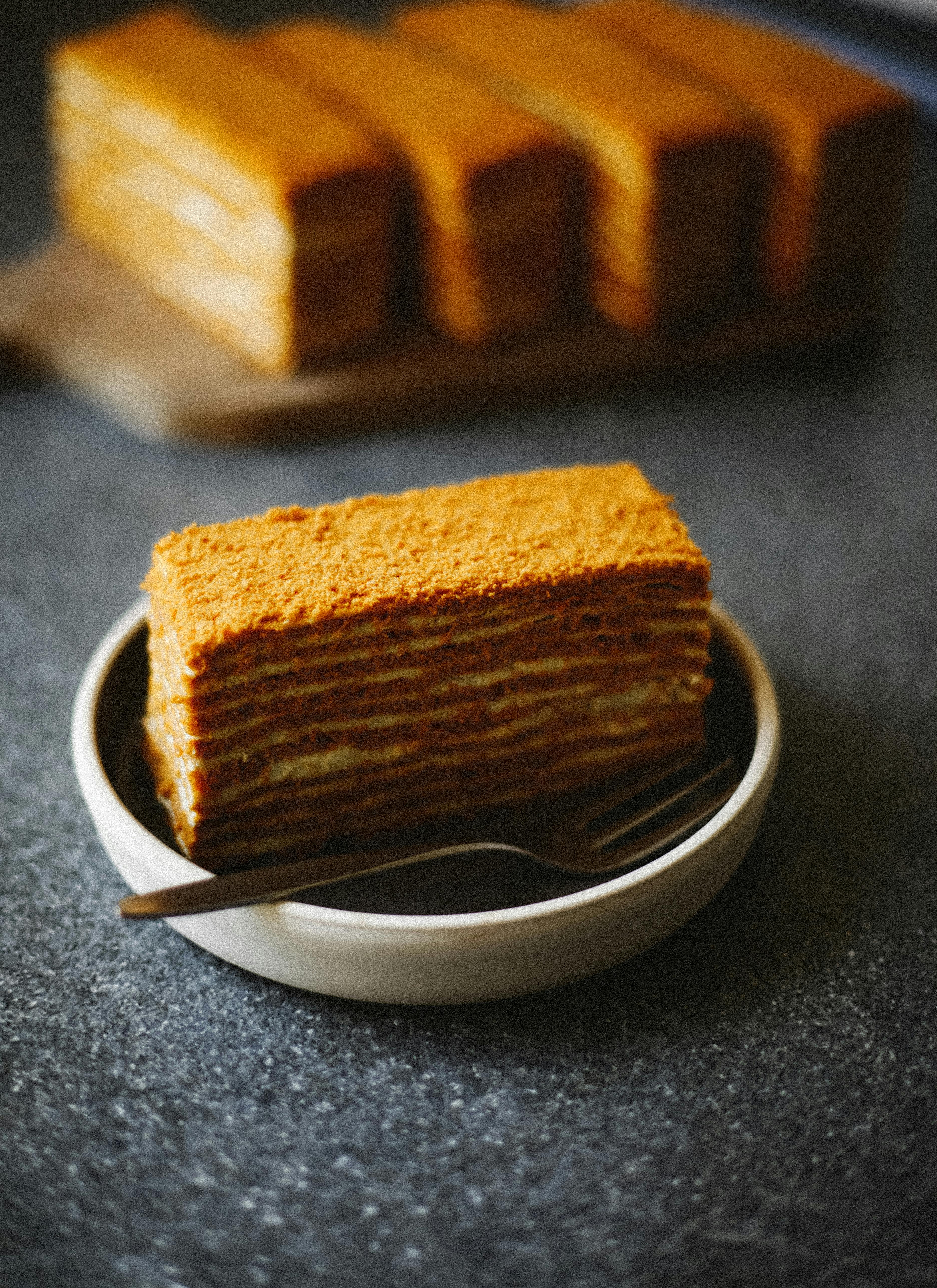
Lekach is sometimes grouped with honey cake, and the two are closely related, but many bakers and families treat it as its own treasured tradition. This Yiddish-style spiced honey cake is often associated with the High Holidays and carries a warm, deeply fragrant character.
A slice of lekach can taste of cloves, cinnamon, ginger, tea, or citrus, depending on the recipe passed down in a household. It’s the kind of dessert that feels most at home beside a hot drink and a long conversation. Dense without being heavy, sweet without being flashy, lekach shows how much comfort can come from familiar ingredients handled with care and memory.
Apple Strudel
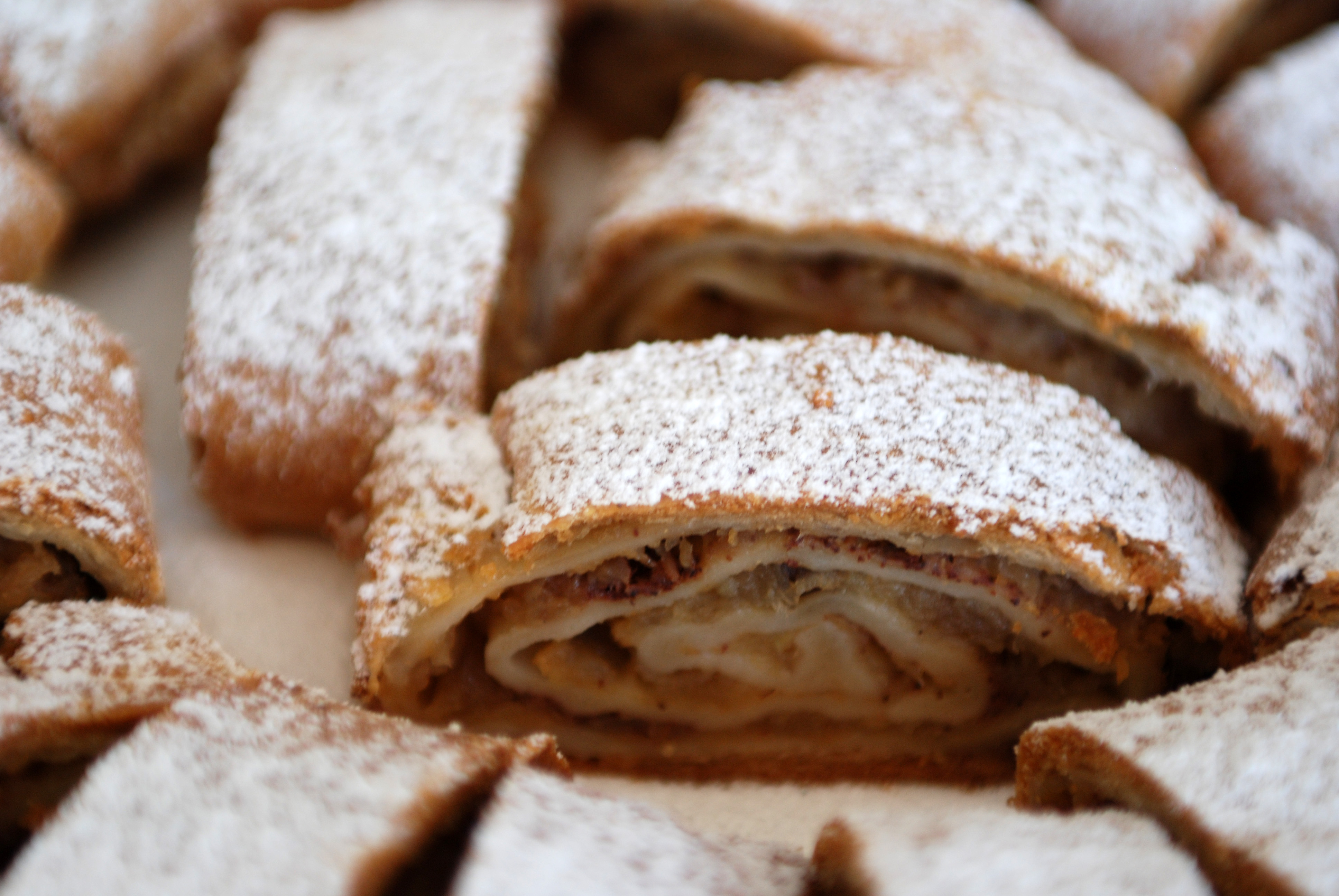
Apple strudel may be shared across many Central and Eastern European traditions, but it has long been part of Jewish baking life too. Thin layers of pastry wrapped around spiced apples, raisins, and sometimes nuts create a dessert that feels both celebratory and deeply homey.
The pleasure is all about contrasts. You get flaky exterior, tender fruit, and just enough sweetness to make it feel indulgent without becoming too rich. Served warm, it’s especially inviting, but room-temperature strudel with coffee has its own quiet magic. It’s a dessert with broad appeal, and once you taste a good one, it becomes very easy to understand how it traveled so widely.
Kreplach Cookies
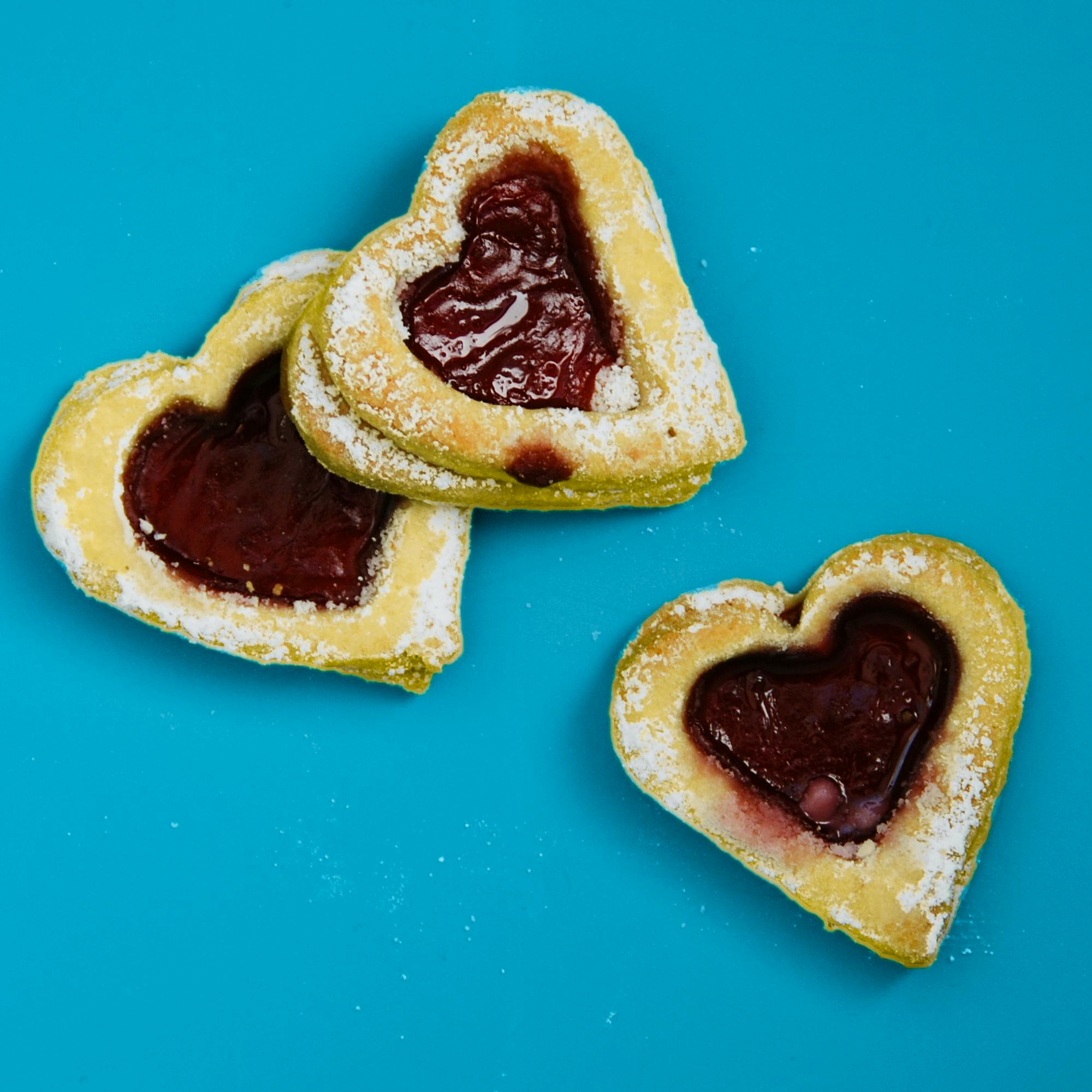
Kreplach cookies are a lesser-known treat that deserve a bigger audience. Unlike the savory dumplings with the same name, these are filled cookies or pastry pockets, often stuffed with fruit preserves, cinnamon, or nuts and baked until lightly golden and tender.
They have a homespun quality that makes them especially charming. The shape can vary, and so can the filling, but the result is usually a soft, comforting bite with a sweet center and just enough pastry to frame it. If you love desserts that feel tied to family kitchens rather than flashy pastry counters, kreplach cookies offer exactly that kind of intimate, old-world appeal.
