
Banned Abroad: 10 Controversial Foods You Can Still Eat in the U.S.
This guide explores unique foods that face restrictions abroad yet remain available in the U.S. Often linked to health, environmental, or cultural concerns, these items provoke debate and curiosity. For the adventurous cook, understanding these ingredients can enhance kitchen creativity while inviting careful consideration of broader food issues.
Mountain Dew’s Colorful Controversy

Mountain Dew, known for its vibrant hue, owes much of its distinct color to Yellow No. 5. In some countries, food dyes like this are restricted due to potential health impacts. Despite the controversy, this soda is popular for its bold flavor. When used in recipes, such as glazes or marinades, its citrus notes can enhance dishes with a touch of sweetness and acidity.
The Problem with Farm-Raised Salmon
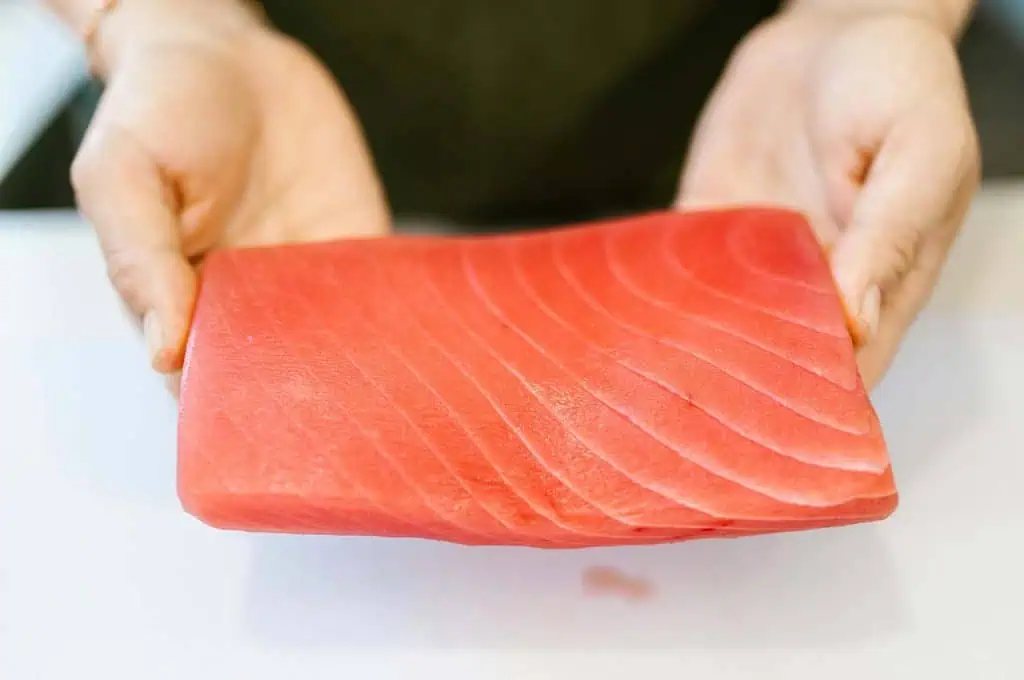
In regions outside the U.S., farm-raised salmon is sometimes avoided due to environmental and health concerns. Issues like antibiotic use and habitat disruption are at the forefront. However, its accessibility in the States makes it a staple for many. To elevate its flavor, consider marinating the fillets with herbs and citrus, achieving a balance that complements its rich texture.
Ractopamine: The Pork Debate
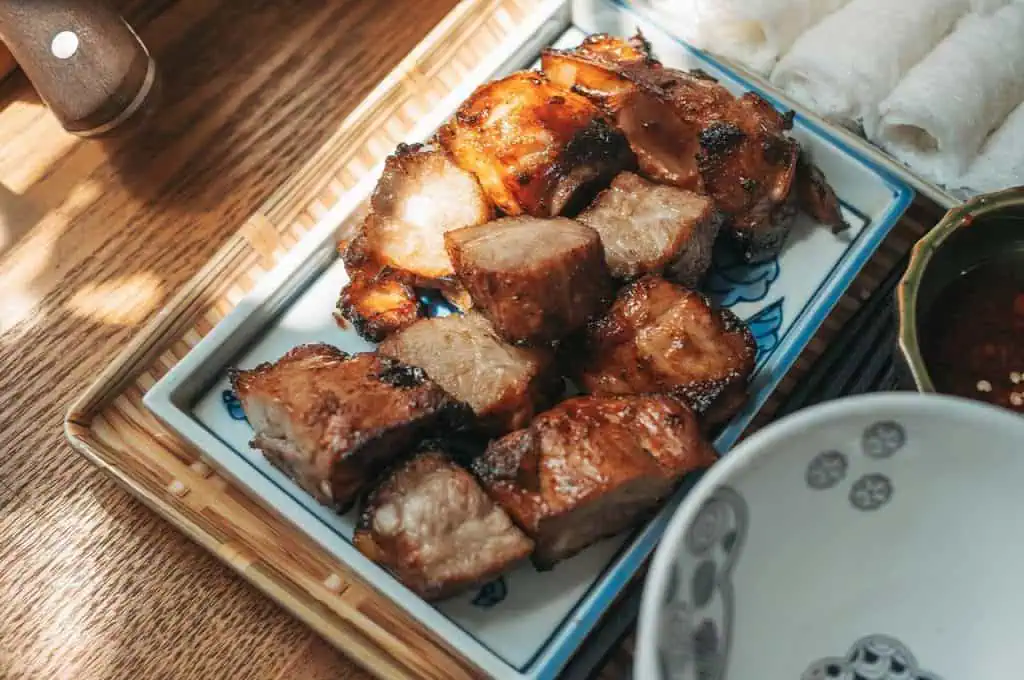
Ractopamine, a feed additive used to promote leanness in pork, is banned in several countries. Concerns revolve around animal welfare and health implications. Nevertheless, U.S. consumers enjoy its benefits of leaner pork cuts. To enhance these cuts, utilize slow-cooking techniques that infuse moisture, keeping the meat tender and flavorful without compromising texture.
Is Your Bread Breaking the Rules?

Some breads in the U.S. contain potassium bromate, a flour improver banned elsewhere, linked to health risks. Despite its use, artisans favor it for producing high-rise, fluffy loaves. Achieve similar results with slow fermentation, which develops both structure and flavor naturally, ensuring a satisfying crumb and aroma that captivates the senses.
Chlorine-Washed Chicken Concerns

In the U.S., chicken processing often includes a chlorine wash, a practice banned in the EU due to food safety concerns. This method aims to reduce bacteria like Salmonella, enhancing safety but stirring debate over chemical residue. While many experts affirm its safety, the key here is to handle poultry with proper techniques. Keep raw chicken separate, use a thermometer to ensure it reaches 165°F, and rest it post-cooking to let the juices settle. Culinary success often hinges on mindful preparation, transforming concerns into confidence.
Frosted Flakes and the BHT Question

Frosted Flakes, beloved for their sugary crunch, contain BHT—a preservative banned in some countries over health concerns. In the U.S., its use is deemed safe by the FDA in small amounts. If you’re apprehensive, consider alternatives like making your own granola with natural sweetness and crunch. Toast oats, nuts, and seeds, then bind with honey or maple syrup. This approach allows you full control over ingredients, creating a homemade version free from preservatives but rich in flavor and texture.
Skittles: Taste the Forbidden Rainbow

Skittles appeal with vibrant colors and fruity flavor, but their chemical additives like titanium dioxide have led to bans elsewhere. While deemed safe by U.S. standards, consumers seeking alternatives can craft fruit-based snacks at home. Dehydrate slices of fruit or blend and freeze fresh berries for a natural treat. Not only do these homemade options offer a similar sweetness, but they also deliver genuine fruit flavors. Exploring such alternatives ensures a creative kitchen experience, minus the controversial additives.
Arsenic in Your Chicken Feed?
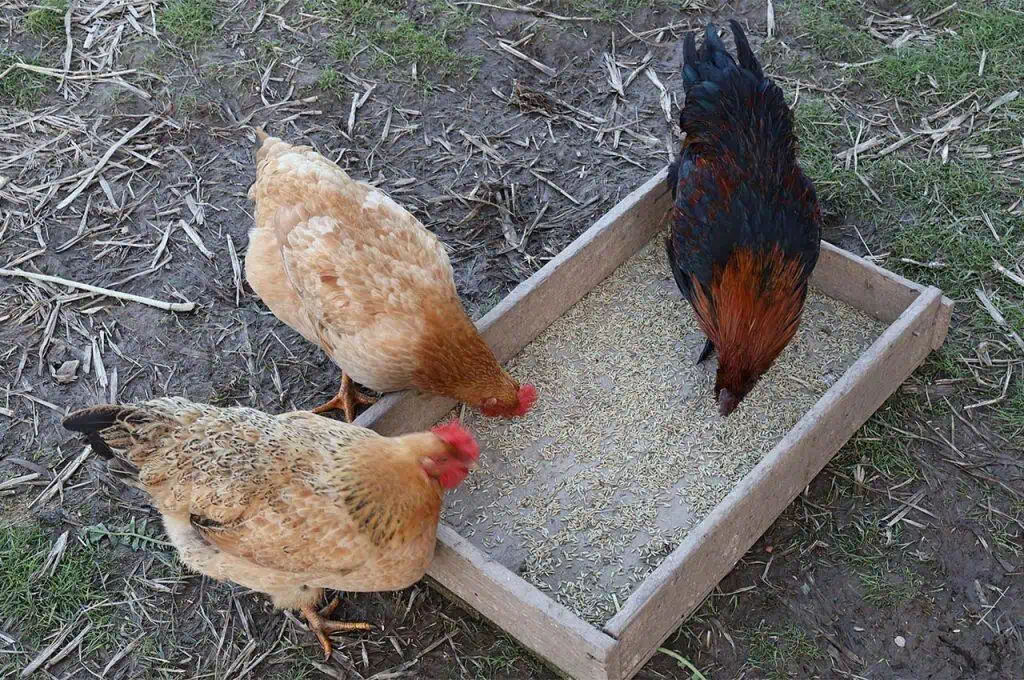
Arsenic in poultry feed raised alarm, leading to its ban in the EU. In the U.S., arsenic-containing additives were phased out, yet concerns linger. For confidence, consider locally-sourced, pasture-raised chickens. These birds often have diets free from such additives, offering peace of mind. Cooking tips remain timeless: season with fresh herbs and roast to perfection. Checking for a golden-brown skin, indicative of crispy texture, can yield delightful results. Opt for quality sources to elevate both flavor and safety in chicken dishes.
Olestra: The Faux Fat Fiasco
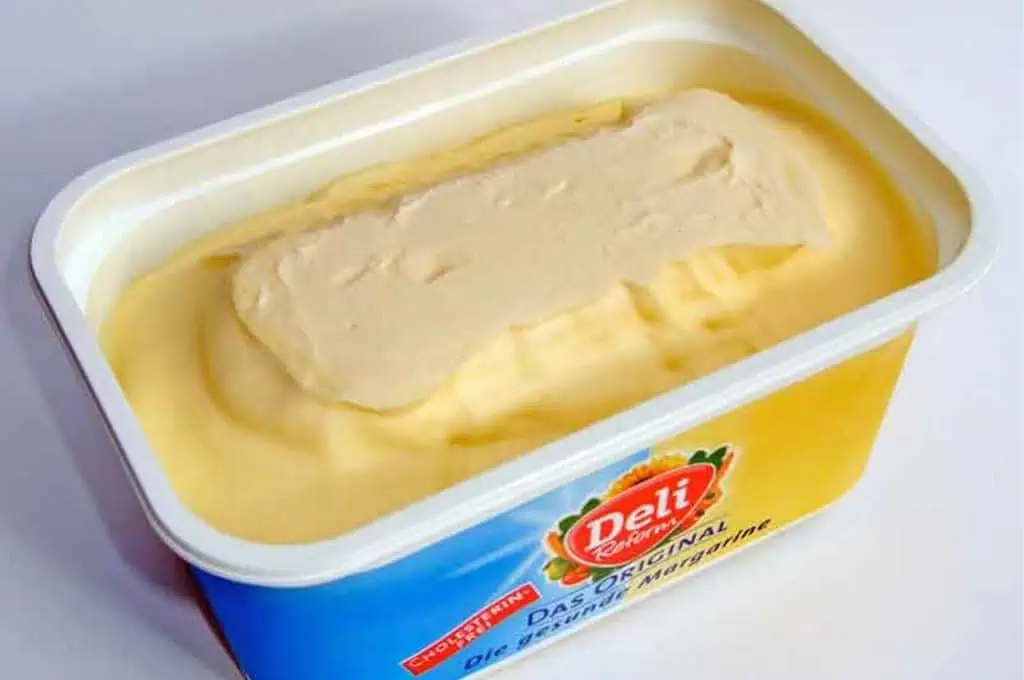
Olestra, introduced as a no-calorie fat substitute, made waves due to potential digestive issues, leading to restrictions outside the U.S. Despite its controversial past, it remains intriguing for its promise of guilt-free indulgence. For healthier alternatives, experiment with avocado or yogurt to lend creaminess to dishes without added fat. These enrich sauces and dressings naturally, providing both texture and nutritional benefits. Embrace whole, unprocessed ingredients to mirror indulgence while ensuring digestive comfort and satisfaction.
Milk with rBST: The Hormone Dilemma

Recombinant bovine somatotropin (rBST) is a synthetic hormone used to boost milk production in cows. While banned in several countries due to concerns about animal welfare and potential health impacts, it remains legal in the U.S. When selecting milk, reading labels allows you to opt for rBST-free products if desired, often marked with assurance of better animal treatment. The taste of milk isn’t altered by this hormone, but understanding its impact may influence purchasing choices. Elevate your dairy experience by trying local, organic options that prioritize sustainability and ethics.
