
High-fructose corn syrup (HFCS): The Food Additive Tied to Diabetes and Cognitive Decline
In the world of processed foods, certain additives play a significant role in enhancing flavor, texture, or shelf life. While not all additives pose risks, some have been linked to concerning health issues. One such additive has recently drawn attention for its potential ties to diabetes and cognitive decline. Understanding how these additives impact your well-being is crucial, especially when they are prevalent in a variety of everyday foods. Let’s explore this particular additive, its presence in common products, and the emerging research on its effects.
What Is This Controversial Additive?

The additive in question is high-fructose corn syrup (HFCS), commonly used as a sweetener in many processed foods and beverages. Its widespread use stems from its cost-effectiveness and ability to enhance flavor. However, HFCS is metabolized differently than regular sugar, which raises concerns about its health implications. Unlike glucose, fructose is processed in the liver, potentially leading to increased liver fat and insulin resistance. This processing method highlights why HFCS may contribute to various metabolic disorders, including diabetes.
How It Sneaks Into Everyday Foods

High-fructose corn syrup can be found in a surprisingly wide range of products. It often appears in sodas, fruit-flavored drinks, processed snacks, packaged breads, condiments like ketchup, and even so-called “healthy” granola bars. Its presence is sometimes masked by labeling that simply lists it as “corn syrup” or “natural sweetener.” For those aiming to manage their intake, reading ingredient labels carefully is essential. Understanding where HFCS hides in your pantry can empower you to make informed dietary choices, reducing potential risks associated with its consumption.
Link to Blood Sugar Spikes
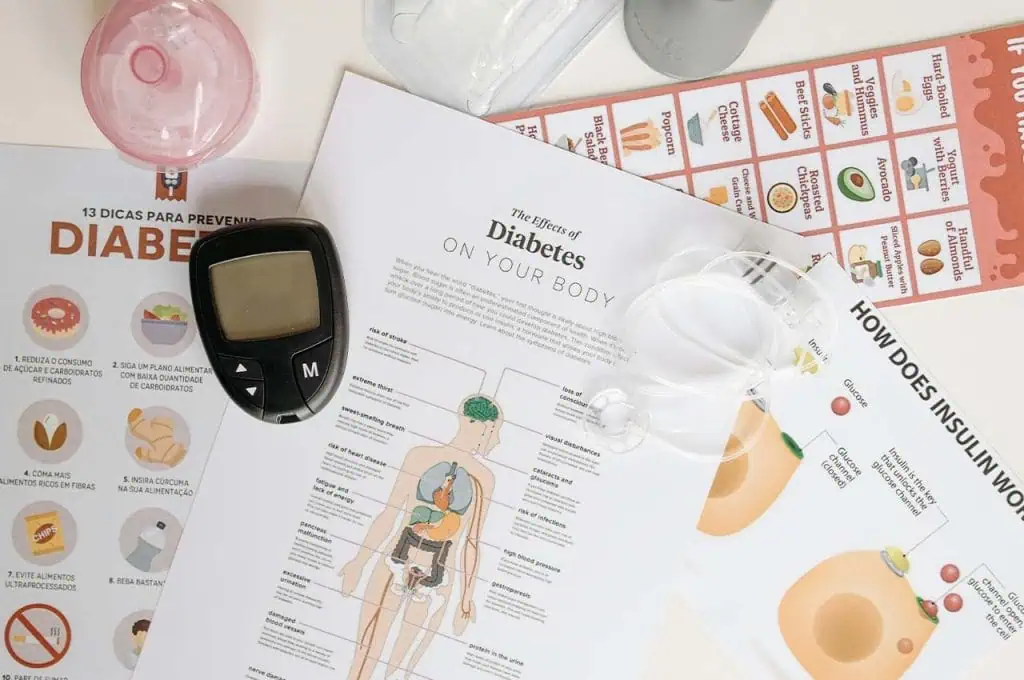
One of the primary concerns with high-fructose corn syrup is its effect on blood sugar levels. Unlike glucose, which stimulates insulin release, fructose has a minimal impact on insulin secretion. However, its rapid uptake by the liver can produce more triglycerides, contributing to insulin resistance—a precursor to type 2 diabetes. Consuming HFCS in large quantities may lead to frequent spikes in blood sugar levels, disrupting metabolic stability. This underscores the importance of moderating intake, especially for individuals with prediabetes or diabetes.
New Research on Cognitive Health

Emerging studies suggest a possible link between high-fructose corn syrup consumption and cognitive decline. Researchers are examining how HFCS may influence brain health, potentially contributing to memory issues and learning difficulties. The theory is that excessive fructose consumption leads to inflammation and oxidative stress within the brain. This inflammation may impair neuronal connections and affect cognitive function over time. These findings highlight the critical need for further exploration into HFCS’s broader health implications, emphasizing moderation in its consumption.
Why Experts Are Sounding the Alarm

Recent studies have raised concerns about certain food additives and their link to health issues such as diabetes and cognitive decline. These additives, often used to enhance flavor or extend shelf life, can interfere with metabolic processes and neurological health. Experts highlight that frequent consumption could incrementally impact the body’s ability to regulate blood sugar and cognitive functions. Understanding these risks is crucial, as the additives are prevalent in many processed foods, making it essential for consumers to be aware and proactive.
Tips to Spot and Avoid It

To reduce exposure to potentially harmful additives, begin by carefully reading ingredient labels, particularly on processed products. Look for terms like “artificial preservatives,” “flavor enhancers,” and specific names like “sodium benzoate.” Opt for fresh, whole foods and minimally processed items when possible. Prepare meals at home using raw ingredients where you control every component. Incorporate more natural flavors, such as herbs and spices, and prioritize products labeled as organic or additive-free to avoid unintended consumption of these concerning substances.
