
Happy Accidents: 18 Vegetables Born from Farming Mistakes
In the world of agriculture, not all discoveries happen by design. Some of the most delightful vegetables in our kitchens today evolved from unexpected farming mishaps. “Happy Accidents: 18 Vegetables Born from Farming Mistakes” explores the vibrant produce that emerged when nature and human experimentation collided. Each of these vegetables not only has a unique origin story but also brings distinct flavors and textures to the table, expanding our culinary horizons.
The Surprise of Purple Cauliflower
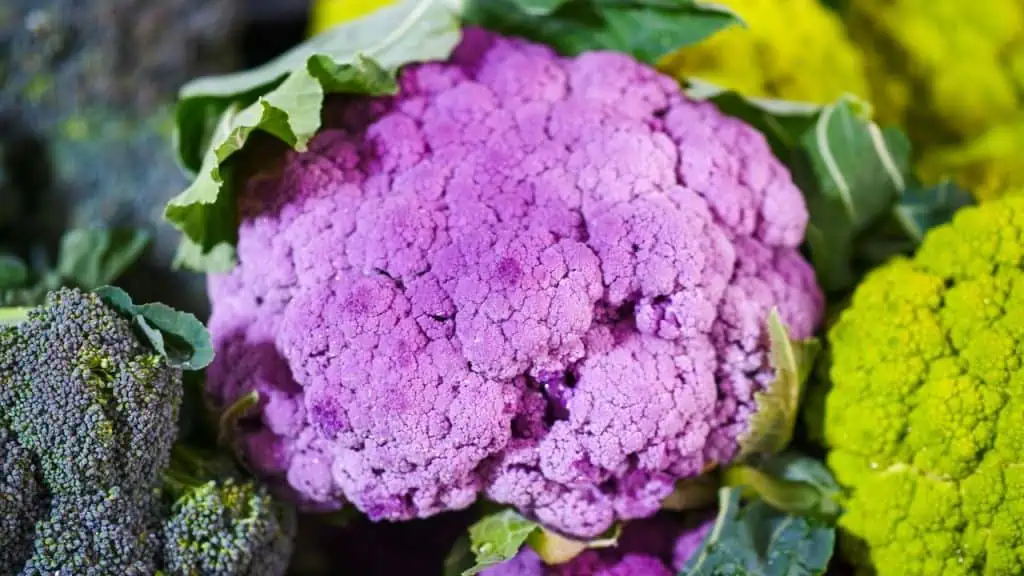
Purple cauliflower emerged when farmers noticed an unusual hue in their fields, a result of increased anthocyanin levels—an antioxidant also found in blueberries. This vibrant variant not only offers visual appeal but also a slightly nuttier taste compared to its white counterpart. When preparing purple cauliflower, roast it with a drizzle of olive oil and a sprinkle of sea salt to enhance its natural sweetness. Its vivid color remains intact, making it a stunning addition to any dish.
Yellow Watermelon: A Sweet Twist

Yellow watermelon came about due to a natural mutation that alters the fruit’s flesh color. This cheery variety is sweeter than the traditional red, with a honey-like flavor profile. When selecting a yellow watermelon, look for firm, unblemished skins and a vibrant yellow hue for optimal ripeness. Serve it chilled, sliced into wedges, or as part of a refreshing fruit salad. Its unexpected sweetness and striking color add an element of surprise to summer gatherings.
The Unexpected Broccolini

Broccolini, a hybrid of broccoli and Chinese kale, was developed accidentally in a quest for a more versatile vegetable. Known for its tender stalks and delicate florets, broccolini boasts a mild, peppery flavor. Cooking broccolini involves minimal effort: trim the ends and sauté it in garlic-infused olive oil until crisp-tender. Its subtle bitterness complements roasted meats or can be served simply dressed with lemon juice and toasted almonds for a satisfying side.
Orange Cauliflower: A Beta-Carotene Boost

Orange cauliflower, enriched with beta-carotene, arose from a spontaneous genetic mutation. Its cheerful color is more than skin deep, as it infuses dishes with additional nutrients and a milder, slightly creamier taste. Steam or lightly roast orange cauliflower to preserve its vivid hue and nutritional benefits. This twist on a classic vegetable fits beautifully into purées or as a colorful addition to a crudité platter, adding both nutrition and visual interest.
The Birth of Romanesco

Romanesco cauliflower is a striking example of nature's geometric beauty, known for its lime-green and fractal patterns. This vegetable emerged serendipitously through selective cultivation crossing cauliflower with broccoli. Its firmness and nutty flavor lend well to roasting and steaming. For optimal texture, consider blanching briefly in salted water to maintain its vibrant color and crispness. Balance its earthy taste with acidic accents like lemon zest or a drizzle of balsamic vinegar for an elevated dish.
Rainbow Carrots: A Colorful Discovery

Rainbow carrots, a result of natural cross-breeding experiments, offer more than just visual appeal. Each hue delivers subtle flavor variations, with purple being slightly spicy and red offering a deeper sweetness. For cooking, slice them evenly to ensure uniform roasting and caramelization, enhancing their natural sugars. A sprinkling of cumin and a dash of olive oil will add depth and complement their inherent sweetness. Keep them simple to appreciate their nuanced tastes and vibrant colors.
Pink Lettuce: A Rosy Revelation

Pink lettuce burst onto the scene when farming techniques inadvertently led to this variant with blush-toned leaves. Its mild flavor and tender texture make it ideal for fresh salads. Handling this delicate green involves a gentle rinse and pat dry with paper towels to prevent bruising. Its subtle sweetness pairs beautifully with tangy vinaigrettes and fresh herbs, like parsley or dill. Add elements like toasted nuts or creamy cheeses to enhance its gentle profile without overwhelming it.
The Genesis of Kalettes
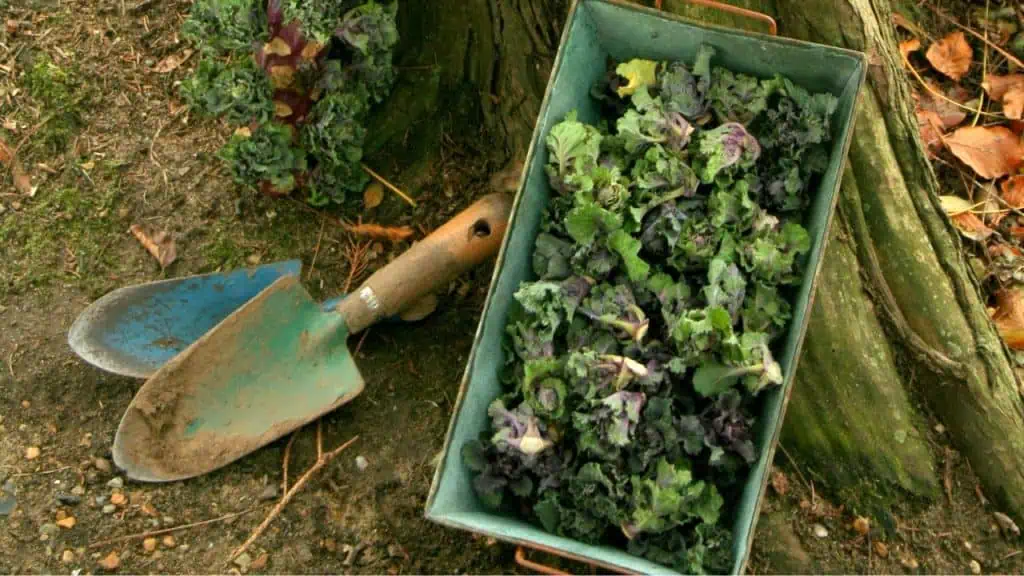
Kalettes, an innovative hybrid of kale and Brussels sprouts, originated from a desire to combine the best qualities of both vegetables. The result is a leafy vegetable with a sweet flavor and a slight edge. They shine when roasted until just crispy, bringing out their inherent nuttiness. Toss with a subtle amount of olive oil and season with a sprinkle of sea salt. Serve as a side or integrate into pasta dishes to add texture and a nutritional boost thanks to their vitamin-packed profile.
Sweet Corn's Sugar Snap

The advent of sweet corn varieties is the consequence of genetic mutations that favored sugar retention. Modern-day sweet corn is cherished for its juicy texture and sugary taste. Maximize its natural sweetness by grilling or steaming, preserving its moisture and crispness. Elevate its flavor by adding a butter baste mixed with fresh herbs like thyme or cilantro. Whether served off the cob or in summer salads, sweet corn’s versatile sweetness can anchor a range of culinary creations.
Savoy Cabbage: A Textured Treat

Savoy cabbage boasts lush, crinkled leaves that elevate both its appearance and texture. Unlike the more rigid green cabbage, its tender leaves are perfect for quick sautés or a gentle braise. When cooking, start by removing the outermost leaves and slicing into thin ribbons. This preparation allows the cabbage to cook evenly, releasing a mild, sweet aroma. Enhance its flavor with a light drizzle of olive oil and a sprinkle of sea salt, lifting its natural sweetness and adding a slight crunch with each bite.
Chioggia Beets' Candy Stripes
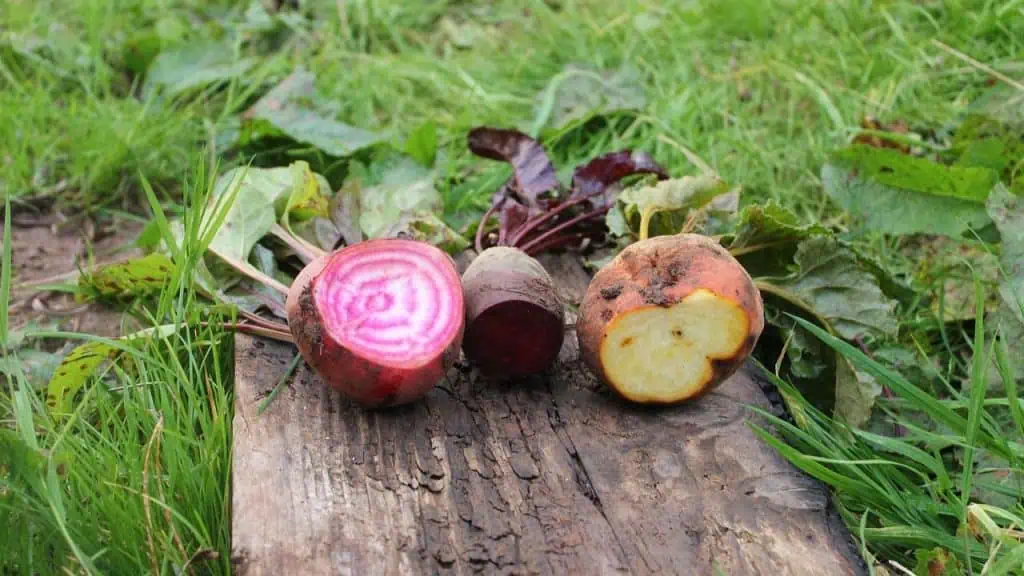
Chioggia beets are prized for their bullseye-patterned interiors, reminiscent of candy stripes. To preserve their colorful allure, slice them thinly with a mandoline. Roast them with a touch of balsamic vinegar to deepen their earthy sweetness while keeping their pattern intact. Alternatively, enjoy them raw in salads to maintain their crisp texture. Pair with a citrus vinaigrette to contrast their earthiness with a bright, tangy note, allowing the vibrant rings to shine on the plate.
Rainbow Chard: A Vibrant Vision
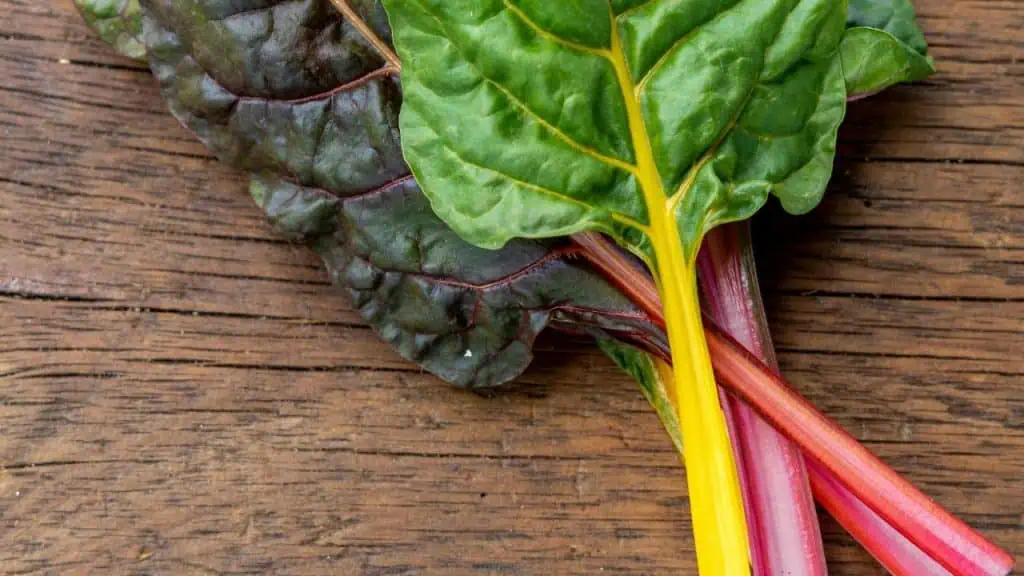
Rainbow chard captures attention with its vivid stalks, ranging from red to gold. Its tender leaves and crunchy stalks provide textural contrast, making it versatile in a variety of dishes. For optimal results, separate the stems from the leaves. Begin by sautéing the stems in garlic-infused oil until just tender, then add the leaves for a quick wilt. This method highlights each component’s unique qualities—sweet earthiness from the leaves and a crisp bite from the stalks.
The Unplanned Pattypan Squash

Pattypan squash, with its scalloped edges, provides a delightful visual and textural experience. Unlike its more traditional counterparts, its small size and firm flesh make it perfect for grilling or oven-roasting. Slice them thick and season with a blend of fresh herbs and lemon zest to brighten their subtle flavor. Avoid overcooking to maintain their desirable texture and serve warm as a side dish or chilled in salads, offering a hint of nuttiness and a pleasantly firm bite.
Golden Beets: A Gilded Gift

Golden beets add a pop of sunny yellow to any dish, offering a slightly milder sweetness compared to their red relatives. When roasting, keep the skins on to lock in moisture. Toss in olive oil, season generously with salt, and roast until fork-tender to enhance their natural sugars. Their non-bleeding quality makes them ideal for pairing with goat cheese or arugula, highlighting their sweet, nutty flavor without affecting the appearance of your dish.
Blue Tomatoes: A Blue Hue
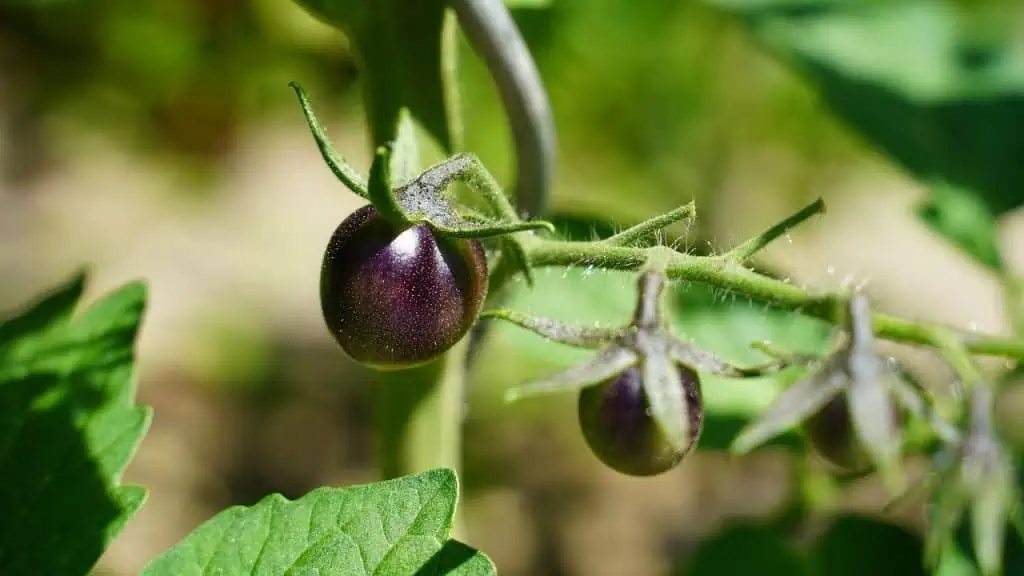
Blue tomatoes offer a unique visual and culinary experience, resulting from an unexpected genetic crossover. Their striking color comes from high anthocyanin levels, often found in blueberries, lending an intriguing depth to both the appearance and flavor. When preparing, slice them to highlight their vibrant flesh and pair with milder greens to allow their subtly sweet and tangy profile to shine. A drizzle of olive oil and sprinkle of sea salt enhances their natural flavors, making them a captivating addition to salads or as a stand-alone snack.
The Accidental Kohlrabi
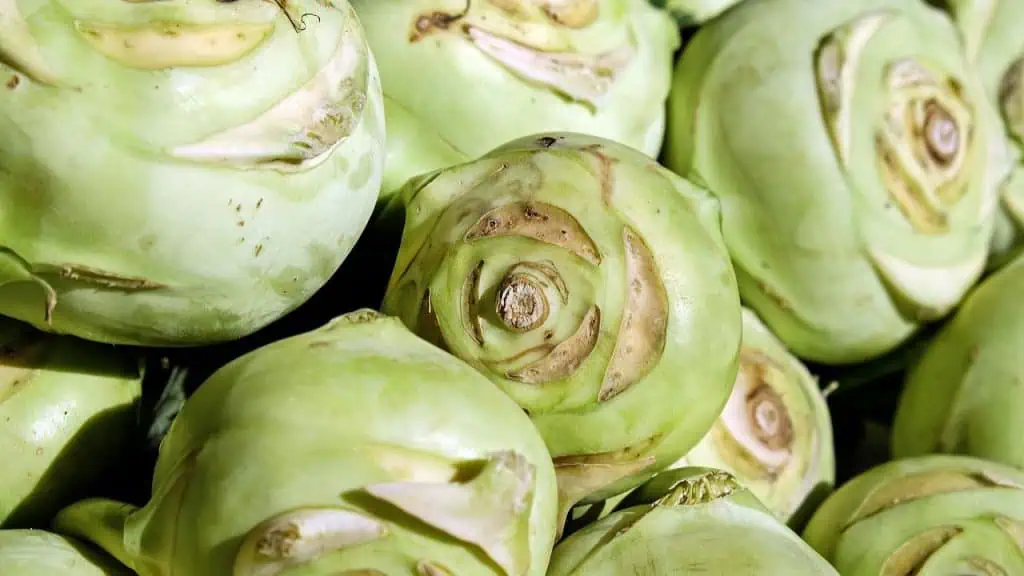
Kohlrabi's origin is a perfect example of how agricultural missteps can lead to culinary innovation. With its bulbous shape and crisp texture, this vegetable offers a blend of broccoli and radish flavors. For optimal results, peel the thick outer layer to reveal a tender interior. Slice thinly for salads or roast to bring out its natural sweetness. Incorporating complementary spices like cumin or paprika adds warmth, while a touch of lemon juice brightens its taste, making kohlrabi a versatile element in both raw and cooked dishes.
The Delight of White Eggplants
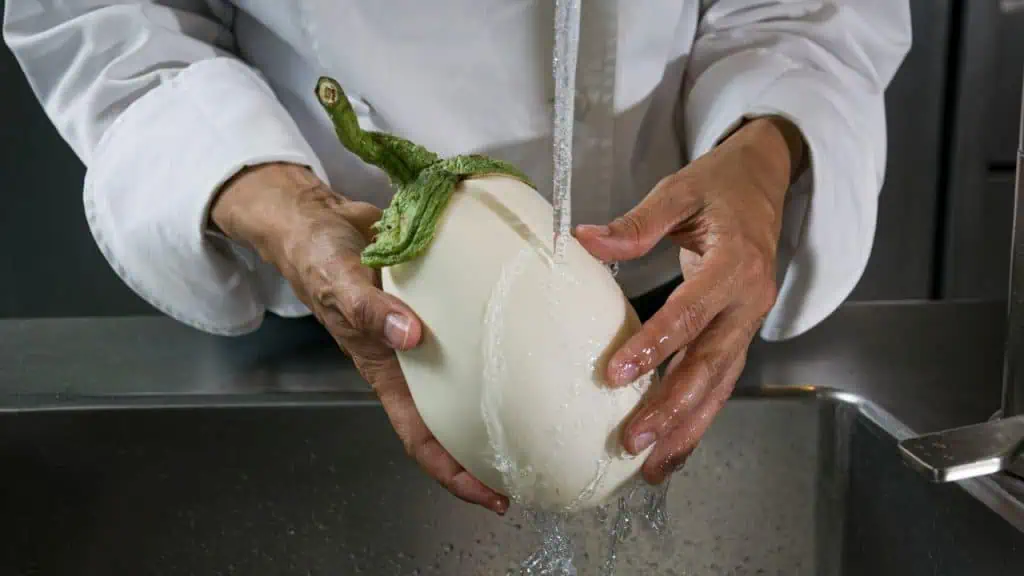
White eggplants, born from a serendipitous mutation, present a delicate alternative to their purple counterparts. Their creamy texture and mild taste make them ideal for absorbing surrounding flavors. When preparing, consider peeling if the skin is thick, then slice or cube. White eggplants excel in dishes like ratatouille or caponata, where they soak up aromatic herbs and oils. Grilling brings out their subtle smokiness, and pairing with tomatoes or basil enhances their natural sweetness, creating a balanced, flavorful dish.
Butter Lettuce: A Silky Accident

Known for its soft, velvety leaves and mild, buttery flavor, butter lettuce is believed to have resulted from natural cross-pollination between crisphead and loose-leaf varieties. Farmers didn’t originally set out to create it, but its delicate texture and subtle sweetness quickly gained culinary favor. Perfect for wraps or tender salads, this leafy green became a gourmet staple—proving that even an unintended hybrid can become a farm-to-table favorite.
