
Raw Isn’t Always Right: 10 Toxic-When-Raw Vegetables
We all know we should eat more vegetables. But here’s something your mom might not have told you: some veggies can actually make you sick if you eat them raw. Yep, that’s right. That baked potato you love? Green patches hide a nasty toxin. Those kidney beans in your chili? Raw ones can mess with your stomach in a big way. Even spinach, the superhero of salads, has a hidden compound that your body prefers to have cooked out. Don’t worry—this isn’t a reason to fear your produce drawer. It’s just a reason to cook things right.
So which vegetables need a little extra love before they hit your plate? We’re breaking down ten of them, from potatoes and tomatoes to cassava and fiddleheads. You’ll learn why a green potato is a red flag, how to safely handle kidney beans (spoiler: a quick boil is key), and why you should never, ever eat rhubarb leaves. The good news? Proper cooking doesn’t just make these veggies safe—it often makes them taste better. Think creamy roasted eggplant, tender sautéed spinach, and sweet cooked elderberries in a jam. Grab your cutting board and let’s get cooking—safely and deliciously.
Potatoes: Beware the Green
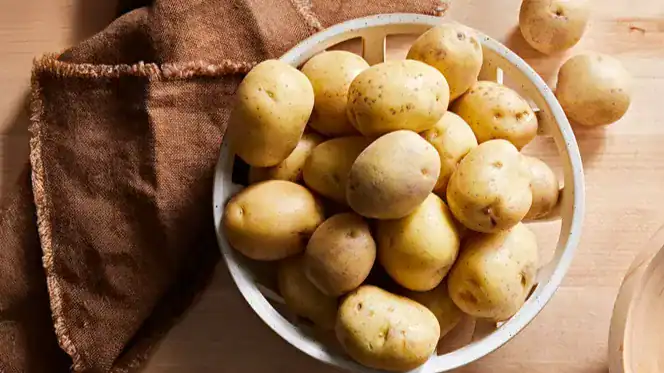
Potatoes are a staple in many kitchens, but they demand careful inspection before use. Green patches on potatoes indicate solanine, a toxin that can cause nausea or headaches. This occurs when potatoes are exposed to light. To safely enjoy them, peel away any green areas and cook thoroughly. Boiling, baking, or frying can reduce solanine levels, ensuring your dish is both safe and delicious.
Tomatoes: The Solanine Threat
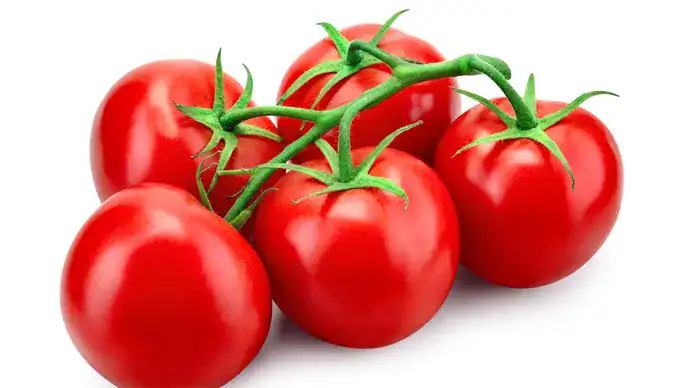
While ripe tomatoes are safe, their unripe counterparts can be problematic due to solanine, particularly in large quantities. This alkaloid can lead to digestive issues if not managed. For green tomatoes often used in certain recipes, cooking reduces solanine significantly. Opt for frying or baking to transform their natural tartness into a palatable element while eliminating most of the compound.
Kidney Beans: A Lectin Lesson
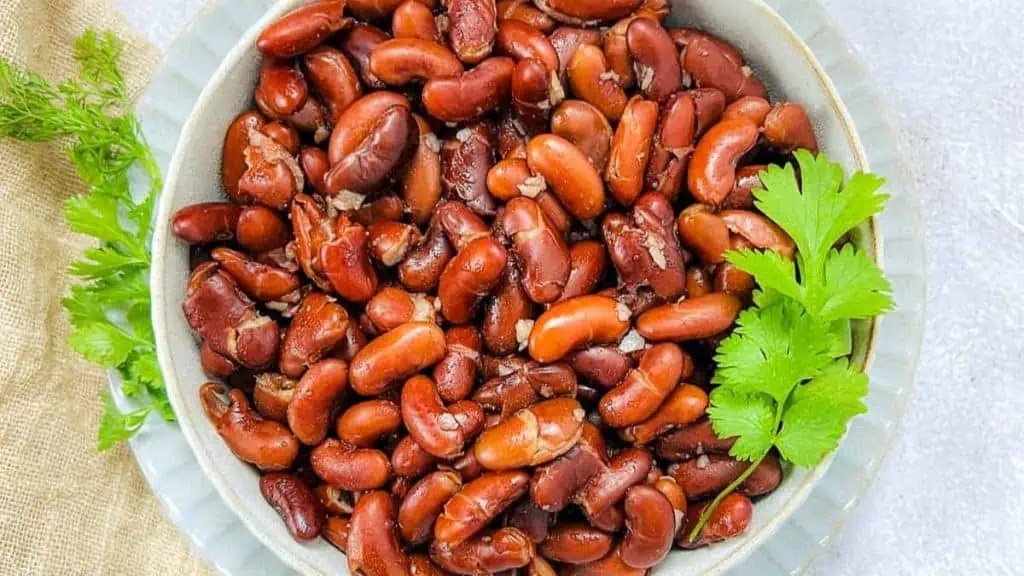
Kidney beans are rich in proteins but also contain high levels of lectins when raw. These proteins can disrupt digestion and lead to severe discomfort. To neutralize lectins, it’s essential to soak the beans for at least 5 hours and boil them rapidly for at least 10 minutes. This process not only makes them safe to eat but also enhances their creamy texture and flavor, fitting them perfectly into soups or stews.
Cassava: Handle with Care
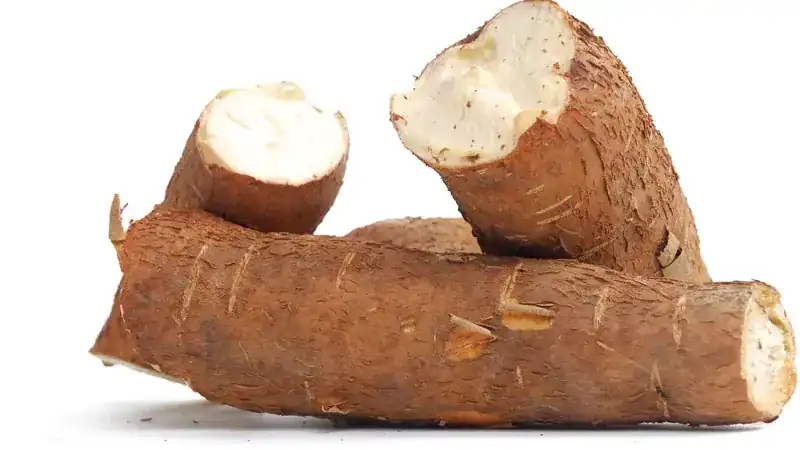
Cassava is a versatile root vegetable used widely in tropical cuisines, yet it contains cyanogenic glycosides. These compounds can release cyanide if not properly processed. To make cassava safe, peel, and soak it thoroughly, then cook it completely either by boiling or baking. This removes the toxic elements, allowing the sweet and subtle flavors of cassava to shine in various dishes such as breads and puddings.
Eggplant: Solanine Strikes Again
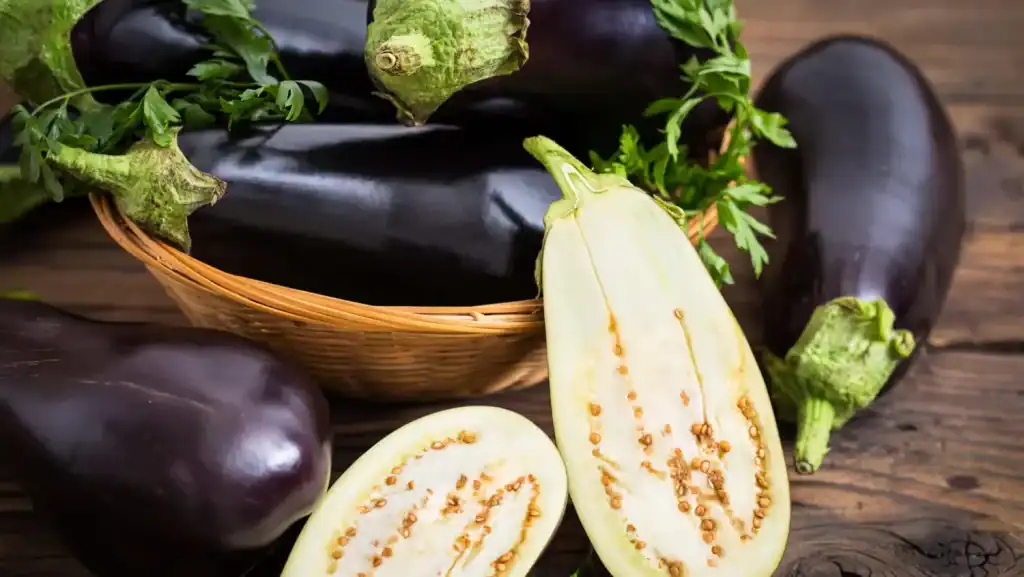
Eggplants contain solanine, a natural toxin that can cause gastrointestinal issues when consumed raw. To neutralize solanine, it’s essential to cook eggplant thoroughly. Roasting or grilling intensifies its creamy texture and enhances its mild, slightly bitter flavor. Ensure slices are salted before cooking to draw out excess moisture, reducing bitterness. Proper cooking not only makes eggplant safe but also elevates its role in dishes like ratatouille or baba ghanoush, adding depth and richness.
Rhubarb: Leaves of Caution
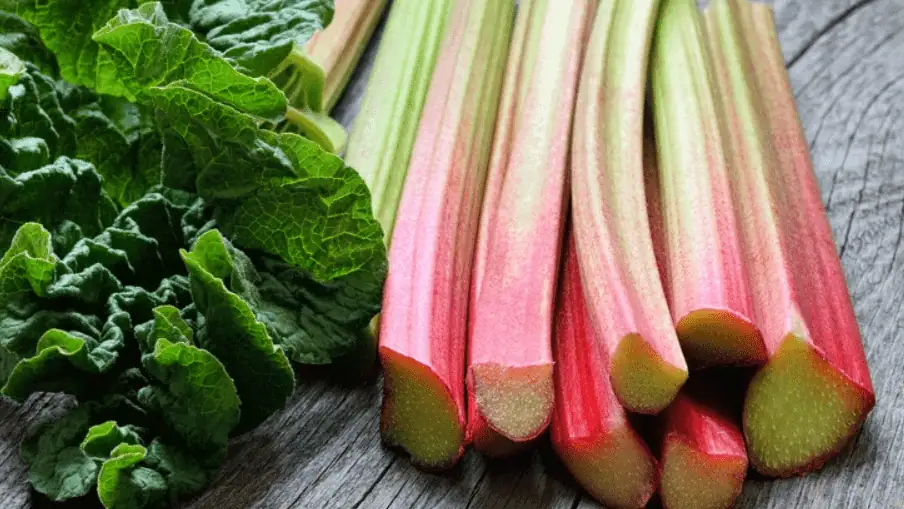
Rhubarb stalks are culinary treasures with a tart zing, but the leaves contain oxalic acid and anthraquinone glycosides, making them inedible. Always discard leaves immediately. Simmer rhubarb stalks in sugar and water to soften their fibrous texture, transforming them into a luscious base for pies or jams. Balance their tang with strawberries for a classic pairing. Cooking rhubarb also mellows its sharpness, allowing its unique flavor to shine in desserts and compotes.
Spinach: Oxalate Overload
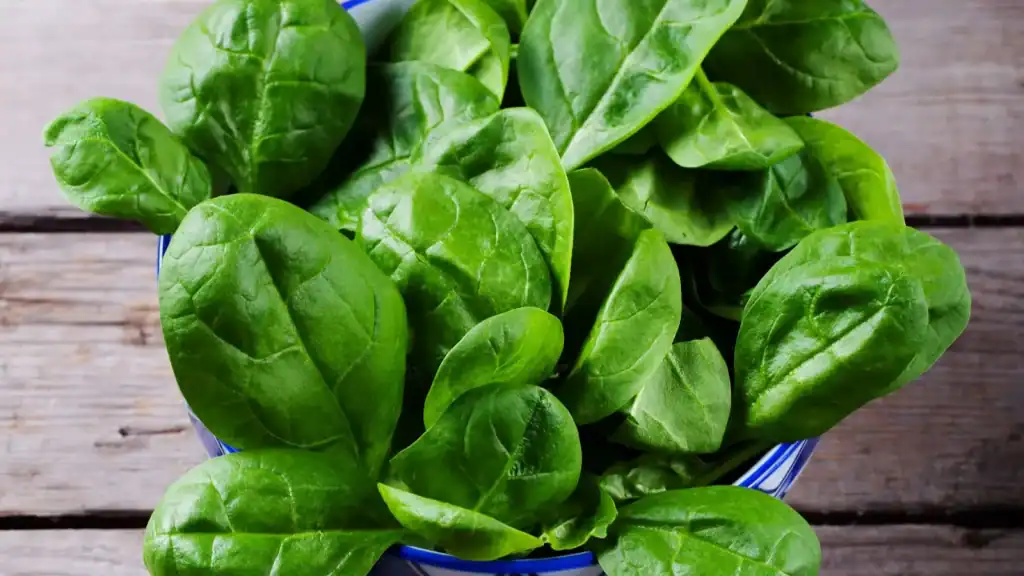
Spinach is rich in iron and vitamins, but it also contains oxalates, compounds that can interfere with calcium absorption and contribute to kidney stone formation. Lightly cooking spinach reduces oxalate levels, enhancing nutrient availability. Sautéing it with garlic in olive oil highlights its earthy notes, while a brief blanch leaves it bright green and tender, perfect for salads or pasta. Cooking spinach makes it more digestible, amplifying its nutritional benefits.
Elderberries: Ripening Matters
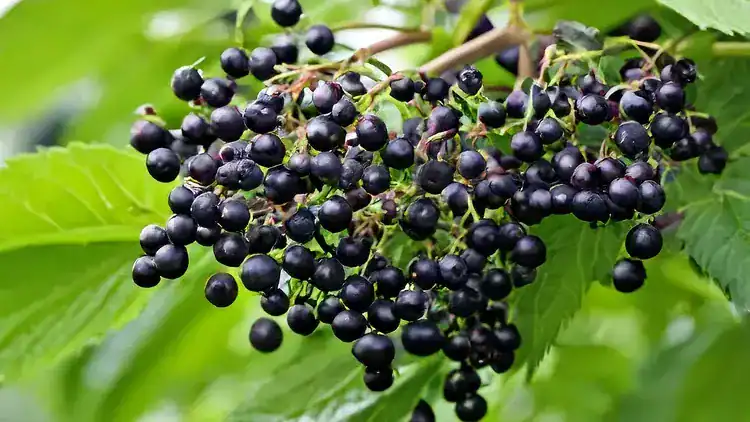
Elderberries must be fully ripe and cooked to neutralize their naturally occurring cyanogenic glycosides, toxic compounds found in raw berries. When simmered gently, elderberries transform into a luscious, deep purple syrup or jam, rich with antioxidants and vitamins. Their tartness complements sweet additions, creating a perfect balance for elderberry wine or preserves. Cooking ensures safety and allows their complex, fruity flavor to develop fully.
Fiddleheads: A Cooking Must
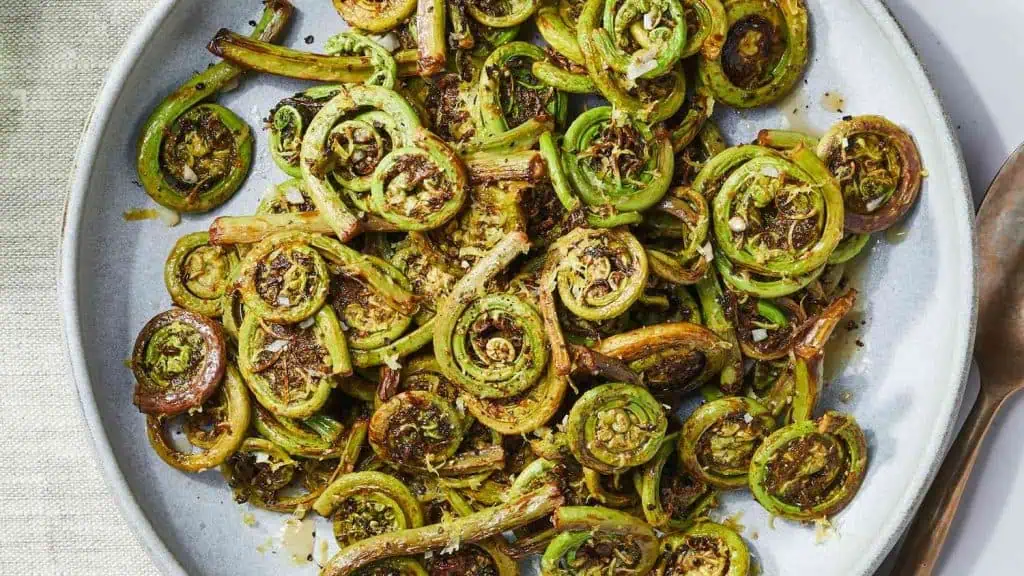
Fiddleheads, the coiled fronds of young ferns, must be cooked to destroy harmful toxins that can cause gastrointestinal distress. Boil or steam them until tender, enhancing their delicate crunch and subtle asparagus-like flavor. Toss in butter, lemon, and garlic to accentuate their freshness. Quick blanching followed by an ice bath retains their vibrant green hue, making them an ideal side dish or salad component. Proper preparation transforms fiddleheads from foraged finds to culinary delights.
Zucchini: Bitter and Dangerous
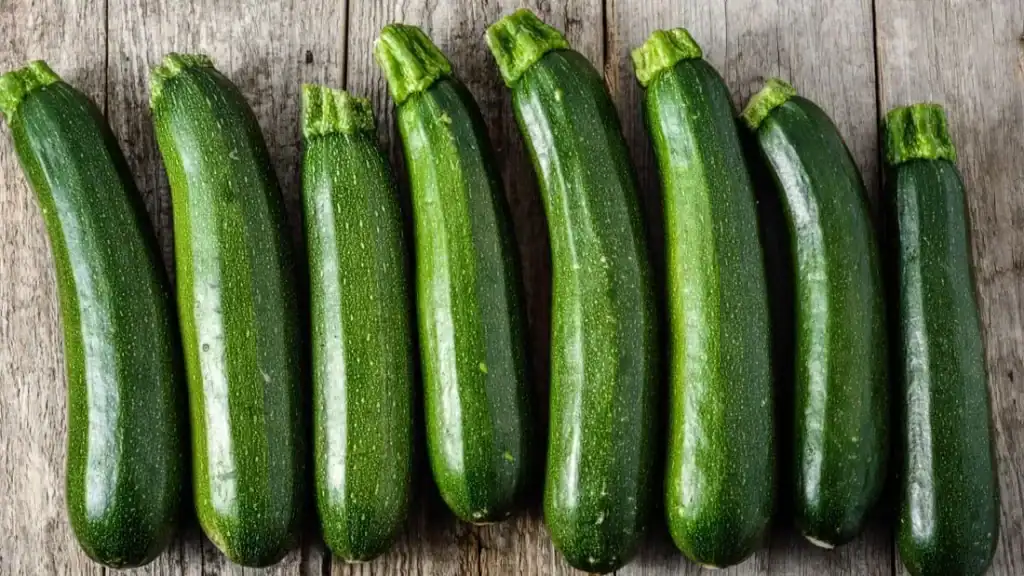
Zucchini, while often favored for its versatility, can harbor bitterness due to compounds called cucurbitacins, particularly in home-grown varieties. This bitterness is more than just unpleasant; it can be toxic in large amounts. To avoid this risk, select zucchini with a glossy, unblemished skin and a bright green hue, which indicates freshness. Cooking, whether through steaming, sautéing, or grilling, helps to soften the texture and neutralize any harsh flavors. Always taste a small raw piece before cooking to ensure sweetness. Discard any overly bitter parts immediately.
