
Global Wisdom: 16 Eating Habits That Promote Longevity Worldwide
Exploring global eating habits reveals a tapestry of traditions that not only delight the palate but also contribute to longevity. From Mediterranean coasts to Okinawa’s islands, these practices are steeped in history and health. Unlocking these secrets offers insights into living longer, healthier lives through the joy of food. These habits emphasize mindful eating, plant-based diets, portion control, and communal meals, each contributing to well-being and vitality, making them valuable lessons for anyone seeking to enhance their lifestyle.
Savor Every Bite Slowly

Eating slowly enhances the enjoyment and digestion of your meals. This habit, rooted in several cultures, involves paying close attention to flavors and textures. By chewing thoroughly, enzymes in saliva break down food more efficiently, aiding nutrient absorption. Take smaller bites, pause between each one, and savor the sensory experience. This mindful approach can help prevent overeating, allowing your body time to signal fullness. Gradually, this practice cultivates a deeper appreciation for your food and supports digestive health.
Embrace Plant-Based Diets

Incorporating more plants into your diet offers nutritional versatility and heartiness. Diets rich in fruits, vegetables, legumes, and whole grains provide fiber, vitamins, and antioxidants. Many cultures, like those in the Mediterranean or Okinawa, thrive on abundant, fresh produce. Focus on seasonal and local ingredients to maximize flavor and nutritional content. Experiment with herbs and spices to create depth and satisfaction without excess fat or salt. This shift can reduce chronic disease risk and enhance overall vitality.
Master Portion Control
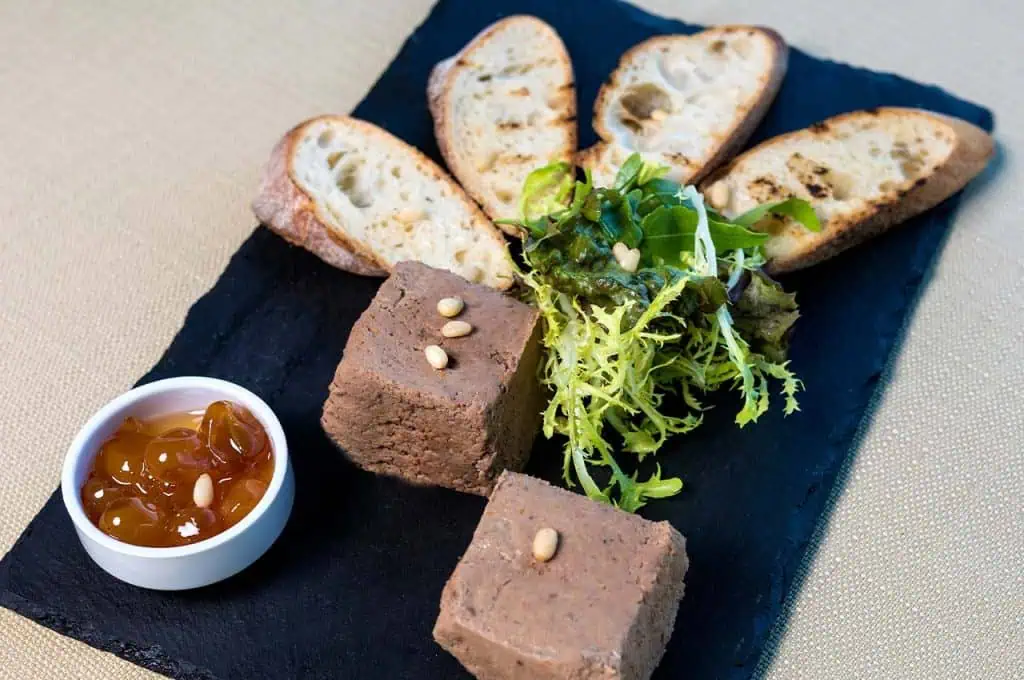
Portion control is a crucial aspect of maintaining a balanced diet, widely practiced in many cultures. Begin by using smaller plates to naturally limit serving sizes. Pay attention to hunger cues and aim for satisfaction, not fullness. When preparing meals, balance portions of protein, carbohydrates, and vegetables to create a harmonious plate. By regulating intake, you help manage weight and ensure balanced nutrition. Practice mindful eating to sustain this habit, allowing you to enjoy your meals without overindulgence.
Relish Family Mealtime Rituals

Gathering around the table fosters emotional and physical well-being through communal eating. In cultures worldwide, shared meals strengthen community and family bonds. Engage in conversation, laughter, and mindfulness, converting meals into meaningful experiences. This ritual encourages slower eating and mindful food choices. Turn off distractions, set a pleasant atmosphere, and focus on the company and flavors. Such routines contribute to emotional health by deepening relationships, elevating the nourishment of both body and soul.
Incorporate Fermented Delights

Fermented foods are enjoyed worldwide for their tangy flavors and health benefits. They introduce beneficial probiotics into your diet, supporting digestive health. Start with basic recipes like sauerkraut or kimchi, made by salting and fermenting vegetables at room temperature. Monitor the fermentation process, tasting for your preferred balance of tanginess and crunch. Yogurt and kefir offer simpler options—look for varieties with live cultures and no added sugars. The art of fermentation brings depth to dishes and supports longevity through gut health.
Enjoy Nature’s Seasonal Bounty
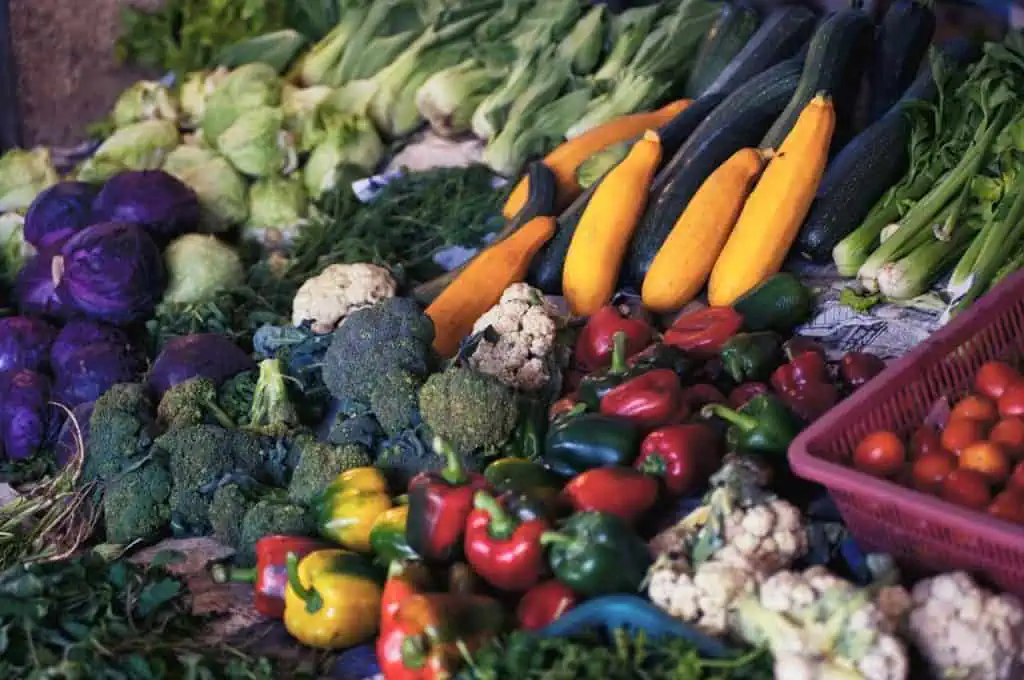
Eating seasonally offers vibrant flavors and better nutritional value. Fresh produce, harvested at its peak, ensures a range of nutrients and contributes to overall well-being. Visit local farmers’ markets to explore what’s in season. Experiment with simple preparations like roasting or steaming to highlight natural tastes. A spring salad with tender greens or a winter stew with root vegetables allows you to appreciate the nuances and freshness. Seasonal eating keeps meals exciting and aligns with traditional longevity practices by maximizing nutrient intake.
Balance with Natural Flavors

Natural flavors from herbs and spices can elevate any dish. Replace heavy sauces with lighter accents like fresh lemon juice, ginger, or garlic. Incorporate fragrant herbs such as basil, cilantro, and parsley to enhance dishes without extra calories. The use of cinnamon, cumin, or turmeric adds warmth and complexity while promoting health benefits like reduced inflammation. Balancing flavors through strategic seasoning not only makes meals more enjoyable but also fosters longevity by supporting a healthier lifestyle. Focus on simplicity and let natural ingredients shine.
Choose Water Over Sodas

Hydration plays a crucial role in overall health and longevity. Opt for water as your primary beverage to avoid the sugars and artificial ingredients found in sodas. Infuse water with lemon, cucumber, or mint for a refreshing twist without added calories. Green tea is another excellent option, rich in antioxidants that support health. Proper hydration aids digestion, clears skin, and maintains high energy levels. By choosing water consistently, you not only improve hydration but also reduce calorie intake, promoting a healthier, more balanced lifestyle.
Snack Smart with Nuts and Seeds

Nuts and seeds are nutrient-dense powerhouses that make ideal snacks for health and longevity. Almonds, walnuts, and chia seeds are rich in healthy fats, protein, and fiber. They provide sustained energy and can aid in weight management. Create a homemade trail mix by mixing a variety of nuts and seeds, perhaps with a touch of dried fruit for sweetness. Toasting nuts and seeds gently enhances their flavor and texture. Eating these snacks in moderation delivers essential nutrients while keeping hunger in check, supporting a balanced diet.
Mindful Eating Practices

Mindful eating involves giving full attention to the act of eating, focusing on the taste, texture, and aroma of food. Slow down to savor each bite, rest utensils between mouthfuls, and chew thoroughly. This not only enhances digestion but also allows for better hunger recognition, preventing overeating. Practice gratitude for your meal to foster a positive relationship with food. Engage all your senses to fully experience meals, creating a holistic approach that promotes mental and physical well-being.
Fast and Detox Regularly

Incorporating periods of fasting can aid bodily detoxification and rejuvenation. Consider intermittent fasting, which might involve an eating window of eight hours per day, allowing 16 hours of fasting. This gives the digestive system ample time to rest. Similarly, include detoxifying foods like leafy greens, lemon water, and herbal teas. These support liver function and remove toxins naturally. Balance is key: avoid extremes, ensuring fasting and detoxing doesn’t disrupt regular nutrition.
Flavor with Herbs and Spices

Using herbs and spices can transform dishes with vibrant flavors and health benefits without excess salt or fat. Incorporate turmeric for its anti-inflammatory properties or rosemary for improved digestion. Fresh herbs like basil and cilantro add zest and complexity. Ground spices such as cumin or coriander elevate the flavor profile of simple grains or proteins. Experiment with combinations to enhance meals, enhancing both taste and nutritional punch, making each dish a sensory delight.
Local and Fresh Produce First

Prioritize seasonal, locally-sourced produce for peak flavor and nutrition. Fresh fruits and vegetables harvested at the right time offer superior taste and more nutrients compared to out-of-season imports. Visit farmers’ markets to explore variety and learn from growers about what’s freshest. This approach supports local economies and reduces carbon footprints. Create meals around what’s available, embracing the natural rhythm of seasonal eating, which aligns with sustainable practices.
Limit Processed Food Consumption

Minimizing processed foods in your diet preserves the integrity of natural nutrients and reduces intake of artificial additives. Focus on whole foods like grains, legumes, fruits, and vegetables. When shopping, choose items with the shortest ingredient lists to avoid chemicals and excess sugars or sodium. Prioritize preparing meals from scratch to control what goes into your food. This fosters a cleaner diet, aligning with healthful living and encouraging more thoughtful, informed choices.
Practice Food Gratitude

Reflecting on the origins of your ingredients can deepen your connection with each meal. Take a moment to acknowledge the hands that cultivated, harvested, and brought your food to the table. This practice not only enhances gratitude but also a mindful appreciation of flavors and textures. Consider preparing your meals with intention—washing vegetables as if polishing hidden jewels or slicing with precision. These small acts encourage a meditative cooking experience, where each bite is savored, leading to more conscious eating habits.
Sip on Herbal Teas Regularly

Herbal teas, with their rich tapestry of flavors, offer more than just warmth in a cup. Each blend carries unique benefits: peppermint invigorates, chamomile soothes, and ginger aids digestion. Brewing tea can become a daily ritual by selecting quality loose leaves or herbs and infusing them in freshly boiled water. Allow them to steep, releasing aromatic oils, for a full-bodied infusion. Drink leisurely, letting the flavors linger on your palate, turning a simple brew into an act of self care that harmonizes mind and body.
