
How the Rise of “Quiet Luxury” Is Redefining the Way We Eat
The “quiet luxury” movement, understated, intentional, and rooted in quality, isn’t just about fashion anymore. In 2026, its influence has extended to food culture. Diners, chefs, and brands are embracing a softer kind of sophistication: clean design, fewer ingredients, and subtle storytelling. From fine-dining menus to grocery aisles, this shift reflects a cultural craving for calm and for quality that speaks softly but confidently.
Minimalism on the Plate

Gone are the days of dramatic sauces and overcrowded dishes. High-end restaurants are now embracing minimalist plating: one or two carefully sourced ingredients, a focus on texture, and a palette of natural colors. The result is food that feels luxurious without the showmanship. A simple seared scallop with brown butter foam says more than a dozen garnishes ever could. This visual restraint mirrors quiet luxury’s core elegance through thoughtfulness, not spectacle.
Wellness Becomes the New Indulgence
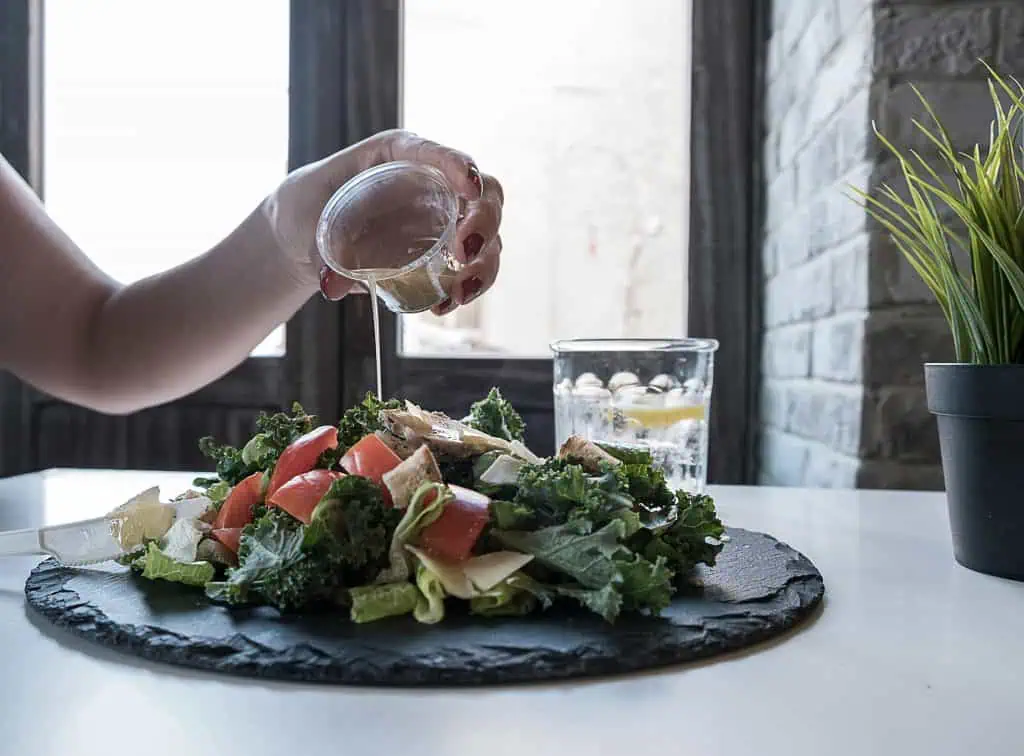
The quiet luxury mindset prioritizes well-being over extravagance. Restaurants are scaling back rich, heavy menus in favor of dishes that balance nutrition and pleasure, organic produce, cold-pressed oils, microgreens, and functional ingredients like adaptogens and ferments. Eating well has become the new form of indulgence. Consumers equate minimal processing and seasonal sourcing with status, aligning wellness with sophistication rather than sacrifice.
Grocery Branding Goes Subtle
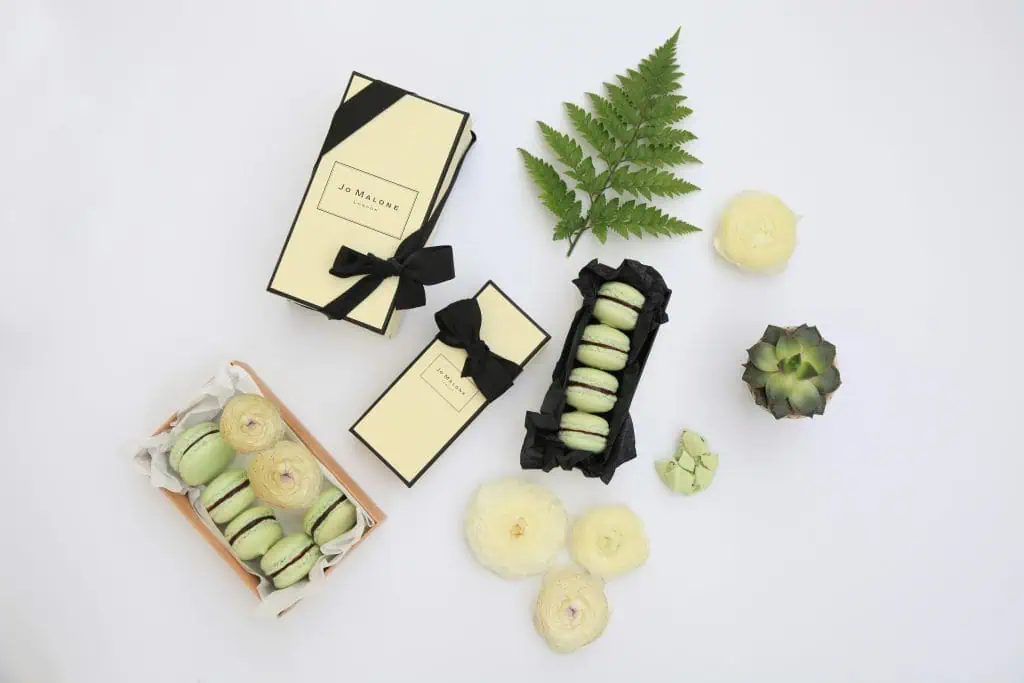
Supermarket shelves once shouted with neon packaging and bold claims now they whisper. Premium grocery brands are redesigning their products with muted colors, minimalist fonts, and sustainable materials. Clean, uncoated cardboard, serif lettering, and quiet typography now signal refinement. Brands like Oatly, Seed + Mill, and Hu Chocolate have mastered this aesthetic: visually calm yet unmistakably confident. The message is clear: simplicity sells sophistication.
Restaurants as Sanctuaries
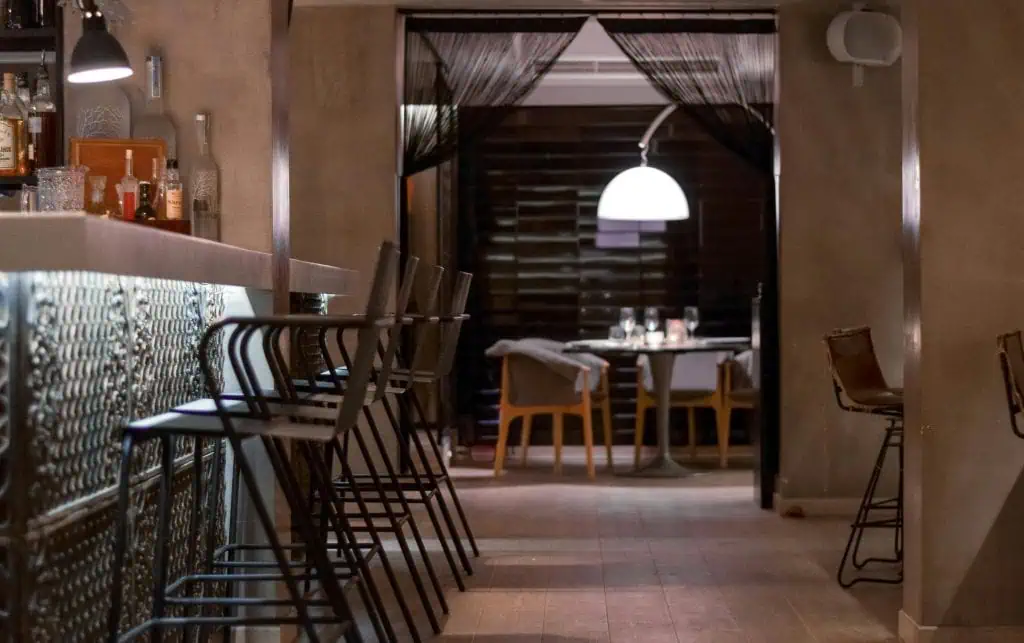
Dining spaces are evolving from social stages into serene sanctuaries. Designers are trading glitz for natural woods, neutral palettes, and candlelit intimacy. Guests no longer seek spectacle; they want presence. The soundscape has softened too fewer clinking glasses, more ambient calm. Restaurants like Blue Hill and Eleven Madison Park reflect this ethos, offering experiences that feel meditative, not performative. Quiet luxury turns dining into a sensory retreat.
The End of “Loud” Luxury
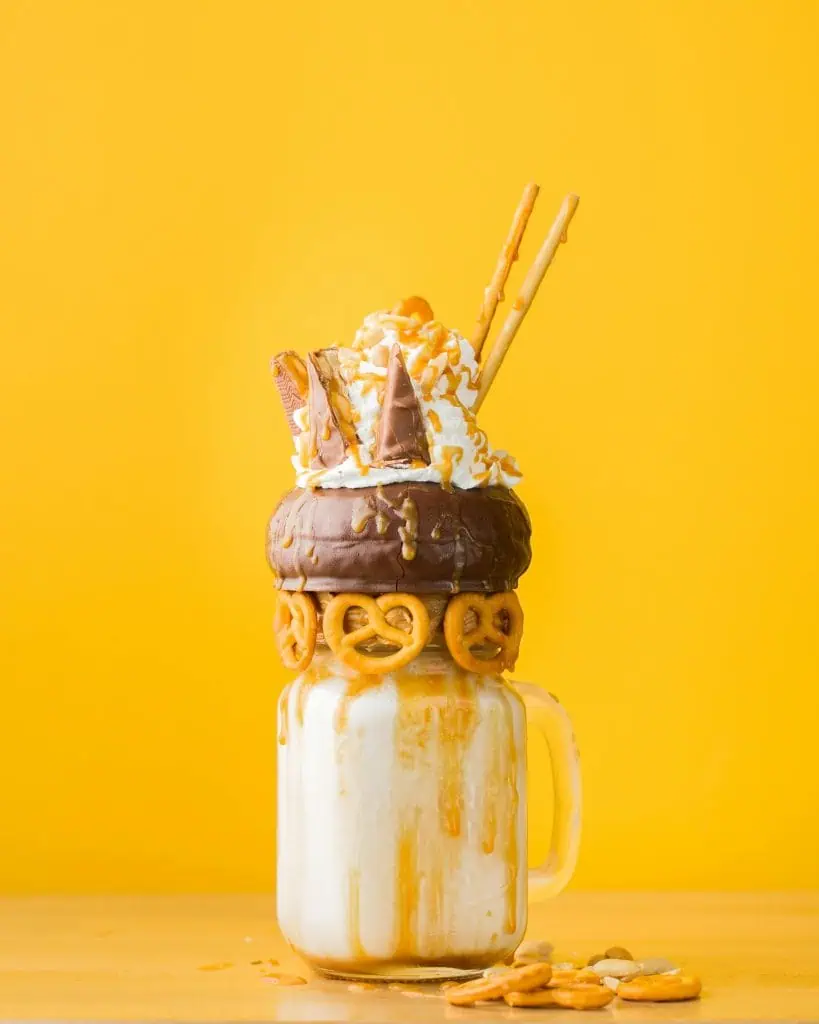
For years, food trends were defined by excess mile-high milkshakes, rainbow bagels, and gold leaf on everything. Now, less truly is more. Chefs and consumers alike are rejecting performative luxury in favor of quiet confidence. A well-balanced broth or perfectly poached pear represents a new kind of opulence, one rooted in restraint, mindfulness, and lasting value rather than viral hype.
A Cultural Shift Toward Calm

Quiet luxury’s rise in food mirrors a broader societal pivot toward authenticity and longevity. It’s about slowing down, savoring, and caring about origins. Americans are trading the buzz of novelty for the comfort of intention. Whether it’s a minimalist restaurant dish or a softly branded oat milk carton, the message is the same: real luxury doesn’t need to shout. It simply speaks through substance.
