
Even Top Chefs Say “No” to These 17 Foods
You'd think that professional chefs would eat absolutely anything. I mean, these are the people who cook crazy things like octopus, organ meat, and fermented fish for a living, right? Well, surprise—even top chefs have a “no thanks” list. And some of their least favorite foods might actually be things you eat all the time.
We're not just talking about weird delicacies like stinky durian or fermented herring (though those are definitely on there). We're talking about everyday ingredients like green bell peppers, raw onions, pre-shredded cheese, and even grocery store sushi. Yep, the pros have opinions, and once you hear their reasons, you might start second-guessing your own grocery cart too.
So what makes a chef say “hard pass”? In this article, we're diving into 20 foods that many chefs avoid—from liver and sea urchin to microwave popcorn and imitation crab. You'll learn why cilantro tastes like soap to some people (it's genetics, not pickiness), why foam on a plate is out of style, and why that bag of pre-shredded cheese might contain wood pulp (seriously). We'll also offer smarter swaps and cooking tips so you can upgrade your own kitchen game. Whether you're a curious foodie or just someone who wants to eat better, this list might change the way you look at dinner. Let's dig in (or maybe pass).
No Love for Liver

Liver is a divisive ingredient, even among top chefs. Its distinct, robust flavor and firm, grainy texture can be off-putting, often overwhelming other dish components. Cooking liver requires precision; overcooking it results in a rubbery texture. Chefs often avoid it due to these difficulties, preferring proteins with more universally appealing textures. If you do experiment with liver, aim for a quick sear to maintain tenderness and pair it with bold, complementary flavors such as onions or balsamic vinegar to tame its strong taste.
Say Goodbye to Sea Urchin

Sea urchin, or uni, boasts a creamy texture and oceanic flavor that's not universally adored. Its delicate composition demands meticulous handling, making it a challenging ingredient for many chefs outside specialty cuisine. The taste can border on metallic or iodine-rich, an acquired profile that doesn’t appeal to all palates. For those willing to try it at home, leveraging its subtle sweetness with elements like citrus and butter can create balance, yet it remains a niche ingredient often bypassed for more versatile seafood options.
Pass on Green Bell Peppers

Green bell peppers possess a slightly bitter undertone and firm, crunchy texture that doesn’t always harmonize with other elements in a dish. Their flavor lacks the sweetness of their mature counterparts, like red or yellow peppers. Chefs often sidestep green peppers in favor of more flavorful alternatives that add depth without dominating the palate. For home cooks, considering pepper variations can elevate dishes, especially in sautés and salads, where texture and sweetness contribute significantly to the overall taste.
Cilantro Controversies

Cilantro's aromatic, citrusy profile is polarizing due to genetic predispositions making it taste soapy to some. This divisive herb can impose its distinct character on a dish, overshadowing subtler flavors. Many chefs opt for parsley or other herbs to avoid cilantro’s strong presence, especially in nuanced dishes where balance is key. For home cooks who enjoy cilantro, using it judiciously and in fresh form enhances salsas and garnishes, but alternatives should be considered when catering to diverse palates.
Avoiding Oyster Mushrooms

Oyster mushrooms are often praised for their delicate texture and mild flavor, but they sometimes bring unwanted moisture to dishes. When cooked improperly, they can become slimy, overpowering the intended balance of your meal. It's essential to choose fresh, firm specimens and handle them with care. If you're avoiding them, consider the similar umami notes that shiitake mushrooms offer, providing a robust flavor without the risk of unwelcome sogginess. Achieving the right texture requires precise heat, often using high-temperature sautéing to keep them firm and flavorful.
Skepticism for Surströmming

Surströmming is notorious for its intense aroma, far exceeding the expectations of the unprepared palate. This fermented herring is a delicacy found largely in specialty dishes but can alienate those unacquainted with its strong scent and bold taste. Opening a can releases a pungent aroma that overwhelms most senses, demanding an outdoor setting for ventilation. For those wary of its potent profile, focusing on milder pickled fish such as gravlax offers a similar tangy experience without the overpowering olfactory challenge.
Snubbing Stinky Durian

Durian, heralded as the “king of fruits,” divides opinion with its complex, custard-like flesh and an aroma that is notoriously off-putting. The fruit's robust scent can dominate any space, making it unwelcome in shared environments. For those avoiding the overpowering smell, consider jackfruit, which offers a similar texture but with a milder, more approachable aroma. Always use a sharp knife and oil it lightly before cutting to prevent sticking, ensuring a cleanly sliced presentation without lingering odor.
Ditching Dishes with Truffle Oil

Truffle oil, despite its aromatic promise, often relies on synthetic compounds that mask the true character of truffles. Its potent scent can easily overwhelm dishes, leading to an unnatural chemical-like note rather than enhancing flavors. Those looking for a subtler, authentic earthiness should opt for fresh truffles or truffle salt, which impart genuine depth without overpowering subtleties. Use sparingly and integrate into dishes at the last moment to preserve freshness and the delicate balance of other ingredients.
Dogging Down on Cilantro

Cilantro shares a divisive reputation due to its distinctive citrusy and pungent notes, which some perceive as soapy. This genetic aversion can make it unpalatable to certain diners. For those looking to replicate its vibrant kick, consider using flat-leaf parsley with a sprinkle of lemon zest, which mimics its brightness minus the soapy aftertaste. Always integrate fresh herbs at the final stages of cooking to preserve their integrity and infuse a fresh flavor immediately before serving.
Steering Clear of Spam

Many chefs avoid Spam due to its highly processed nature and salty flavor that can overpower dishes. While celebrated for convenience, this canned meat product often contains preservatives and additives that may compromise quality. To achieve a similar umami depth, consider using fresh pork or sazon-flavored tofu for a more nuanced taste. Experimenting with marinated proteins or thoughtfully crafted spice blends can offer a healthier and more controlled flavor profile, elevating the dish while maintaining the desired savory notes.
Rejecting Raw Onions

Raw onions can be harsh and overpowering, leading many chefs to seek alternative preparations. Soaking sliced onions in ice water for a few minutes mellows their bite while retaining crispness. Opt for finely dicing and adding them to salsas or salads for a milder effect. For a more subtle sweetness, consider pickling the onions or caramelizing them slowly over low heat, enhancing their flavor complexity. This attention to method allows the onion's inherent flavors to complement rather than dominate a dish.
Backing Off Beets
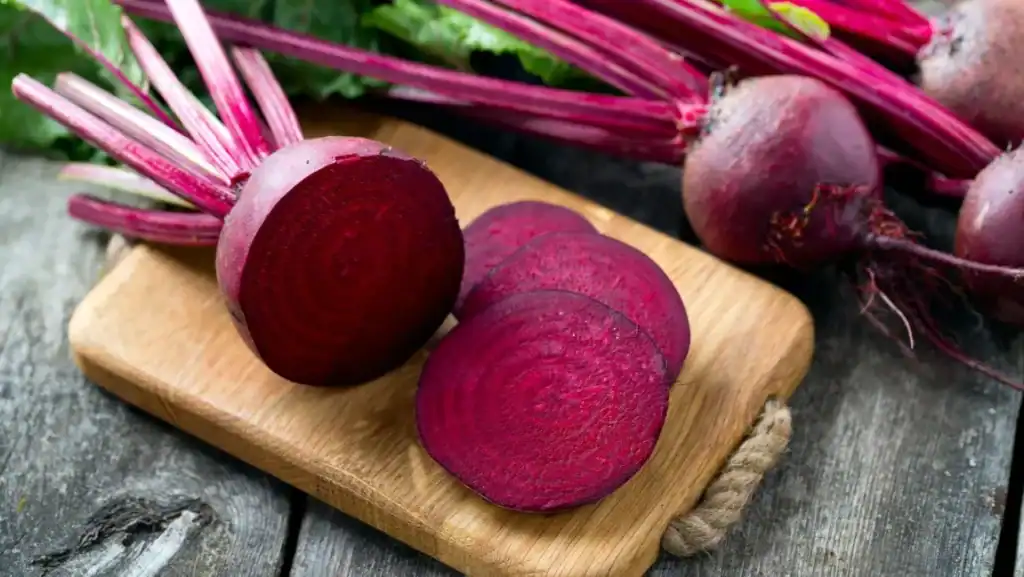
Some chefs refuse beets due to their earthy taste, which can be divisive. Roasting beets with a coating of olive oil and herbs can mellow their flavor, bringing out their natural sweetness while reducing the overpowering soil-like taste. Thinly slicing or spiralizing and integrating into salads is another approach, allowing their vibrant color to enhance presentation. For those wary of the robust flavor, pairing beets with acidic components like citrus or vinegar can create balance, making them more palatable to diverse audiences.
Farewell to Foam

Foam, once a trendy presentation technique, is often dismissed by chefs preferring simplicity over spectacle. While it can offer aesthetic appeal, foam sometimes lacks substantive flavor and supporting texture. Instead, emphasize sauces or reductions that provide pronounced taste and texture, enhancing the dish's richness and complexity. Techniques like emulsifying oils or creating broths and veloutés enrich dishes without detracting from their essence. This focus on substance rather than show ensures a robust culinary experience.
Pre-Shredded Cheese

While convenient, pre-shredded cheese often contains anti-caking agents like cellulose (a.k.a. wood pulp) that affect flavor and texture. Many chefs skip it in favor of fresh blocks, which melt better and have a purer taste. Freshly grated cheese elevates everything from pasta to tacos, while bagged shreds can taste waxy or bland. It’s a small switch that makes a big difference in quality.
Imitation Crab (Surimi)

Chefs steer clear of imitation crab because it’s a heavily processed product made from white fish, starch, and artificial flavorings. While it mimics the look and taste of crab, it lacks the depth, sweetness, and texture of the real thing. For professionals focused on freshness and authenticity, real crab—though more expensive—is worth every bite, especially in dishes like sushi, salads, or seafood pasta.
Microwave Popcorn

Microwave popcorn might be a movie-night staple, but many chefs avoid it due to its artificial butter flavor, excess sodium, and chemical additives found in the bags. Diacetyl, once common in the buttery flavoring, raised health concerns, and even now, the ingredient lists are long and questionable. Instead, chefs prefer air-popped or stovetop popcorn for better taste and full ingredient control.
Grocery Store Sushi

Most chefs won’t touch grocery store sushi, especially the prepackaged kind sitting for hours in chilled displays. The rice often becomes hard and flavorless, the fish lacks freshness, and the quality control is inconsistent. For chefs, sushi is an art form requiring top-tier ingredients, careful handling, and precise timing. Supermarket versions rarely do justice to the craft—or the palate.
