
Seafood Faux Pas: 15 Dishes Chefs Say to Skip
We all love a good seafood meal—there's something special about buttery lobster, crispy fried calamari, or a fresh piece of sushi. But here's the thing: not all seafood is created equal. In fact, some popular dishes are total traps. You know the ones. The pre-packaged sushi that's been sitting in a cooler for who knows how long. The rubbery shrimp cocktail at a party. The “lobster” roll that tastes mostly like mayo. Even experienced chefs have a list of seafood dishes they'd never order—or serve. And once you hear why, you might start skipping them too.
So what should you avoid? In this article, we're breaking down 15 seafood dishes that often miss the mark—from microwaved crab legs and frozen calamari to budget buffet oysters and imitation crab. We'll explain why each one can be problematic (think texture, taste, safety, or sustainability) and offer smarter alternatives. Want real crab instead of fake? We've got you. Curious about sustainable fish swaps for Chilean sea bass? Yep. Looking for tips on how to cook shrimp, scallops, or mussels the right way at home? Absolutely. Consider this your cheat sheet for navigating the seafood world like a pro—without getting burned by the bad stuff. Let's dive in.
Pre-Packaged Supermarket Sushi
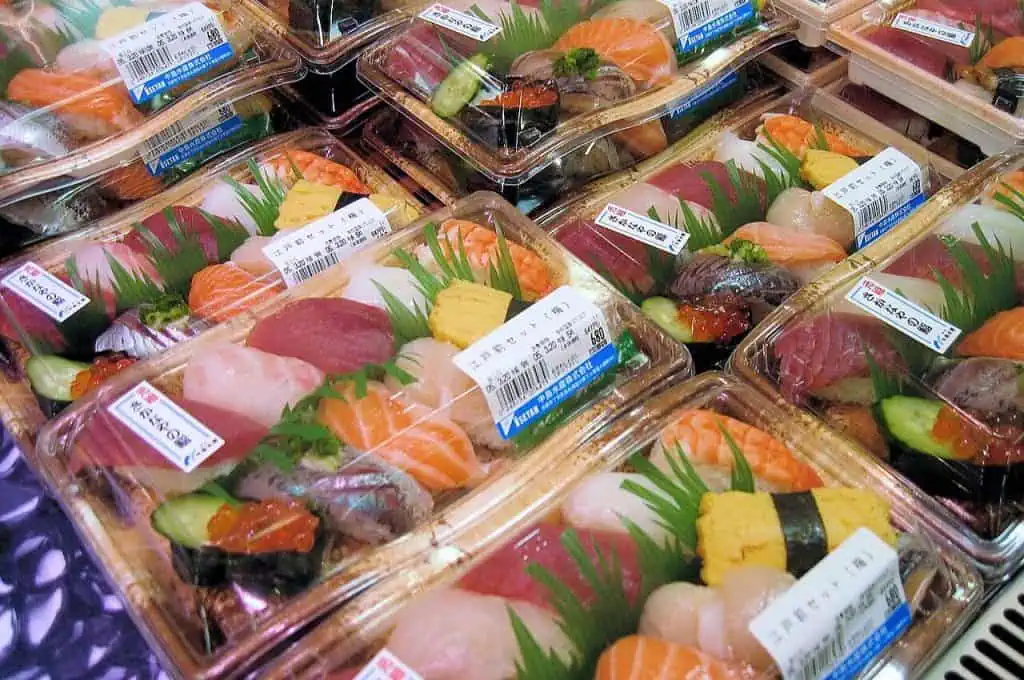
Pre-packaged sushi may be convenient, but it often lacks the freshness crucial to a quality sushi experience. The rice can become dry or overly compacted, and the fish can lose its vibrancy in flavor and texture. Sushi is best enjoyed fresh, where each component maintains its intended taste and feel. For a more authentic experience, visit a reputable sushi counter where the food is prepared to order, ensuring each bite delivers the freshness and quality that sushi is celebrated for.
The Pitfalls of Freshwater Sushi

When it comes to sushi, chefs advise caution with fish that originate from freshwater sources. These fish are more susceptible to parasites, which pose a greater health risk when consumed raw. Saltwater fish, by comparison, have a natural defense against such parasites. To ensure safety and enjoy the best flavors, opt for sushi prepared with fresh, saltwater fish like tuna or salmon. These provide a safer and more flavorful option while maintaining the integrity of a traditional sushi experience.
Avoiding Raw Scallops

Raw scallops can be enticing for their sweetness and delicate texture, but chefs often suggest cooking them first to bring out their best qualities. Scallops shine when seared, with the heat enhancing their natural sweetness and creating a delightful crust. This cooking method also ensures that they reach a safe internal temperature, reducing any potential health risks. When prepared correctly, cooked scallops offer a perfect balance of flavors and textures that raw preparations may not achieve.
Oysters at a Budget Buffet?

The appeal of oysters lies in their freshness, yet budget buffets frequently miss the mark in delivering safe, quality shellfish. Oysters that are kept at improper temperatures can develop unsafe bacterial levels, posing significant health risks. For the best experience, seek out oysters from reputable sources where freshness is guaranteed, and they are expertly shucked to preserve their briny, ocean-like flavors. This careful sourcing ensures both delectable taste and safety.
Fast Food Lobster Rolls

Quick-service lobster rolls often fall short due to subpar ingredients and poor preparation. Authentic rolls require fresh lobster meat, delicately poached and gently tossed with mayonnaise, lemon juice, and a hint of celery crunch. What you frequently encounter in fast food versions is an overload of heavy mayo, masking the subtle sweetness of the lobster. Opting for traditional methods and better sourcing ensures a pristine balance of texture and flavor, transforming each bite into a true indulgence instead of a mere approximation.
Microwaved Crab Legs
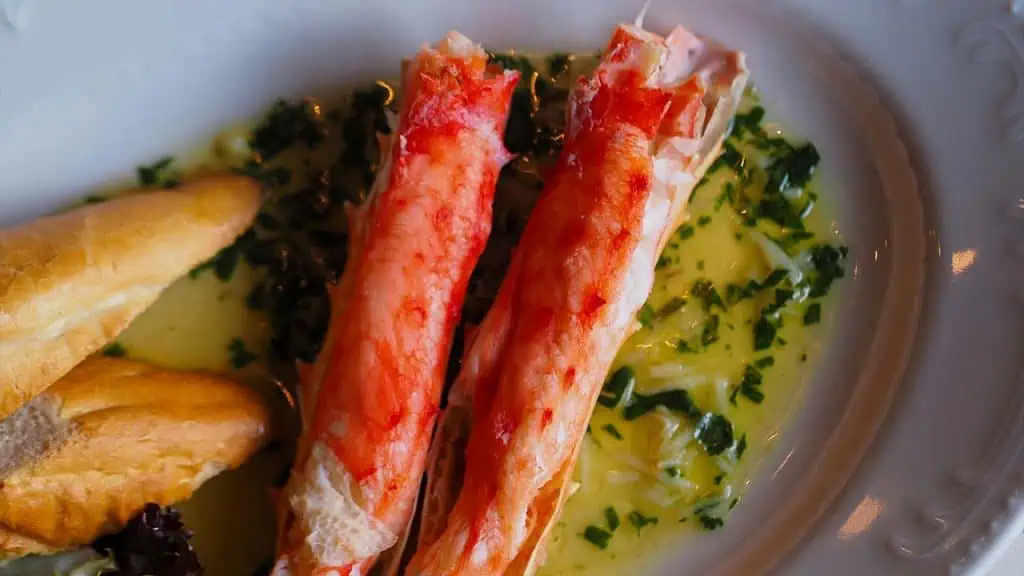
Microwaving crab legs can result in rubbery textures and unevenly heated meat. The key to succulent crab is gentle steaming, allowing the heat to permeate slowly and evenly. By filling a large pot with water and adding a steaming basket, you preserve the natural juices, ensuring tender, flavorful bites. This method prevents overcooking and retains the delicate, sweet essence of the crab, offering a dramatically superior dining experience than a rushed microwave job ever could.
Frozen Calamari Concerns
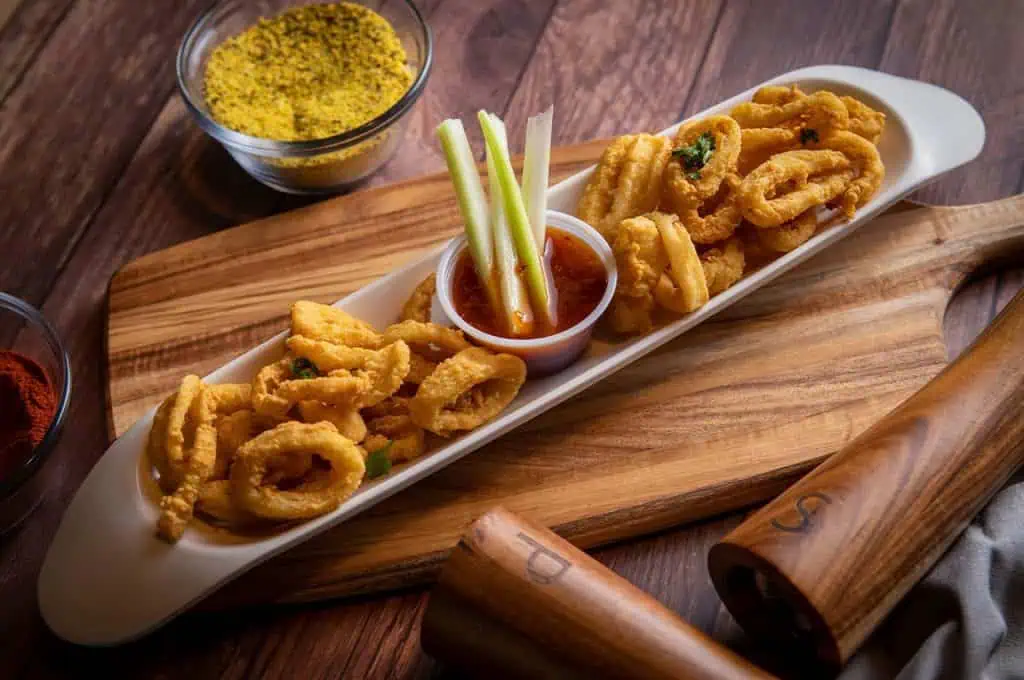
Frozen calamari often suffers from texture issues and loss of flavor due to improper storage and thawing methods. Achieving that perfect crispy ring relies on freshness; start with squid that is firm and odor-free. If opting for frozen, ensure it is thawed slowly in the refrigerator to maintain integrity. Coating calamari in seasoned flour or a light batter before frying ensures a golden crust, while quick frying at the right temperature keeps the flesh tender, offering a contrast of textures that should never be compromised.
Is That Seafood Boil Worth It?
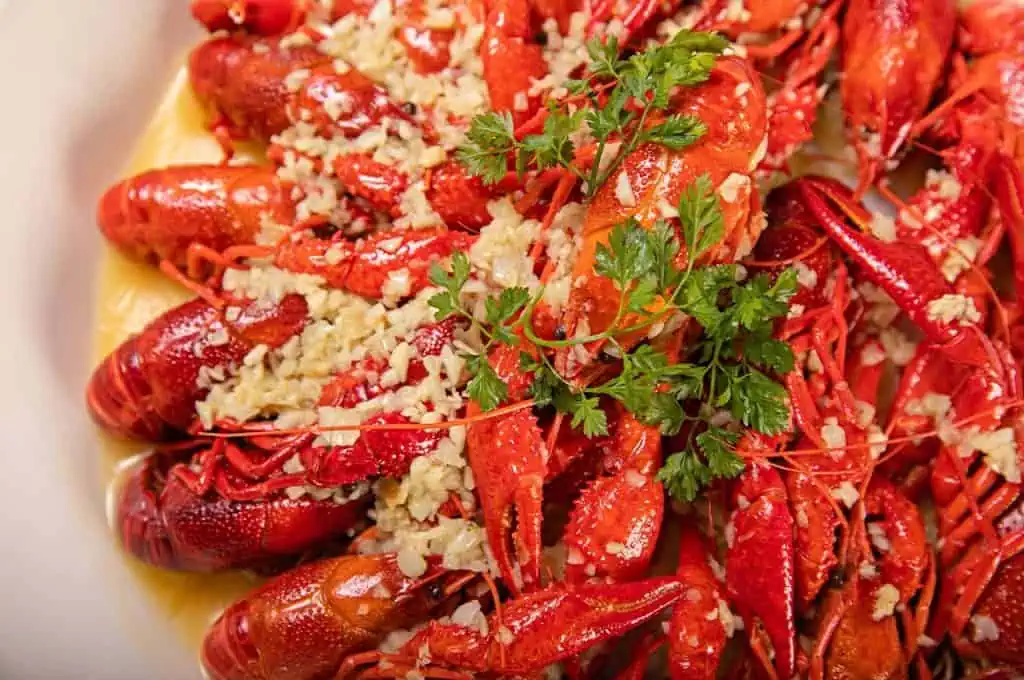
Seafood boils are a communal delight but can easily disappoint if not approached with quality and care. The secret lies in fresh, high-quality seafood and a well-seasoned broth. Balance the mix of spices—cayenne, paprika, and garlic—with an acidic hit from lemons or a splash of vinegar. Overloading the pot can dilute these flavors, while underseasoning results in a bland outcome. Take time to layer flavors, ensuring each component—shrimp, crab, and corn—absorbs the robust broth, making the communal feast as flavorful as intended.
Shrimp Cocktail Shortcomings

Shrimp cocktail should be a simple showcase of shrimp’s natural sweetness, yet too often it is plagued by rubbery textures from improper cooking. For perfectly cooked shrimp, start by bringing a pot of salted water with aromatics like lemon and bay leaves to a boil. Shrimp should only be added once the water is off the heat, allowing them to poach gently. An ice bath stops cooking immediately, preserving that tender bite. Pair with a zesty cocktail sauce for a classic, refreshing appetizer void of preparation pitfalls.
The Chilean Sea Bass Dilemma
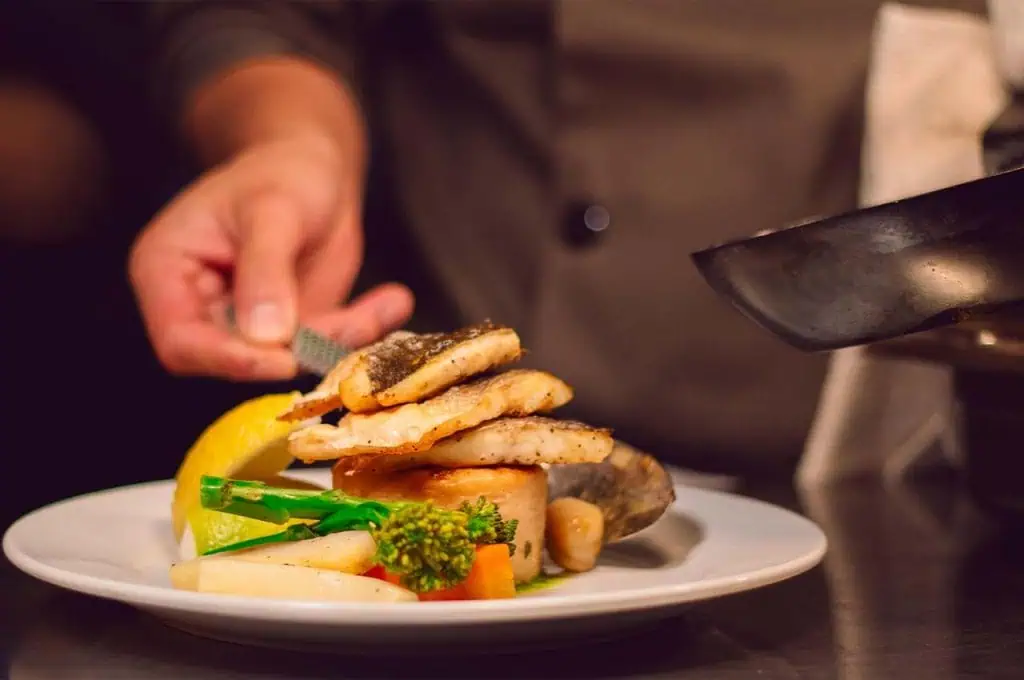
Chilean sea bass, once prized for its buttery texture, faces sustainability issues that have caused chefs to reconsider its place on the menu. Overfishing has led to depleted stocks, making it crucial to seek alternative options like sustainable white fish. Look for certifications that ensure you're choosing seafood from responsibly managed fisheries. Try substituting with Pacific cod or sablefish, which offer similar flavors and flakiness without the environmental impact. This shift supports ocean health while maintaining culinary satisfaction.
Farmed Shrimp Warnings
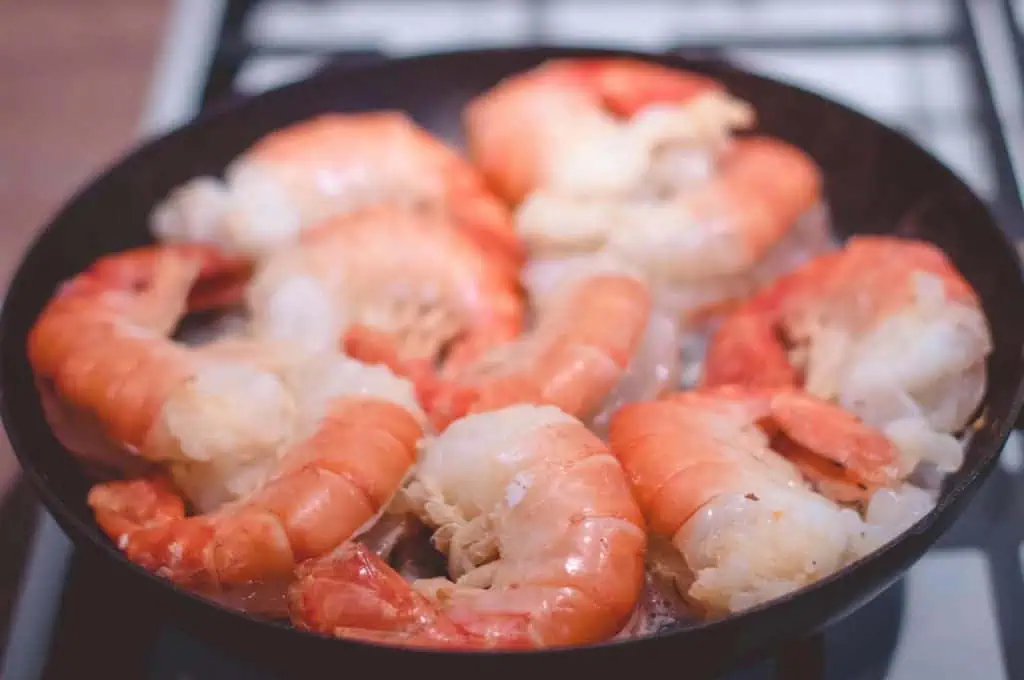
Farmed shrimp, ubiquitous in many dishes, often comes from environments where it's exposed to harmful chemicals and antibiotics. To avoid this, seek out shrimp labeled as wild-caught or sourced from certified sustainable farms, where the focus is on natural habitats and ethical practices. Wild shrimp boasts a firmer texture and a more pronounced, sweet flavor that elevates dishes like shrimp scampi or stir-fry. Prioritizing quality over convenience ensures both taste and health are uncompromised.
Shark Fin Soup Controversy

Shark fin soup, once a symbol of status, is increasingly scrutinized due to ethical and environmental concerns. The practice of finning, often brutal and wasteful, affects shark populations globally. For those craving the dish's rich broth, chefs recommend broths made from sustainably sourced seafood or plant-based alternatives, which provide depth without the ethical cost. These options not only respect marine ecosystems but also offer a guilt-free culinary experience.
Pre-Cooked Mussels & Clams
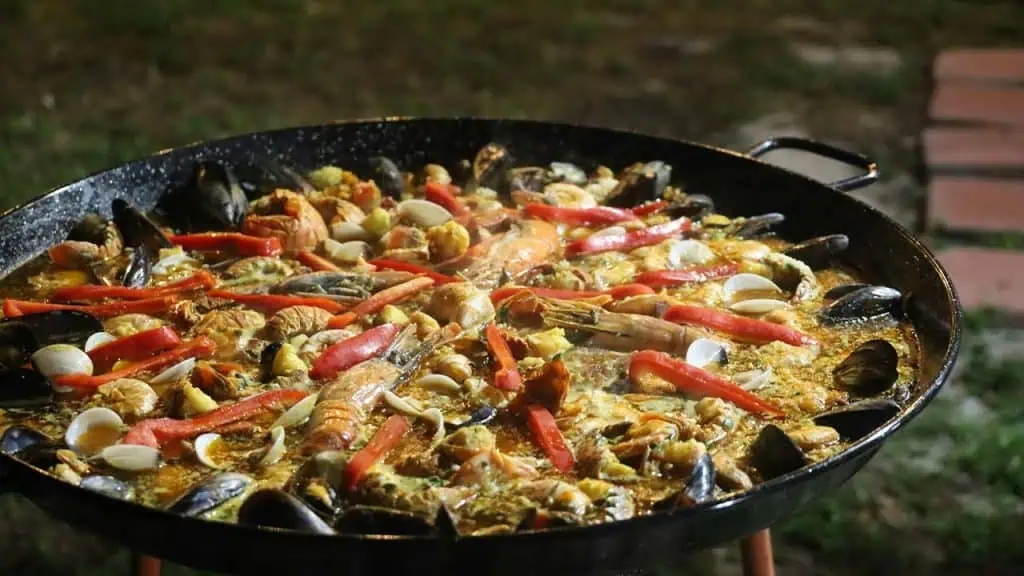
Pre-cooked mussels and clams, while convenient, often lack the vibrant, briny taste of fresh shellfish. Cooking them yourself allows precise control over texture, resulting in tender, succulent bites rather than rubbery disappointments. Begin by selecting fresh, tightly closed shells, and steam them until they just open to avoid overcooking. Season simply with garlic, white wine, and herbs for a dish that showcases their natural flavors and satisfies the palate.
Eel: Unexpected Hazards
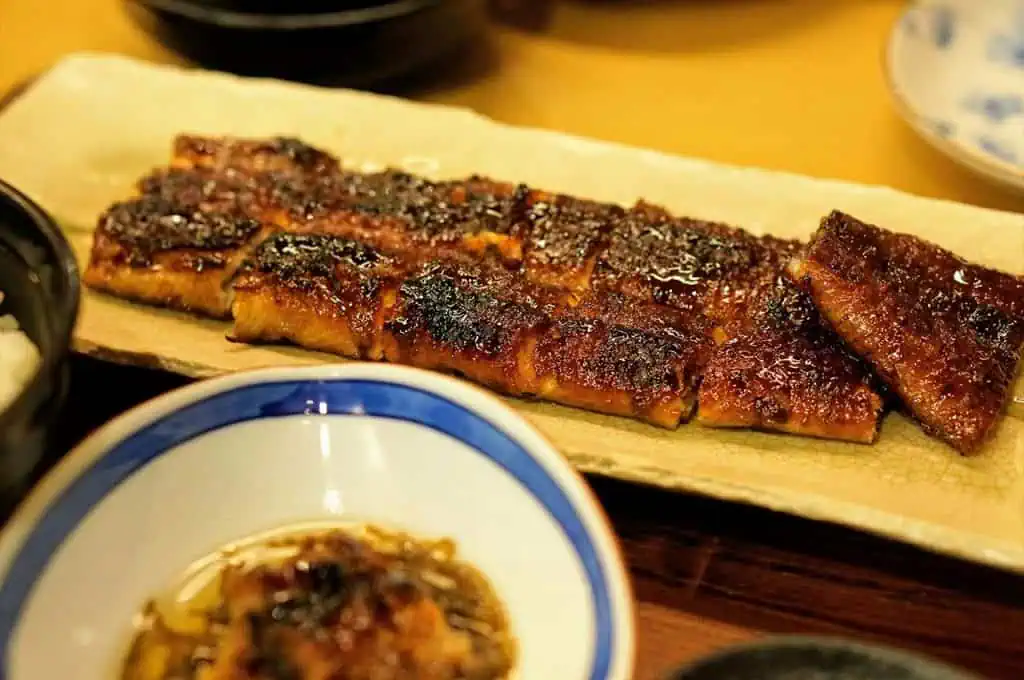
Eel, a delicacy in many cultures, poses challenges both environmentally and health-wise. Its popularity, particularly in unagi, strains eel populations and raises concerns over mercury levels. For those seeking a similar umami-rich experience, consider using sustainably farmed eel or alternatives like catfish or mushrooms. These options capture the essence of eel dishes while supporting conservation efforts and reducing potential toxin exposure. This mindful choice enables enjoyment of a classic taste with modern awareness.
Imitation Crab Issues
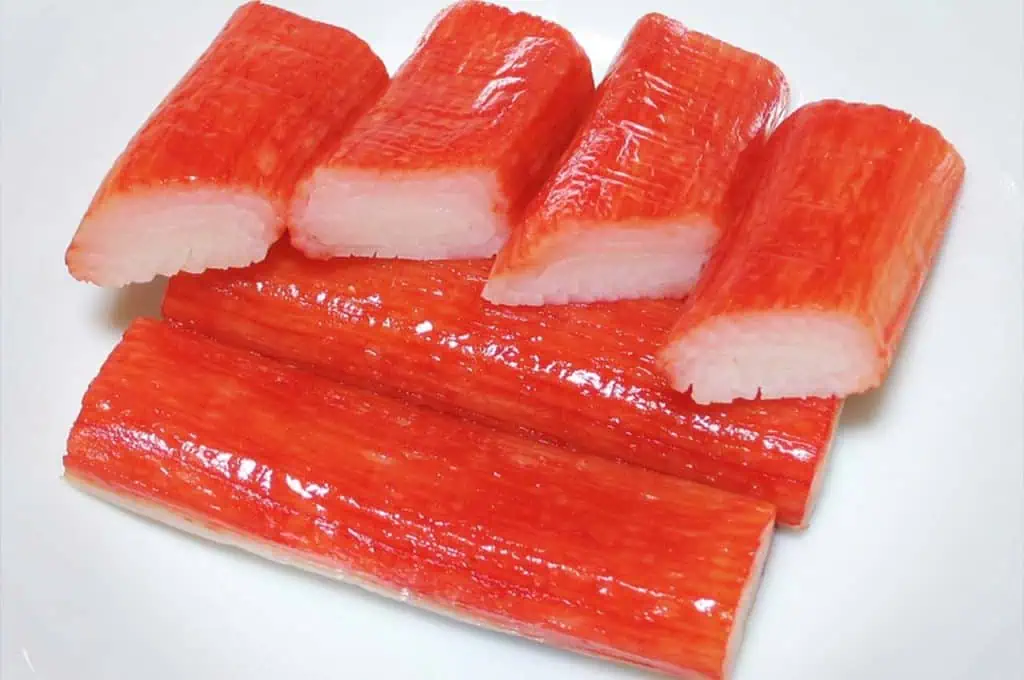
Imitation crab, often made from pulverized white fish like pollock, lacks the delicate sweetness and texture of real crab. Its artificial flavoring and added sugars contribute to a one-dimensional taste profile, leaving dishes like sushi or crab salad lacking authenticity. For better results, opt for real crab meat or shrimp, which offer a natural sweetness and firmer texture. Focus on using fresh, high-quality ingredients that allow for uncomplicated but richly satisfying seafood dishes.
Cheap Whole Fried Fish Woes
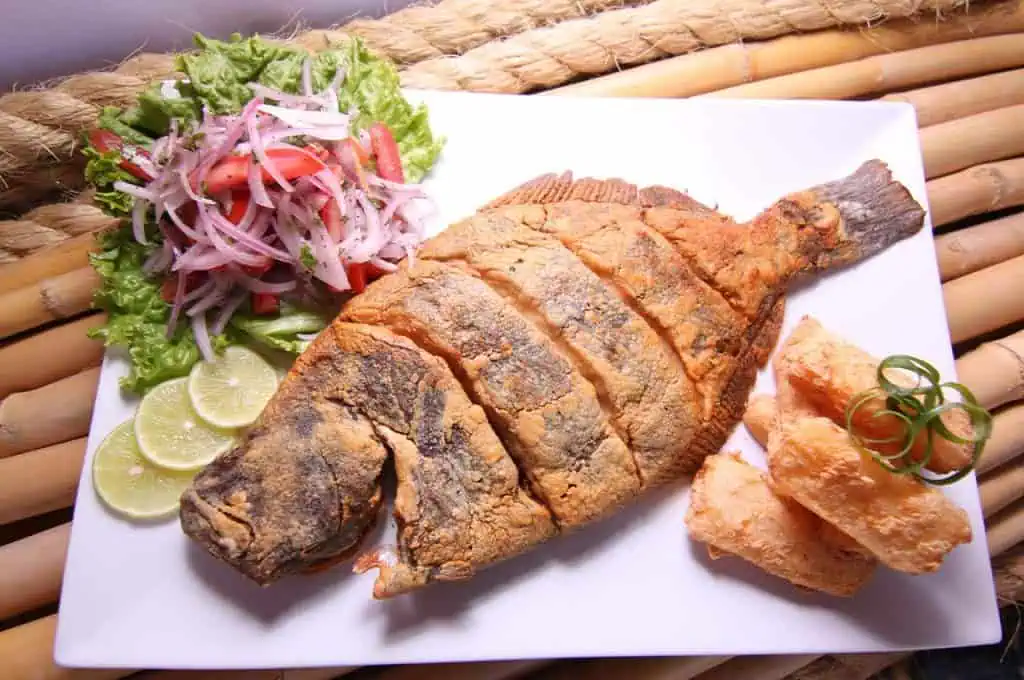
Selecting a low-quality whole fish to fry can result in a soggy texture and off-putting taste. Cheaper fish typically have more bone issues and inconsistencies in density, leading to uneven cooking. For a crisp and flavorful outcome, choose a fresh, firm fish like snapper or branzino. Ensuring that the fish is properly cleaned and dried before frying is crucial for achieving a golden, crunchy exterior that locks in moisture without overpowering the natural flavor of the fish.
