
Essential Groceries to Start Your Mediterranean Diet Today
The Mediterranean diet is celebrated for its health benefits, yes—but also for its flavor. Rooted in the traditional eating habits of countries like Greece, Italy, and Spain, it’s a way of cooking that feels less like a regimen and more like a celebration. Fresh vegetables, heart-healthy fats, lean proteins, and vibrant herbs come together in meals that are as satisfying as they are nourishing. Here are the essential groceries that can help bring this rich, wholesome tradition into your own kitchen.
Olive Oil: Liquid Gold for Cooking

Olive oil is the heartbeat of the Mediterranean kitchen. Extra virgin is the way to go—its fruity, robust flavor carries everything from salads to marinades to simple sautéed vegetables. Store it in a cool, dark place to protect its quality, and use it generously. Drizzle it over roasted vegetables, whisk it into dressings, or just dip bread into it and appreciate how something so simple can taste so rich.
Fresh Fish for Omega-3 Boost

Fish like salmon, sardines, and mackerel are staples in the Mediterranean diet, prized for their omega-3 fatty acids and heart-healthy benefits. Aim for a couple of servings a week, prepared simply: grilled, baked, or poached with lemon, herbs, and a drizzle of olive oil. It’s protein that feels light yet satisfying, and it brings a freshness to your table that processed options just can’t match.
Leafy Greens: Nutrient Powerhouses
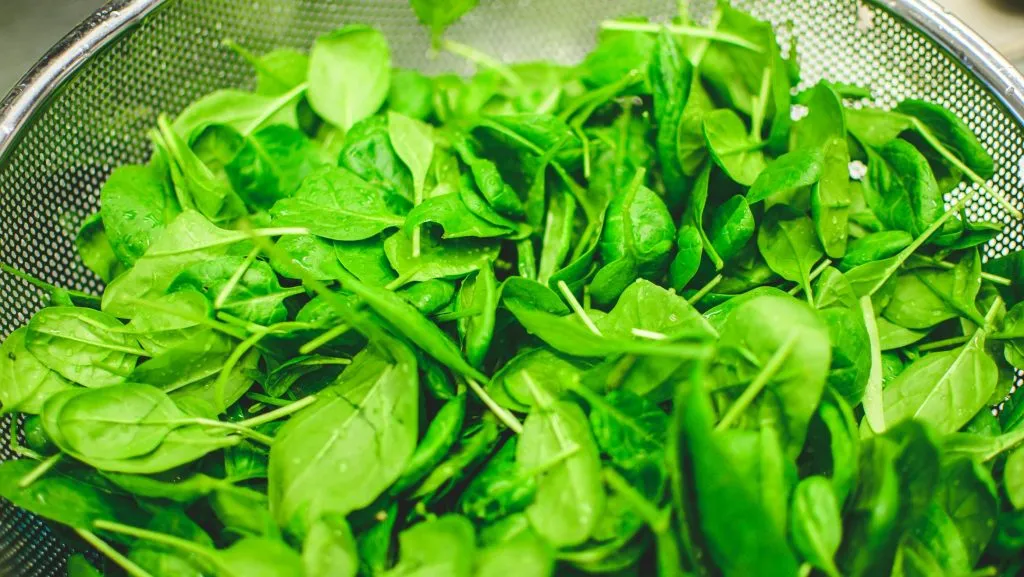
Spinach, arugula, kale—these greens show up everywhere in Mediterranean cooking, and for good reason. They’re packed with vitamins and antioxidants, but what makes them essential is their versatility. Toss them raw into salads, wilt them into soups, or sauté them with garlic and olive oil for a simple side. They add color, texture, and a quiet nutritional boost to almost any meal.
Whole Grains: Fiber-Rich Staples
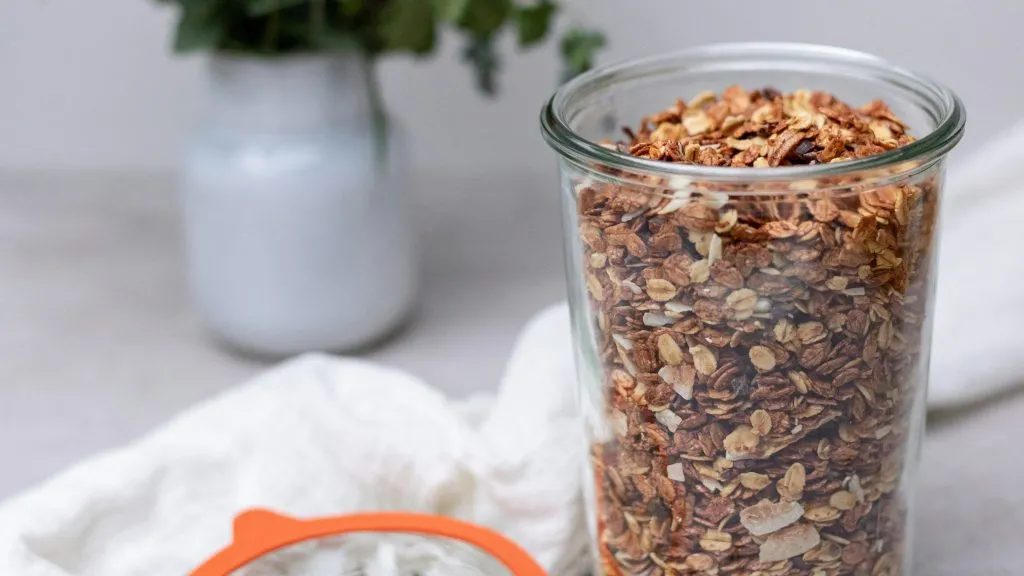
Quinoa, farro, bulgur—these grains are the foundation of so many Mediterranean meals. They have a satisfying chew, a nutty flavor, and they soak up whatever you pair them with. Use them as a base for salads, toss them into stews, or even try them in breakfast bowls. They’re filling in the best way, and they give you long, steady energy without weighing you down.
Tomatoes: Juicy Red Antioxidants

Tomatoes are everywhere in Mediterranean cooking, and it’s easy to see why. They’re bright, juicy, and packed with antioxidants like lycopene. For the best flavor, go for vine-ripened or heirloom varieties when you can. Roast them with olive oil, garlic, and herbs to concentrate their sweetness, or use them fresh in salads and sauces. A good tomato can carry a whole dish.
Nuts and Seeds for Healthy Snacks

Almonds, walnuts, pistachios—these make for satisfying snacks that actually nourish you. Lightly toasting them brings out their natural oils and deepens their flavor, but go gentle to preserve their nutritional value. Sprinkle them over salads, stir them into yogurt, or just keep a bowl out for easy grazing. They’re crunchy, rich, and make healthy eating feel like a treat.
Legumes: Protein-Packed Beans

Chickpeas, lentils, cannellini beans—legumes are the workhorses of Mediterranean cooking. They’re hearty, earthy, and endlessly adaptable. Simmer them with herbs and bay leaves, mash them into dips like hummus, or toss them into salads with bright, citrusy vinaigrettes. Soak dried beans overnight to cut cooking time and improve digestibility, and you’ll always have a protein-rich base ready to go.
Fruits: Sweet Seasonal Delights

In the Mediterranean, fruit isn’t just dessert—it’s part of everyday eating. Figs, berries, citrus—each season brings its own highlight. Choose fruit that’s vibrant and firm, and let it shine on its own or in simple preparations. A bowl of fresh fruit drizzled with honey and sprinkled with mint is as simple as it gets, but it tastes like sunshine.
Greek Yogurt: Creamy and Probiotic

Greek yogurt is thick, tangy, and packed with protein. Its richness comes from straining, which also concentrates its probiotic benefits. Use it as a base for tzatziki, stir it into dressings, or enjoy it simply with honey and nuts. Stick with plain varieties—you can always add sweetness yourself—and let its creamy texture be the foundation for both savory and sweet dishes.
Herbs and Spices: Flavorful Additions

Dried oregano, thyme, and rosemary are the unsung heroes of the Mediterranean pantry. Oregano brings a peppery punch to tomato sauces and marinades. Thyme adds earthy depth to roasted vegetables and grilled meats. Rosemary infuses oils and potatoes with its piney, aromatic presence. A sprinkle of these herbs can transform a simple dish into something memorable. Fresh herbs are wonderful when you have them, but a well-stocked dried collection means flavor is always within reach.
The Mediterranean diet isn’t about strict rules or expensive ingredients. It’s about quality, balance, and cooking with what’s fresh and flavorful. Stock your kitchen with these staples, and you’re already most of the way there. The rest is just enjoying the process—and the food.
