
Eat to Ease: 9 Foods That Help Fight Migraines Naturally
If you’ve ever had a migraine, you know it’s not just a headache. It’s a pounding, nauseating, lights-too-bright, sounds-too-loud kind of misery. And while medication has its place, what you eat can also make a real difference. Certain foods are packed with nutrients that help reduce inflammation, relax blood vessels, and even prevent migraines before they start. Think magnesium-rich almonds and spinach, anti-inflammatory ginger and salmon, hydrating watermelon, and even eggs loaded with vitamin B2. These aren’t weird supplements or expensive treatments—they’re everyday ingredients that taste good and do good. And the best part? You can easily work them into meals you already love.
So if you’re tired of guessing what might trigger your next migraine, this one’s for you. In this article, we’re highlighting 9 foods that may help ease migraine symptoms—from crunchy almonds and peppermint tea to cherries, blueberries, and ginger-spiced stir-fries. You’ll learn simple tips like why tart cherries can support better sleep, how to brew fresh ginger for maximum potency, and why staying hydrated with water-rich fruits like watermelon is a game-changer. No complicated diets. No fear-mongering about “trigger foods.” Just real, delicious ingredients that support your body and might just keep those pounding headaches at bay. Let’s eat for relief.
Magical Magnesium: Try Almonds

Almonds stand out as a powerhouse among migraine-relieving foods, thanks to their high magnesium content. This mineral is known to relax blood vessels and reduce the frequency of headaches. Enjoying a handful of almonds daily, whether raw or lightly roasted, offers you a convenient snack packed with benefits. Incorporate them into your breakfast cereals or salads for added texture and a subtle, nutty richness. Their versatility makes almonds an easy addition to both sweet and savory dishes.
Fiery Relief: Benefit from Ginger

Ginger is celebrated for its anti-inflammatory properties, which can ease migraine symptoms. Incorporate fresh ginger into your diet by grating it into smoothies, steeping it in teas, or adding it to stir-fries. Its sharp, peppery flavor enlivens soups and broths, providing both a taste boost and therapeutic relief. With its ability to soothe nausea—a common migraine companion—ginger can be a strategic component in your culinary arsenal against headaches.
Hydration Hero: Watermelon Wonders

Watermelon is more than just a refreshing treat; it’s a hydrating hero that can help mitigate migraines. High water content paired with essential nutrients like vitamins A and C makes it ideal for maintaining hydration, a key factor in preventing headaches. Serve it chilled in salads, blend it into drinks, or enjoy it sliced—letting its sweetness and juiciness provide relief. This fruit’s vibrant texture and flavor offer a nourishing and enjoyable way to stay hydrated.
Omega-3 Rich: Salmon Savoriness

Salmon, with its high omega-3 fatty acids, offers anti-inflammatory benefits that can reduce migraine frequency. These healthy fats also promote overall brain health. Grill or bake salmon with a hint of lemon and herbs to enhance its natural flavors. Pair it with a side of leafy greens or quinoa for a balanced meal. Its rich, buttery texture is both indulgent and beneficial, making it a delicious component of a migraine-fighting diet.
Leafy Greens: Spinach Power
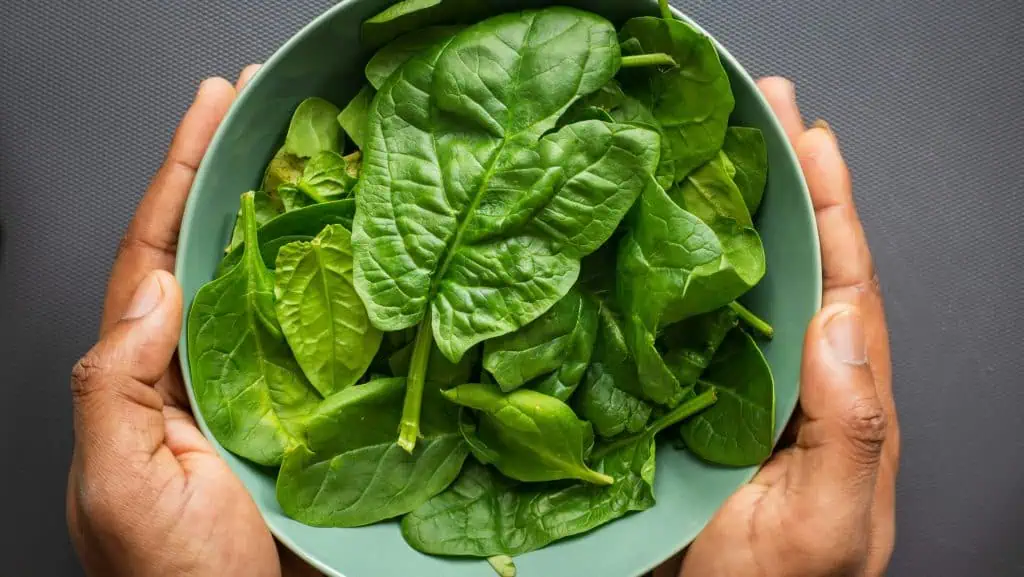
Spinach is a nutritional powerhouse that can naturally assuage migraine symptoms. Rich in magnesium, which supports neurological function, spinach can help regulate nerve and muscle function, reducing headache frequency. Incorporate raw spinach into salads for maximum nutrient retention, or lightly sauté it with olive oil and garlic. Pair it with high-vitamin B foods for enhanced effects. Freshness is key; ensure spinach leaves are vibrant green and crisp for best results in both texture and flavor.
Vitamin B2 Boost: Egging On Relief

Eggs are a valuable source of vitamin B2, or riboflavin, which plays a crucial role in energy production and maintaining healthy mitochondrial function—essential for migraine management. Enjoy eggs boiled or poached to preserve their nutritional integrity. When scrambling, use moderate heat to prevent nutrient loss. Consider pairing eggs with whole-grain toast for a hearty breakfast or adding them to a vegetable stir-fry. Opt for high-quality, free-range eggs to maximize taste and nutritional benefits.
Sweet Defense: Cherries for Comfort

Cherries, especially tart varieties, are packed with antioxidants and anti-inflammatory compounds that can help reduce migraine frequency. Their natural melatonin content also supports better sleep, a crucial factor in migraine prevention. Enjoy fresh cherries as a snack, or blend them into a smoothie with yogurt and oats for a wholesome start to your day. When not in season, opt for unsweetened dried cherries or cherry juice concentrate, both of which offer similar benefits without added sugars.
Herbal Ally: Peppermint Potential

Peppermint, with its soothing aroma and menthol content, can alleviate headaches by promoting muscle relaxation and improving circulation. Use fresh peppermint leaves in teas—simply steep them in hot water for several minutes to extract their calming properties. In culinary applications, add chopped leaves to salads or mix them into yogurt-based dressings. Essential oils, applied topically or diffused, can provide quick, aromatic relief. Always test a small area for sensitivity when using oils.
Berry Bliss: Blueberries for Balance

Blueberries are rich in antioxidants that fight inflammation—a common trigger for migraines. Their high vitamin C content supports immune health, potentially reducing the frequency of attacks. Add fresh or frozen blueberries to morning oatmeal or blend them with greens and flaxseeds in a smoothie. Their natural sweetness pairs wonderfully in salads or as a topping for yogurt. For peak flavor and nutrient density, select blueberries that are firm and deep in color, in season, if possible.
