
11 pantry items from the 60s nutritionists would be shocked to see today
The pantry staples of the 1960s present a fascinating glimpse into past culinary habits, revealing ingredients that shock modern nutritionists. These items, once celebrated for their convenience, are now scrutinized for their nutritional content and processing methods. Understanding these components provides insights into how dietary preferences and health awareness have shifted over the decades.
Canned Ham: Salt and Preservatives Galore
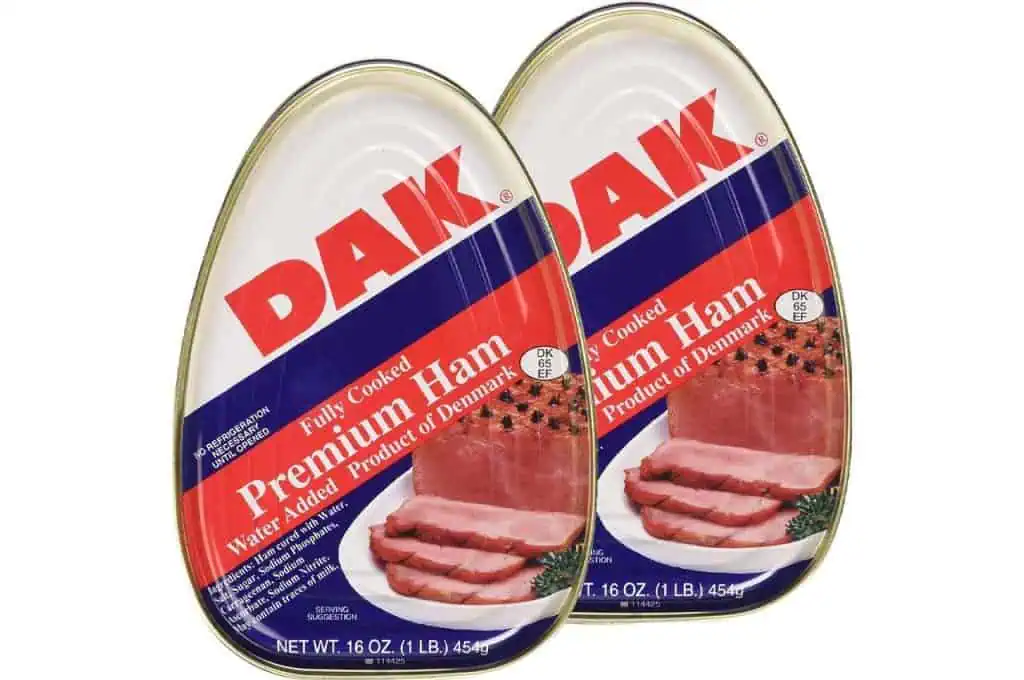
Canned ham was a kitchen mainstay, known for its long shelf life due to high salt content and preservatives like nitrites. Though convenient, this option is laden with sodium, impacting heart health. When preparing it, consider balancing flavors with fresh herbs and a citrus glaze to reduce the need for salty accompaniment. Understanding its role in past diets emphasizes the shift towards fresh, minimally processed proteins.
TV Dinner Gravies with Hidden MSG

TV dinners were revolutionary for busy families, but their gravies often contained hidden MSG to enhance flavor. Although it adds a savory umami note, MSG can be a concern for those with sensitivities. Re-creating these gravies with homemade stock and fresh herbs can replicate the richness without additives. This transition highlights the current preference for maintaining control over ingredient quality and composition.
Hydrogenated Shortening in Every Bake

Hydrogenated shortening was a baking staple for its ability to produce flaky textures. However, the trans fats present raised health concerns, prompting a switch to natural fats like butter or coconut oil. For similar results, use chilled butter combined with a touch of vinegar in pastries. This not only enhances flavor but aligns with modern nutritional standards, reflecting a move towards more wholesome ingredients.
Powdered Drink Mixes: Dyes and Sugar

Powdered drink mixes offered vibrant colors and flavors, thanks to synthetic dyes and high sugar content. Their appeal lay in brightening any meal, yet they contributed to excess calorie intake and possible behavioral effects in children. Today’s healthier approach pairs real fruit juices with carbonated water for a refreshing alternative, maintaining the excitement without compromising dietary goals. This shift underscores a movement towards natural, less processed beverage options.
Canned Macaroni: Processed Cheese Surprise

Explore the canned macaroni often found in 60s pantries, where convenience met a heavy dose of processed cheese sauce. These cans offered a quick meal solution, yet nutritionists today raise concerns about the high sodium and artificial additive content. The sauce, creamy and bright orange, was often thickened with stabilizers, affecting the texture to ensure it was shelf-stable. Modern cooks aiming for a similar quick dish might prefer preparing fresh pasta and cheese, using quality cheeses to achieve a creamy consistency without artificial enhancers.
Vienna Sausages: Sodium and Fillers

Canned Vienna sausages provided accessible protein with a soft texture, but at the cost of high sodium and fillers such as modified starches and hydrolyzed proteins. These small links, shelf-stable and mildly spiced, often contained more preservatives than meat. While they were convenient, today’s cooks can replicate this swift protein boost by sautéing fresh chicken or turkey sausages with herbs, ensuring a more straightforward ingredient list and clearer flavors, capturing that nostalgic comfort without unnecessary additives.
Whip Topping: Stabilizers in a Can

Whip toppings, particularly in spray canisters or tubs, brought airy sweetness to desserts during the 60s. Stabilizers like hydrogenated oils and corn syrup were used to maintain shape and texture, though they resulted in a finish far removed from real cream. Cooks today might craft a simple whipped cream by beating chilled heavy cream with a hint of sugar and vanilla, achieving a lighter, more vibrant fluff without synthetic aids, which can sometimes leave an aftertaste. Fresh cream provides a velvety texture that’s both indulgent and wholesome.
Fruit Cocktail: Heavy Syrup Sweetness

The fruit cocktail of the 60s, drenched in heavy syrup, was a pantry staple that promised a mix of fruits like grapes, cherries, and peaches. Although handy, the syrup often masked the natural flavors with overt sweetness. Health-conscious cooks now prefer packed-in-juice versions or opt for fresh fruit medleys. By composing your fruit mix, each piece retains its crisp texture and true flavor. A drizzle of honey or lemon enhances natural sweetness without overpowering, unlike the sticky syrup of its predecessors.
Gelatin Salads: Colorful Sugar Traps

Classic gelatin salads, colorful and alluring, used vibrant gelatin mixes often infused with extra sugar and artificial colors. These concoctions trapped fruits, marshmallows, or even vegetables in a jiggly embrace. While visually striking, their high sugar content and artificial additives make modern nutritionists pause. For a fresher approach, try using unflavored gelatin with pure fruit juices, setting in fresh, chopped fruits. The result is a dessert or side dish that balances sweetness naturally, with a texture rooted in real nutritional value.
Get the recipe: Jell-O Mold With Fruit Salad
Instant Potatoes: Hydrogenated Oil Alert

Instant potatoes, a pantry staple from the 60s, often contain hydrogenated oils, an ingredient now scrutinized for its trans fats. These oils were introduced to extend shelf life and improve texture but are now known to raise LDL cholesterol levels. Modern nutritionists encourage home cooks to opt for fresh potatoes, which offer natural flavor and nutrients. However, if convenience is key, seek brands with clean labels, focusing on dehydrated potatoes only. Consider blending them with real butter and milk to enhance taste and quality while reducing processed components.
Deviled Ham: Nitrates and Mystery Meats

Deviled ham, a compact and shelf-stable product beloved for its convenience, is loaded with nitrates and unidentifiable meat parts. These preservatives improve shelf life and flavor stability but come with health concerns; nitrates have been linked to potential health risks. Recreate this classic by combining ham from a reputable source with Dijon mustard, mayonnaise, and spices. Grinding it fresh retains its characteristic texture while reducing additives. A homemade approach allows control over spice intensity and nutritional content, enhancing both taste and health benefits.
