
Eat to Ease: 5 Menopause-Friendly Foods That Really Help
During menopause, certain foods can offer relief by addressing symptoms like hot flashes and bone health. Dietary choices become essential in supporting well-being through this transition. Understanding the benefits of specific ingredients helps in crafting meals that are both comforting and nutritious. Here we explore five menopause-friendly foods, each with unique properties, to incorporate into your diet for improved symptom management.
The Power of Soy
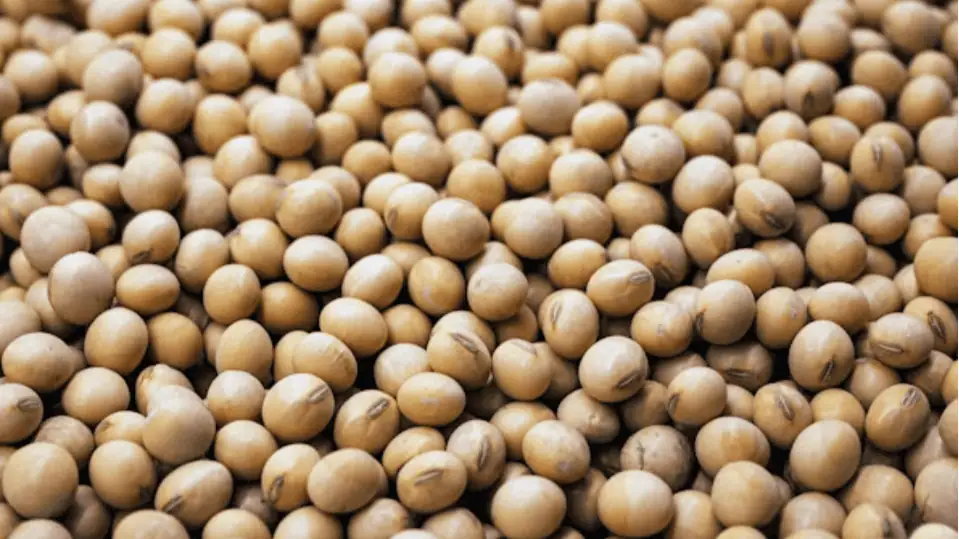
Soy is renowned for its rich isoflavone content, plant compounds that mimic estrogen in the body, which can alleviate menopausal symptoms. Incorporate soy through products like tofu or edamame. To maximize flavor, try marinating firm tofu in a blend of soy sauce, ginger, and garlic before pan-searing until golden brown. This technique enhances texture and flavor, making soy not just functional but enjoyable to eat.
Omega-3 Rich Fatty Fish

Fatty fish such as salmon and mackerel are excellent sources of Omega-3 fatty acids, which can help reduce inflammation and support heart health. For a flavorful dish, bake salmon fillets drizzled with olive oil and lemon slices. Adding herbs like dill or parsley after cooking can elevate the taste. Ensuring the fish is fresh and not overcooked will yield tender, juicy results that complement its health benefits.
Calcium-Boosting Dairy
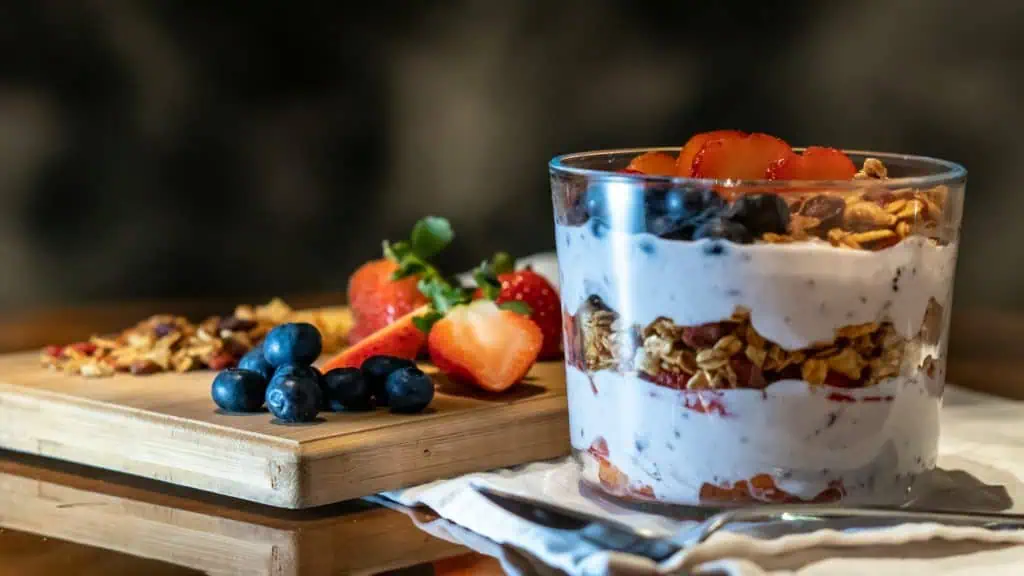
Dairy products provide a valuable source of calcium, crucial for maintaining bone density. Opt for low-fat choices like Greek yogurt or skim milk, which offer calcium without excessive saturated fat. Pair Greek yogurt with fresh berries and a sprinkle of flaxseeds for a nourishing breakfast. This combination not only enhances calcium intake but also provides antioxidants and fiber, supporting overall health.
Leafy Greens for Relief

Leafy greens like spinach and kale are packed with calcium and magnesium, important for bone health and muscle function. Sautéing greens with a bit of olive oil and garlic until just wilted keeps their nutrients intact and flavors vibrant. Adding a squeeze of lemon after cooking not only brightens the dish but also aids in calcium absorption. Incorporating these greens into your diet can help mitigate symptoms with ease and taste.
Berries: Nature’s Antioxidants
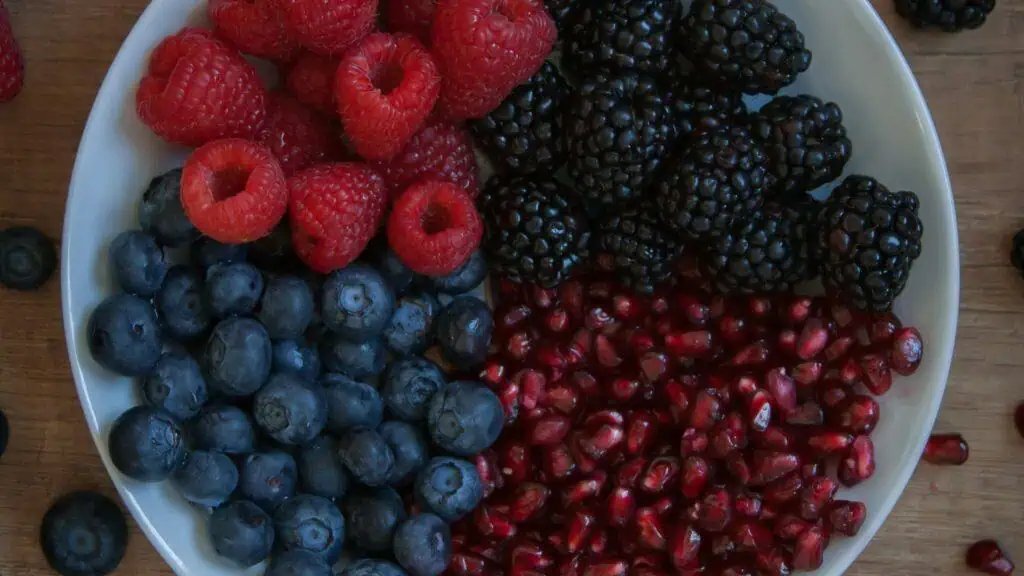
Berries, particularly blueberries, raspberries, and strawberries, are rich in antioxidants that combat oxidative stress, a common concern during menopause. Their high vitamin C content supports skin health, while fiber aids digestion. To maintain their vibrant texture and flavor, rinse berries gently under cold water and pat them dry just before use. For a quick snack, toss a handful into yogurt or blend with almond milk for a refreshing smoothie. These small fruits can also be lightly smashed and used as a topping for oatmeal, lending a tart-sweet contrast that invigorates each bite.
