
10 Restaurant Chains Changing the Way We Eat in 2025
In 2025, dining trends are evolving, with restaurant chains pushing boundaries to redefine the way we eat. They prioritize sustainability, innovation, and health-conscious menus, reflecting the demands of a savvy, modern consumer base. This exploration highlights ten trailblazers making significant shifts in the culinary landscape, offering insights into how these changes are reshaping our dining experiences for the better.
Chipotle: Doubling Down on Sustainability

Chipotle emphasizes sustainability by enhancing their farm-to-table practices. They source responsibly-raised meat and locally farmed vegetables. The focus is on reducing waste through compostable packaging and improving transparency in the supply chain. These efforts ensure every bite is not only flavorful but also part of a conscious movement toward a greener planet.
Sweetgreen: Redefining Fast Food

Sweetgreen champions health and efficiency, transforming fast food with nutrient-dense options. Their customization model allows diners to create salads that prioritize fresh, seasonal produce. By employing local farmers and reducing processing times, Sweetgreen ensures quick service without compromising on flavor or quality, making wholesome fare accessible and convenient.
Starbucks: Mainstreaming Plant-Based Drinks
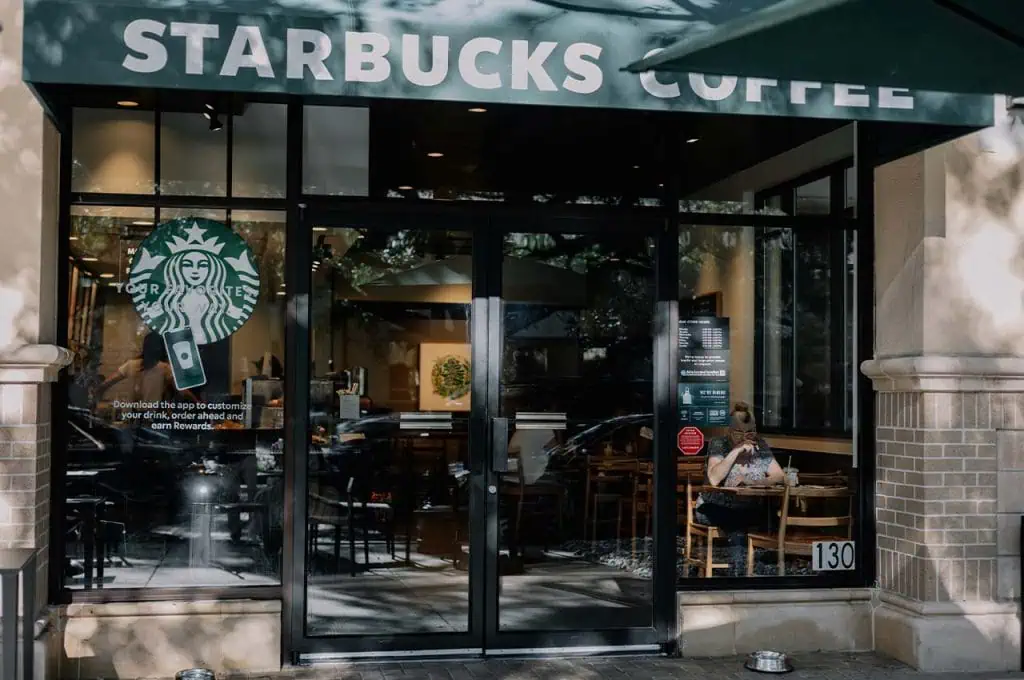
Starbucks enhances its menu with a variety of plant-based drink options, making them as mainstream as traditional offerings. Almond, oat, and soy milks take center stage alongside innovative vegan flavors. These shifts cater to dietary preferences while promoting sustainable farming practices, aligning with consumers seeking both taste and eco-friendly choices.
Panera Bread: Expanding Clean Ingredients

Panera Bread commits to transparency and clean labeling by eliminating artificial additives in their offerings. They focus on wholesome ingredients, promoting dishes free of artificial preservatives, sweeteners, and flavors. By doing so, Panera elevates everyday dining, meeting the demand for authentic, pure flavors in a fast-casual setting.
Shake Shack: Eco-Friendly Dining Leader
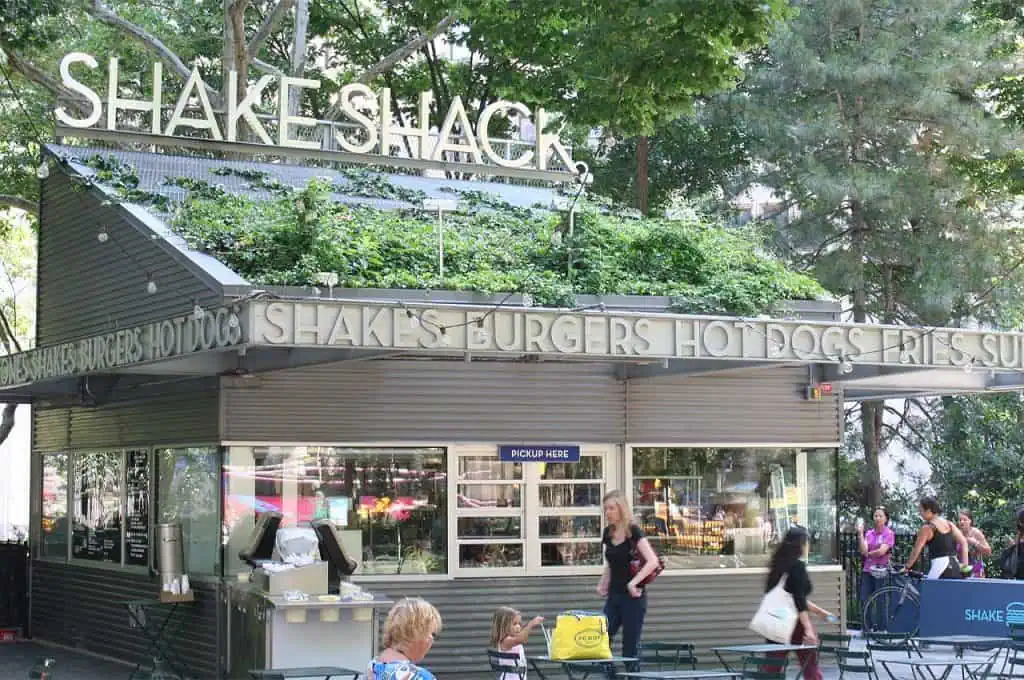
Shake Shack prioritizes sustainability by incorporating eco-friendly materials and energy-efficient processes. Their menu highlights plant-based options, utilizing ingredients like the versatile chickpea and nutrient-rich quinoa to craft satisfying dishes. Their commitment to reducing waste is evident in composting and recycling initiatives, making strides in sustainable dining without sacrificing flavor. These efforts not only emphasize environmental responsibility but also inspire diners to consider the impact of their food choices.
Taco Bell: Global Fusion Flavor Experiments

Taco Bell pushes culinary boundaries by introducing global fusion flavors, blending traditional Mexican cuisine with international influences. Techniques such as marinating meats in Asian-inspired sauces or integrating Middle Eastern spices with classic fillings result in unique, daring combinations. This approach invites exploration of diverse textures and tastes, elevating everyday meals. The thoughtful sourcing of ingredients ensures freshness and authenticity, making each bite a journey into vibrant global culinary traditions.
Chick-fil-A: Tech-Driven Green Model

Chick-fil-A embraces technology to enhance sustainability, focusing on renewable energy and efficient waste management. Innovations such as smart kitchen devices reduced their environmental footprint while maintaining quality and speed. The menu reflects this shift with offerings spotlighting locally-sourced ingredients and responsibly-raised poultry. Their commitment to efficiency doesn’t just streamline operations, it also elevates customer experience by delivering fresh, eco-conscious meals with cutting-edge precision.
Domino’s: AI-Powered Delivery Innovation

Domino’s revolutionizes pizza delivery by leveraging AI technology, optimizing routes for speed and fuel efficiency. Their systems predict order patterns, adapt to traffic conditions, and streamline kitchen operations, ensuring hot, freshly-prepared pizzas every time. This use of AI goes beyond logistics, integrating smart data to refine menu item popularity and enhance customer satisfaction. The fusion of technology and craftsmanship redefines convenience, setting a new standard in fast-food service.
CAVA: The Rise of Mediterranean Eating

CAVA champions Mediterranean cuisine, spotlighting its health benefits and bold flavors. The chain emphasizes fresh, whole ingredients like olives, lentils, and fresh herbs, curated to create vibrant, delicious dishes. Their approach highlights balanced nutrition, featuring proteins and plant-based options rich in antioxidants. By sourcing regionally and supporting sustainable practices, CAVA introduces diners to the wholesome enjoyment of Mediterranean fare, encouraging mindful, flavorful eating habits.
McDonald’s: Automation Meets Healthier Menus

McDonald’s is integrating automation with a focus on nutrition to revolutionize its fast-food experience. The incorporation of AI-driven kiosks ensures personalized orders, optimizing efficiency and minimizing wait times. Notably, healthier menu options like quinoa salads and grilled chicken wraps are crafted with fresh ingredients, enhancing dietary appeal. The impressive use of air fryers instead of traditional deep-fryers reduces oil intake, maintaining crisp textures without excess fat. These advancements present a modern dining experience, aligning with contemporary demands for both speed and well-being. Home cooks can draw inspiration from these methods to adopt healthier preparation techniques.
