
5 Boomer Loved Fast food chains that are losing favor with GenZ
Fast food nostalgia hits differently depending on your generation. For many Boomers, these chains were reliable staples for quick meals, road trips, and family nights out. But Gen Z is often chasing fresher flavors, better value, and brands that feel more current, leaving some old favorites struggling to keep the same cultural grip.
Burger King
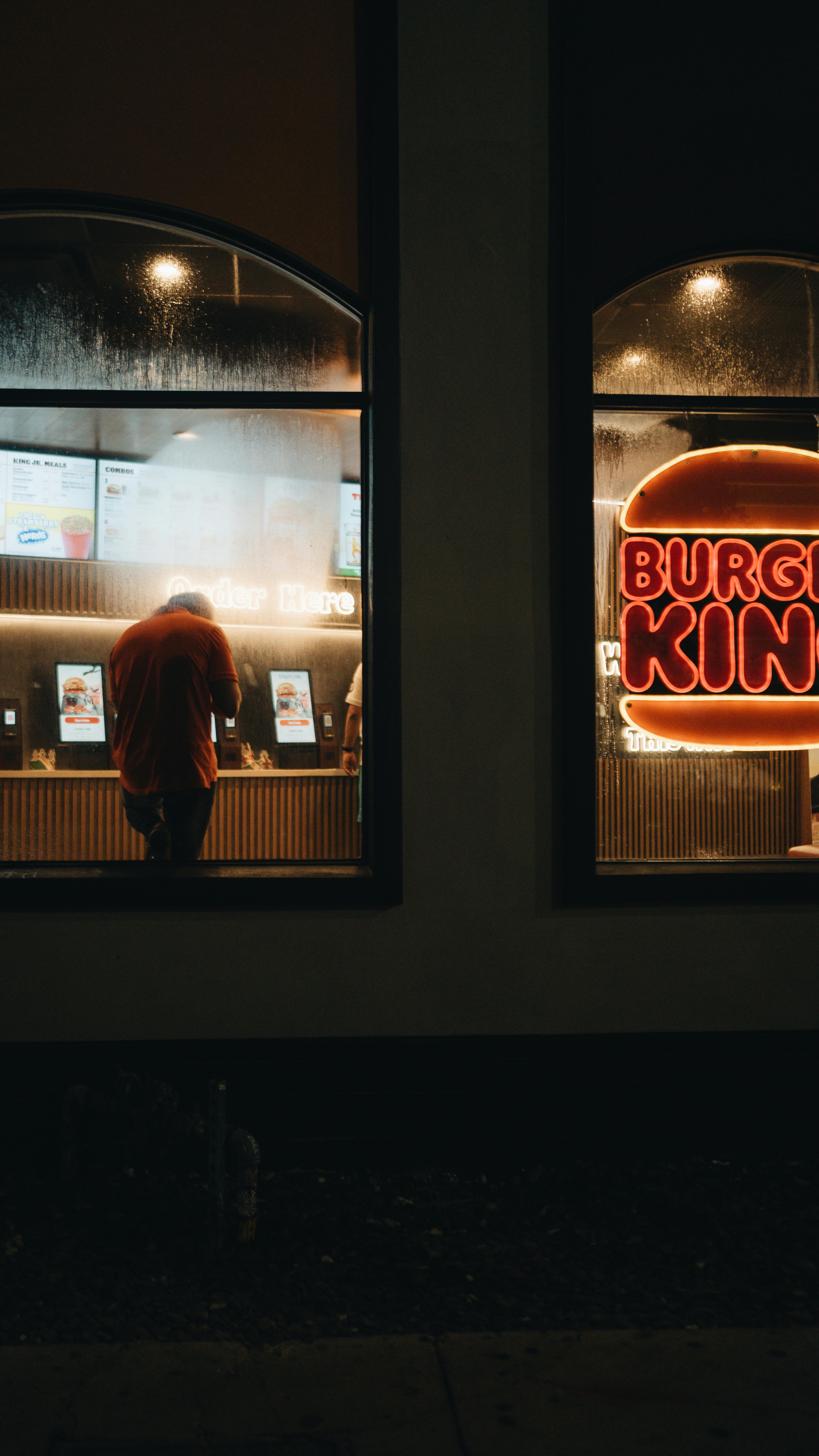
Burger King still has name recognition, but for plenty of younger diners, that is not the same as real excitement. The chain that once felt like a major burger destination now competes in a crowded field where Gen Z has endless options, from smashburger spots to trendy chicken chains and app-first upstarts.
A lot of the disconnect comes down to vibe as much as food. Boomers may remember Burger King as a dependable classic, but Gen Z tends to judge brands by consistency, social buzz, and whether the experience feels worth posting about. When a chain feels stuck between nostalgia and reinvention, younger customers often move on fast.
Arby’s

Arby’s has long appealed to customers who like something a little different from the usual burger-and-fries routine. For Boomers, roast beef sandwiches and curly fries made the chain feel distinct. But Gen Z often sees Arby’s as more of a throwback than a craving, especially when chicken brands and global flavors dominate the conversation.
It is not that younger diners never go there. It is that Arby’s rarely sits at the center of their fast food universe. The branding, menu identity, and overall cultural presence can feel more rooted in an earlier era, while Gen Z tends to gravitate toward places that feel fresher, more customizable, and more aligned with current food trends.
Subway

Subway once had a powerful advantage: it felt like the smarter, lighter fast food choice. That message landed especially well with older customers who liked the idea of customization without the heaviness of burgers and fried combos. For years, it was everywhere, and that convenience helped make it a default lunch pick.
Gen Z, though, has grown up with a very different sandwich landscape. They have deli-style chains, fresher ingredient expectations, and higher standards for quality and originality. What once seemed healthy and practical can now come across as uninspired or inconsistent. When younger customers want a sandwich, they often want one that feels more premium, more aesthetic, and less like a compromise.
Denny’s

Denny’s is not fast food in the strictest sense, but it absolutely belongs in the broader quick, casual roadside tradition Boomers helped make iconic. For older generations, it was the kind of place you could count on for late-night breakfasts, bottomless coffee, and a menu with something for everyone. That familiarity was the point.
Gen Z tends to approach chains like Denny’s with less loyalty and a sharper eye for atmosphere. If the decor feels dated or the experience feels more functional than fun, younger diners may choose local brunch spots, coffee shops, or trendy all-day cafes instead. Nostalgia carries Denny’s far, but not always far enough with a crowd that wants personality along with pancakes.
Long John Silver’s
Long John Silver’s was once a recognizable part of the fast food landscape, especially for Boomers who liked having a seafood option in a market dominated by burgers. Fried fish, hushpuppies, and that unmistakable crunch gave it a lane of its own. For many older customers, it was a nostalgic alternative to the usual drive-thru order.
For Gen Z, however, the chain can feel like a relic from another time. Seafood expectations are different now, and younger diners often lean toward fresher, lighter, or more globally influenced options. A heavily fried, old-school concept has a harder time winning attention when the competition includes poke bowls, sushi burritos, hot chicken, and countless fast-casual brands built for the current moment.
Why Gen Z’s Tastes Are Shifting
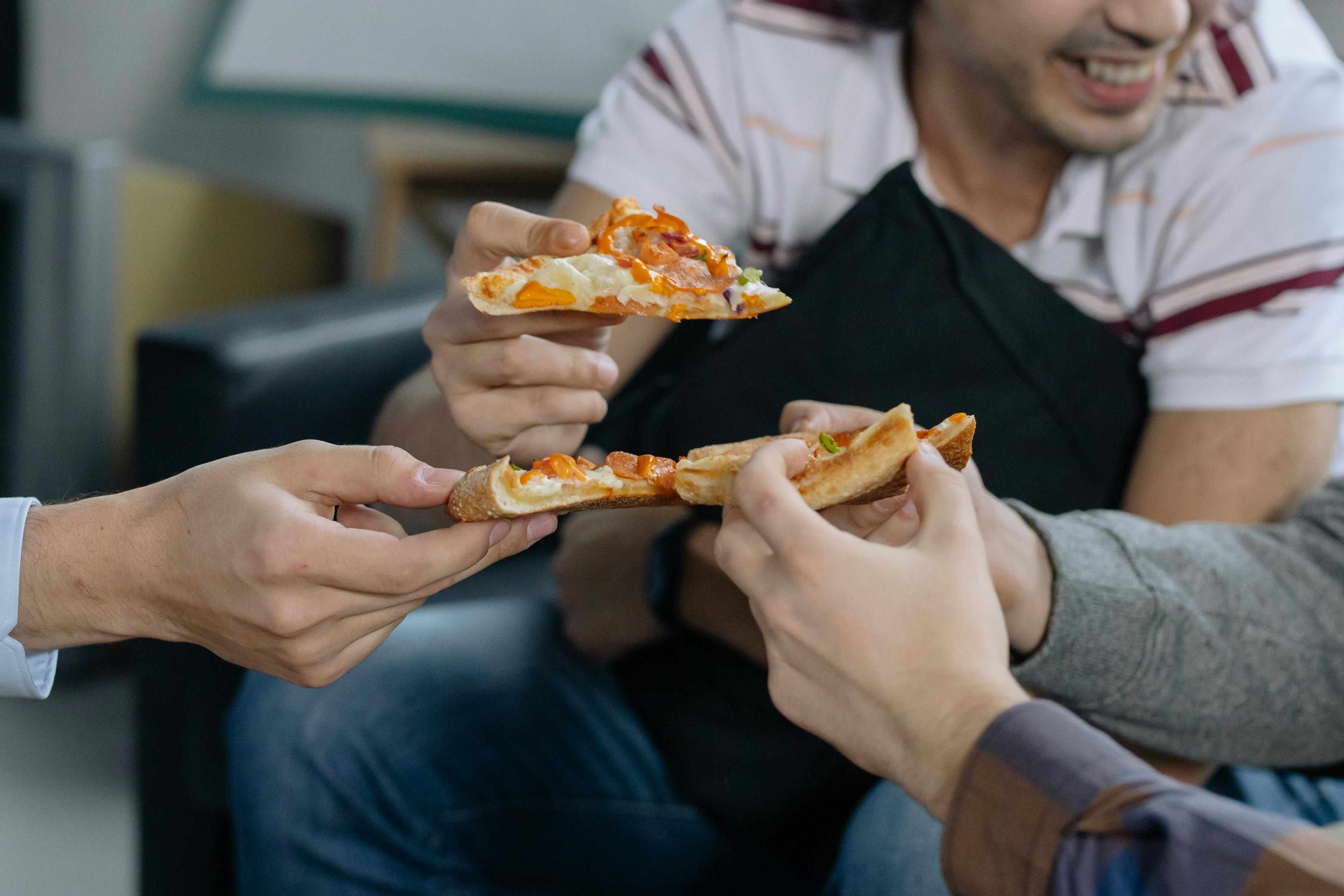
The bigger story is not just that younger diners dislike older chains. It is that Gen Z came of age in a food world defined by choice, customization, and constant online influence. They are used to seeing viral menu hacks, limited drops, global mashups, and brands that speak in a more direct, personality-driven voice.
That changes the stakes for legacy chains. Boomers often built loyalty through routine and familiarity, but Gen Z is more willing to switch things up if another place feels more authentic, affordable, or visually appealing. Fast food is no longer just about speed. It is also about relevance, identity, and whether a brand feels like it understands the way younger customers actually want to eat now.
Nostalgia Still Matters

Even when Gen Z moves on from certain chains, that does not erase the emotional weight these brands still carry. For Boomers, many of these restaurants are tied to road trips, first jobs, family dinners, and the kind of everyday rituals that turn a simple meal into a memory. That kind of cultural staying power is hard to dismiss.
And younger customers are not immune to nostalgia either. They just tend to prefer it repackaged with a fresher look, stronger quality, or a wink of irony. If an older chain can modernize without losing what made it special in the first place, it still has a shot. Familiarity alone is weaker than it used to be, but it is not completely out of style.
Can These Chains Win Young Diners Back?

They can, but it usually takes more than a logo refresh or a one-off celebrity meal. Gen Z tends to reward chains that improve food quality, sharpen their identity, and create an experience that feels current without trying too hard. Value matters too, especially when younger customers are more budget-conscious than many brands assume.
The good news is that old-school recognition is still an asset. A familiar name gives these chains a head start if they can pair nostalgia with better execution. The brands most likely to reconnect are the ones that understand they are not competing with the past. They are competing with a fast-moving, trend-savvy present that gives younger diners very little reason to settle.
