
Avoid These 7 Pizza-Making Mistakes Everyone Makes at Home
Creating the perfect homemade pizza is an art that combines patience, precision, and passion. Many home cooks find it challenging to replicate pizzeria-quality results. Understanding common mistakes and how to avoid them is crucial. From mastering fermentation to perfecting oven temperatures, each step influences the final product. A well-executed pizza hinges on technique and the thoughtful selection of ingredients, paving the way to a consistently superior slice.
Choose the Right Flour

The foundation of great pizza begins with the choice of flour. Opt for high-protein flour, such as bread flour, to achieve a chewy and resilient crust. The increased gluten content provides the structure necessary for a well-risen dough. For a more nuanced flavor, blend in a small percentage of whole wheat or rye flour. These flours impart depth and complexity. Always measure flour accurately, ideally by weight, to ensure consistency. This attention to detail sets the stage for a crust that balances both texture and flavor.
Yeast: Slow and Steady Wins
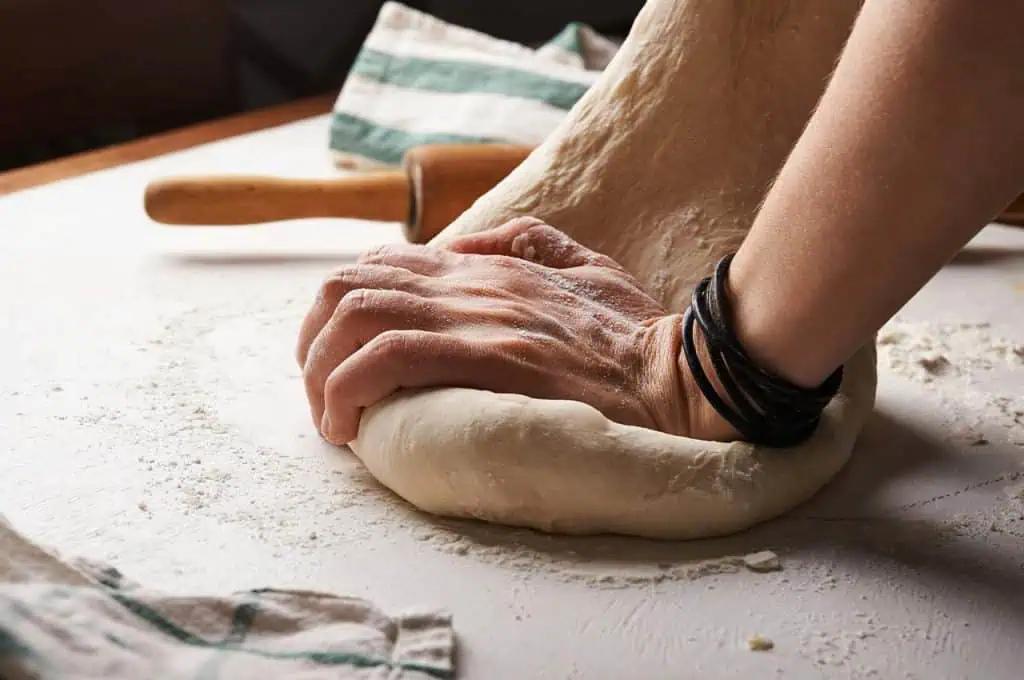
Choosing and using yeast correctly is pivotal for optimal dough development. Active dry yeast offers versatility, while instant yeast requires no activation step. Regardless of type, a slow fermentation process is key. This allows flavors to develop naturally, enhancing the dough’s complexity. Begin by using cold water to mix your dough, then allow it to rise gradually in the refrigerator for 24 to 48 hours. This slow journey yields a more flavorful crust and a lighter, airier texture, elevating your homemade pizza experience.
Master Fermentation Temps

Temperature control during dough fermentation is critical. A cold, slow rise in the fridge allows the yeast to work at its best, developing flavor and improving texture. Ideal temperatures range between 37 to 40°F (around 3 to 4°C), promoting enzymatic activity without overproofing. Monitor dough rise carefully, adjusting time based on refrigerator settings and outside air temperature. This practice ensures the dough retains the right balance of elasticity and flavor, providing the perfect base for any topping.
Preheat Your Oven Properly

Preheating your oven is crucial for achieving a crisp, evenly baked pizza. Aim for the highest temperature your oven allows, typically between 475°F and 500°F (about 246°C to 260°C). A baking stone or steel, preheated for at least 45 minutes, helps replicate the intense, radiant heat of a commercial oven. This process ensures the dough cooks evenly and quickly, resulting in a crunchy base and perfectly melted toppings. Consistent heat management is essential for the ideal homemade pizza crust.
The Cheese and Sauce Trap

Using too much cheese or sauce can overwhelm your pizza, making it soggy and unbalanced. For a perfect result, apply a thin, even layer of sauce; about half a cup is usually sufficient for a standard pizza. Choose high-quality cheese and use it sparingly—roughly 4 to 5 ounces. This allows the dough to cook properly, ensuring a crisp crust. Opt for fresh mozzarella or a blend of cheeses for complexity and depth, distributing it evenly to prevent pooling. Remember, balance is key to allowing each ingredient to shine.
Warm Up Your Ingredients

Using cold ingredients can cause uneven cooking and a chewy texture. Take your dough and toppings out of the fridge at least 30 minutes before assembling your pizza. This ensures the dough is pliable, stretching smoothly without tearing. Room-temperature cheese melts better and spreads evenly, while warmer toppings cook quicker and release flavors fully. This attention to temperature harmonizes cooking times, resulting in a perfectly cooked pie. Plan your prep work to accommodate this warming step for seamless integration of flavors.
Topping Overload Dilemma
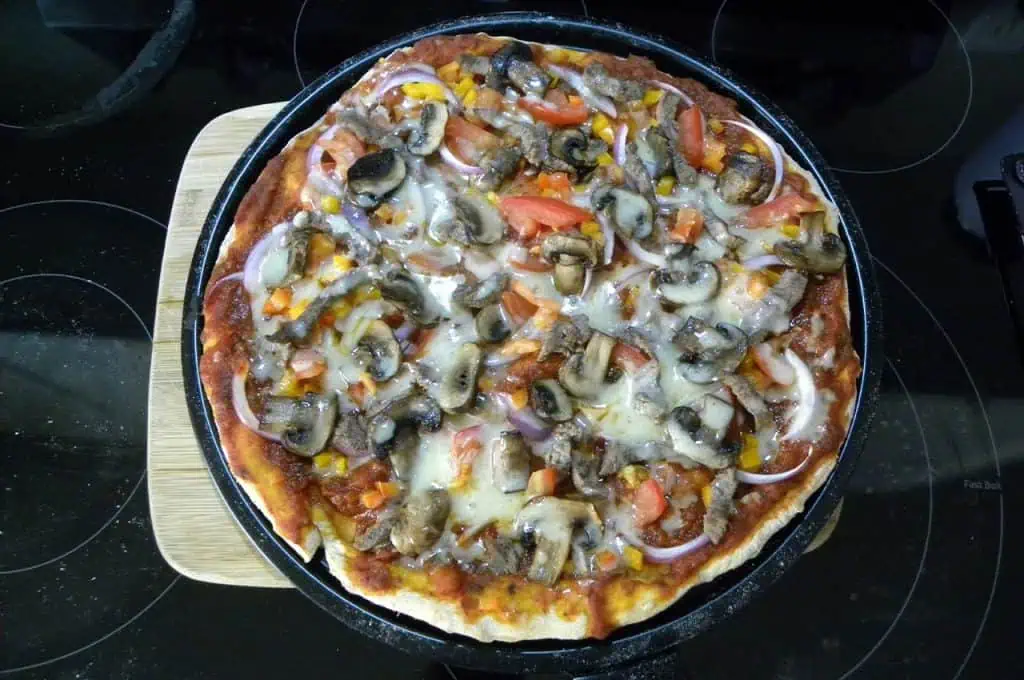
Piling too many toppings can lead to uneven cooking and a soggy crust. Limit yourself to three or four toppings, selecting a variety of textures and flavors. Balance crisp vegetables, like bell peppers, with proteins such as sausage or pepperoni. Slice toppings thinly for quicker cooking and even distribution. This restraint enhances each ingredient’s essence while maintaining structural integrity. By focusing on quality over quantity, you ensure that each bite offers a satisfying and harmonious experience. Moderation is essential for the best homemade pizza.
