
Chefs say these 8 food myths are still fooling Home cooks
Home cooking has never been more popular, or more misinformed. Despite endless tutorials, viral recipes, and kitchen “rules” passed down for generations, chefs say many home cooks are still falling for the same food myths. From how meat is cooked to what actually improves flavor, these widely believed ideas can quietly ruin meals. Here are eight cooking myths chefs wish you’d finally stop believing.
The Searing Myth: Juices Aren’t Sealed

Many believe searing meat seals in juices, but this common myth has no basis in kitchen science. Instead, searing caramelizes the meat’s surface, enhancing flavor through the Maillard reaction, which adds depth with a rich, browned crust. To ensure a juicy interior, focus on proper cooking temperatures and resting the meat post-cooking to allow juices to redistribute evenly. Use a hot pan and avoid overcrowding, letting each piece brown thoroughly without steaming.
Rinsing Pasta: To Stick or Not to Stick?

Rinsing pasta might reduce stickiness, but it also washes away surface starch crucial for sauce adherence. In Italian cooking, achieving that perfect marriage of pasta and sauce is paramount, and the starch acts as a natural binding agent. If sticking is a concern, ensure adequate water volume during boiling and a consistent stir to keep pasta pieces separate. Skip the rinse, and instead, toss immediately in your sauce to take full advantage of the starch’s cohesive power.
Oil in Pasta Water: A Boiling Debate
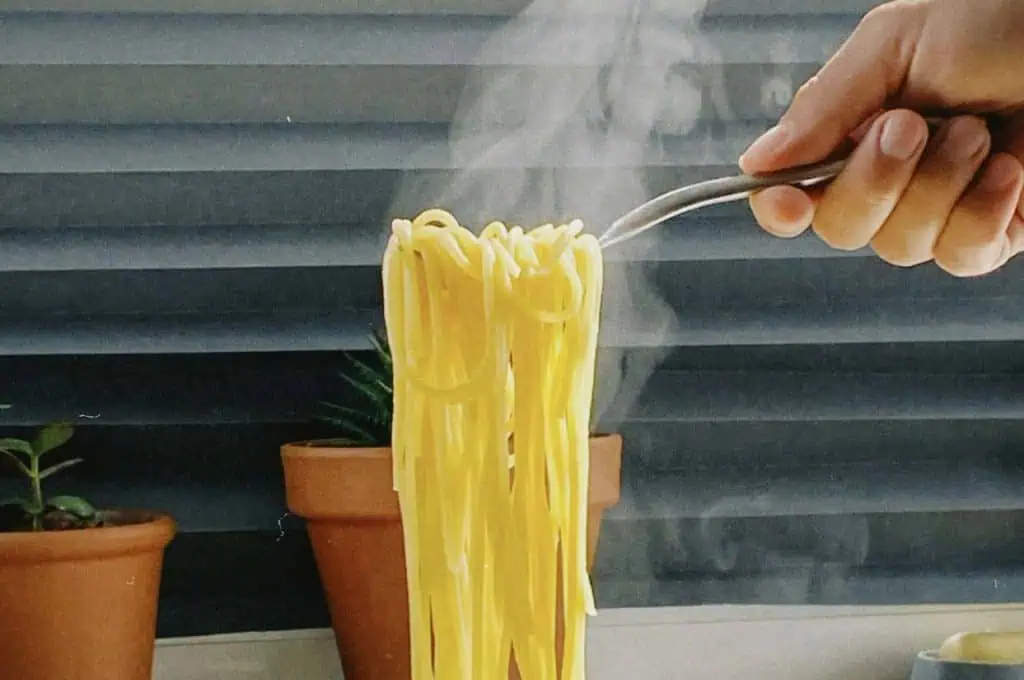
Adding oil to pasta water is a misguided technique that results in slippery pasta, preventing sauce from clinging effectively. The oil merely floats, leaving no impact on adhesion or sticking reduction. Prioritize salting the water to enhance pasta flavor, and implement a gentle stir after pasta addition to forestall clumping. This approach ensures each strand remains distinct while optimizing the sauce’s ability to coat, providing a balanced and flavorful dish.
Microwaving: Nutrients vs. Convenience

Microwaving often gets a bad rap for nutrient loss, yet studies show it can preserve more nutrients compared to other cooking methods. Quick cooking times and minimal water usage retain vitamins typically broken down by boiling or steaming. Use a microwave with care: cover foods to retain moisture, and avoid overcooking. For even results, stir food midway through cooking and use microwave-safe glass or ceramics to steer clear of harmful chemicals.
Washing Mushrooms: The Water Dilemma

Washing mushrooms under water is debated, with fears they’ll absorb excess moisture, yet a quick rinse followed by patting dry with a paper towel is an efficient cleaning method. Mushrooms’ water absorption is minimal if washed swiftly. Avoid soaking, and instead, clean them just before cooking to prevent sogginess. The real emphasis should be on freshness; mushrooms that are slightly damp but blemish-free provide the best texture and opportunity for rich, earthy flavor development.
Room-Temperature Meat: Timing Tricks

The common advice to bring meat to room temperature before cooking aims for even doneness, but timing is key. When leaving meat out, an hour generally suffices for cuts like steaks or chops; more substantial roasts may need up to two hours. This practice ensures less shock when the meat hits the pan or oven, promoting a more consistent interior temperature. Overshooting this time can risk bacterial growth, diminishing flavor and safety. Use a thermometer to verify proper internal cooking temperatures, providing both safety and ideal texture.
Stir-Fry Surprise: Is High Heat Right?
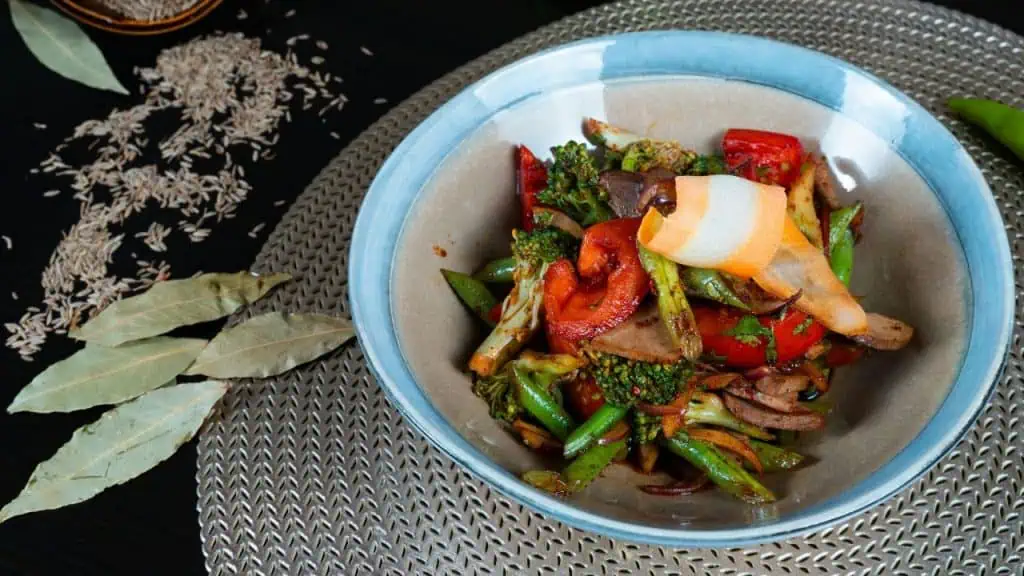
Stir-frying is synonymous with high heat, but meticulous control is crucial for optimal results. Too high, and delicate vegetables can scorch while proteins toughen. Begin with medium-high, allowing ingredients to sear quickly without excessive smoke. Slice meats thinly and uniformly for quick, even cooking. Vegetables retain their vibrant color and crunch when added in stages based on density and moisture content. A well-seasoned pan adds depth, while consistent stirring ensures even exposure to heat, allowing for a symphony of balanced flavors.
Salting Before Tasting: A Salt Tale
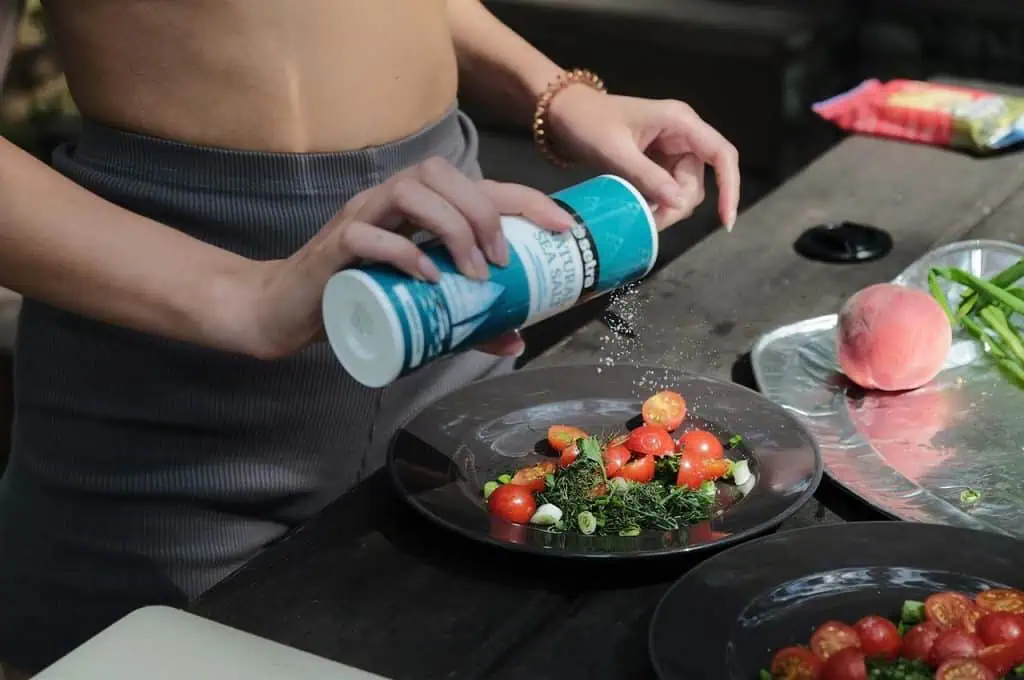
Seasoning instinctively without tasting can lead to oversalting, masking other flavors in a dish. Instead, build salt gradually, integrating it thoughtfully at various cooking stages. Start with a modest amount in the beginning to penetrate proteins and vegetables, enhancing their natural flavors. Adjust at the end to fine-tune taste and consider the salt content of additional ingredients, such as stocks or sauces. By layering salt judiciously, dishes maintain complexity and subtlety, letting each component shine through with clarity and precision.
