
Eleven Movie Scenes That Redefined Food in Popular Culture
In film, food is never just food. It becomes a character, a turning point, a language of its own. Whether it’s a lavish feast, a simple breakfast, or a dessert that changes everything, these cinematic moments stick with us—not just because they look delicious, but because they carry emotion, culture, and meaning. Here are some of the most memorable on-screen culinary moments and what they can teach us about cooking, connection, and the stories we tell around the table.
The Italian Feast in ‘Big Night’
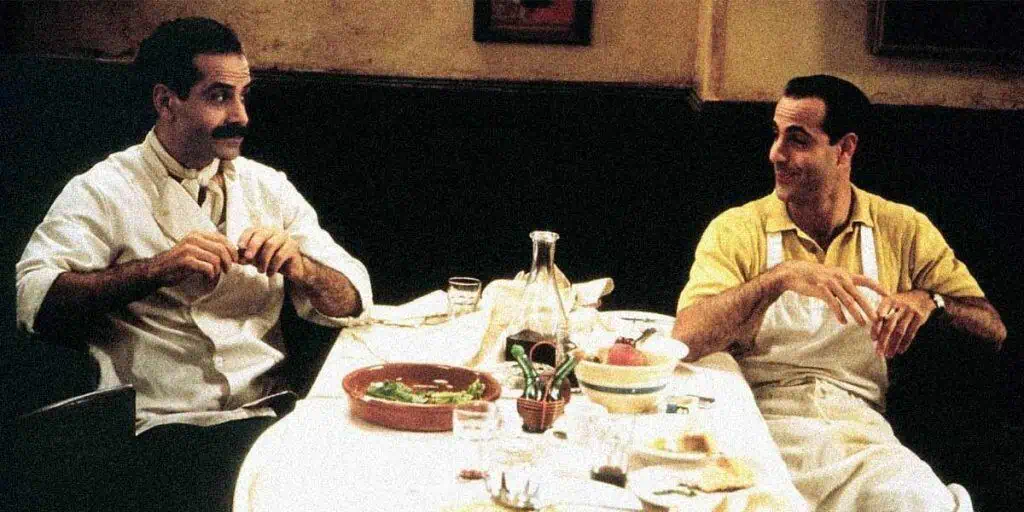
“Big Night” is a love letter to Italian cooking and the power of a shared meal. At its heart is the Timpano—a towering, drum-shaped pasta dish layered with meats, cheeses, and sauce. It’s the kind of dish that demands patience: careful layering, slow-simmered sauces, and letting the flavors marry overnight. When that golden crust is finally sliced open at the table, it’s not just dinner being served—it’s tradition, sacrifice, and the hope that food can hold everything together. For home cooks, it’s a reminder that sometimes the most memorable meals are the ones we pour the most care into.
Ratatouille’s Gustatory Symphony
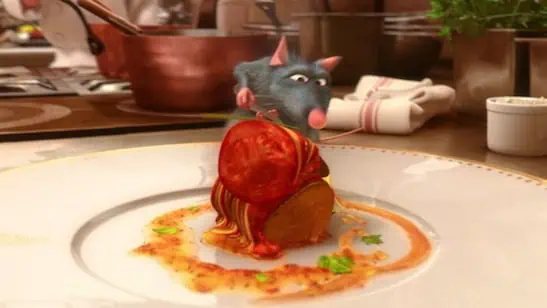
In “Ratatouille,” a humble vegetable dish becomes a transcendent moment. The secret isn’t complicated ingredients—it’s technique. Thinly sliced eggplant, zucchini, and peppers layered over a rich tomato base, slow-cooked until they meld into something greater than the sum of their parts. Uniform slicing ensures even cooking, and a high heat finish gives the edges a caramelized bite. It’s proof that simple food, made with intention, can stop you in your tracks. That first bite—the critic transported back to childhood—reminds us that food has the power to unlock memory in ways words can’t.
The Pulp Fiction Breakfast Debate
The breakfast scene in “Pulp Fiction” is iconic for its dialogue, but the food holds its own. A classic American diner spread: burger, bacon, eggs, coffee. It’s not fancy, but it’s made with care. A high-quality beef patty seared in a hot skillet for that crust. Crispy bacon. Fluffy scrambled eggs cooked low and slow. Buttered, toasted brioche. It’s a lesson in how the simplest meals—when done right—can feel monumental. Sometimes, the best cooking is about nailing the basics.
Sweet Indulgence in ‘Chocolat’

In “Chocolat,” chocolate is a force of transformation. It tempts, it heals, it brings a quiet town to life. Making chocolate this way requires attention—tempering it carefully for that glossy finish and satisfying snap, infusing it with cinnamon or chili for an unexpected twist. Ganache fillings add smooth decadence. The film reminds us that sweets can be more than indulgence; they can be a gesture, a rebellion, a quiet act of connection. There’s magic in chocolate, and it starts with quality ingredients and a willingness to experiment.
The Spaghetti Kiss in ‘Lady and the Tramp’

That spaghetti scene is pure romance, but the dish itself is beautifully simple. A generous pot of salted water, pasta cooked to al dente, and a robust marinara made with crushed San Marzano tomatoes, garlic, and oregano. Finish with freshly grated Parmesan and a drizzle of olive oil. It’s a reminder that sometimes the most memorable meals rely on nothing more than quality ingredients and a little attention. No bells and whistles—just good food shared with someone you love.
The ‘Eat Me’ Cake in ‘Alice in Wonderland’
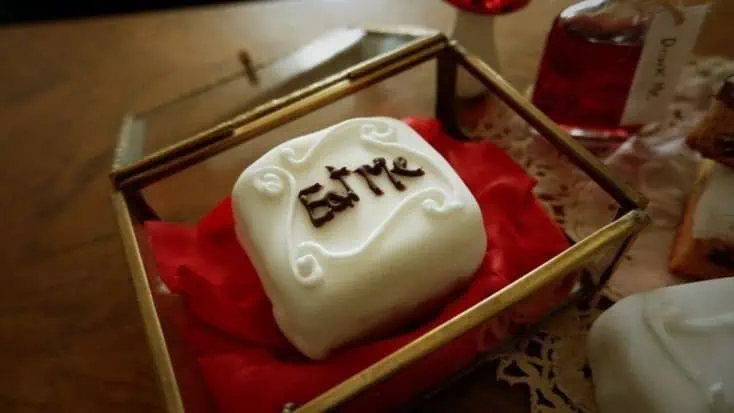
The “Eat Me” cake is pure whimsy—a dessert that invites curiosity. A classic sponge, light and airy, made with equal parts butter, sugar, eggs, and flour. Natural food dyes like beetroot juice or matcha add color without artifice. Layers of buttercream, a dusting of edible flowers, and suddenly you’ve created something that feels magical. It’s a reminder that presentation matters, and that food can be playful. Sometimes the joy is in making something that makes people smile before they even take a bite.
Julia Child’s Mastery in ‘Julie & Julia’

Julia Child’s Beef Bourguignon is a masterclass in patience. Beef chuck browned in batches for deep, caramelized crust. Carrots and onions sautéed until fragrant. A robust red wine to deglaze, then a slow braise with thyme and bay leaf until the meat becomes impossibly tender. The lesson here is that good cooking takes time, and that’s okay. There’s a rhythm to it—a trust that if you follow the steps and let the flavors develop, something extraordinary will emerge.
Magic of Butterbeer in ‘Harry Potter’

Butterbeer is fantasy made real. Cream soda warmed with a touch of real butter, cinnamon, and nutmeg. A velvety whipped cream topping with a splash of butterscotch or caramel, poured so it melts slowly into the drink. It’s cozy, slightly sweet, and tastes like comfort. What makes it magical isn’t a secret ingredient—it’s the feeling it evokes. Sometimes the best recipes are the ones that transport us somewhere else.
The Exotic Sushi in ‘Jiro Dreams of Sushi’
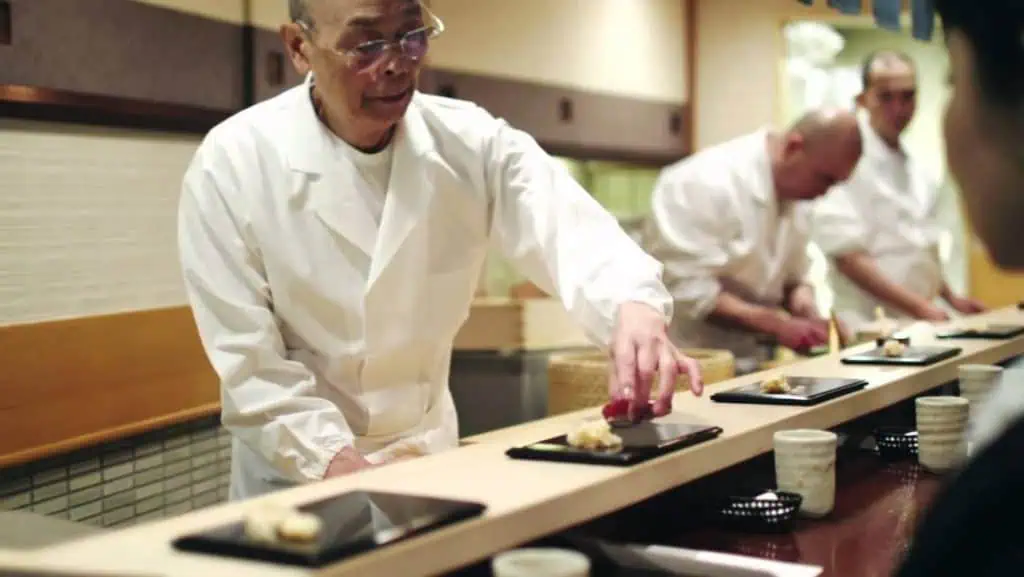
“Jiro Dreams of Sushi” is about devotion. Every piece is a study in precision: impeccably fresh fish sliced cleanly with a sharp knife, rice seasoned with vinegar, sugar, and salt, shaped with just enough pressure to hold. There’s no flourish beyond what the ingredients themselves offer. The film teaches that mastery comes from repetition, respect for ingredients, and the willingness to spend a lifetime getting it right. It’s not about complexity—it’s about purity.
Dinner Rituals in ‘The Godfather’
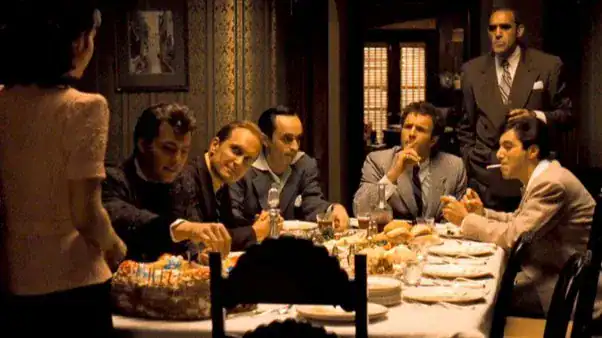
In “The Godfather,” Sunday dinner is a ritual. The sauce simmers for hours, enriched with garlic and onions until it becomes velvety and deep. Meatballs made from a blend of beef and pork, breadcrumbs and milk for texture, fried gently then finished in the sauce. When it’s served over pasta, it’s more than a meal—it’s family, loyalty, tradition. It reminds us that the food we make for the people we love carries meaning beyond taste.
Journey to Flavortown in ‘Chef’
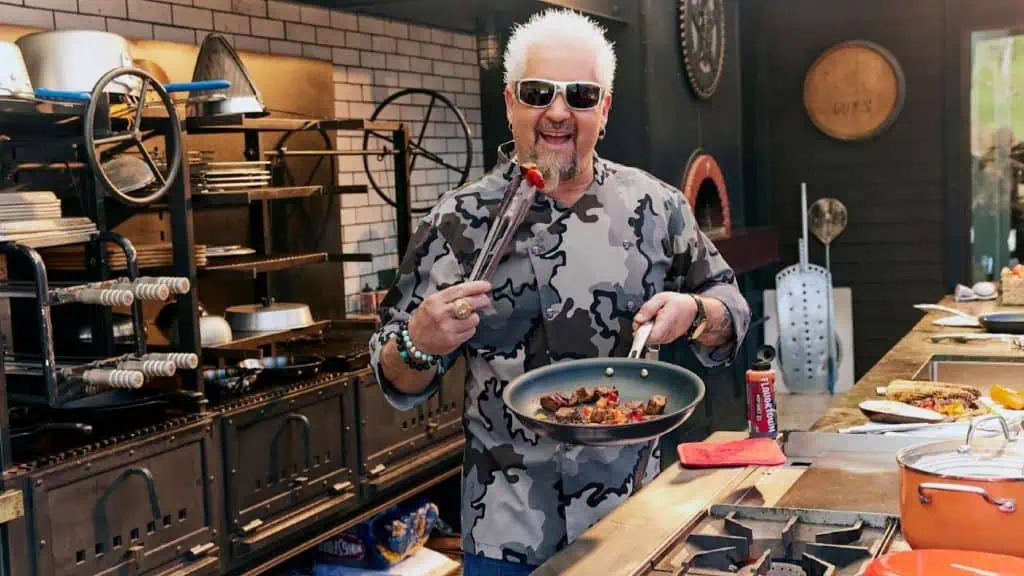
The Cuban sandwich in “Chef” is all about balance. Good bread, crisped on the griddle. Roasted pork marinated in citrusy mojo, layered with smoked ham, Swiss cheese, pickles. The secret is pressing it—melding the ingredients together while the bread turns golden and crisp. It’s a sandwich that sings with texture and flavor, and it tells a story about passion, creativity, and finding your way back to what you love. Sometimes a sandwich is just a sandwich. And sometimes it’s a comeback.
These films remind us that food on screen is never just background. It’s love, memory, conflict, celebration. And whether you’re layering a timpano or pressing a Cuban sandwich, cooking with that kind of intention is something we can all bring to our own kitchens.
