
FDA Salmon Recall Alert: What Shoppers in these 7 States Must Know
The U.S. Food and Drug Administration (FDA) has announced a recall involving salmon products sold across seven states after routine safety testing detected potential contamination with Listeria monocytogenes. Although no widespread illnesses have been confirmed so far, health officials stress that the bacteria can present serious health risks, particularly for certain vulnerable groups. Consumers are being urged to carefully review product labels, avoid eating any affected items, and follow recommended disposal and sanitation guidance to reduce the risk of exposure.
Which Salmon Is Affected
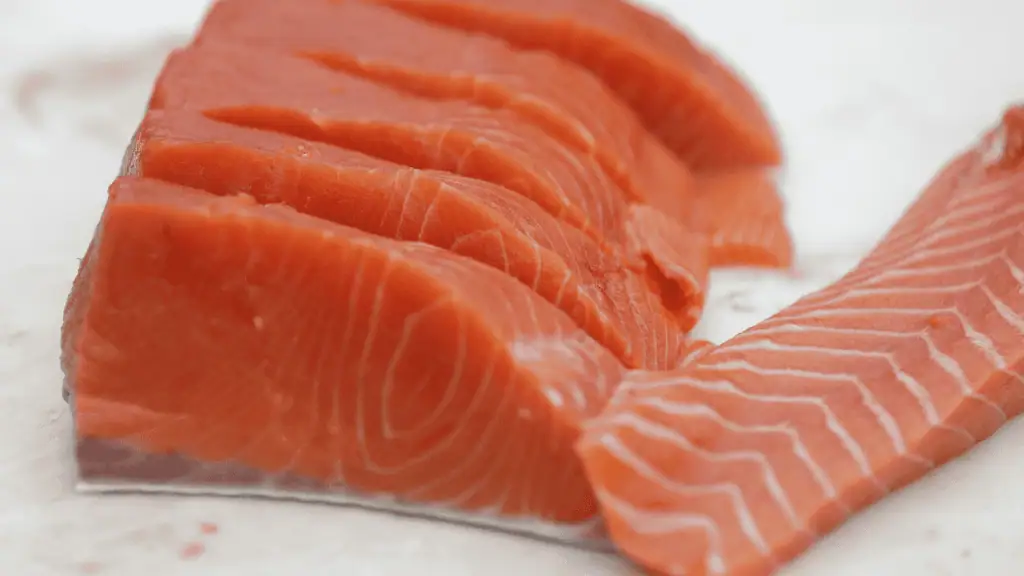
The United States Food and Drug Administration (FDA) has recalled Wellsley Farms Farm-Raised Atlantic Salmon sold at BJ’s Wholesale Club after Massachusetts-based producer Slade Gorton & Co., Inc. found potential contamination with Listeria monocytogenes. The recall affects one lot only, sold Jan. 31–Feb. 7, 2026. The fish came in 2-lb bags labeled with the Wellsley Farms logo and “Farm-Raised Atlantic Salmon.” Affected packages bear UPC 888670025963 and lot number 3896 on the back beneath cooking instructions and the Nutrition Facts panel. Only products matching these exact details are included; images are available on the FDA website.
The Seven Impacted States
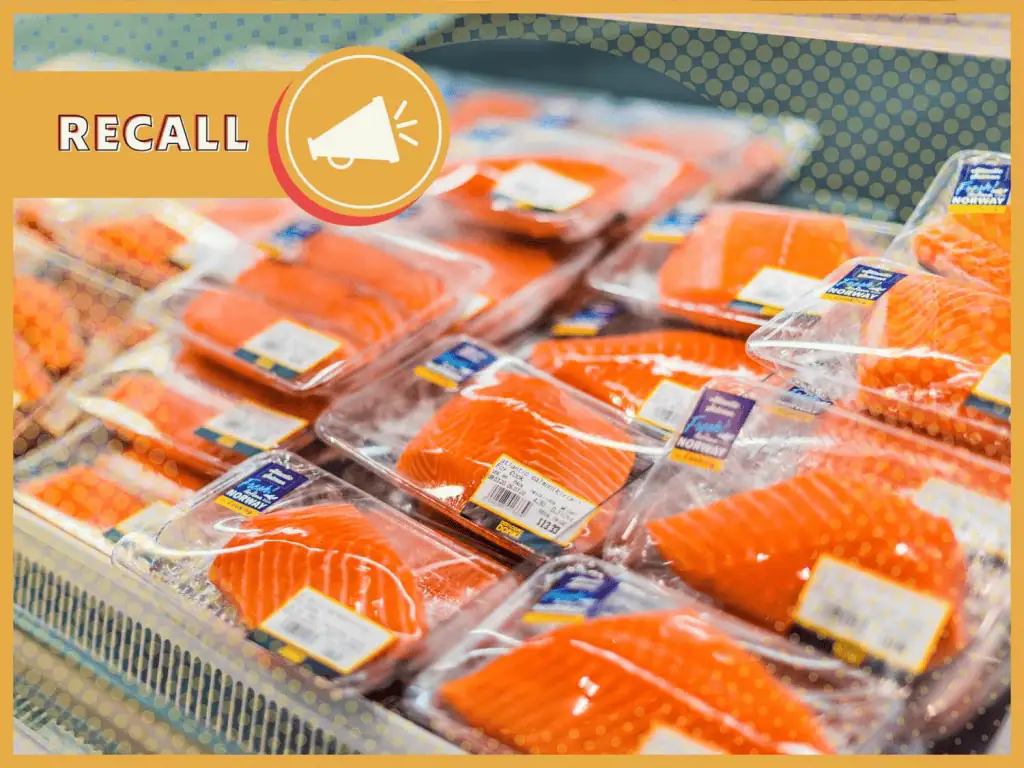
The recalled salmon was distributed to retailers across seven states, Delaware, Maryland, New Jersey, New York, North Carolina, Pennsylvania, and Virginia, meaning consumers in those locations are more likely to encounter the affected products. However, distribution to a state does not necessarily mean every grocery store carried the item. Still, residents in those areas are encouraged to remain cautious. Because seafood products are often stored frozen for extended periods, shoppers should also check their freezers for older purchases that could match the recall identifiers, even if they were bought weeks ago.
Understanding Listeria Risk
Listeria monocytogenes is a type of bacteria capable of surviving and even growing in refrigerated environments, making it particularly concerning in ready-to-eat and chilled foods. Infection, known as listeriosis, can cause symptoms such as fever, muscle aches, nausea, diarrhea, and fatigue. In more severe cases, the bacteria can spread beyond the digestive system, potentially leading to bloodstream infections or meningitis. Pregnant individuals, older adults, and those with weakened immune systems face the highest risk of serious complications.
What To Do If You Have the Product

If you determine that your salmon matches the recall details, do not consume it, even if it appears fresh and has been properly refrigerated or frozen. The FDA recommends placing the product in a sealed bag before discarding it to prevent cross-contamination. After disposal, thoroughly clean and sanitize any surfaces, cutting boards, utensils, or refrigerator shelves that may have come into contact with the fish. Wash your hands carefully with soap and warm water to further reduce the chance of spreading bacteria.
If You’ve Already Eaten It
Consumers who have already eaten the recalled salmon should monitor themselves for symptoms over the next several days. While many healthy individuals may experience only mild illness or no symptoms at all, those in higher-risk categories should contact a healthcare provider promptly if they notice signs of infection. It is important to inform medical professionals about the potential exposure so they can determine whether testing or preventive treatment is necessary and respond quickly if complications arise.
What Retailers and Shoppers Should Watch Next
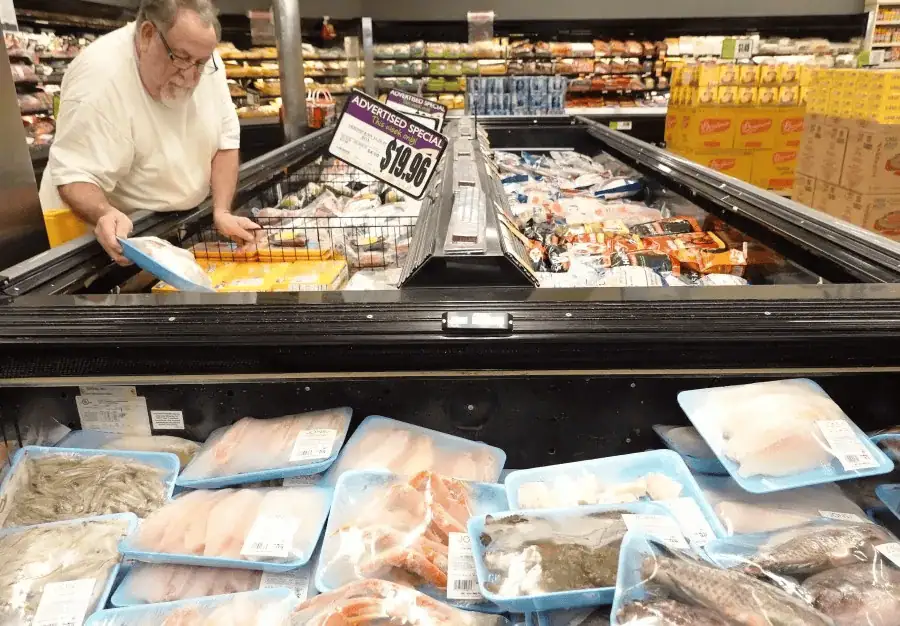
Even after a recall announcement, distribution tracking and inventory checks continue behind the scenes. Retailers are expected to remove affected products promptly, but consumers should remain cautious in the days following the alert. Products may still be in home freezers or recently purchased batches. Monitoring official FDA updates ensures you have the most accurate information. Acting quickly, checking labels, discarding impacted items, and staying alert to symptoms remains the most effective way to minimize potential health risks.
Consumer Safety Tips
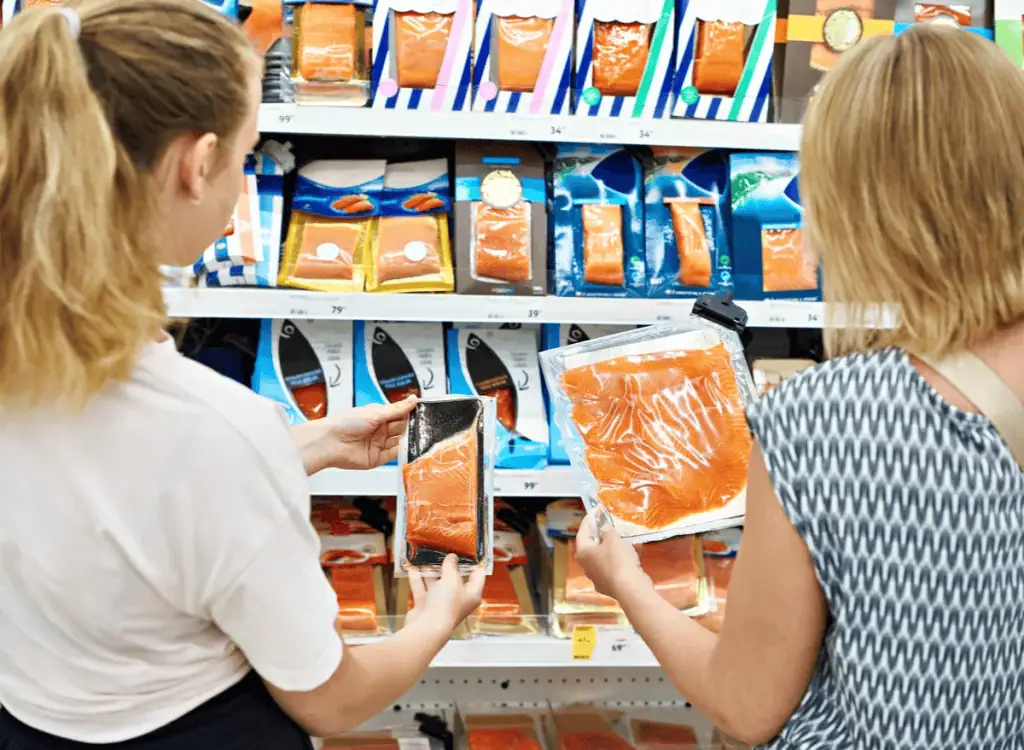
To reduce the risk of Listeria and other foodborne bacteria, store seafood at proper refrigeration temperatures (40°F or below) and avoid leaving raw fish at room temperature for extended periods. Cook seafood to recommended internal temperatures and use separate cutting boards for raw proteins and ready-to-eat foods. After handling raw salmon, wash hands thoroughly and sanitize utensils, countertops, and sink areas. Staying informed through FDA alerts and recall notifications adds another layer of protection. Quick action and consistent food safety habits help safeguard both individual households and the broader community from preventable illness.
