
4 ‘Eating Disorders’ You Didn’t Know Could Be Fueled by Recent Food and Fitness Trends
Food and fitness trends in 2026 move fast, clean-eating rules, macro tracking, challenge-based workouts, and viral fear-food lists cycle constantly online. For many people, they remain harmless tools or passing interests. Clinicians note, however, that trend culture can also intensify, mask, or normalize disordered eating patterns, especially when the focus shifts from nourishment to control, purity, or punishment. This isn’t about blaming creators or platforms. It’s about understanding how certain trends can quietly reinforce specific disorders, making them harder to recognize and easier to justify.
Orthorexia Nervosa
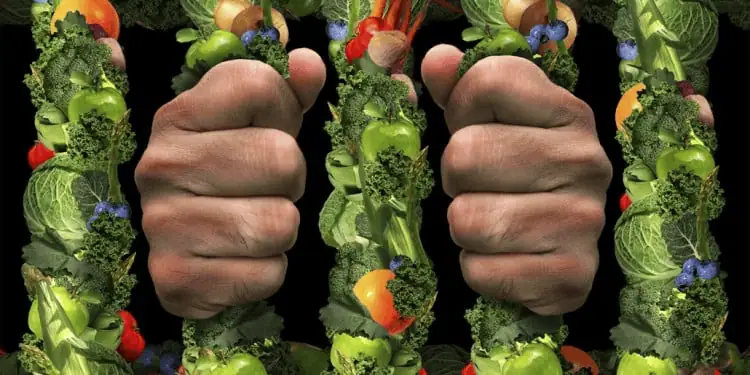
Orthorexia involves an unhealthy fixation on eating “clean” or “pure,” where food rules begin to dominate daily life. While it isn’t a formal clinical disorder, clinicians and eating-disorder organizations discuss it widely because the impairment can be significant rising restriction, anxiety around “unsafe” foods, and withdrawal from social eating. Trend culture can intensify this through clean-eating challenges, ingredient demonization, and moral language that labels foods as “good” or “bad.” When purity becomes the goal, nourishment and flexibility are often the first things lost.
ARFID (Avoidant/Restrictive Food Intake Disorder)

ARFID isn’t driven by body image in the way anorexia or bulimia often are. It can stem from fear (choking or vomiting), sensory sensitivity, or low interest in eating patterns that can be worsened by online food-fear content and hyper-cautious wellness messaging. As more foods are framed as risky or harmful, avoidance can escalate. What looks like extreme “picky eating” may actually involve real nutritional deficits or social impairment, making ARFID harder to recognize when trend language normalizes restriction.
Compulsive Exercise

Compulsive exercise describes patterns where movement is used to earn food, burn calories, or manage anxiety, followed by guilt or panic when workouts are missed. Trend culture can amplify this through streaks, punishment framing (“no excuses”), and constant body-composition goals. The issue isn’t motivation; it’s loss of flexibility. Clinicians note both emotional consequences and physical risks, including overuse injuries and exhaustion. When rest feels like failure, exercise shifts from support to control, quietly reinforcing disordered eating cycles.
Binge Eating Disorder

Rigid diet trends can also fuel binge eating patterns. Strict rules, prolonged restriction, or “perfect eating” plans often backfire into intense hunger, loss of control, and shame, followed by renewed restriction. This is not a willpower issue; binge eating disorder is a recognized condition with biological and environmental factors. Viral diet content can heighten body concerns and reinforce the restrict–binge loop in vulnerable people, making cycles harder to spot when extremes are normalized as discipline.
