
16 celebrity food brands that flopped despite massive fame
In the world of celebrity-endorsed food brands, fame doesn’t always guarantee success. Many stars have ventured into the culinary business, only to discover that their names alone couldn’t sustain a profitable venture. This guide explores some of the most notable instances where celebrity food brands flopped, highlighting what went wrong and offering insights for aspiring entrepreneurs.
Newman’s Own Organics Snack Line – Overshadowed by the Original Brand

Newman’s Own Organics struggled not because of poor quality, but because it lived in the shadow of an already iconic parent brand. Shoppers trusted Newman’s Own for salad dressings and pantry staples, but the organic snack line felt redundant in a market crowded with stronger, trendier health brands. Without clear differentiation, it failed to stand out on shelves. Consumers associated Paul Newman’s name with charity and classics, not modern snack innovation, causing the line to quietly fade despite strong brand recognition.
Jessica Simpson’s Dessert Treats – Sweet Idea, Short Shelf Life

Jessica Simpson’s Dessert Treats launched with celebrity buzz, promising indulgent, fun sweets that reflected her playful persona. While the brand generated initial curiosity, it struggled to stand out in a crowded dessert market. Flavors weren’t distinctive, quality didn’t justify premium pricing, and shoppers had little reason to repurchase. Once the novelty faded, Dessert Treats quickly lost traction, proving that even a famous name can’t keep a brand alive when the products themselves fail to deliver on taste or lasting appeal.
Ashton Kutcher’s Popchips Spin-Off Products – Buzz Without Staying Power

Ashton Kutcher’s association with Popchips brought early attention, but its celebrity-driven spin-offs failed to maintain long-term interest. While the brand initially benefited from Hollywood-backed buzz and a “better-for-you” image, competitors rapidly caught up with similar products and cleaner labels. The extensions lacked innovation beyond marketing, leaving consumers unimpressed after the novelty wore off. In a fast-moving snack category, visibility couldn’t replace differentiation, and fame couldn’t guarantee shelf longevity.
Madonna’s Hard Candy Café – Celebrity Hype That Didn’t Translate to Food

Hard Candy Café leaned heavily on Madonna’s global fame, but struggled to convince diners that star power equaled dining value. The concept felt more like a merchandise and branding exercise than a food destination, offering menus that failed to stand out in increasingly competitive restaurant markets. Without culinary identity or consistent quality, locations became novelty stops rather than repeat-visit restaurants. Once the excitement faded, so did foot traffic, proving that celebrity mystique alone can’t sustain a food business.
Kylie Jenner’s Kendall & Kylie Snacks – Social Fame, Weak Sales

Despite massive online followings, Kendall & Kylie’s snack products showed the limits of social media influence in grocery aisles. While fans were initially curious, the snacks lacked clear differentiation in taste, health appeal, or pricing. Shoppers weren’t convinced to repurchase once the novelty wore off. Viral reach didn’t translate into long-term demand, highlighting a key lesson: grocery shoppers prioritize value and quality over influencer status, especially in crowded snack categories.
Oprah’s O, That’s Good! Frozen Meals – Big Name, Mixed Reception

Oprah’s frozen meal line launched with enormous credibility, but consumer expectations proved difficult to meet. Marketed as comforting yet nutritious, the meals often landed in an awkward middle ground, neither indulgent enough nor health-forward enough for loyal buyers. Mixed reviews around taste and value limited repeat purchases. While the brand carried trust, frozen food shoppers demanded more than inspiration, showing that even Oprah’s endorsement couldn’t overcome lukewarm product performance.
Lady Gaga’s Joanne Trattoria Expansion – Local Love, Limited Reach

Joanne Trattoria succeeded as a neighborhood Italian restaurant tied to Lady Gaga’s family roots, but expansion exposed its limits. Outside its original location, the concept struggled to stand out in a crowded casual-dining landscape. Diners found little connection between Gaga’s global pop persona and a traditional Italian menu, creating a branding disconnect. Without a scalable identity or standout culinary hook, the restaurant remained a local favorite rather than a viable national celebrity food brand.
Rachael Ray’s Nutrish Human Snack Attempts – Brand Confusion Hurt Sales

Rachael Ray built Nutrish as a trusted pet food brand, but attempts to extend it into human snacks left consumers confused. Shoppers associated the name with dog food, not pantry staples, creating hesitation at the shelf. Even loyal fans struggled to separate the products mentally, weakening credibility. The crossover blurred brand boundaries instead of strengthening them, showing how even respected culinary figures can stumble when extensions clash with established consumer perception.
MC Hammer’s Hammer Burger – Fame Couldn’t Save the Concept

Hammer Burger relied heavily on MC Hammer’s star power but offered little beyond novelty. The fast-food concept lacked a clear culinary identity and struggled to compete with established burger chains. Initial curiosity faded quickly once customers realized the food itself wasn’t memorable. Without quality, consistency, or differentiation, the restaurant failed to generate repeat business. Hammer Burger became a reminder that celebrity recognition may open doors, but it can’t compensate for an unremarkable menu.
Steven Seagal’s Lightning Bolt Energy Drinks – Star Power, No Spark

Lightning Bolt Energy Drinks attempted to leverage Steven Seagal’s tough, action-hero image, but failed to resonate in an already crowded energy drink market. The branding felt mismatched, skewing older while the category targeted younger consumers. Without a compelling taste profile or performance benefit, the product relied too heavily on celebrity association. Once initial curiosity faded, there was little reason for repeat purchases, proving that star power alone can’t energize a brand without a clear consumer hook.
Justin Timberlake’s Southern Hospitality Restaurants – Closed Quietly

Justin Timberlake’s Southern Hospitality restaurants opened with high expectations but struggled to maintain relevance beyond their early buzz. The barbecue-focused concept lacked differentiation in a competitive dining scene, and Timberlake’s minimal day-to-day involvement weakened the celebrity draw. As trends shifted and new concepts emerged, the restaurants quietly closed, illustrating how celebrity ownership means little without consistent innovation, operational focus, and a strong reason for diners to choose it over local favorites.
Martha Stewart’s Early Frozen Food Lines – Ahead of Their Time, Then Gone

Martha Stewart Living frozen foods attempted to bring her polished, home-cooking aesthetic into the freezer aisle long before consumers were ready to see frozen meals as premium. While the brand promised elevated comfort food and trusted expertise, shoppers still viewed frozen food as a convenience category, not a lifestyle one. The pricing felt aspirational, but the timing was off. Without a market primed for upscale frozen meals, the line disappeared, proving the idea was smart, just years too early.
Tyra Banks’ Modelland Café Concepts – Style Over Substance

Modelland Café leaned heavily into Tyra Banks’ fashion-forward image, but struggled to translate spectacle into a sustainable food concept. The experience emphasized aesthetics, selfies, and themed moments over memorable meals, leaving diners underwhelmed once the novelty faded. Without a strong culinary identity or repeat-visit appeal, the café felt more like a pop-up attraction than a restaurant. The disconnect showed that visual branding alone can’t replace quality food in an increasingly competitive dining market.
Flavor Flav’s Fried Chicken – Viral for the Wrong Reasons

Flavor Flav’s Fried Chicken grabbed national attention almost instantly, but not for its food. The restaurant became infamous after reports of unpaid bills, abrupt closures, and operational chaos surfaced shortly after opening. While Flavor Flav’s name brought curiosity and foot traffic, it couldn’t compensate for inconsistent management or unclear ownership. The brand became a viral cautionary tale, where controversy overshadowed the menu itself. Instead of building loyalty, the negative headlines defined the business, proving that fame can amplify failure just as quickly as it amplifies hype.
Paris Hilton’s Canned Cocktails – Trendy but Forgettable

Paris Hilton Cocktails entered the booming ready-to-drink market riding heavily on Paris Hilton’s party-girl brand and pop-culture nostalgia. While the canned drinks generated early buzz thanks to flashy packaging and celebrity visibility, they struggled to stand out in a category already packed with better-known and better-tasting options. Consumers tried them out of curiosity, not loyalty. With flavors that failed to differentiate and pricing that didn’t justify repeat buys, Paris Hilton Cocktails faded quickly, showing that name recognition alone can’t sustain a crowded beverage brand.
Arnold Schwarzenegger’s Planet Hollywood Food Expansion – Nostalgia Didn’t Last
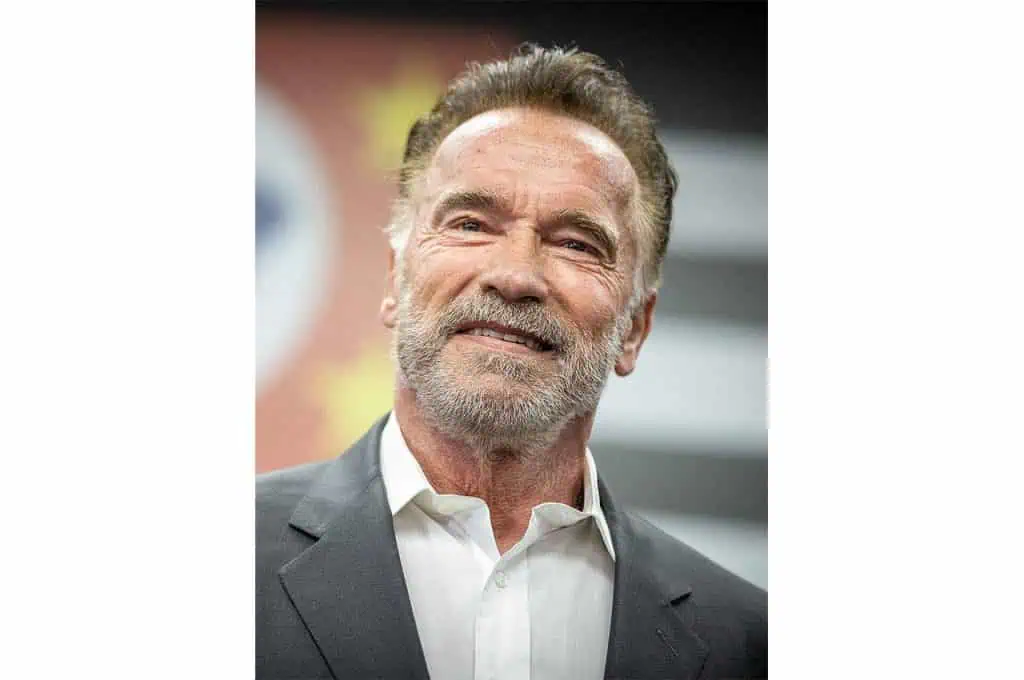
Planet Hollywood’s food expansion leaned heavily on Arnold Schwarzenegger’s blockbuster fame and the nostalgia of ’90s celebrity culture. While the concept initially drew crowds eager for movie memorabilia and star association, the dining experience itself failed to keep pace with evolving tastes. Menus felt generic, prices felt inflated, and novelty wore off quickly. As diners began prioritizing food quality over themed experiences, the brand struggled to stay relevant, proving that nostalgia can spark interest—but rarely sustains a restaurant without substance.
