
10 Superfoods from the Past Making a Modern Splash
Exploring the profound flavors and nutrition of ancient superfoods offers both culinary tradition and cutting-edge health benefits. Rediscovering these ingredients can invigorate modern diets with vibrant tastes and nutrients long overlooked. In this exploration, we highlight ten exceptional superfoods whose legacies continue to shape contemporary cooking, harnessing their full potential to inspire and nourish. Each ingredient is celebrated for its unique properties and how it can uplift your culinary repertoire.
Teff: Ethiopia’s Tiny Powerhouse
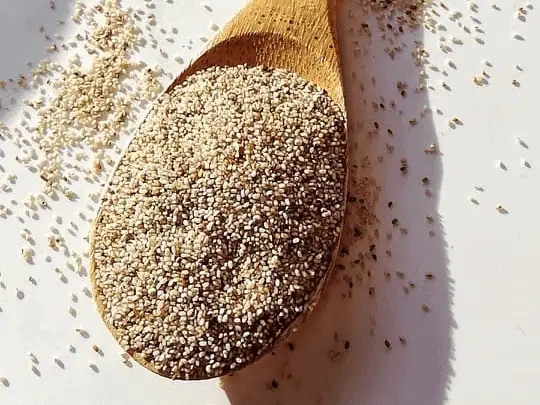
Teff is an ancient grain renowned for its remarkable nutritional profile and gluten-free versatility. Native to Ethiopia, this tiny seed is packed with iron, fiber, and essential amino acids. Its mild, nutty flavor makes it an ideal candidate for both sweet and savory dishes. When incorporating teff, consider using it as a base for porridge or blending it into batters for pancakes or breads. To fully appreciate its potential, cook teff with a gentle simmer until tender, enhancing your meals with its hearty, satisfying texture.
Sorghum: Ancient Grain Resurgence
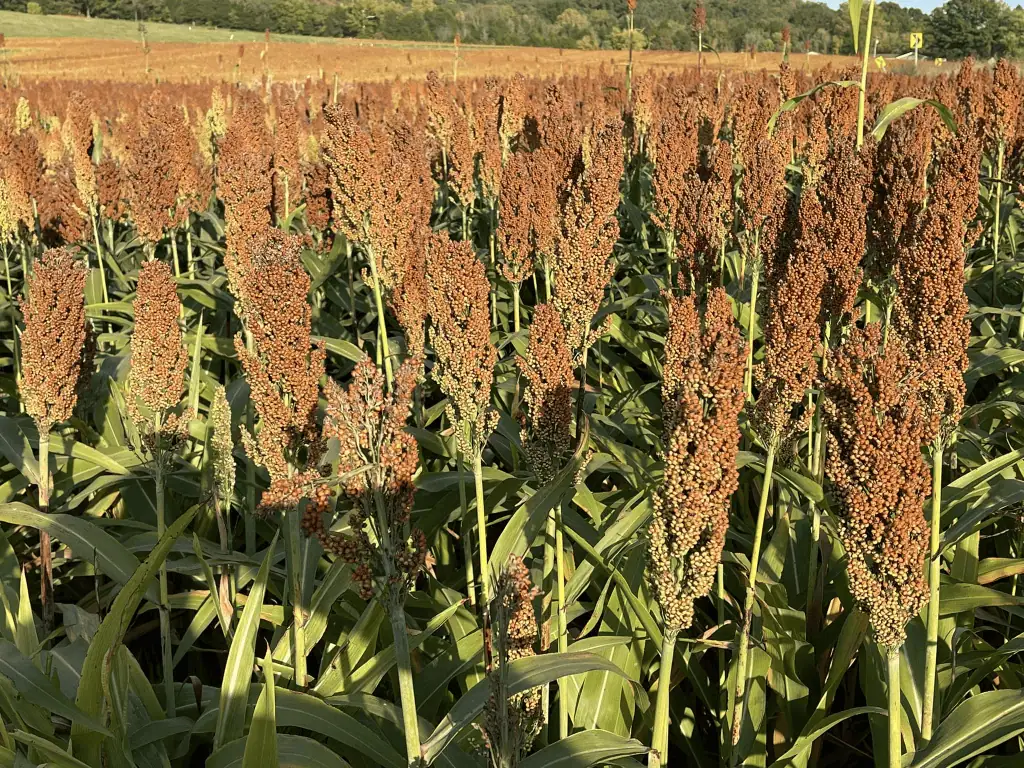
Sorghum, a resilient grain with roots in Africa, is experiencing a renaissance due to its environmental hardiness and health attributes. It is high in antioxidants and fiber, supporting digestion and overall wellness. Sorghum’s naturally mild flavor fits seamlessly into various cuisines, from porridges to side dishes. Try popping it like popcorn for a unique garnish or using sorghum flour in gluten-free baking. Cook it patiently, allowing the grains to absorb flavors, thereby enhancing its chewy texture and subtle sweetness.
Hemp Seeds: Nutty Nutrition Boost
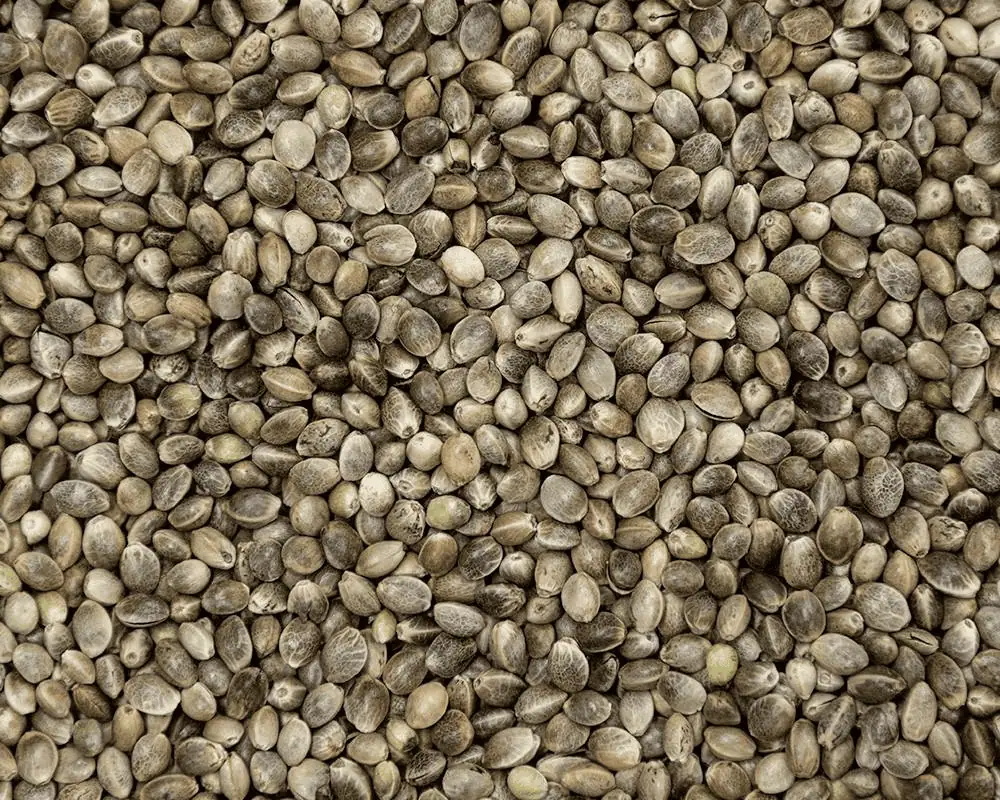
Hemp seeds are a versatile addition to modern kitchens, offering a rich source of protein, omega-3 and omega-6 fatty acids, and vital minerals. Their delicate, nutty taste enriches both savory and sweet applications. Sprinkle them over salads or incorporate them into smoothies to enjoy their creamy texture. Toasting the seeds gently in a dry pan intensifies their flavor, perfect for adding to granola or yogurt. By embracing hemp seeds, you enhance your dishes with both nutritional depth and a delightful crunch.
Amaranth: Aztec Warrior Fuel
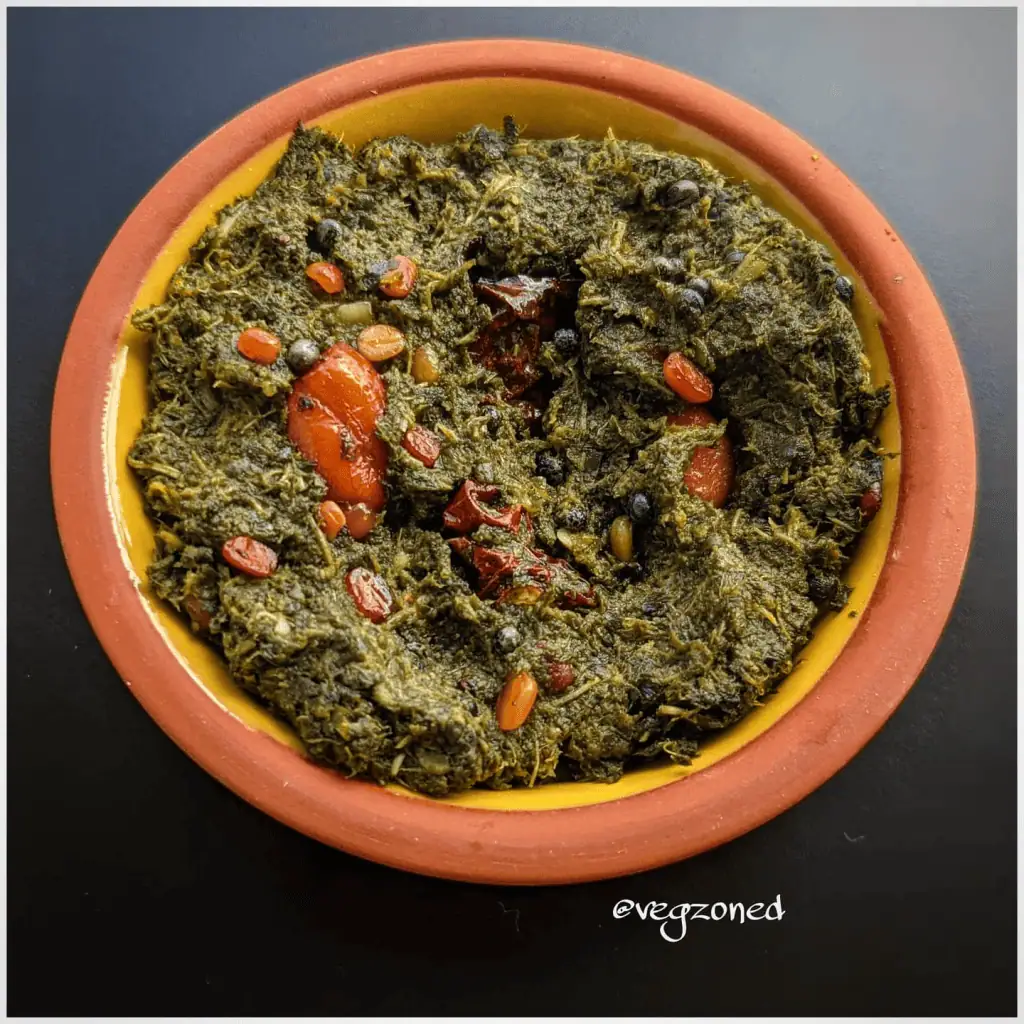
Amaranth, a staple of ancient Aztec diets, is celebrated for its impressive protein content and naturally gluten-free status. Its earthy, slightly nutty flavor complements both savory and sweet recipes. Use amaranth as a thickening agent in soups or as a foundational grain for salads. Cook it slowly to preserve its tender, yet slightly crunchy texture. For a nutrient-packed breakfast, allow amaranth’s inherent qualities to shine by infusing it with spices and fresh fruits, providing an energizing start to your day.
Millet: The Gluten-Free Staple
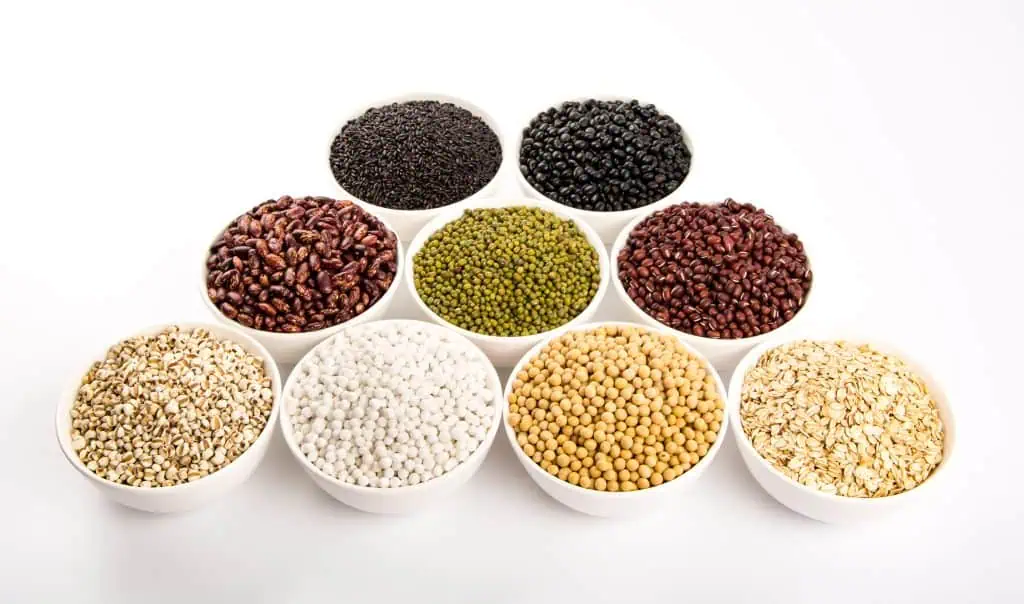
Millet has made a remarkable return to modern kitchens as a versatile, gluten-free grain. Rinse the millet thoroughly under cold water to remove any bitterness before cooking. Next, toast it lightly in a dry skillet to enhance its natural nutty flavor. Simmer with two parts water to one part millet until tender, about 20 minutes. This ancient grain shines in pilafs or as a base for vibrant vegetable salads. Its fluffy texture and subtle sweetness complement herbs and spices beautifully, making it an ideal candidate for savory or sweet dishes.
Farro: Rustic Italian Revival
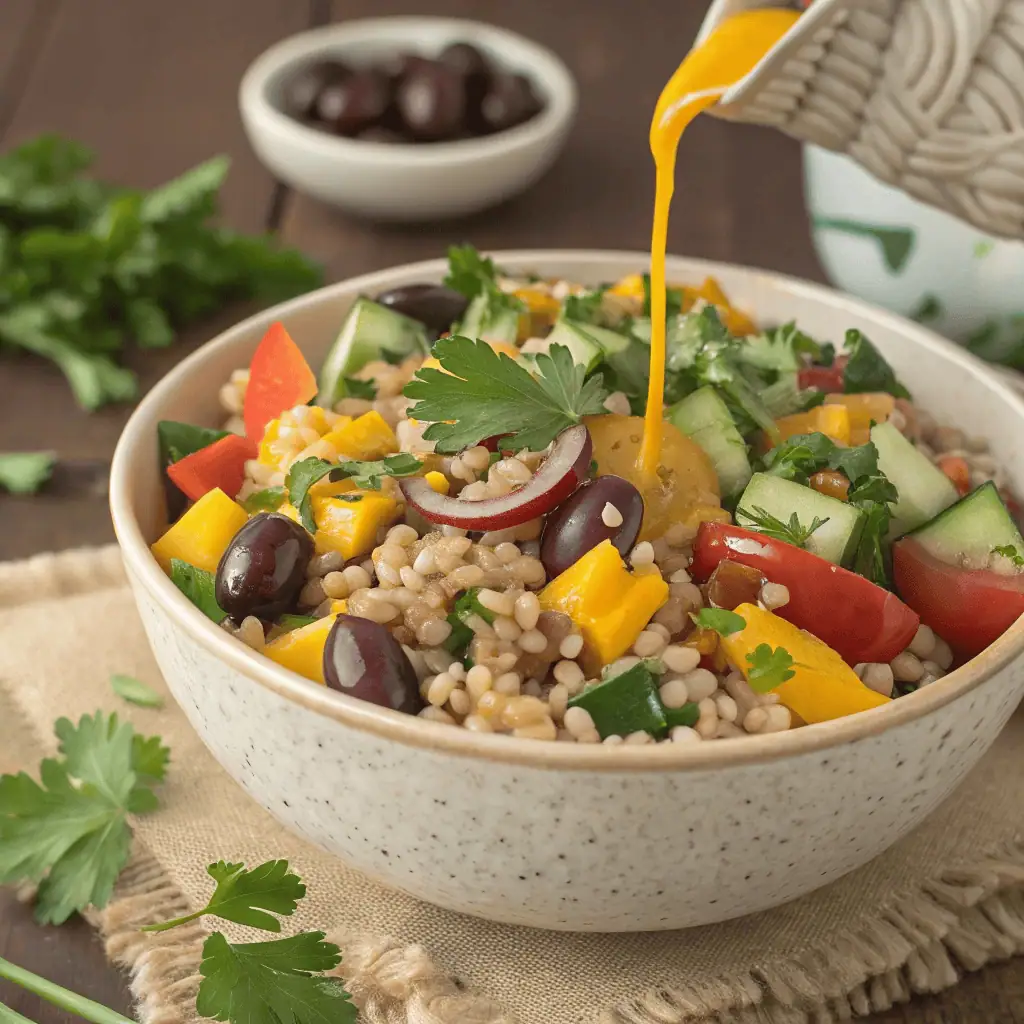
Farro, an ancient grain hailing from Italy, brings a chewy texture and nutty taste to the table. To cook farro, rinse it under cold water, then boil it in salted water, similar to pasta, until al dente, typically 20–30 minutes depending on the variety. Drain and use it in warm salads with roasted vegetables or in heartier dishes like risottos. Its firm, earthy bite holds up well in soups, absorbing flavors without losing its structure. Farro’s versatility makes it a favorite in both contemporary and traditional Italian cuisine.
Spelt: The Ancient Wheat Alternative
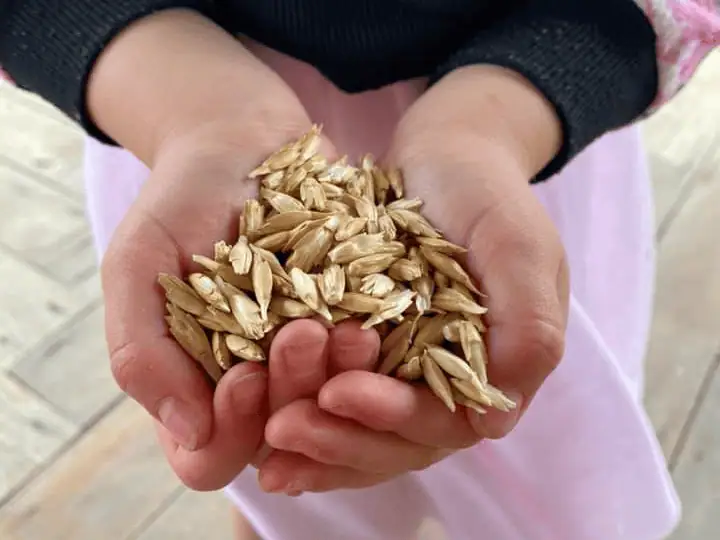
Spelt, a hardy cousin to modern wheat, is prized for its slightly sweet and nutty flavor. When using whole spelt grains, soak them overnight to reduce cooking time and aid in digestion. For baking, spelt flour can be a direct substitute for wheat flour in most recipes, imparting a tender crumb to breads and muffins. Knead to a smooth dough but avoid overworking, as spelt’s gluten structure is delicate. Whether cooked as a grain or baked into goods, spelt adds depth and complexity, appealing to artisanal bakers and home cooks alike.
Barley: Beyond the Beer Ingredient
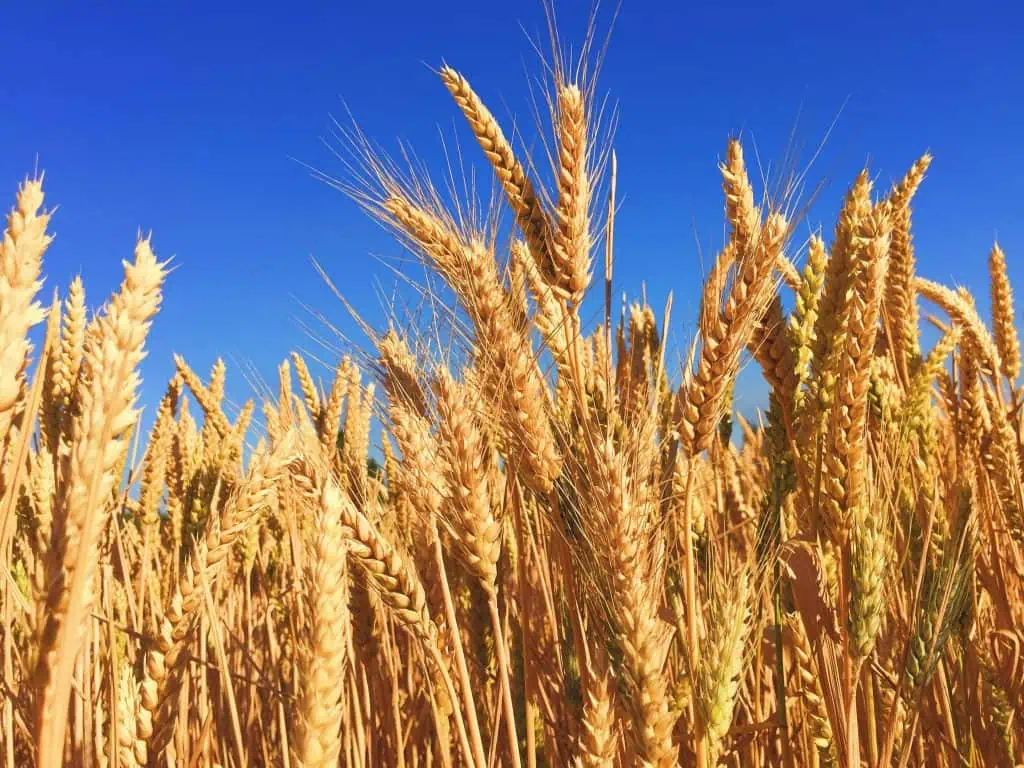
Barley is transforming its image from brewing to a culinary staple. With its hearty texture and high fiber content, barley adds heft to soups and stews. Pearled barley, which has been polished to remove the outer hull, cooks faster and is more common in kitchens. Cook it as you would rice, using a 2:1 liquid-to-grain ratio, until the grains are tender and chewy. It absorbs flavors readily, making it ideal for risottos or grain salads. Barley’s mild nuttiness pairs well with roasted meats, root vegetables, and tangy vinaigrettes.
Chia Seeds: Mayan Empire Energy
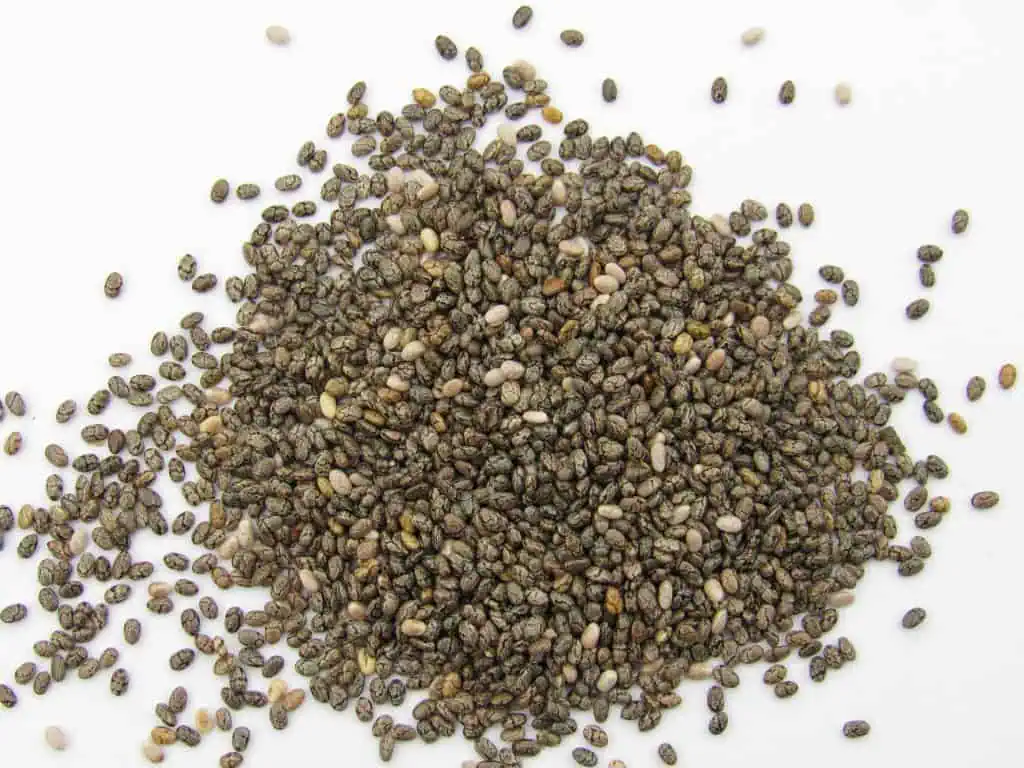
Chia seeds, once revered by the Mayans, are now a popular superfood due to their impressive nutritional profile. When soaked in liquid, they swell, creating a gel-like consistency perfect for puddings. For a basic chia pudding, mix three tablespoons of chia seeds with one cup of milk or a milk alternative, adding a sweetener of choice. Let it rest overnight in the refrigerator. Alternatively, scatter them over salads or cereals for a nutritional boost. Chia adds texture and subtle crunch, effortlessly enhancing both sweet and savory dishes.
Flaxseeds: Time-Tested Health Fix
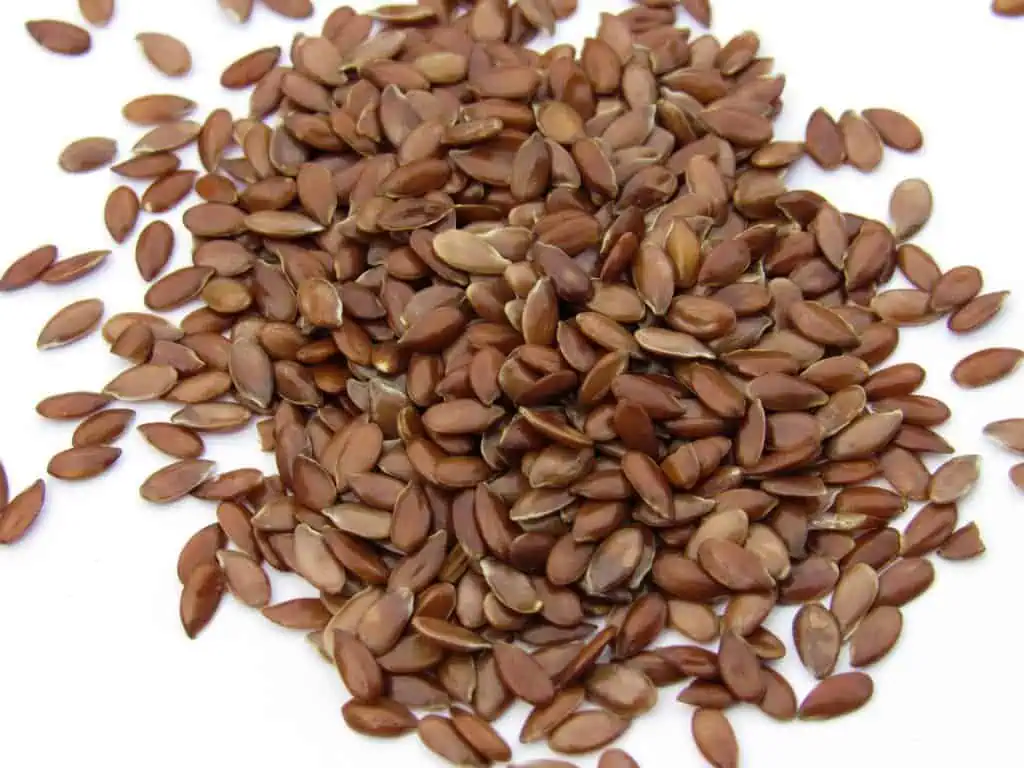
Flaxseeds boast a storied past rooted in ancient wellness traditions. These tiny seeds are teeming with omega-3 fatty acids, adding a nutritious burst of flavor to dishes. Grind them fresh to unlock their full potential, as their hard outer shells can resist digestion whole. Incorporate them into smoothies, yogurts, or use as a fiber-rich egg substitute in baking, combine one tablespoon of ground flaxseeds with three tablespoons of water, and let sit until thickened. Their subtle nutty essence enhances both sweet and savory recipes, making flaxseeds an adaptable addition to any modern health-conscious kitchen.
