
5 Old-Fashioned Cooking Habits Nutrition Experts Say Are Still Surprisingly Smart
Not all traditional cooking habits deserve to fade away. Many old-fashioned techniques once seen as outdated or overly frugal are actually backed by modern nutrition science. These practices emphasize whole ingredients, slow cooking, and smart food use, all of which support better health. As experts revisit classic kitchen wisdom, they’ve found that some of the habits passed down from parents and grandparents remain surprisingly smart today.
Cooking Broth from Scraps

Making broth from leftover bones and vegetable scraps may seem old-school, but nutrition experts praise the method for its flavor, nutrient density, and waste reduction. Simmering bones releases minerals like calcium and magnesium, while vegetable ends add antioxidants. It’s a budget-friendly, zero-waste technique that creates a deeply nourishing base for soups and stews. Modern cooks value it for health and sustainability.
Meal Planning Around Seasonal Produce
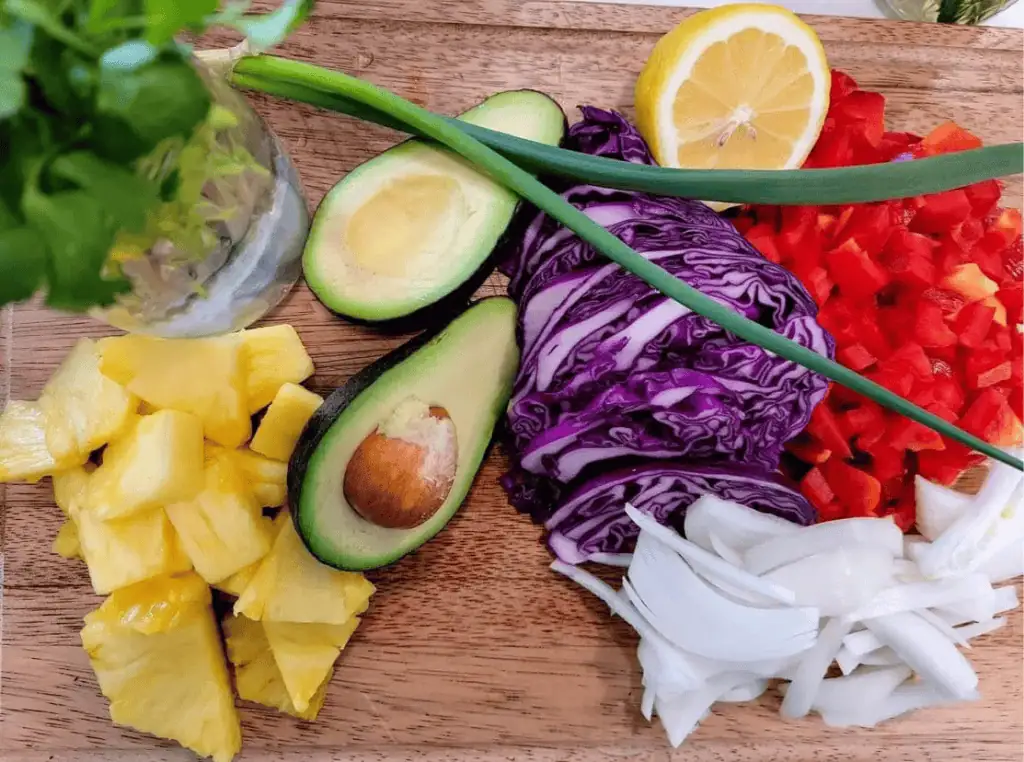
Before supermarkets stocked everything year-round, families cooked with whatever was in season. Nutritionists say this habit is still smart because seasonal produce offers better flavor, higher nutrient levels, and lower prices. Eating with the seasons also encourages variety, since different fruits and vegetables rotate throughout the year. It’s a simple, time-tested approach that supports both health and budget.
Using Cast-Iron Cookware

Cast-iron pans were staples in older kitchens, and experts say they remain a smart choice for modern cooks. They retain heat exceptionally well, last for decades, and even add small amounts of dietary iron especially useful for people who need more of the mineral. When properly seasoned, they become naturally nonstick without chemical coatings. Their durability and cooking quality make them worth keeping.
Stretching Meals with Beans and Grains
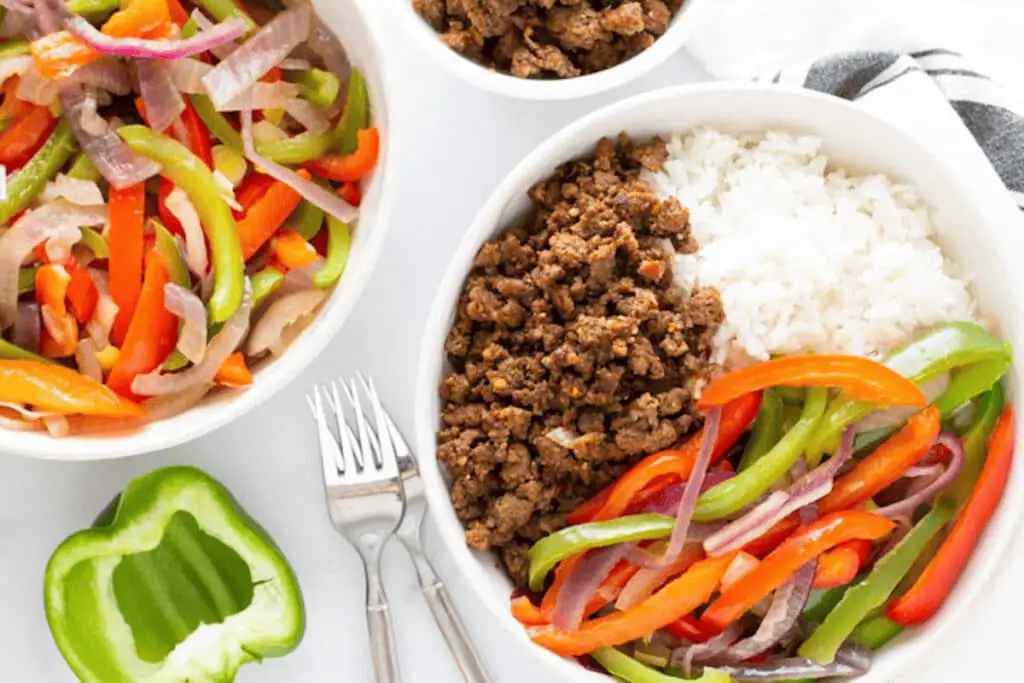
Generations ago, home cooks often extended meals with beans, lentils, or whole grains to make dishes more filling. Nutritionists now recommend the same approach because plant-based proteins provide fiber, minerals, and slow-burning energy. Adding beans to soups, casseroles, or meat dishes makes meals healthier and more economical. It’s an old-fashioned way to improve nutrition that fits perfectly into modern budgets.
Cooking Large Batches for the Week
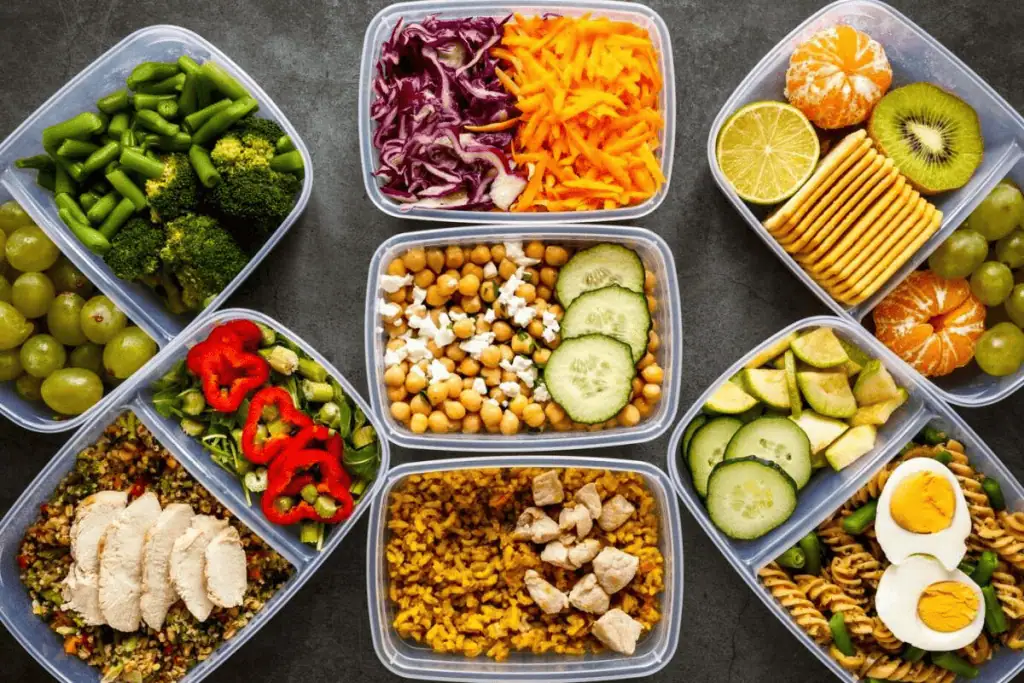
Batch cooking used to be a practical necessity, but today it’s a nutrition-smart habit that reduces stress and encourages better eating. Preparing soups, stews, roasted vegetables, or proteins ahead of time makes healthy choices easier during busy workdays. Experts say it helps prevent reliance on processed convenience foods. This simple, traditional strategy remains one of the most effective ways to maintain balanced meals.
