
Best (and Worst) Types of Coffee for Your Health
Coffee is more than just a morning ritual; it’s a complex brew with significant health implications. Rich in antioxidants, coffee has been linked to reduced inflammation and improved metabolic rates. The key lies in how you prepare and consume your coffee. Different brewing methods extract distinct chemical compounds, influencing caffeine content and antioxidant levels. Moderation and mindful brewing ensure that coffee’s benefits, such as improved heart health and cognitive function, are maximized while minimizing potential downsides like increased anxiety or disturbed sleep.
Instant Coffee: Antioxidant Champion

Instant coffee often gets a bad rap, but it’s surprisingly rich in antioxidants, making it a simple, accessible choice for health benefits. The process of brewing and dehydrating coffee allows the retention of these compounds, which help fight oxidative stress. When preparing instant coffee, use hot but not boiling water to preserve its healthful properties. However, be cautious of added sugars and creamers that can negate these advantages. While not as luxurious as freshly brewed coffee, its convenience and health perks make it a worthy contender.
Filtered Coffee: Heart’s Best Friend

Filtered coffee, particularly when brewed using a paper filter, is noted for its ability to reduce harmful LDL cholesterol levels. The filter effectively traps diterpenes, compounds linked to cholesterol elevation. This method highlights the importance of water temperature; aim for 195-205°F (90-96°C) to extract optimal flavors while maintaining health benefits. Filtered coffee provides a clean, crisp taste and offers an excellent way to start the day with heart-protective properties, making it both delicious and beneficial.
Espresso: Brain-Boosting Brew

Espresso is a concentrated coffee that’s both intense in flavor and rich in beneficial compounds. Its robust nature means that a small serving delivers a generous dose of protective polyphenols, known for supporting cognitive function. Precision is key when crafting the perfect shot—grind coffee beans finely and pack evenly into the portafilter. Maintain a brewing temperature around 200°F (93°C) for optimal extraction. This method ensures a vibrant, complex cup that can invigorate the mind and sharpen focus.
Cold Brew: Waistline-Friendly Choice

Cold brew coffee is popular for its lower acidity and naturally sweet profile. Its slow brewing process extracts less caffeine and acid, making it gentler on the stomach while still providing necessary energy. For a waistline-friendly choice, prepare cold brew by steeping coarsely ground beans in cold water for 12-24 hours, then strain. This method results in a smooth, mellow drink without the need for added sugars or cream. Perfect for hot days, it offers a refreshing taste with minimal calorie intake.
Caffeinated vs. Decaf: The Health Debate
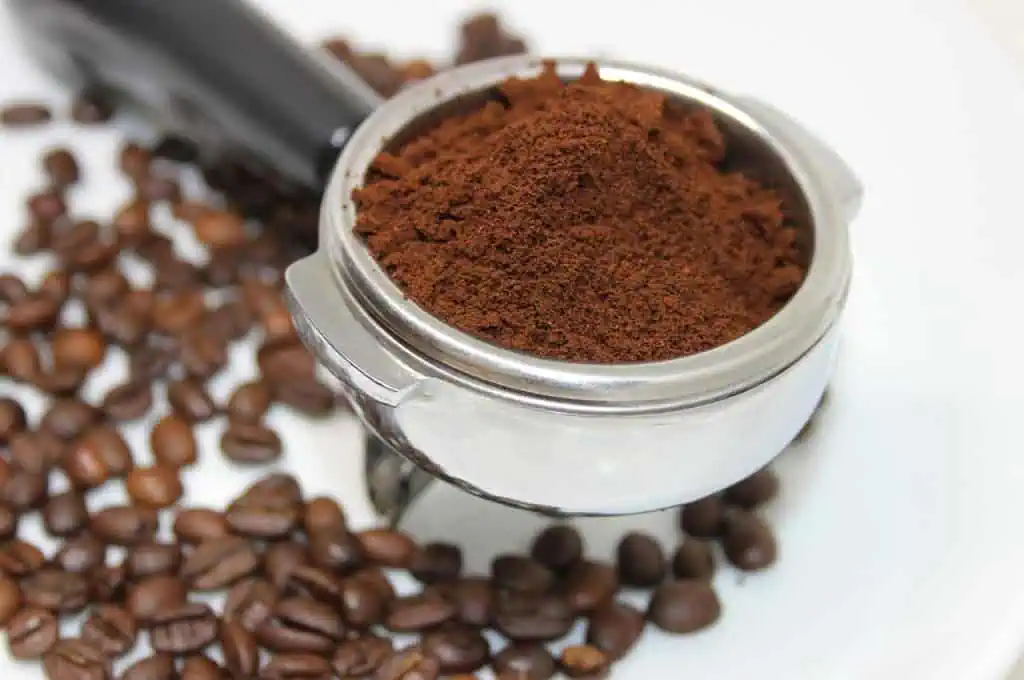
Caffeinated coffee is celebrated for its energy-boosting properties, stimulating the central nervous system and enhancing mental alertness. However, excessive consumption may lead to increased heart rate and disrupted sleep. Decaf, processed to remove most caffeine, offers a gentler alternative for those sensitive to stimulation. Despite processing, decaf retains antioxidants, supporting cellular protection. When selecting between them, personal tolerance and lifestyle should guide your choice, balancing energy needs with potential health impacts.
Coffee Bean Types: Does It Matter?

Arabica and Robusta are the primary coffee bean types, each influencing flavor and potential health benefits. Arabica, favored for its delicate taste, contains more lipids and sugar, contributing to a smoother cup, often perceived as more luxurious. In contrast, Robusta, with its bolder, often bitter profile, has higher caffeine content, making it more stimulating and slightly more acidic. Understanding these differences can guide health-conscious consumers in choosing their preferred bean, aligning taste preferences with health goals.
Milk, Sugar, Syrups: Effects on Health

Enhancing coffee with milk, sugar, or syrups adds flavor complexity but significantly alters its nutritional profile. Milk provides creaminess and a dose of calcium, though whole milk increases calorie and fat intake. Opting for plant-based milk can reduce these while offering varying nutritional benefits. Sugar and flavored syrups, while adding sweetness, contribute empty calories and can impact blood sugar levels. Moderation and mindful additions can preserve coffee’s core health benefits while catering to taste preferences.
