
10 pantry staples people keep too long without realizing
Pantries feel timeless. Cans stay stacked, jars remain sealed, and spices still smell “okay” at a glance. That sense of stability is exactly why so many staples linger far past their useful life. Unlike fresh food, pantry items rarely announce when they’re past their prime. Instead, they fade quietly, losing flavor, strength, or performance while still looking perfectly usable. Meals start tasting dull, baking fails without explanation, and seasoning feels off. These are ten pantry staples people commonly keep too long, not realizing they’re slowly undermining the food they cook.
Spices and Ground Seasonings
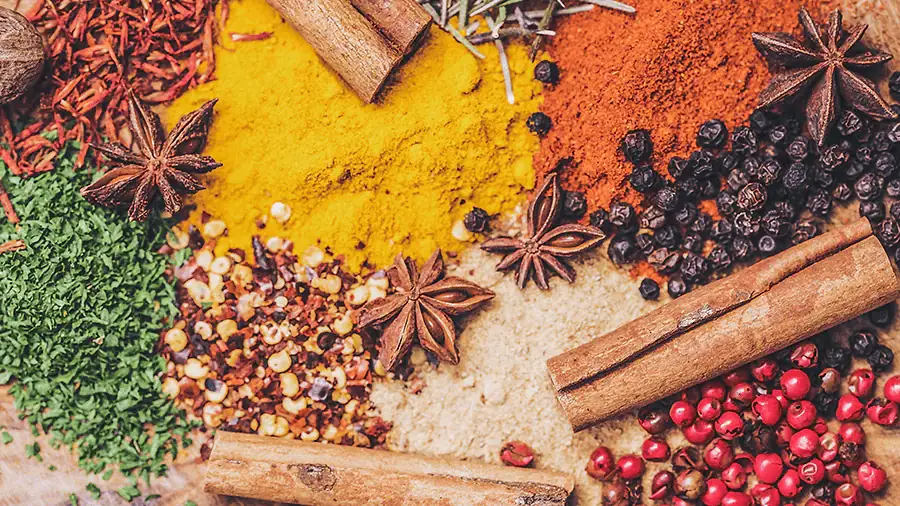
Spices don’t spoil in an obvious or dangerous way, which is why they linger in cabinets for years. The real issue is potency. Ground spices fade the fastest, often losing most of their aroma and flavor within a year. That old paprika, cumin, or chili powder won’t make food unsafe, but it will make meals taste flat and underwhelming. When spices stop pulling their weight, people often compensate by adding more salt or fat, changing the balance of a dish without realizing the root problem is simply tired seasoning.
Cooking Oils
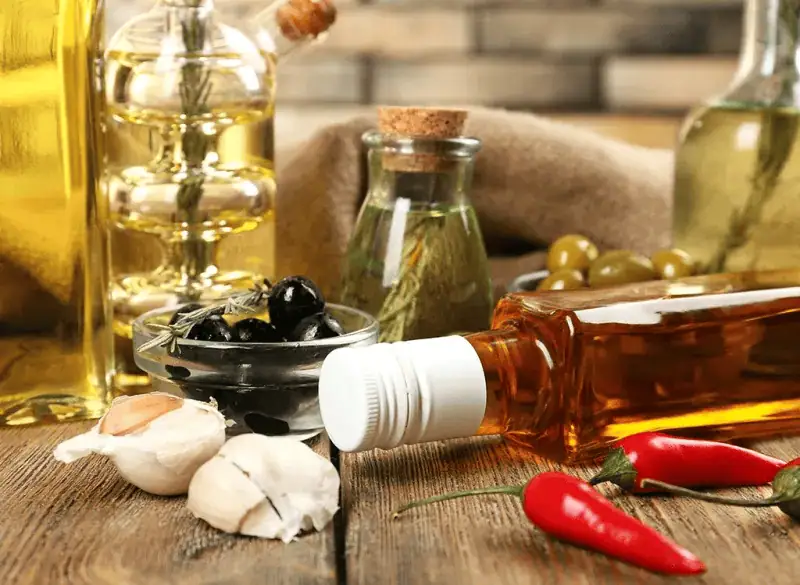
Cooking oils slowly degrade over time, even when stored with care. Exposure to heat, light, and oxygen causes oils like olive, vegetable, or canola to turn rancid. The change is subtle at first, a faint bitterness or “off” smell that’s easy to miss. Many people keep using oil long past its prime, not realizing it’s dulling flavors or adding unpleasant notes. Rancid oil won’t always smell aggressively bad, but it quietly undermines every dish it touches, especially simple foods where oil plays a starring role.
Flour
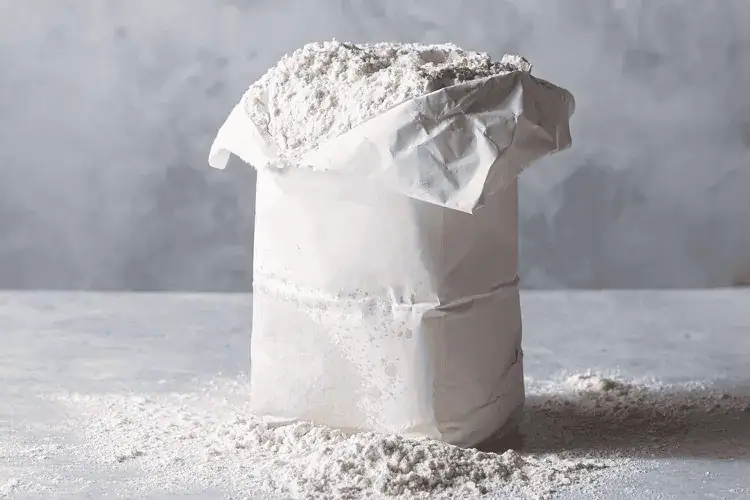
Flour feels like a pantry staple that lasts forever, but it’s more sensitive than most people think. Over time, it absorbs moisture and surrounding odors, which can affect flavor. Whole wheat flour goes stale faster because of its natural oils, developing a flat or slightly sour taste. Even refined white flour can lose freshness, leading to baked goods that taste dull or lifeless. The flour may look perfectly fine, but its age shows up in texture and flavor, quietly lowering the quality of everything you bake.
Baking Powder
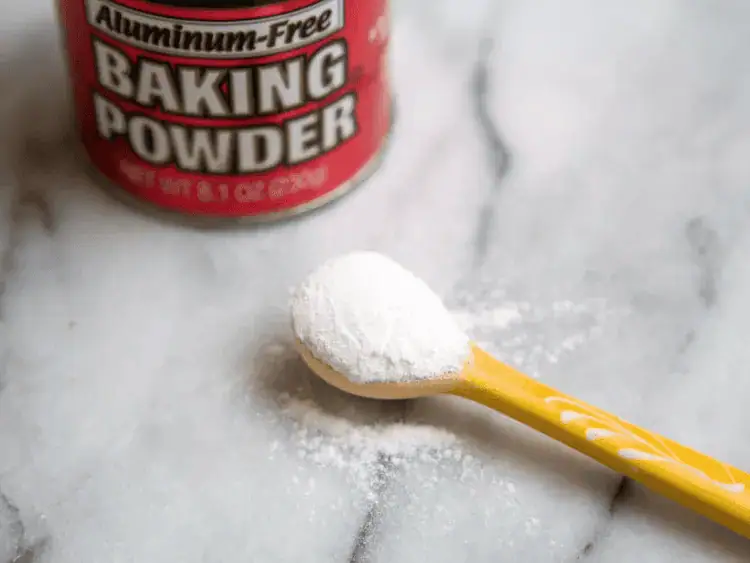
Baking powder doesn’t go bad in a visible way; it just stops working. Over time, it loses the chemical strength needed to create lift in cakes, biscuits, and quick breads. Many people blame recipes, ovens, or technique when baked goods come out dense or flat, never suspecting the leavening agent. An expired or old baking powder can sabotage baking silently, producing disappointing results without any obvious warning signs. It’s one of the most common hidden causes of baking failures in home kitchens.
Baking Soda
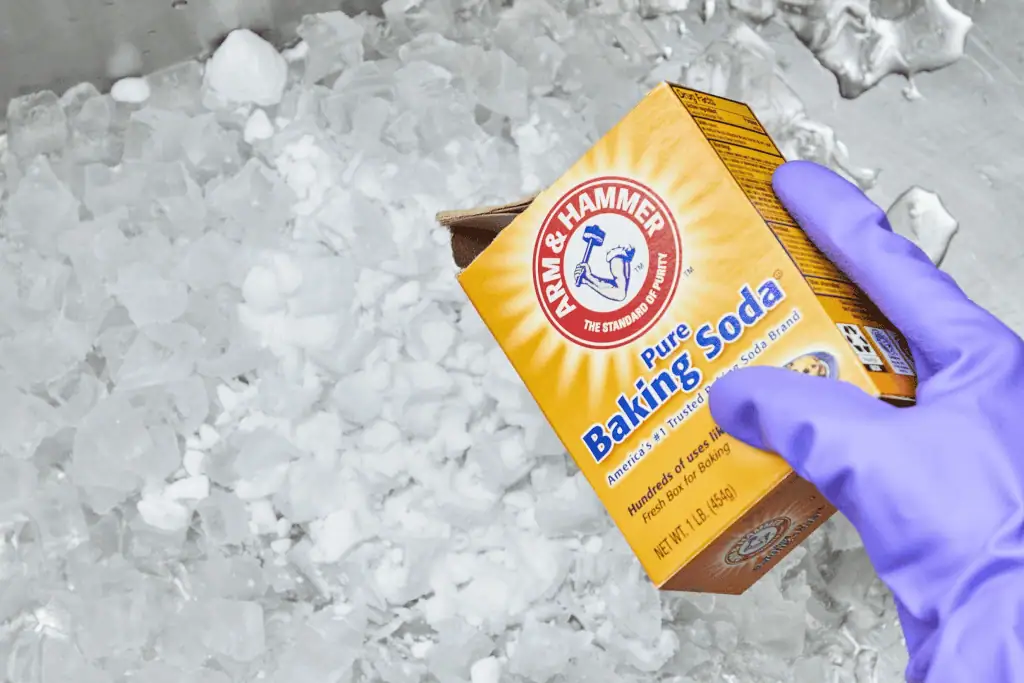
Like baking powder, baking soda quietly loses effectiveness over time, but many people keep the same box for years without questioning it. As it weakens, it no longer reacts properly with acidic ingredients, which means baked goods don’t rise as expected. Cakes come out dense, cookies spread oddly, and quick breads feel heavy, even when the recipe is sound. Because baking soda doesn’t change in appearance or smell, it’s rarely suspected. This silent loss of power makes it one of the most common hidden reasons home baking disappoints.
Rice
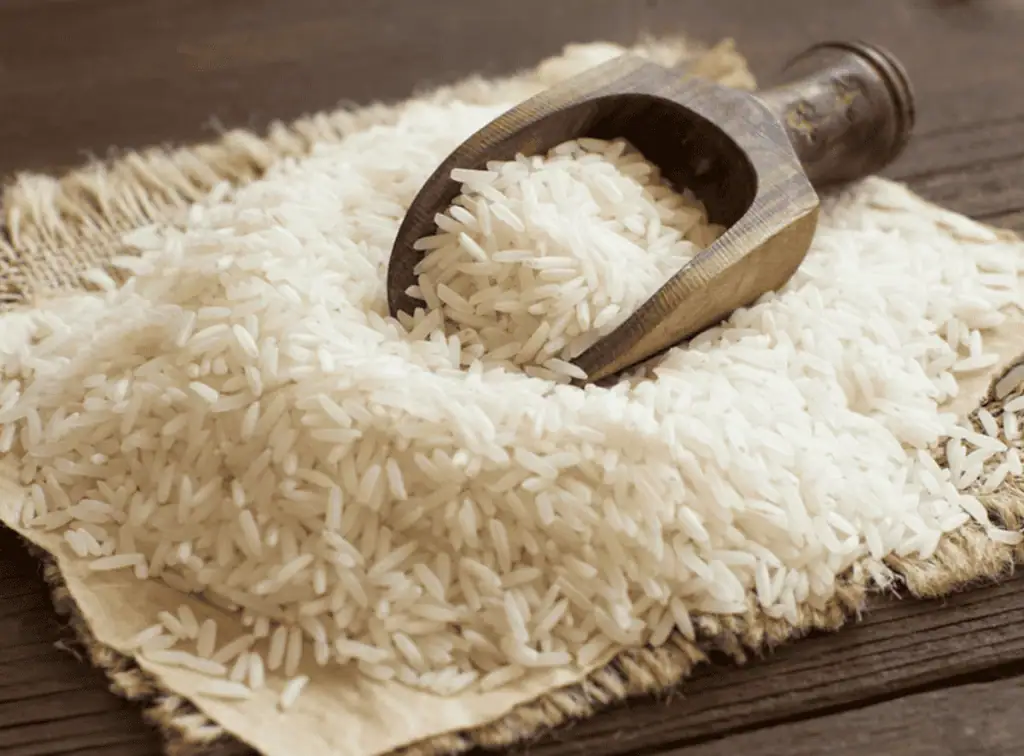
White rice is more stable than most grains, but it still loses quality the longer it sits. Over time, flavor dulls and texture suffers, even if the rice is cooked correctly. Brown rice degrades much faster because of its natural oils, which can turn stale or rancid quietly. Old rice won’t necessarily smell bad, but it often tastes flat or slightly off, making meals less satisfying. Many people blame the seasoning or cooking technique when the real issue is simply rice that’s past its best window.
Dry Pasta
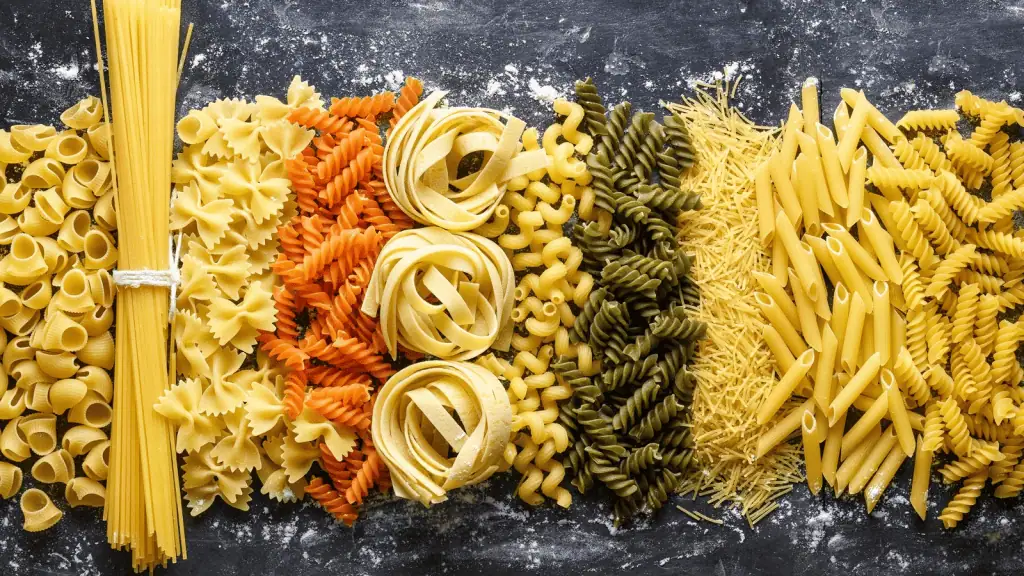
Dry pasta doesn’t spoil quickly, which is why half-used boxes linger in pantries for years. Over time, though, pasta dries out further and loses quality. Very old pasta can cook unevenly, breaking easily or turning mushy on the outside while staying firm inside. Some people notice a dusty or cardboard-like flavor that no amount of sauce fully hides. While it’s usually safe to eat, aged pasta quietly lowers the quality of otherwise simple, comforting meals.
Canned Tomatoes
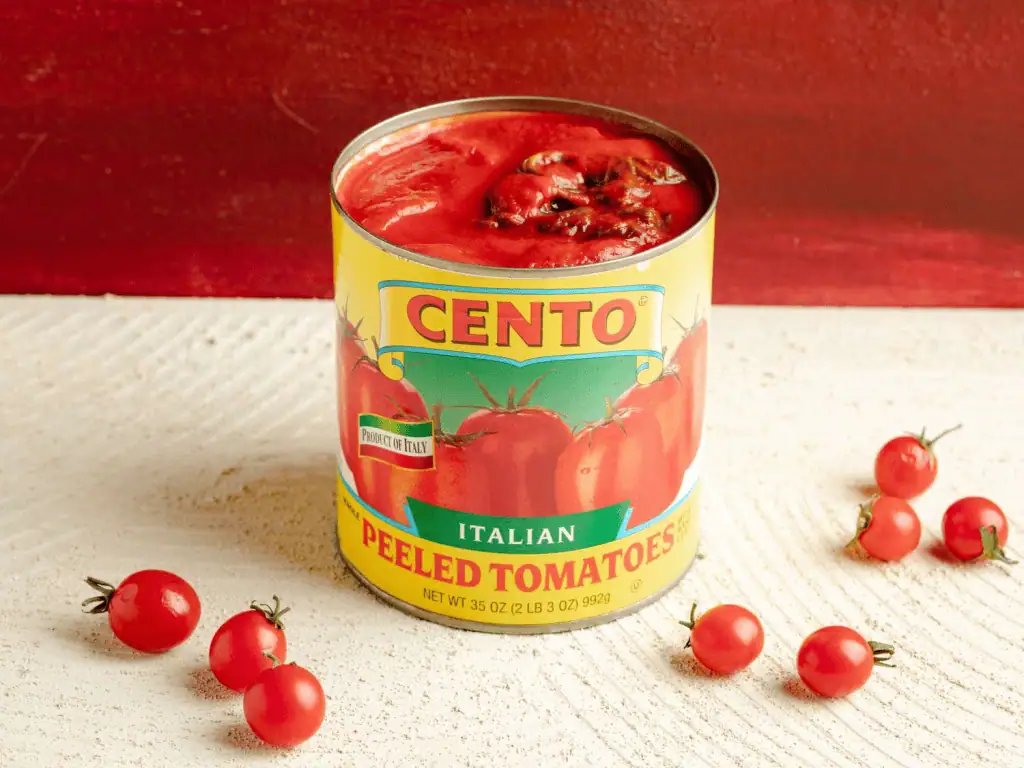
Canned tomatoes feel permanent, but time slowly works against them. Their natural acidity continues to interact with the can lining, softening texture and muting flavor. Even when they’re still safe to eat past the “best by” date, the tomatoes lose brightness and depth. Sauces made with old cans often taste flat, requiring extra seasoning to compensate. Many disappointing tomato-based dishes aren’t the result of bad recipes they’re built on tomatoes that have simply aged out of their prime.
Nut Butters
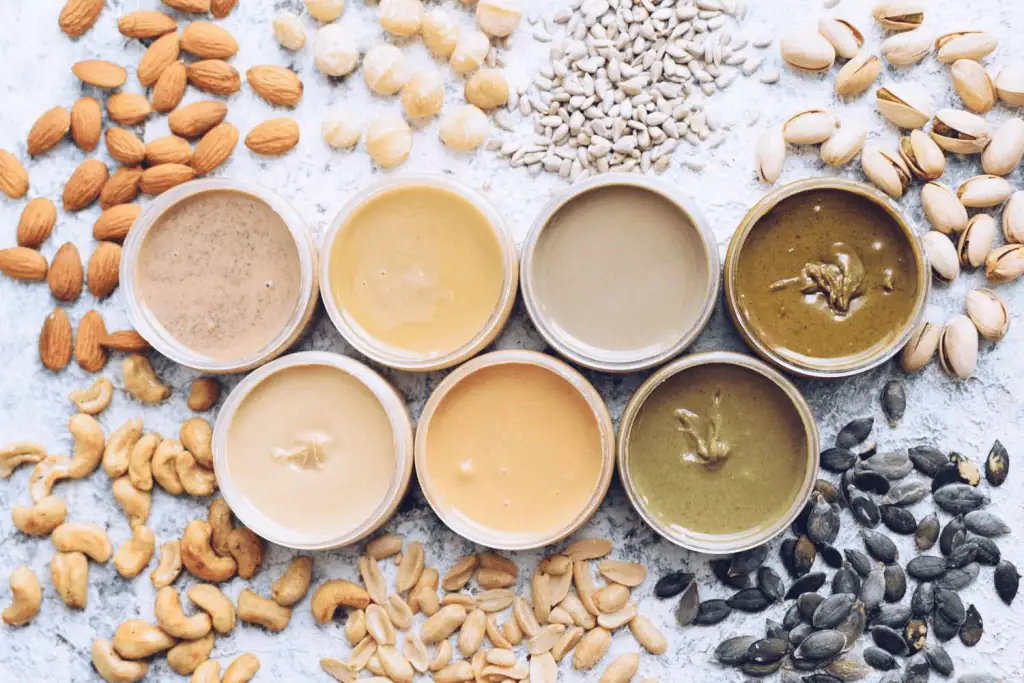
Natural nut butters contain oils that slowly oxidize over time, even when the jar looks perfectly fine. As those oils degrade, bitter or stale flavors develop long before any visible mold appears. Refrigeration can slow the process, but many people keep nut butters in warm cupboards out of habit. The result is toast, sauces, or smoothies that taste slightly off without an obvious cause. Because nut butters are often used sparingly, jars linger far past their prime, quietly lowering flavor quality with every spoonful.
Condiments Like Soy Sauce or Hot Sauce
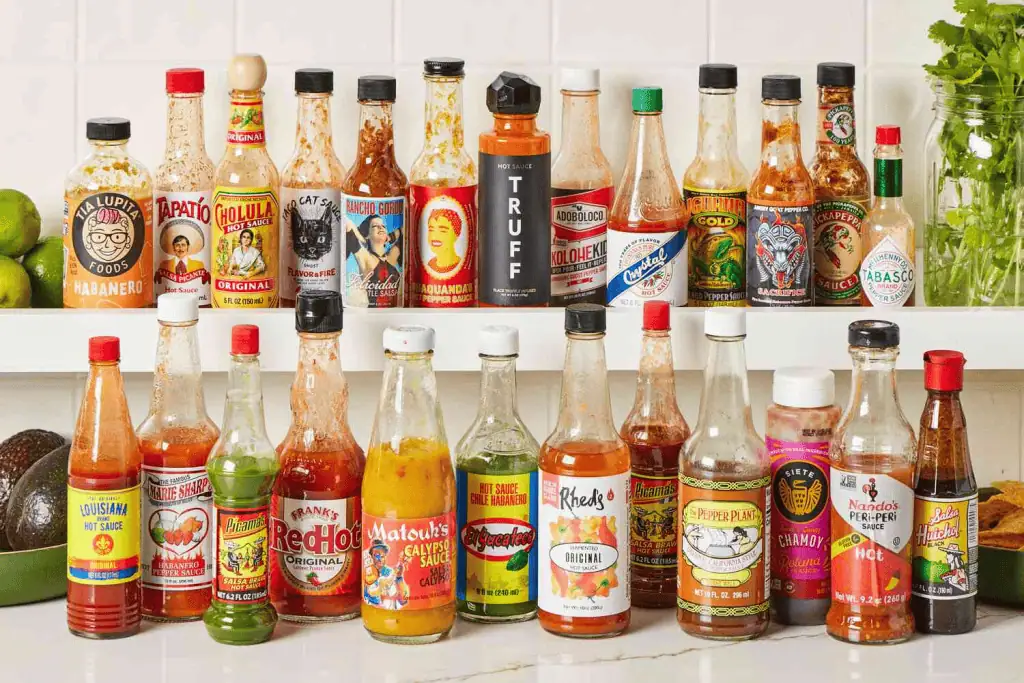
Condiments feel nearly immortal, but they also have a peak window. Over time, complex flavors flatten, and saltiness or heat becomes dominant. Soy sauce can lose depth, while hot sauces may taste harsher and less balanced. Bottles often sit half-used for years, especially in households with multiple options. While they remain safe to consume, their aging subtly changes how dishes taste. Many meals seem “off” not because of the cooking, but because the condiments are long past their best.
