
12 Surprisingly Illegal Dishes People Still Try to Cook in Secret
Food cultures are stubborn, and nostalgia or status can push people toward banned dishes. Laws usually target wildlife conservation, public health, or animal-cruelty concerns, but curiosity and tradition sometimes win out leading people to attempt these illicit meals in private. Below are a dozen illegal dishes (or tightly regulated) in many places, why they’re banned, and why attempts to recreate them remain controversial. Note: this article explains context only; it does not provide instructions for sourcing or preparation.
Ortolan (the whole-bird ritual)

The ortolan bunting, traditionally eaten in a grisly French ritual, has been protected in France for decades, making capture, sale, and dining illegal. The dish’s notoriety comes from its extreme cruelty and rarity: birds were fattened, drowned, or blinded, and consumed whole. Despite bans and social condemnation, underground diners occasionally seek the taboo ritual for shock or status, but conservation and animal-cruelty laws make it a prosecutable offense.
Shark Fin Soup

Once a symbol of wealth at Chinese banquets, shark fin soup is now outlawed or heavily restricted in many regions due to shark-finning’s devastating environmental impact. Laws and trade bans aim to curb the global slaughter of sharks for fins alone. Although some suppliers falsely market alternatives, demand still drives clandestine sales and smuggling, prompting legal crackdowns and strong conservation campaigns worldwide.
Casu Marzu (maggot cheese)

This Sardinian sheep-milk cheese ripened with live larvae is illegal in many EU countries because of food-safety regulations the live insects and microbial profile can pose health risks. Locals prize its pungent flavor and creamy texture, and it exists in a legal gray market: some people still pay handsomely for covert access. Authorities warn against its risks; medical and food regulators discourage home attempts altogether.
Foie Gras (where banned)
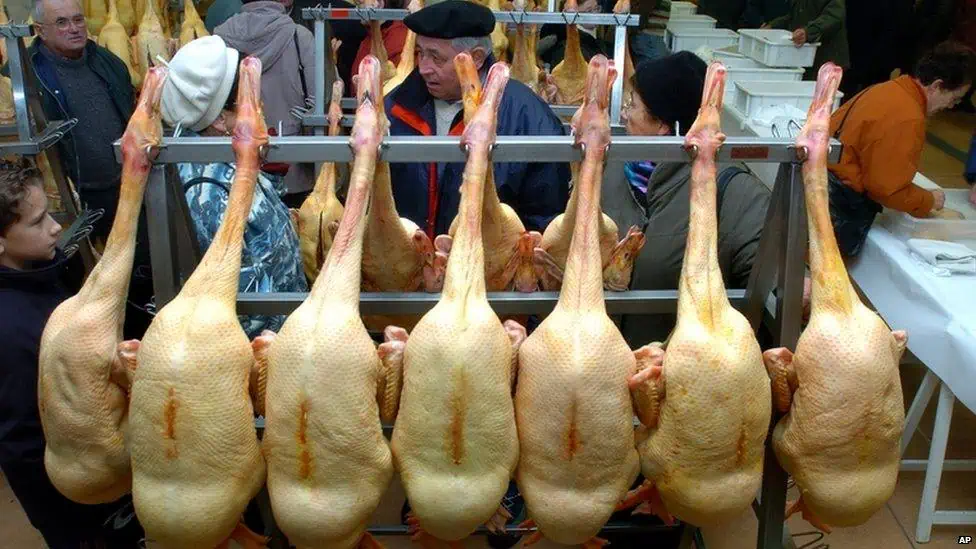
Foie gras fattened duck or goose liver produced by gavage (force-feeding) is banned in several cities and countries on animal-welfare grounds. Though legal and popular in many regions, clandestine producers and private dinners sometimes ignore local ordinances. The bans focus on preventing cruelty at scale; critics urge consumers to avoid illegal sourcing and to respect laws intended to protect animal welfare.
Fugu (pufferfish) by unlicensed cooks

Fugu contains tetrodotoxin, a potent neurotoxin, so its sale and preparation are tightly regulated chefs must earn licenses in Japan and elsewhere. Preparing pufferfish without certification is illegal in many jurisdictions. Despite the danger and legal risks, a small number of untrained people attempt fugu at home or in underground kitchens, a gamble that can cause severe poisoning or death and serious legal penalties.
Whale Meat (protected species)
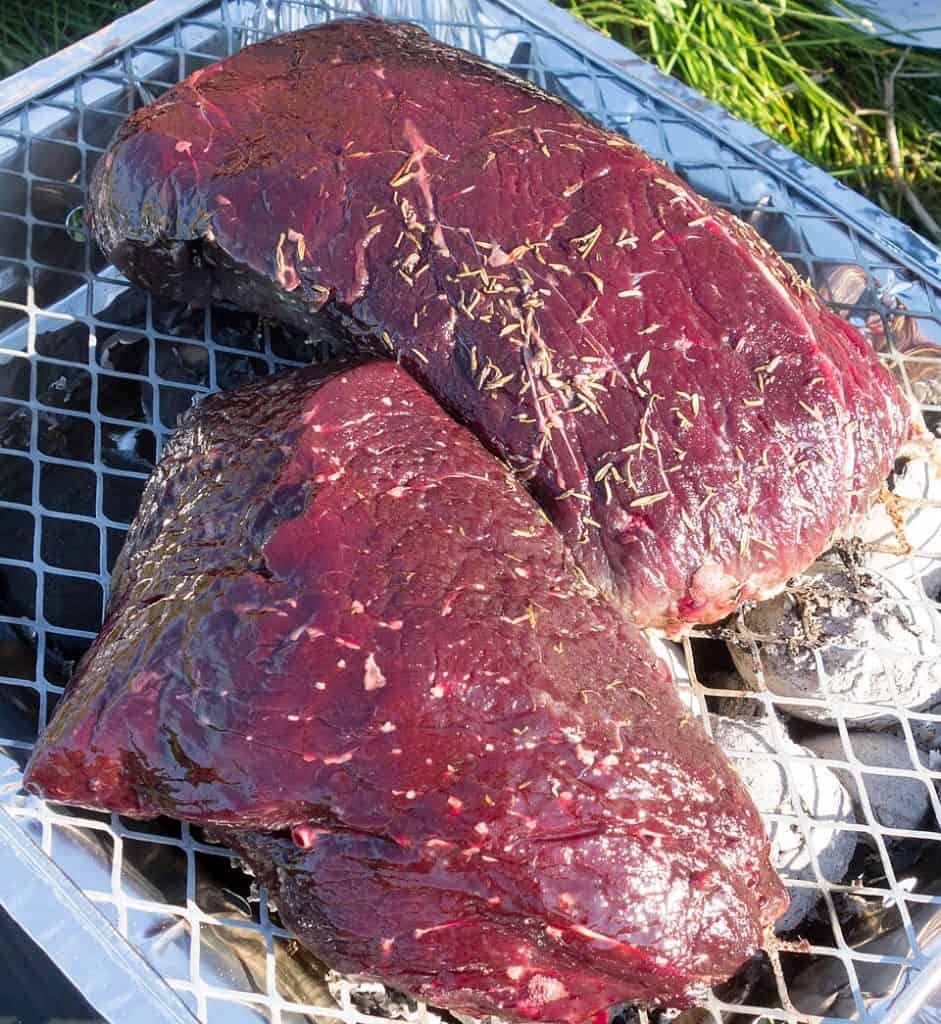
Commercial whaling and the trade of many whale species are banned under international agreements and national laws. In countries where whaling is outlawed, possessing, selling, or cooking whale meat can carry heavy fines. Yet illicit markets persist, sometimes driven by collectors or traditionalists. Conservation rules aim to preserve populations already devastated by industrial hunting; illegal trade undermines those protections.
Sea Turtle Dishes

Sea turtles are a protected species in most countries; harvesting, selling, or serving them is illegal under national laws and international treaties. Despite long culinary traditions in some regions, modern conservation and legal frameworks prohibit commercial use. Poaching and black-market sales continue in certain areas, putting turtles at further risk and exposing buyers/hosts to prosecution.
Bushmeat and Imported Wild Game

Importing or selling bushmeat from wild African or Asian animals, including bats and primates, is illegal or strictly controlled in many countries because of zoonotic disease risks and conservation concerns. Although bushmeat may be consumed within certain communities, clandestine importation and private cooking can evade health inspections and laws, creating public-health and legal hazards that authorities actively police.
Beluga (and other endangered caviar)

Caviar from beluga and certain sturgeon species is tightly restricted under CITES and national law due to endangerment. Trade in illegally harvested eggs is a well-documented black-market problem. While farmed alternatives exist legally, the illicit sale of protected sturgeon roe persists, sometimes disguised or smuggled leading to seizures, fines, and criminal charges for buyers and sellers.
Dog Meat (where prohibited)

Though consumed historically in some cultures, dog meat is illegal in many U.S., European, and other jurisdictions due to animal-welfare and public-sentiment laws. Private attempts to procure or serve dog meat can lead to criminal charges and social condemnation. The legal landscape reflects changing moral attitudes and strict controls on the treatment and sale of companion animals.
Illegally Imported Raw Milk & Unpasteurized Cheeses
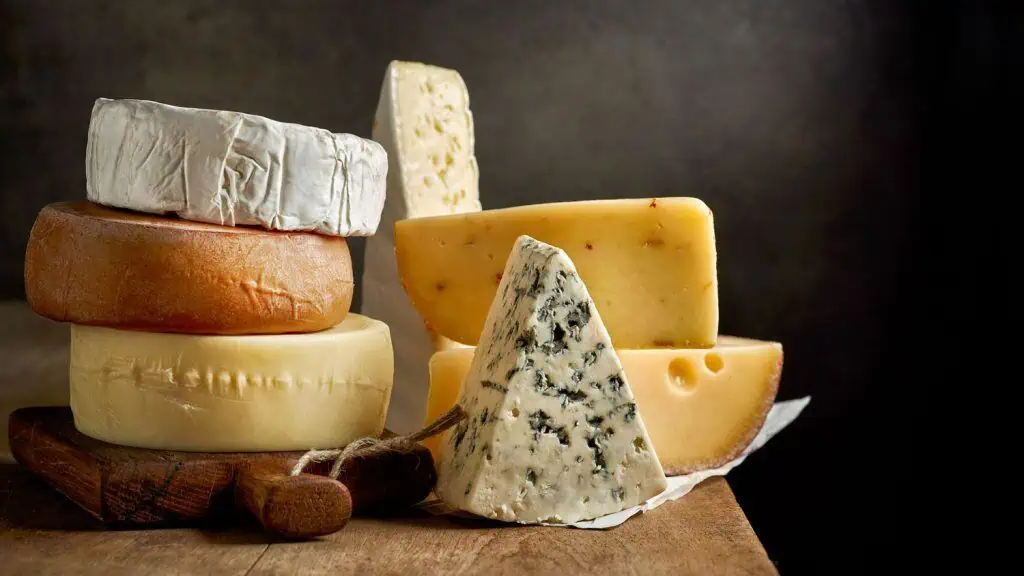
Many regions restrict the sale (and sometimes production) of unpasteurized milk and fresh cheeses because of bacterial-safety concerns. Listeria, E. coli, and other pathogens pose real risks. While pastoralists sometimes make traditional raw-milk products, clandestine distribution and home preparation to evade rules can lead to foodborne-illness outbreaks and regulatory action. Health authorities strongly discourage illicit handling.
Endangered Turtle & Mammal Delicacies (local specialties)
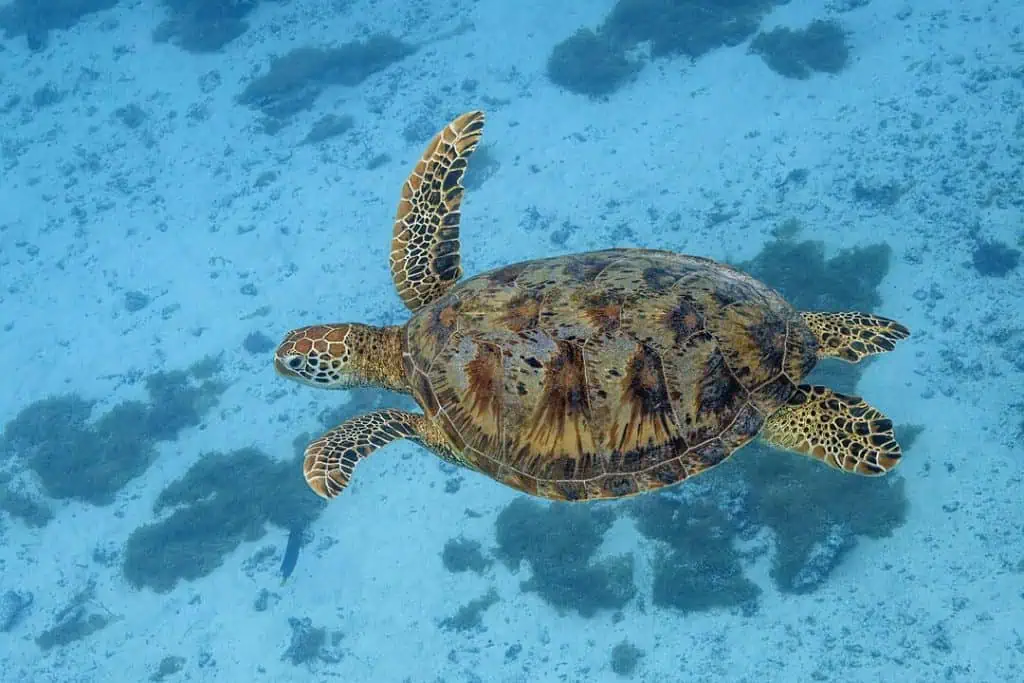
Beyond well-known examples, local delicacies made from protected mammals or reptiles, specific island or endemic species are often illegal to hunt, trade, or serve. These dishes may persist in isolated communities or black markets, but laws under wildlife-protection and CITES frameworks criminalize such practices to preserve biodiversity. Participation risks legal penalties and ecological harm.
