
Your grocery list is doomed If You Ignore these changes to the American Food Pyramid
America isn’t announcing a brand-new food pyramid, but the way nutrition guidance is applied is clearly changing. Public health research, updated dietary guidelines, and rising food costs are quietly reshaping what experts recommend people eat regularly. The focus is moving away from heavy carbs and low-fat shortcuts toward protein balance, fiber, and ingredient transparency. As a result, everyday grocery lists are starting to look noticeably different, even if shoppers don’t realize why these changes are happening.
Protein Takes Up More Space
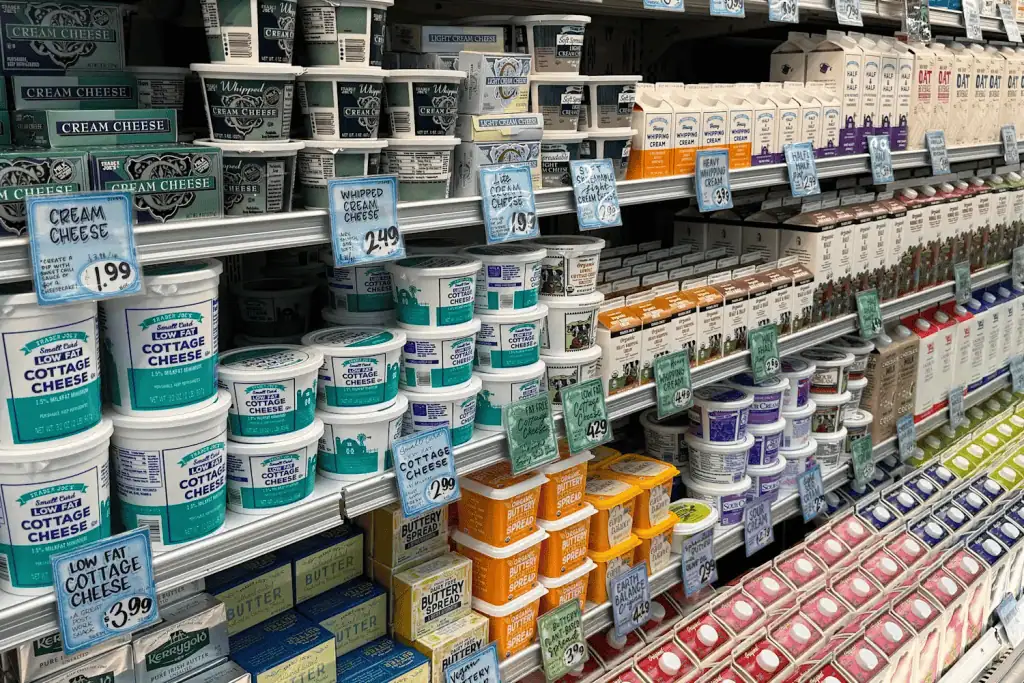
Grocery lists are increasingly built around protein as a foundation rather than a side component. Shoppers are buying more eggs, chicken thighs, canned fish, Greek yogurt, beans, and lentils because updated nutrition guidance emphasizes muscle health, blood sugar stability, and satiety. Protein-forward shopping helps people stay full longer and snack less throughout the day. Instead of centering meals on pasta or bread, many households now plan meals around affordable protein sources and build the rest of the plate around them.
Refined Grains Quietly Shrink
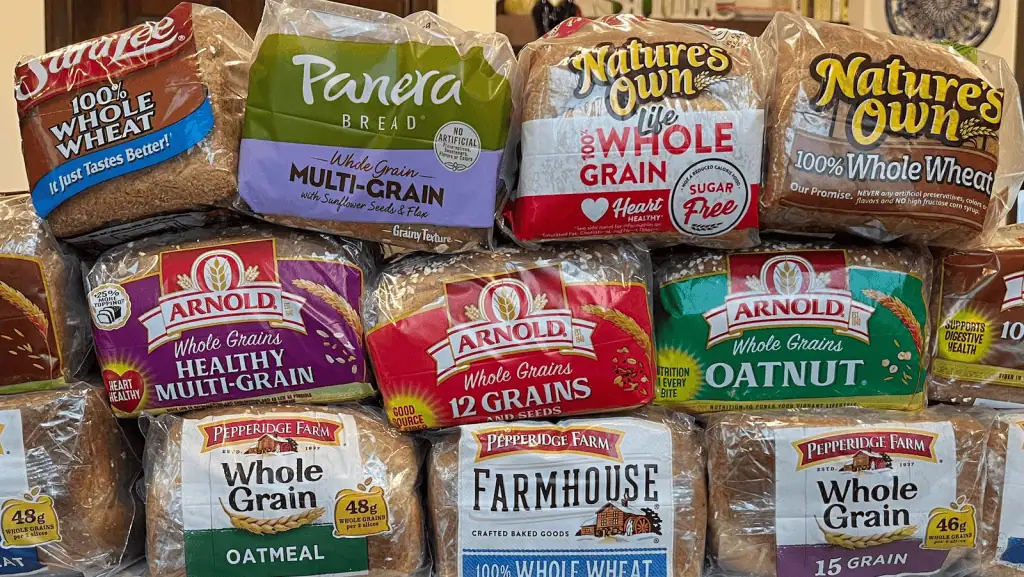
White bread, sugary cereal, and refined pasta aren’t disappearing, but they’re no longer automatic staples. Nutrition messaging now emphasizes fiber intake and blood sugar control, leading shoppers to buy fewer refined grains and smaller package sizes. Whole-grain bread, oats, brown rice, and high-fiber tortillas are replacing traditional versions. This shift isn’t about eliminating carbs but choosing slower-digesting options that provide longer-lasting energy, making grocery lists look simpler and more intentional than before.
Frozen Produce Becomes a Weekly Essential
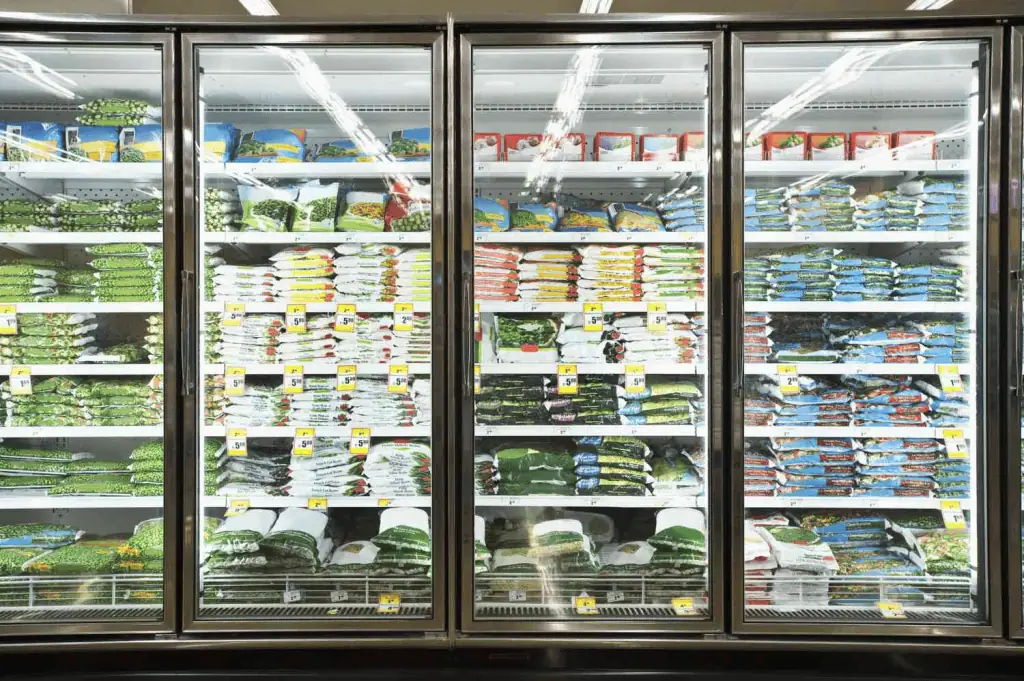
Frozen vegetables and fruits are becoming core grocery items as nutrition advice acknowledges their value. They offer the same nutrients as fresh produce, last longer, and reduce food waste. Busy households now rely on frozen broccoli, berries, spinach, and mixed vegetables to meet daily produce goals without spoilage stress. This change reflects a more realistic approach to healthy eating, where convenience supports consistency rather than working against it.
Fewer “Low-Fat” Replacements

Low-fat snacks and fat-free dressings are quietly disappearing from many carts. Updated guidance recognizes that healthy fats improve satisfaction and nutrient absorption. Shoppers are choosing olive oil, nuts, seeds, avocados, and full-fat dairy in moderate portions instead of ultra-processed low-fat alternatives. Grocery lists now reflect quality over restriction, focusing on natural fat sources rather than products engineered to remove fat and add sugar or starch for taste.
Ingredients Matter More Than Labels
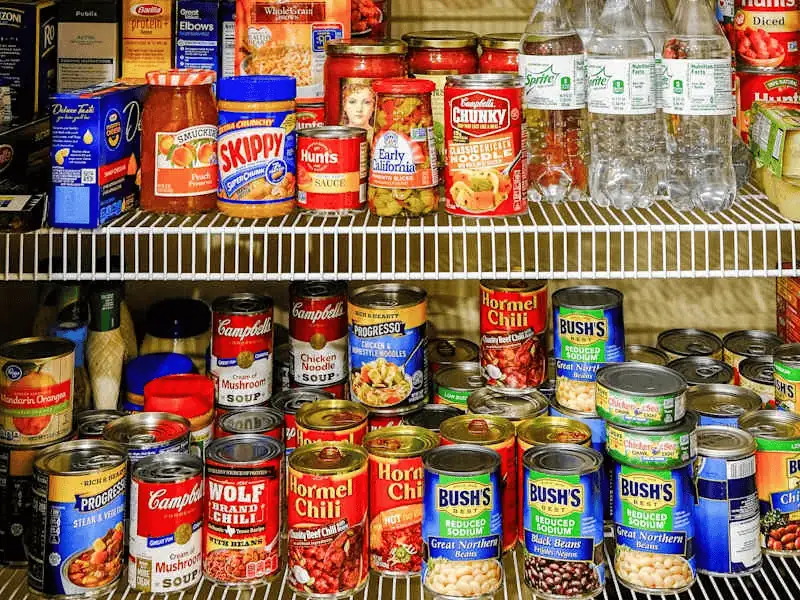
Shoppers are reading ingredient lists more closely than front-of-package claims. Instead of chasing buzzwords like “diet” or “light,” people are avoiding long ingredient lists filled with additives. Simple foods with recognizable ingredients are preferred, even if they cost slightly more. This shift means fewer boxed meals and more basics like canned beans, plain yogurt, sauces with minimal ingredients, and pantry staples that can be used across multiple meals.
Plant-Based Foods Show Up Without the Label
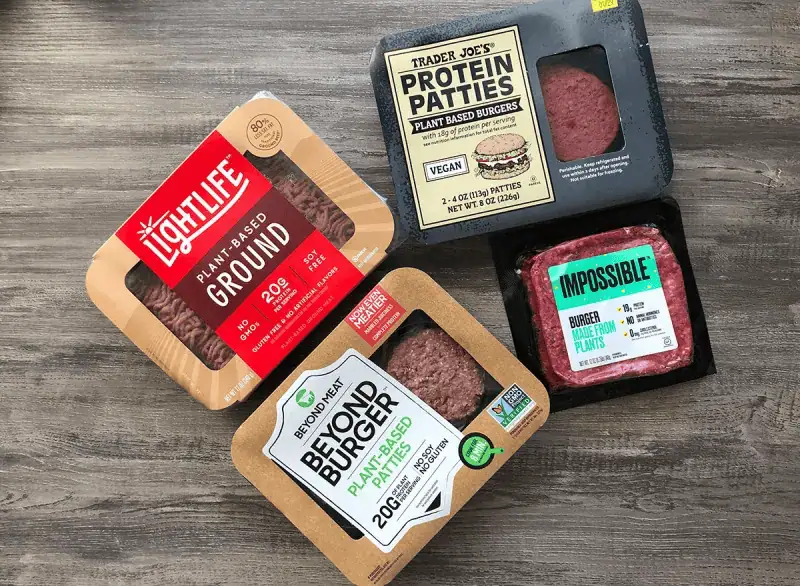
Plant-based eating is becoming quieter and more practical. Grocery lists now include beans, lentils, tofu, vegetables, and grains without branding them as meat replacements. Instead of specialty products, shoppers are using plant foods as affordable protein and fiber sources alongside meat. This reflects guidance that encourages variety and sustainability without forcing strict dietary identities, making grocery carts more flexible and budget-conscious.
