
10 Foods You Could Eat in the 1970s, But Can’t Today (And the Real Reason Why)
The 1970s was a unique era for culinary experimentation, offering dishes and products that resonated distinctly with the tastes and trends of the time. Many of these foods have vanished from store shelves, not always due to a lack of popularity, but often because of changing health regulations, consumer preferences, or marketing pivots. Exploring these bygone treats reveals the fascinating evolution of our food landscape, underscoring how societal shifts influence what we eat.
Jell-O 7-Layer Salads: A Wobbly Delight
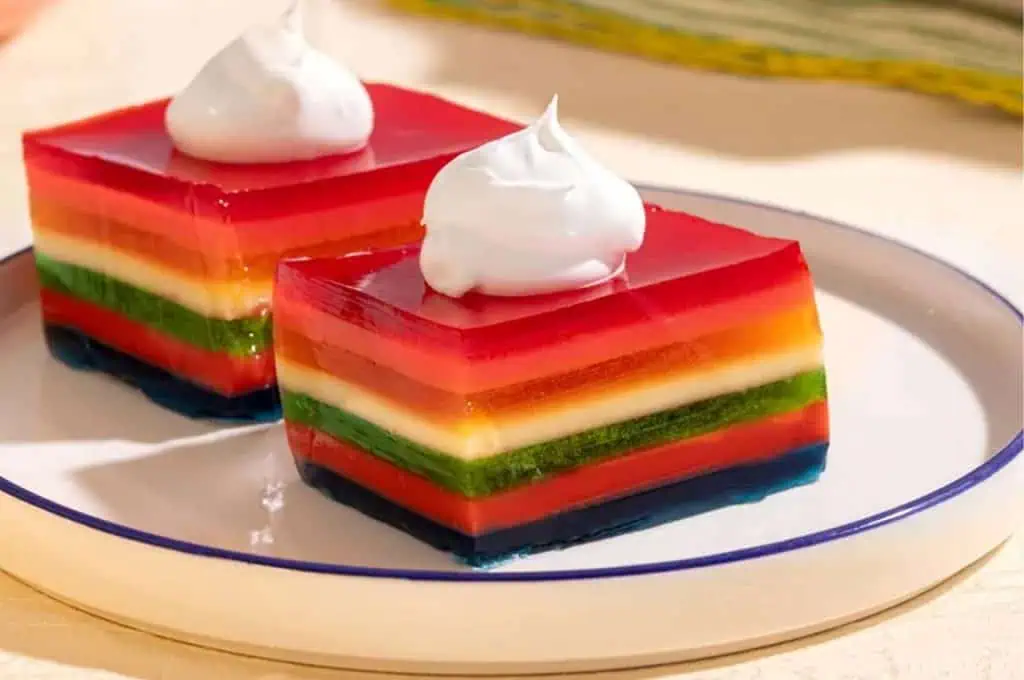
Jell-O 7-layer salads were a vibrant centerpiece of 1970s dining tables, capturing the eye with their vivid colors and unusual texture. Each layer offered a different burst of flavor, from sweet fruit segments to crunchy nuts. Mastering this dish involved skillfully assembling and setting each layer in succession, ensuring neat distinctions and cohesive gels. The decline in popularity can be attributed to changing tastes and growing skepticism towards gelatin-based salads, but they remain a nostalgic reminder of creative culinary artistry.
Get the recipe: Seven-Layer Gelatin Salad
McDonald’s Onion Nuggets: A Brief Encounter
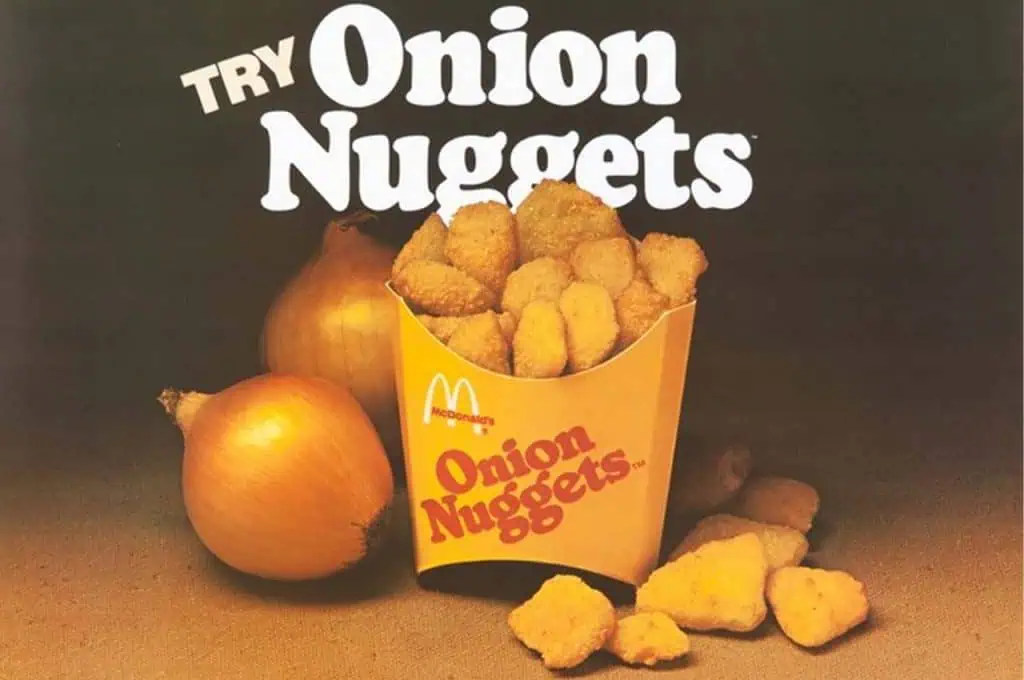
McDonald’s onion nuggets offered a crisp, savory snack, providing an onion experience distinct from today’s ubiquitous onion rings. Cooked to a golden perfection, they were seasoned to enhance their natural sweetness without overpowering. Despite their initial popularity, the nuggets were replaced as McDonald’s streamlined its menu to focus on more staple items like chicken nuggets. Though brief in tenure, their unique appeal remains etched in the memories of those who experienced them.
Carnation Breakfast Bars: Morning Fuel Gone
Carnation breakfast bars were the quick breakfast of choice for many in the 1970s, offering convenience paired with a satisfying crunch. The blend of grains, chocolate, and vitamins made them an appealing option for on-the-go nutrition. Key in their preparation was the balanced incorporation of textures, ensuring each bite was pleasing and robust. Despite their practicality, shifts towards fresher, less processed breakfast options led to their discontinuation, leaving a gap for fans who cherished their morning routine.
Post Fortified Oat Flakes: The Forgotten Crunch
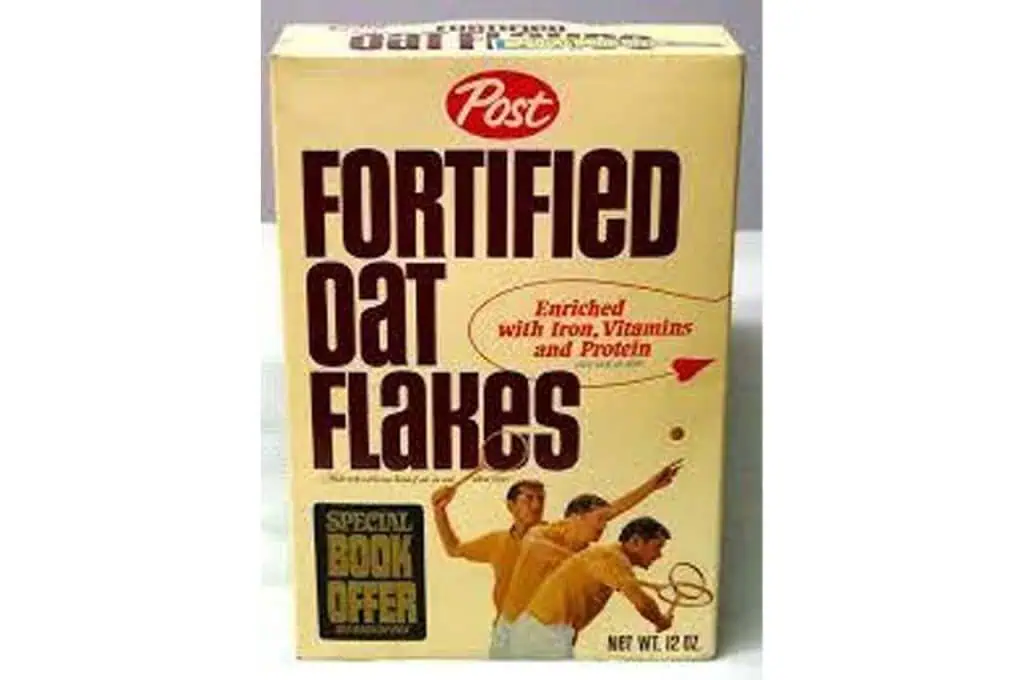
Post Fortified Oat Flakes delivered a wholesome breakfast experience with their hearty crunch and nutritional fortification. Each flake was crafted to withstand milk’s moisture, maintaining texture until the final bite. Successful preparation involved adhering to stringent manufacturing techniques to achieve the ideal crispness. Changes in health trends and competition with other cereal options eventually nudged these flakes off shelves, but their hearty, nutty profile remains a cherished memory for cereal enthusiasts.
Heinz Colored Ketchups: A Colorful Fad

Heinz Colored Ketchups burst onto the scene in the early 2000s, offering vivid hues like green, purple, and blue. Despite their playful appeal, these ketchups didn’t endure. They were essentially regular ketchup with added artificial colors, altering the iconic red we associate ketchup with. While visually intriguing, the colors did not alter taste but conflicted with consumer expectations of the classic condiment. The sensory experience proved jarring for many, leading to discontinued production as demand dwindled, reminding us that sometimes, food aesthetics must align closely with taste expectations.
Tab Soda: The Original Diet Sensation
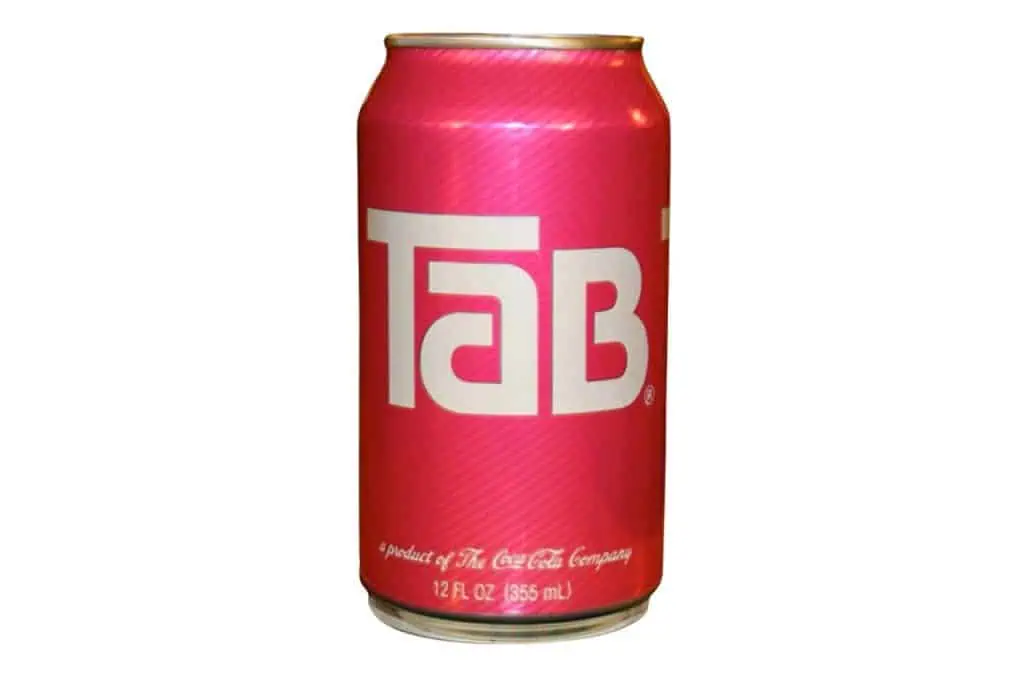
Launched by Coca-Cola in 1963, Tab was one of the first widely available diet sodas, using saccharin as its primary sweetener. Known for its distinct, crisp taste, it paved the way for a new category in soft drinks. However, health concerns over artificial sweeteners and a crowded market reduced its appeal. The rise of Diet Coke further overshadowed Tab, as consumers preferred its more familiar cola flavor. In 2020, Coca-Cola officially ceased production, ending an era of this once-popular diet beverage, which struggled to maintain relevance among evolving soda preferences.
Marathon Bar: The Chewy Chocolate Escape
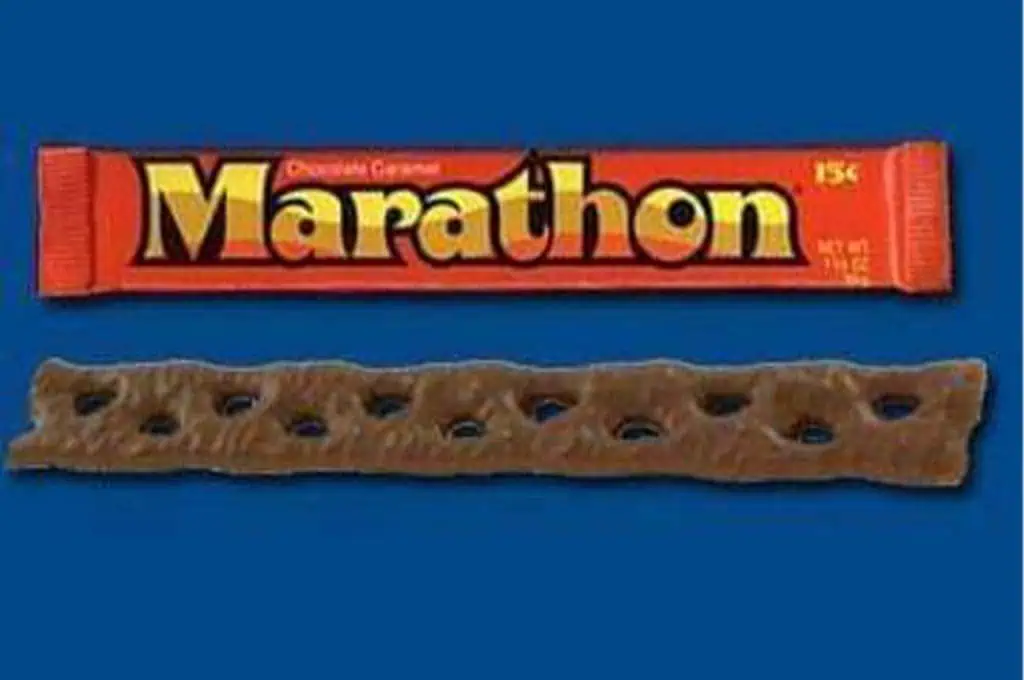
The Marathon Bar, introduced in 1973, was a chocolate-covered caramel bar known for its length and distinctive wrapper, marked with a ruler to emphasize its size. Its chewy texture and sweet, sticky caramel were a treat for those who appreciated a more interactive eating experience. Despite its popularity, the Marathon Bar was discontinued in 1981, likely due to production costs and changing consumer tastes favoring lighter confections. Its unique format eventually gave way to products better suited to modern palates, yet it remains a fond culinary memory for many.
Pizza Spins Snack Crackers: A Crispy Memory

Pizza Spins, appearing in the late 1960s, captured the love for pizza with their bold, savory flavor encapsulated in a crunchy cracker form. They offered a convenient way to enjoy pizza-like flavors without needing a fresh slice. However, they were discontinued by the mid-1970s, possibly due to competition from other snack options and evolving consumer snacking habits. The intense seasoning and playful pizza association still evoke nostalgia, yet their absence underscores the constant evolution in snack preferences driven by taste, texture, and novelty in options available today.
Space Food Sticks: Astronauts’ Favorite Gone
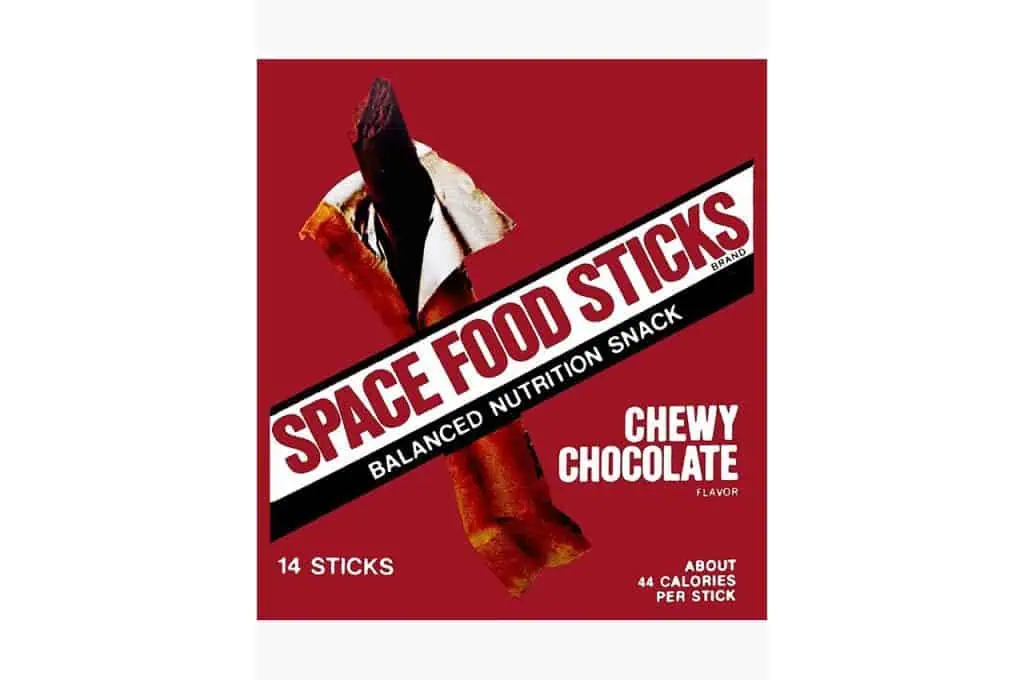
Space Food Sticks, born from the 1960s space race era, offered a unique snacking experience designed for astronauts. These cylindrical snacks, available in flavors like peanut butter and chocolate, were inspired by NASA’s compact eating solutions, appealing to adventurous consumers. However, changes in dietary trends and evolving snack preferences led to their eventual phase-out. Their dense, chewy consistency could not compete with more dynamic and texture-rich snacks, reflecting how consumer tastes shift towards variety and innovation in the ever-expanding snack market.
Altoids Sours: Such Sweet Sorrow

Altoids Sours, once a favorite for their intense zing, are no longer in production. These sugar-coated candies packed a potent punch of sourness, followed by a sweet release. Marketed with flavors like raspberry and lime, their discontinued status leaves a gap in the world of tart treats. While the exact reasons for their disappearance remain largely speculative, declining sales seem to be the primary factor. Their vibrant palate can be recreated by experimenting with homemade fruit pastilles, using citric acid to mimic that sharp sour sensation.
