
10 Foods That Were Legal 50 Years Ago But Could Land You in Trouble Today
Shifts in culinary norms reflect not just changing tastes but evolving regulations and ethical considerations. Some foods enjoyed decades ago are now restricted or controversial. Understanding these changes not only highlights cultural transformations but also emphasizes the increasing focus on safety and sustainability. This exploration covers ten foods, each carrying fascinating histories and reasons for their current status, offering insight into how legal landscapes impact what lands on our plates.
The Risky Charm of Raw Milk

Raw milk, once a staple, is now scrutinized due to potential health risks. It offers a deeply rich flavor unmatched by pasteurized varieties, but without pasteurization, there’s a risk of harmful bacteria like E. coli and Salmonella. Regulations vary widely; some places ban or heavily restrict its sale. For those who seek raw milk’s unique taste, ensuring its safety involves strict hygiene and sourcing from reputable farms practicing regular testing, balancing flavor with health considerations.
Shark Fin Soup Controversies

Shark fin soup, once a symbol of status in traditional Chinese banquets, faces bans due to ethical and environmental concerns. The practice of finning harms shark populations, leading to ecological imbalance. Many regions now restrict or completely prohibit its sale. Those who treasure its gelatinous texture might seek alternatives like plant-based gels or similar-textured sea vegetables, which preserve the experience without the ecological cost, aligning culinary practice with conservation efforts.
Absinthe: From Ban to Belief

Absinthe’s mystique originates from its once-banned status, associated with hallucinations and artistic inspiration. The potent anise-flavored spirit was outlawed for most of the 20th century in many areas. Modern research debunked myths about its primary compound, thujone, leading to relaxed regulations. However, restrictions continue in certain countries. Enjoying absinthe responsibly involves understanding its high alcohol content, savoring the ritual of dilution with water, and respecting its robust herbal notes.
Horse Meat: A Culinary Debate
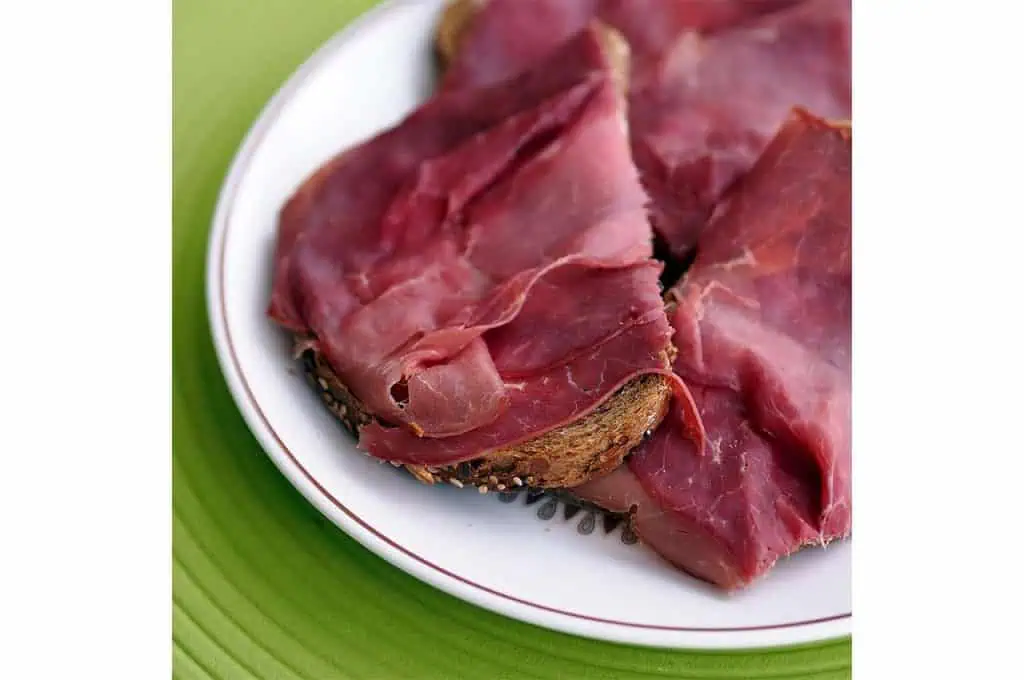
Horse meat has been essential to diets in parts of Europe and Asia, known for its tender texture and sweet flavor. Cultural preferences and ethical considerations have led to its prohibition in many places today. The debate often centers on domestic animal treatment and culinary tradition versus modern ethical stances. For those interested in this delicacy, sourcing from ethical farms where permitted and respecting cultural contexts enhance understanding and appreciation of regional food practices.
Fugu: The Deadly Delicacy
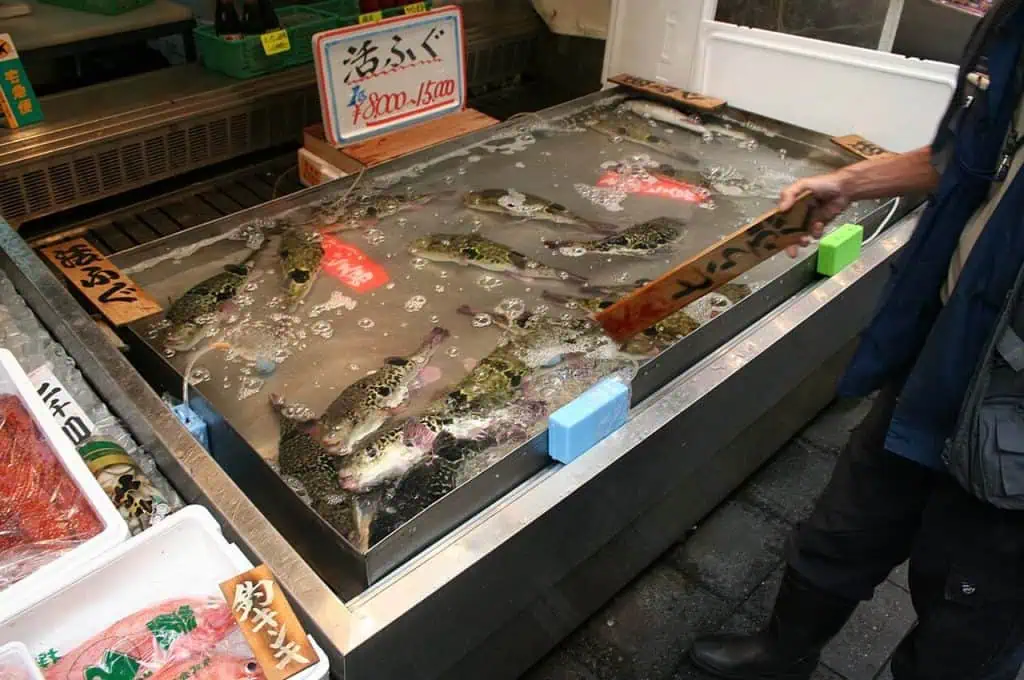
Fugu, the Japanese delicacy derived from pufferfish, is renowned for its potentially lethal tetrodotoxin. Proper preparation is crucial, requiring highly skilled chefs who undergo years of rigorous training and certification. The challenge is to meticulously remove toxic parts while preserving the delicate flavor and texture of the flesh. Served typically as sashimi, its subtle, clean taste is uniquely paired with a slightly chewy texture. The thrill, however, lies in the precision of its preparation, making it a culinary art form tightly regulated in many areas due to safety concerns.
Kinder Surprise vs. U.S. Regulations

Kinder Surprise, a beloved European chocolate treat, contains a hidden toy encased within. Despite its popularity abroad, it’s banned in the U.S. due to a 1938 FDA regulation prohibiting non-nutritive objects embedded in food. The chocolate itself offers a rich, creamy experience, enhanced by its signature sweet shell and milky core. For those seeking a similar experience stateside, Kinder Joy provides a compartmentalized version that separates toy and treat, aligning with safety standards while preserving the whimsical enjoyment of discovery.
Trans Fat: Once Trendy, Now Trashed

Trans fats, primarily found in partially hydrogenated oils, were once a staple in processed foods for their stability and texture-improving qualities. However, they were linked to serious health risks, including heart disease, prompting regulatory bans. Home cooks aiming to replicate textures once achieved by trans fats can opt for alternatives like butter, lard, or coconut oil for baking, and olive or avocado oil for frying. These healthier substitutes not only lower health risks but also contribute to richer flavors and more naturally balanced textures in culinary creations.
Turtle Soup: A Conservation Concern

Turtle soup, once a gourmet highlight, now raises significant conservation issues due to declining turtle populations. The soup is traditionally rich and savory, derived from simmering turtle meat with aromatic herbs, spices, and broth. Today, restaurants and home cooks turn to ethical substitutes such as chicken or veal, blending classic spices like mace, nutmeg, and sherry for depth. Legislation and conservation efforts aim to protect these reptiles, urging cooks to explore alternative recipes that respect biodiversity while recalling the dish’s historic allure.
Laetrile: The False Cure Controversy

Laetrile, derived from apricot kernels, gained notoriety as a purported cancer treatment despite lacking scientific validation. Its use has been banned in many areas due to potential toxicity and unproven efficacy. Cooking with apricot pits, or kernels, should be approached with caution due to their amygdalin content, which can convert to cyanide. If incorporating into recipes, it’s best to use commercially prepared extracts that are safely processed. As misinformation wanes, emphasis on science-backed nutritional and medicinal value remains paramount in culinary practices.
Unpasteurized Cheese: Imports in Question

Fifty years ago, unpasteurized cheese was readily available and celebrated for its complex flavors and traditional preparation methods. However, current regulations often restrict its sale due to health concerns, particularly regarding potential bacterial contamination. When crafting a cheese platter, consider carefully selecting cheeses that comply with local guidelines, such as those aged for a legal minimum period, which naturally reduces harmful bacteria. Explore alternatives that capture the earthy nuances of unpasteurized varieties by looking for artisan producers who focus on technique and quality. Always prioritize fresh, reputable sources to ensure food safety while enjoying rich, satisfying flavors.
