
12 Retro Condiments from the ’70s You’ll Swear Were Made Up
The 1970s were a bold era for food experimentation, and nowhere was that more obvious than in the condiments Americans kept in their refrigerators. Shelf-stable cheese spreads, neon dressings, gelatin-based “salads,” and oddly flavored toppings filled holiday tables and weeknight dinners alike. While many of these products have vanished, their legacy remains in cookbooks, retro ads, and family stories. Younger generations often assume these condiments must be jokes or exaggerations, yet they were completely normal in homes across the country, shaping an unforgettable chapter of culinary nostalgia.
Nuclear-Orange French Dressing
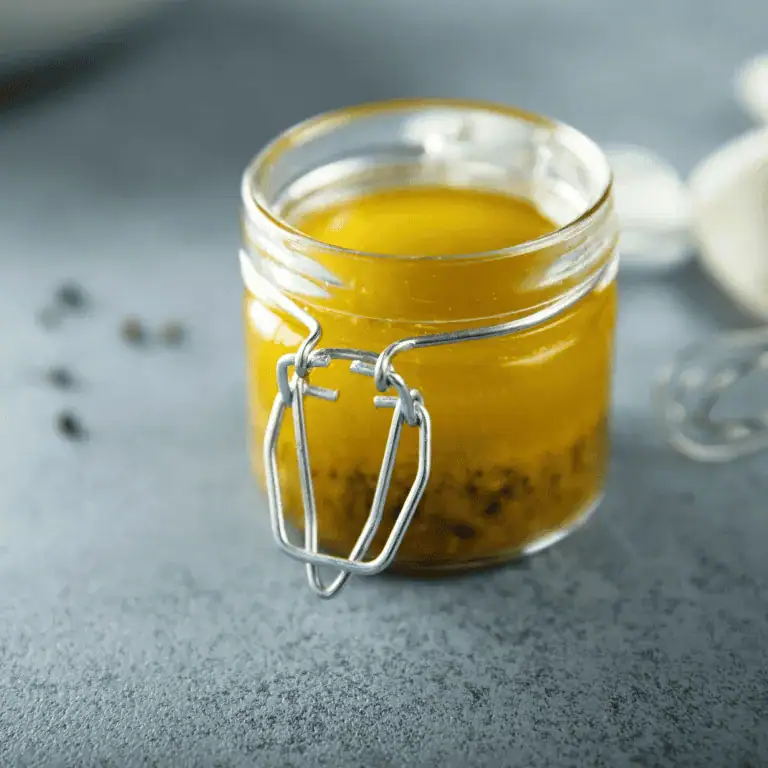
French dressing in the ’70s often came in a blindingly bright orange that looked more artificial than appetizing. Yet, it was poured over nearly every salad made with iceberg lettuce and shredded carrots. Its sweet, tangy flavor felt modern at the time, and families considered it a step above plain oil and vinegar. Younger eaters today often assume old photos have been colorized, not realizing that this neon dressing was a genuine pantry staple.
Mystery Sandwich Spread

Sold simply as “sandwich spread,” this jarred mixture of mayo, chopped pickles, pimentos, and seasonings created a pinkish, slightly chunky paste that served as a complete filling for lunchbox sandwiches. Families appreciated its convenience, even though its vague label raised questions about what was actually inside. Modern diners often see it as a strange hybrid of sauce and salad, assuming it must have been a novelty, not a mainstream refrigerator essential.
Aspic-Style Gelatin Dressing
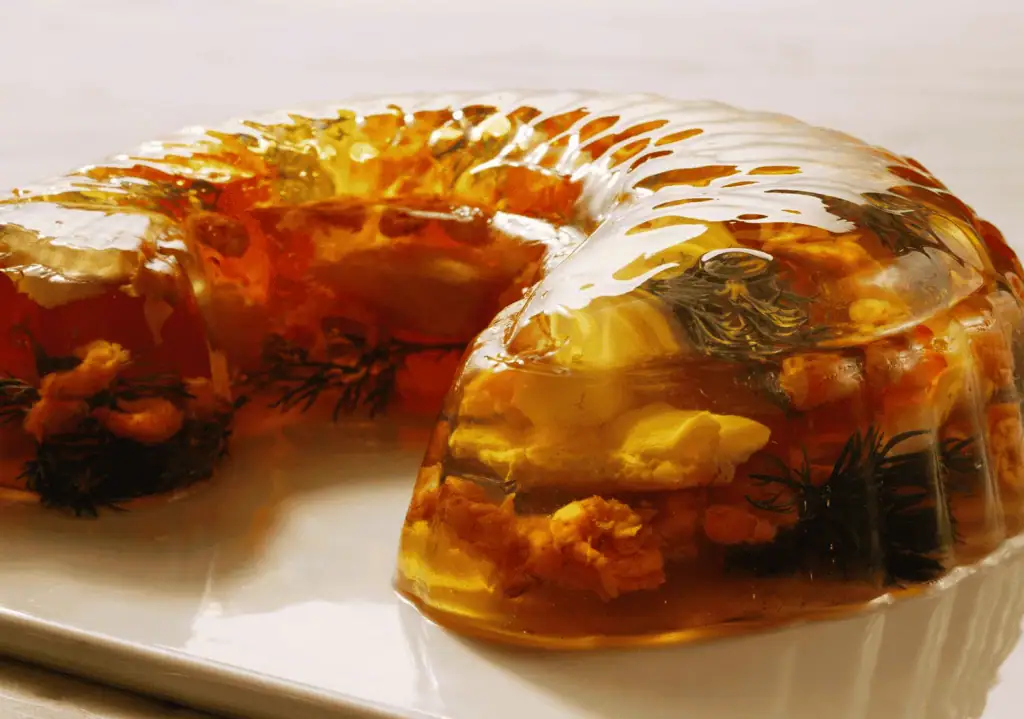
Savory gelatin molds made with lime or lemon Jell-O, finely shredded vegetables, and seasonings were often served as cold condiments atop salads or alongside meats. Their glossy wobble and unusual flavor combinations reflected a fascination with molded foods that dominated mid-century cooking. Today, these aspic-style dressings seem so surreal that many people believe they were satire, yet they were proudly presented at Christmas parties and potlucks.
Bacon-Flavored Bits

Bacon-flavored bits became a household favorite, even though many versions contained no real bacon at all. These crunchy, salty pieces added a smoky kick to casseroles, baked potatoes, and salads, and the shaker-style container made them feel modern and convenient. Their long shelf life and bold flavor made them surprisingly popular, but younger generations often assume the idea of imitation bacon crystals must have started as a joke rather than a serious topping.
Jarred Pimento Cheese Spread

While homemade pimento cheese has deep roots, the ’70s embraced jarred versions with a smooth, processed consistency and a vibrant orange color. Families used it as a spread for crackers, celery sticks, and sandwiches, valuing its convenience and bold flavor. Its texture landed somewhere between dip and condiment, making it a versatile but unusual product. Modern consumers often can’t believe this spread once carried an air of sophistication during holiday gatherings.
Olive-Loaf Inspired Relish
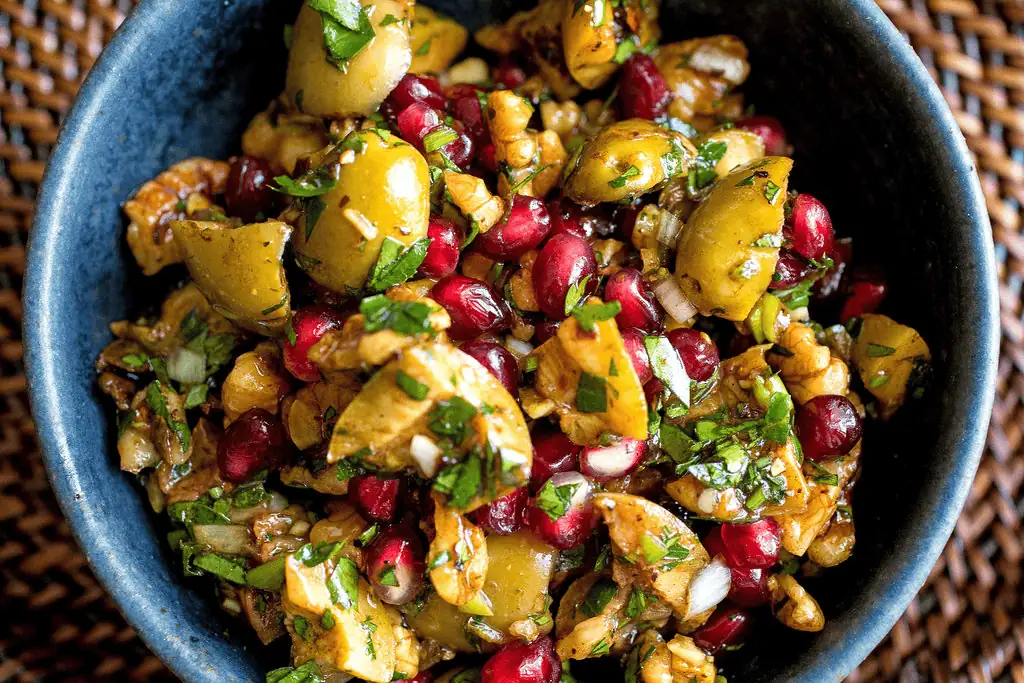
Inspired by the popularity of olive loaf deli meat, the era produced olive-heavy relishes packed with chopped green olives, pimentos, and creamy dressing. The mixture was used on crackers, sandwiches, and canapés, creating a briny, tangy flavor that was surprisingly fashionable. To today’s diners, jars full of floating olive bits can look like a prank product, yet in the ’70s they were embraced as a stylish entertaining option.
Aerosol Cheese Topping
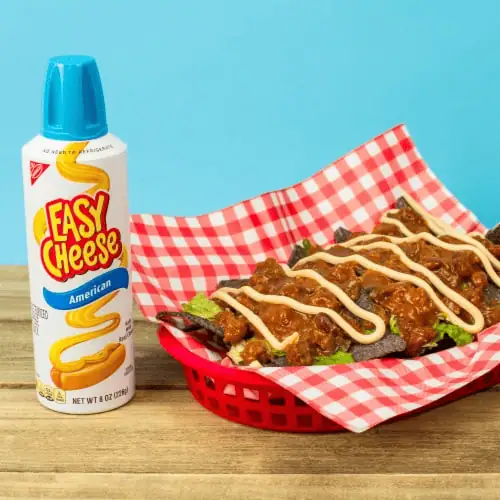
Cheese dispensed from an aerosol can was marketed as a futuristic, elegant topping for crackers, vegetables, burgers, and even eggs. Hosts piped decorative swirls onto appetizer trays, treating it like savory frosting that added color and flair. Children loved its novelty, while adults saw it as convenient and modern. Looking back, many younger people assume it was created as a gag item, not a legitimate holiday entertaining staple.
Sticky Ham Glaze in a Jar
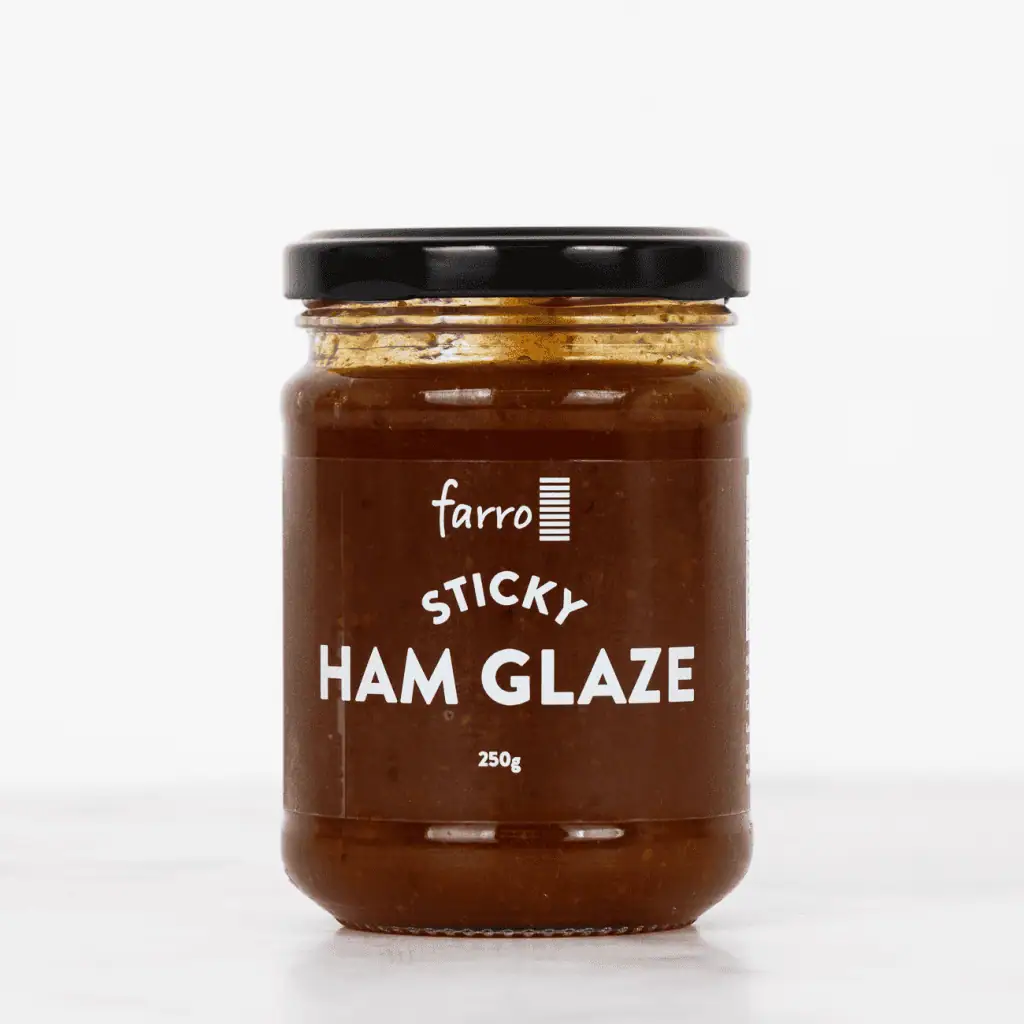
Sweet, pre-made ham glazes thick with brown sugar, pineapple, mustard, or clove were widely sold as all-purpose condiments during the holiday season. These glossy mixtures promised restaurant-style results with minimal effort, and some households even served them as sauces at the table. The intensely sweet profiles feel outdated today, leading many to believe such products were oddly specific novelties rather than everyday pantry items.
Excessively Sweet Pickle Relish
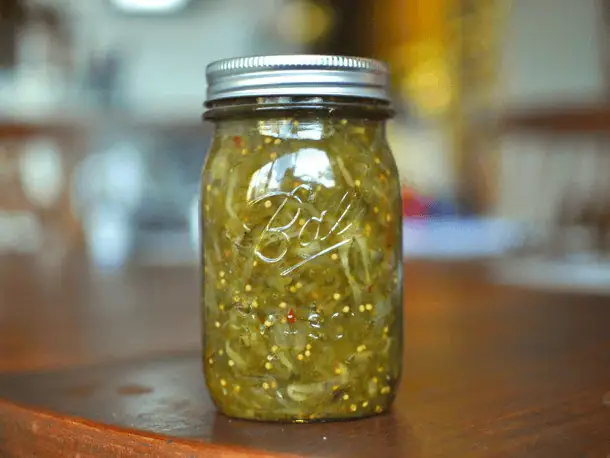
Sweet pickle relish was added to far more than hot dogs in the ’70s, appearing in deviled eggs, tuna salad, molded salads, casseroles, and sandwich fillings. Its sugary bite became a defining background flavor in countless recipes. Modern palates often prefer more balanced or savory condiments, making the decade’s heavy-handed use of sweet relish seem exaggerated even though it was entirely normal at the time.
Onion Soup Dip Treated as a Condiment
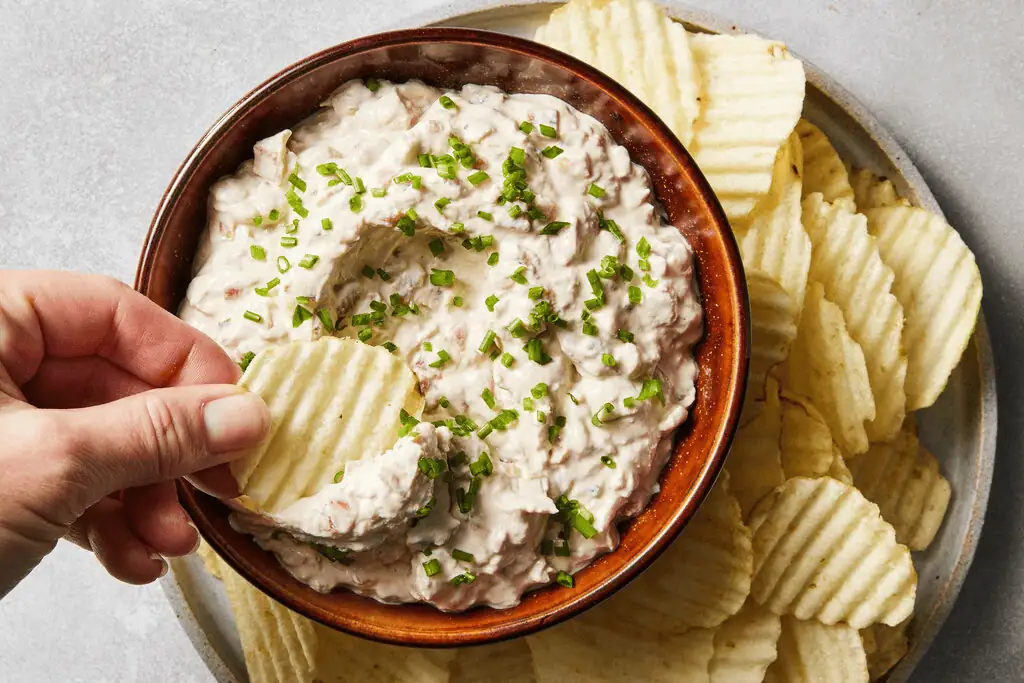
Onion dip made by mixing sour cream with dried onion soup mix became so popular that families kept it in the refrigerator year-round and used it like a multipurpose condiment. It appeared on potatoes, vegetables, casseroles, and sandwiches, not just next to chips. Younger generations tend to view it strictly as a party snack, unaware that in the ’70s it functioned as an everyday flavor booster.
Tiki-Style Sweet-and-Sour Sauces

Bright, glossy sweet-and-sour sauces inspired by Polynesian-style restaurants became household staples, used on meatballs, skewers, chicken, and shrimp. Their neon red or orange hues and sugary profiles made them stand out on store shelves. Although they seem tied to novelty party themes today, they once sat beside ketchup and mustard as common condiments, reflecting a national enthusiasm for tropical flavors.
“Seafood Cocktail” Sauces for Everything

Seafood cocktail sauces expanded beyond shrimp to become catch-all toppings used on fish sticks, canned clams, and even poured over cream cheese as a party spread. Their horseradish-heavy punch made them a bold addition to weeknight meals and holiday buffets. Younger diners often assume this condiment category was exaggerated by retro cookbooks, yet it held a permanent spot in many ’70s refrigerators.
